 Предпросмотр
 Поделиться
 Поделиться
 Детали произведения

 Скачать
 Похожие работы
 Рентгенография
 Слайд-шоу
 Статистика
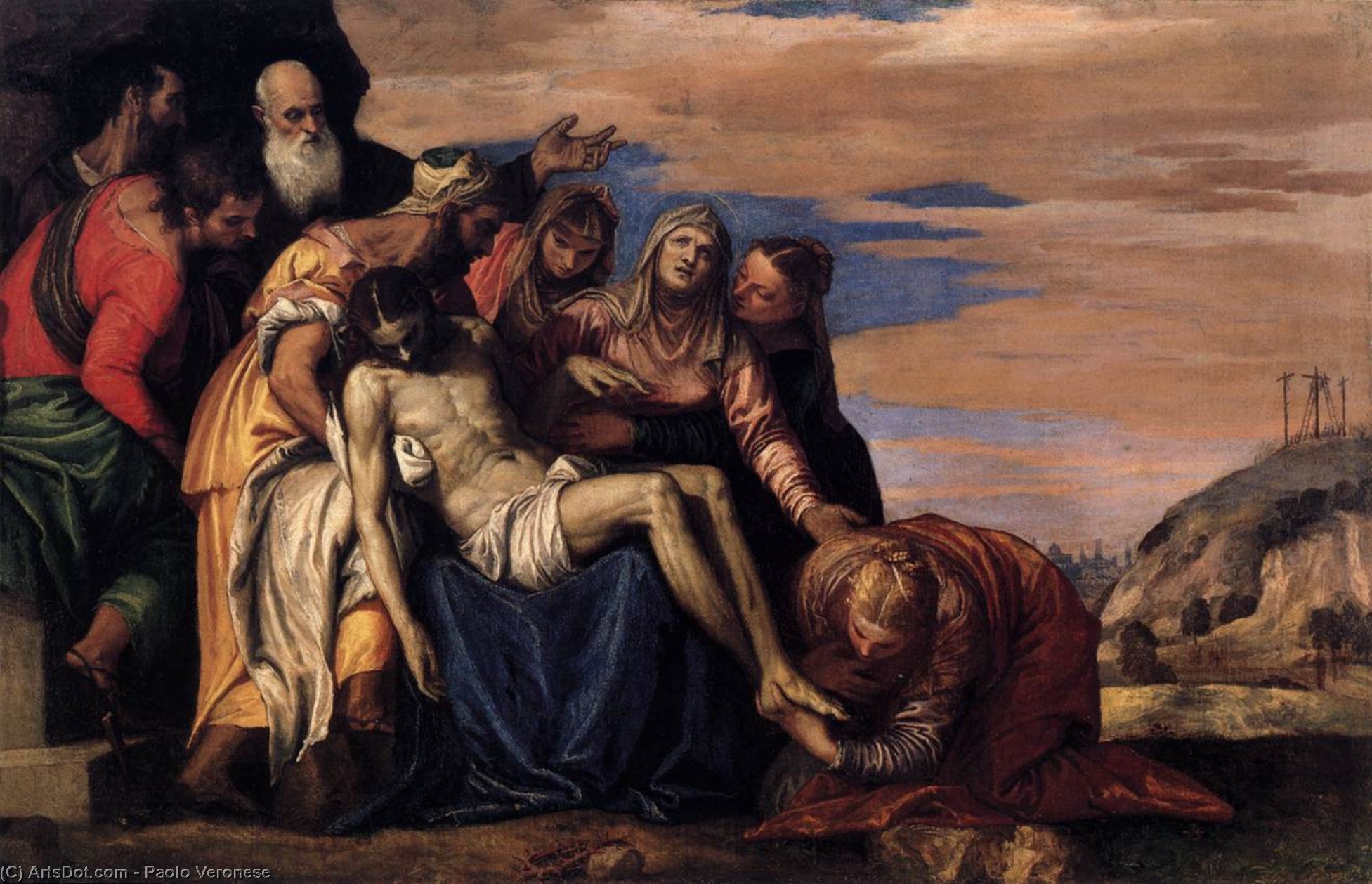
Lamentation over the Dead Christ
 Oil On Canvas
- WallArt
- Baroque
 1547
1547 76.0 x 117.0 cm
 Museo Civico di Castelvecchio
 Читать далее
Масляная репродукция ручной работы
Картина маслом на холсте в выбранном вами размере и раме, написанная на заказ нашими художниками. ( Перейти к печати Перейти к цифровым изображениям)




P118B $10

P118H $10

P118W $10

P438Z $10

P508JH $12

P508YH $12

P805H $10

P805Z $10

P919BZ $10

P919G $10

P919XJ $10

P959ZH $10

P968JZ $12

W106C $8

W218G $10

W218JH $8

W218Y $10

W307PJ $10

W316G $10

W316PJ $8

W316Y $10

W398PJ $8

W4111J $10

W500HY $15

W500JH $15

W692G $12

W849H $8

W940BG $15

W953PJ $8




Выберите один из наших стандартных размеров, соответствующих оригинальным пропорциям произведения искусства.

Вы можете указать собственные размеры, чтобы картина идеально вписалась в выбранную раму или пространство. Если выбранный вами размер не соответствует пропорциям оригинала, мы либо обрежем полотно, либо расширим его за счет дополнительных элементов, написанных вручную. Цифровой макет будет отправлен вам на утверждение перед началом производства.
Обратите внимание, что предварительный просмотр на экране не отражает фактическую обрезку или расширение. Только макет точно покажет окончательную композицию.
Хотя доступны индивидуальные размеры, мы рекомендуем выбирать вариант из предопределенного списка, чтобы сохранить исходные пропорции.
После оформления заказа команда ArtsDot.com свяжется с клиентом по электронной почте для уточнения деталей и предоставит предварительный макет
Доставка по всему миру () за 3–4 недели вместо стандартных 5 недель. (10 Сентябрь). Без компромиссов в качестве.

Бесплатная экспресс-доставка по всему миру

Высококачественный льняной холст

Полное страхование доставки

Гарантия возмещения таможенных пошлин

Гарантия точного соответствия цветов

100-дневная политика возврата (только при обнаружении дефектов)

Гарантия возврата 100% средств

Предложение оптовых скидок
 Вариант со стеклом доступен только для размеров менее 110 см

Lamentation over the Dead Christ
Техника репродукции
Размер репродукции
-


Итоговая стоимость
$ 388
A Symphony of Sorrow: Veronese's Lamentation over the Dead Christ
Paolo Veronese’s Lamentation over the Dead Christ, painted in 1547, is more than a religious depiction; it’s a profound meditation on grief, loss, and the ultimate sacrifice. Executed during a pivotal moment in Venetian art history, this oil-on-canvas masterpiece embodies the dramatic flair and emotional intensity characteristic of the Baroque style while retaining subtle Mannerist influences that elevate its complexity. Measuring 76 x 117 cm, the scale of the work invites contemplation, drawing the viewer into the heart of this poignant scene – the deposition of Christ after his crucifixion.
- Subject Matter: The painting’s core is a deeply moving representation of Jesus' body being lowered from the cross, attended by his mother Mary, Mary Magdalene, and John the Apostle. These figures aren’t merely observers; they are conduits for the viewer’s own sorrow, their expressions etched with profound grief.
- Style & Composition: Veronese masterfully employs a pyramidal composition, anchoring Christ at the apex – a deliberate technique to draw the eye and emphasize his central importance. The dynamic diagonals created by the figures' poses and the sloping ground contribute to a sense of movement and heightened emotional impact, hallmarks of Baroque art.
The Language of Color and Light
Veronese’s genius lies not just in his subject matter but also in his masterful manipulation of color and light. The palette is dominated by warm earth tones – ochres, reds, and browns – creating a sense of solemnity and grounding the scene. These rich hues are juxtaposed with cooler blues and purples within the drapery and sky, adding depth and visual interest. The dramatic lighting, originating from a single source, casts deep shadows that heighten the pathos, illuminating Christ’s body and key figures while obscuring others in darkness – a technique frequently used to direct the viewer's attention and amplify the emotional weight of the scene.
The application of paint itself is remarkable. Veronese utilized layering techniques (glazing) to achieve an extraordinary level of depth, luminosity, and realism. Visible brushstrokes contribute to the texture, particularly in the clothing and skin of the figures, further enhancing the sense of tangible presence. This meticulous attention to detail reflects the Renaissance fascination with human anatomy and the pursuit of naturalism within a religious context.
Symbolism and Historical Context
Painted in 1547, this work reflects the anxieties and spiritual fervor of its time. The Baroque period was characterized by a renewed emphasis on emotion and drama in art, responding to the Protestant Reformation and the Counter-Reformation’s call for more accessible religious imagery. Veronese's depiction aligns with these trends, offering a powerful visual narrative that resonates with viewers on an emotional level. The scene is laden with symbolism – the body of Christ represents sacrifice and redemption, while the mourners embody faith, compassion, and devotion.
Furthermore, the painting’s Mannerist influences—elongated forms and exaggerated expressions—add a layer of intellectual complexity to the work, inviting viewers to engage in a deeper contemplation of its themes. Veronese's artistic lineage is firmly rooted in Venetian tradition, yet he pushed boundaries, creating a uniquely powerful and enduring image that continues to captivate audiences centuries later.
A Timeless Masterpiece
Lamentation over the Dead Christ stands as a testament to Paolo Veronese’s unparalleled skill and vision. Its dramatic composition, rich color palette, and masterful technique combine to create an artwork of profound emotional impact and enduring beauty. Whether you are an art collector seeking a significant addition to your collection or an interior designer searching for a statement piece that evokes contemplation and reverence, this reproduction offers a window into the heart of Venetian Renaissance artistry.
Похожие произведения
Биография художника
A Venetian Visionary: The Life and Art of Paolo Veronese
Paolo Caliari, universally known as Paolo Veronese, emerged from the vibrant artistic landscape of 16th-century Venice as a master of color, composition, and breathtaking spectacle. Born in Verona in 1528, the son of a stonecutter, his early life was deeply intertwined with the visual richness of his surroundings – the classical architecture, sculpted forms, and burgeoning humanist ideals that defined the region. His initial training under Antonio Badile and Giovanni Francesco Caroto provided him with a solid foundation in traditional techniques, but it was his relocation to Venice in the 1550s that truly ignited his artistic genius. The city itself became his muse, its bustling marketplaces, magnificent palazzi, and shimmering waterways profoundly shaping the scale and dramatic intensity of his work. He quickly absorbed the influences of established Venetian masters like Titian, whose mastery of color exerted a powerful impact on Veronese’s palette, yet he forged a distinctive style characterized by an unparalleled sense of theatricality and grandeur.The Painter of Feasts and Grand Narratives
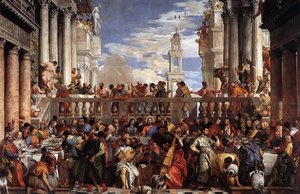
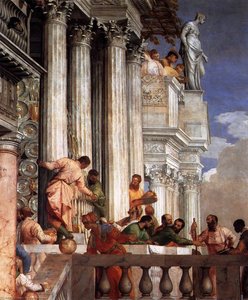
Veronese's enduring legacy rests primarily upon his monumental paintings, particularly those depicting lavish feasts and biblical scenes reimagined as dazzling displays of Venetian life. The *Wedding at Cana*, completed in 1563 for the Benedictine monastery of San Giorgio Maggiore, stands as a testament to his extraordinary skill. This colossal canvas transcends mere illustration; it’s a vibrant panorama of 16th-century society, teeming with elegantly dressed figures, musicians, and architectural details rendered with astonishing precision. The painting isn't simply about *what* happened at Cana but rather *how* it would have appeared if enacted in Venice during Veronese’s time – a remarkable feat of historical reconstruction. Similarly, *The Feast in the House of Levi*, originally titled *The Last Supper*, provoked considerable controversy with the Inquisition due to its inclusion of contemporary figures and an atmosphere that seemed almost irreverent. Veronese defended his artistic choices, asserting that painters possessed the same creative liberty as poets and jesters – a bold declaration reflecting his belief in art’s capacity to interpret and reimagine sacred narratives. These works weren't merely religious depictions; they were celebrations of life, wealth, and the splendor of Venice itself. He prioritized capturing the joy and abundance of existence over austere spirituality.Influences and Artistic Development
While Titian’s influence on Veronese’s color palette is undeniable, his artistic development was a complex synthesis of various influences. The architectural precision evident in his compositions draws heavily from the classical traditions prevalent in Verona during his formative years, particularly the work of architects like Michele Sanmicheli. He also absorbed elements from Central Italian masters such as Raphael and Parmigianino, reflected in the graceful lines and harmonious arrangements within his paintings. However, Veronese didn’t merely imitate these influences; he skillfully integrated them into a uniquely Venetian style characterized by its dramatic use of light, vibrant color schemes, and meticulous attention to detail. He excelled at creating illusions of space and depth, employing perspective techniques to draw viewers directly into the heart of his elaborate scenes. His mastery of oil painting allowed him to achieve an unparalleled luminosity and richness of texture – a hallmark of his distinctive style. He also maintained a large workshop, with contributions from his brother Benedetto and sons Gabriele and Carlo (or ‘Carletto’), ensuring that his artistic vision continued to flourish even after his death in 1588.Major Achievements and Notable Works
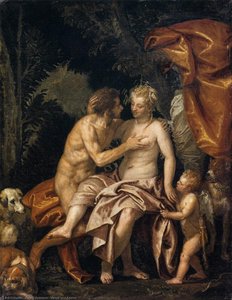
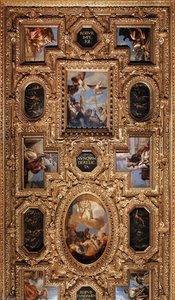
Veronese’s career was marked by a succession of significant commissions and masterpieces. His decoration of the Venetian church of S. Sebastiano between 1555 and around 1570 is considered one of his most important achievements, showcasing his ability to create immersive environments filled with dynamic movement and vibrant color. The ceiling and wall paintings for the library of S. Marco (1556-57) and the Ducal Palace (early 1550s and 1575-82) further demonstrated his skill in grand scale and opulent design. Perhaps most famously, he created a series of mythological pictures for an international clientele, including *Venus and Adonis* and *The Judgment of Paris*. His *Last Supper*, painted for a Dominican friar in 1573 (now housed in the Accademia di Venezia), stands as a particularly striking example of his innovative approach to religious narrative. The painting’s inclusion of contemporary figures and its seemingly irreverent atmosphere caused considerable controversy, leading to a title change – *Supper in the House of Levi* – reflecting Veronese's determination to defend his artistic freedom.Legacy and Historical Significance
Paolo Veronese’s impact extends far beyond the realm of Renaissance art. His work has resonated through centuries, inspiring artists across various disciplines. His dramatic compositions and vibrant color schemes have been cited as influences on everything from Baroque painting to modern cinema – even finding echoes in the visual aesthetics of Spaghetti Westerns. He was a key figure within the “great trio” of Venetian painters—alongside Titian and Tintoretto—each contributing uniquely to the city’s artistic legacy, yet Veronese often stands apart for his sheer exuberance and celebration of earthly pleasures. His paintings continue to captivate audiences with their grandeur and spectacle, offering a glimpse into the opulent world of 16th-century Venice. Veronese's legacy remains a testament to his artistic genius, his ability to capture the essence of an era, and his enduring contribution to the history of art.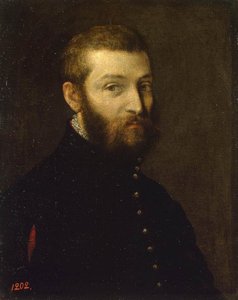
Паоло Веронезе
1528 - 1588 , Италия
Основные сведения
- Artistic Movement Or Style: Ренессанс, Маньеризм
- Artists Or Movements Influenced By This Artist: ['Рафаэль']
- Artists Who Influenced This Artist: ['Тициан']
- Date Of Birth: 1528
- Date Of Death: 1588
- Full Name: Паоло Веронезе
- Nationality: Итальянец
- Notable Artworks:
- Свадьба Канны
- Пир в доме Леви
- Place Of Birth: Верона, Италия
Похожие статьи
Paolo Veronese: A Renaissance Master of Color, Composition, and Venetian Splendor
Explore the vibrant world of Paolo Veronese, a Renaissance master renowned for his opulent compositions, masterful use of color, and dramatic Venetian scenes. Discover key artworks & legacy.

Барочная драма: Искусство величия в современном интерьере
Погрузитесь в мир роскоши и величия барокко! Узнайте об истории стиля, ключевых элементах интерьера и архитектуре. Вдохновляйтесь с и создайте свой неповторимый дизайн.

The Dramatic Flourish: Exploring the Baroque Movement's Enduring Legacy in Art History
Explore the dramatic world of Baroque art! Discover iconic artists like Caravaggio & Rubens, defining techniques, and its lasting impact on art history. Expert insights for collectors & enthusiasts at ArtsDot.

10 Шедевров Барокко: Искусство, изменившее мир | ArtsDot.com
Погрузитесь в мир барокко! 10 шедевров Караваджо, Рембрандта и других великих художников. Узнайте историю создания культовых картин и найдите идеальную репродукцию для вашего интерьера на ArtsDot.com

The Visceral Stage: Exploring Dramatic Narratives & Emotional Intensity in Baroque Art
Explore the dramatic world of Baroque art! Discover iconic masters like Caravaggio & Rembrandt, their techniques, and the movement's lasting impact. Expert insights for collectors & enthusiasts at ArtsDot.