 Предпросмотр
 Поделиться
 Поделиться
 Детали произведения

 Скачать
 Похожие работы
 Рентгенография
 Слайд-шоу
 Статистика
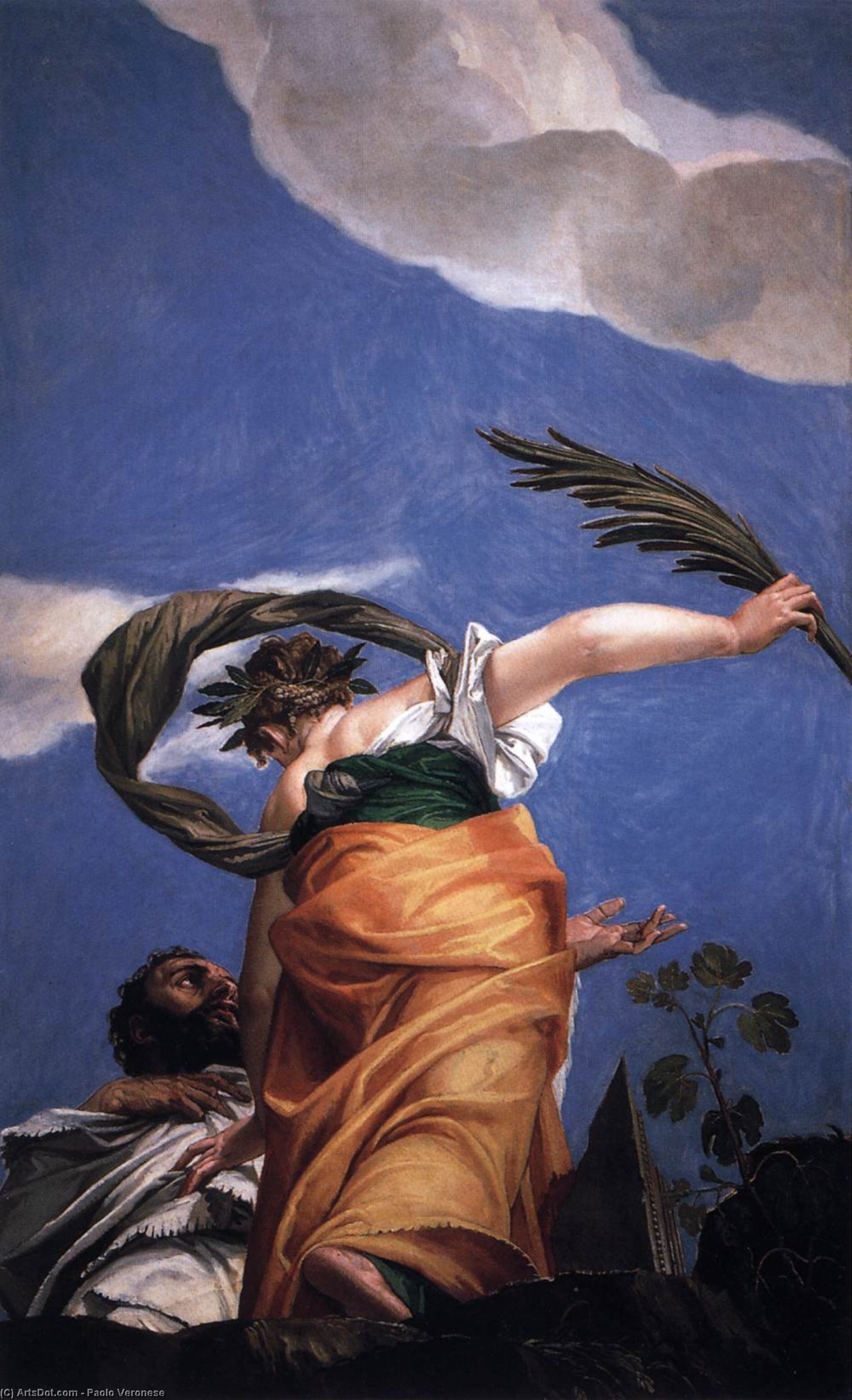
The Triumph of Virtue over Vice
 Oil On Canvas
- WallArt
- Baroque
 1554
1554 295.0 x 165.0 cm
 Дворец Дожей
 Читать далее
Жикле / Арт-принт
Печать (жикле) или холст музейного качества с быстрыми сроками изготовления и широким выбором вариантов отделки. ( Купить картину ручной работы Перейти к цифровым изображениям)




P118B $10

P118H $10

P118W $10

P438Z $10

P508JH $12

P508YH $12

P805H $10

P805Z $10

P919BZ $10

P919G $10

P919XJ $10

P959ZH $10

P968JZ $12

W106C $8

W218G $10

W218JH $8

W218Y $10

W307PJ $10

W316G $10

W316PJ $8

W316Y $10

W398PJ $8

W4111J $10

W500HY $15

W500JH $15

W692G $12

W849H $8

W940BG $15

W953PJ $8




Выберите один из наших стандартных размеров, соответствующих оригинальным пропорциям произведения искусства.

Вы можете указать свои собственные размеры, чтобы репродукция идеально подошла под конкретную раму или пространство. Если выбранный вами размер не будет соответствовать пропорциям оригинала, мы либо обрежем произведение, либо дополним изображение зеркальным отражением краев или однотонной заливкой. Перед началом производства вам будет отправлен цифровой макет для утверждения.
Пожалуйста, обратите внимание, что предварительный просмотр на экране не отображает фактическую обрезку или расширение изображения. Только макет точно покажет финальную композицию.
Несмотря на возможность заказа индивидуальных размеров, мы рекомендуем выбирать размер из предопределенного списка, чтобы сохранить оригинальные пропорции.
Доставка по всему миру () за 2 недели вместо стандартных 4/5 недель. (12 Сентябрь)

Бесплатная экспресс-доставка по всему миру

Высококачественный льняной холст

Полное страхование доставки

Гарантия возмещения таможенных пошлин

Гарантия точного соответствия цветов

100-дневная политика возврата (только при обнаружении дефектов)

Гарантия возврата 100% средств

Предложение оптовых скидок
 Вариант со стеклом доступен только для размеров менее 110 см

The Triumph of Virtue over Vice
Жикле / Арт-принт
Размер репродукции
-


Итоговая стоимость
$ 62
A Triumph of Allegory: Veronese’s “The Triumph of Virtue over Vice”
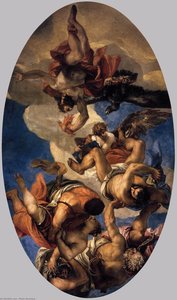
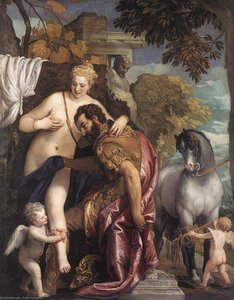
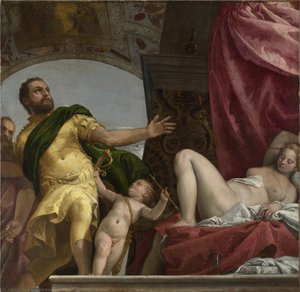
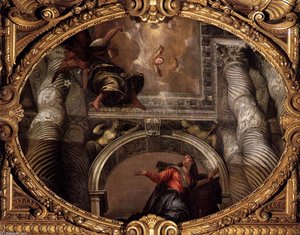
Paolo Veronese's "The Triumph of Virtue over Vice," completed in 1554, is more than just a painting; it’s a meticulously crafted allegory that encapsulates the spiritual and moral battles central to Renaissance Venetian thought. Measuring an impressive 295 x 165 cm, this monumental work immediately commands attention with its vibrant color palette and dynamic composition – hallmarks of Veronese's unparalleled skill. The scene depicts a dramatic confrontation between opposing forces, rendered with a theatrical flair that reflects the artistic conventions of the era while firmly establishing Veronese as a leading figure in Venetian art.
- Subject Matter: The painting’s core narrative revolves around the triumph of virtue over vice. A central female figure, embodying Virtue, ascends through the air, seemingly liberated from the constraints of earthly corruption.
- Composition: Veronese masterfully employs a pyramidal composition, drawing the viewer's eye upwards towards the soaring figure of Virtue. The lower portion of the canvas is dominated by figures representing Vice, engaged in a chaotic and unsettling scene.
- Color & Technique: Veronese’s signature use of rich, saturated colors – particularly greens and golds – creates an opulent atmosphere, reflecting the wealth and power of Venice at the time. His brushwork is characterized by smooth transitions and meticulous detail, creating a sense of depth and realism within this allegorical framework.
The Venetian Context: A Synthesis of Classical and Christian Ideals
Created in the heart of 16th-century Venice, “The Triumph of Virtue over Vice” is deeply rooted in the city’s unique artistic and intellectual environment. Venice, a melting pot of cultures and ideas, was experiencing a resurgence of classical learning alongside the fervent embrace of Christian humanism. Veronese, like many Venetian artists, drew inspiration from both ancient Roman art – particularly its emphasis on monumental scale and narrative storytelling – and the religious fervor of the Counter-Reformation. The painting reflects this synthesis, presenting a visually arresting representation of moral struggle within a distinctly Venetian context.
The work’s commission likely stemmed from the desire to project an image of civic virtue and religious piety, aligning with the values promoted by the Venetian Republic. Veronese's ability to seamlessly blend these influences cemented his position as one of Venice’s most celebrated artists, a master capable of translating complex theological concepts into visually stunning works.
Symbolism and Interpretation: Decoding the Allegory
The painting is laden with symbolic meaning. The woman ascending represents Virtue – often associated with Chastity, Temperance, Strength, and Justice – liberated from the clutches of Vice. Below her, the figures embody various vices, perhaps representing Lust, Greed, Wrath, or Pride. The inclusion of onlookers suggests a broader moral judgment, inviting viewers to contemplate their own adherence to virtuous principles. The use of classical architectural elements within the scene further reinforces the painting’s connection to ancient wisdom and ideals.
Veronese's meticulous attention to detail extends beyond mere representation; he employs symbolism as a key element in conveying his message. The vibrant colors, the dynamic composition, and the carefully chosen figures all contribute to the overall impact of this powerful allegory.
A Legacy of Opulence: Reproduction Possibilities
"The Triumph of Virtue over Vice" remains a testament to Veronese’s artistic genius and a captivating example of Venetian Renaissance painting. ArtsDot offers meticulously crafted hand-painted reproductions that faithfully capture the original's grandeur and detail. Each reproduction is created using traditional techniques, ensuring an authentic representation of this iconic artwork. Whether adorning a grand salon or adding a touch of timeless elegance to a smaller space, a reproduction of Veronese’s masterpiece will undoubtedly become a focal point of admiration and conversation.
Похожие произведения
Биография художника
A Venetian Visionary: The Life and Art of Paolo Veronese
Paolo Caliari, universally known as Paolo Veronese, emerged from the vibrant artistic landscape of 16th-century Venice as a master of color, composition, and breathtaking spectacle. Born in Verona in 1528, the son of a stonecutter, his early life was deeply intertwined with the visual richness of his surroundings – the classical architecture, sculpted forms, and burgeoning humanist ideals that defined the region. His initial training under Antonio Badile and Giovanni Francesco Caroto provided him with a solid foundation in traditional techniques, but it was his relocation to Venice in the 1550s that truly ignited his artistic genius. The city itself became his muse, its bustling marketplaces, magnificent palazzi, and shimmering waterways profoundly shaping the scale and dramatic intensity of his work. He quickly absorbed the influences of established Venetian masters like Titian, whose mastery of color exerted a powerful impact on Veronese’s palette, yet he forged a distinctive style characterized by an unparalleled sense of theatricality and grandeur.The Painter of Feasts and Grand Narratives
Veronese's enduring legacy rests primarily upon his monumental paintings, particularly those depicting lavish feasts and biblical scenes reimagined as dazzling displays of Venetian life. The *Wedding at Cana*, completed in 1563 for the Benedictine monastery of San Giorgio Maggiore, stands as a testament to his extraordinary skill. This colossal canvas transcends mere illustration; it’s a vibrant panorama of 16th-century society, teeming with elegantly dressed figures, musicians, and architectural details rendered with astonishing precision. The painting isn't simply about *what* happened at Cana but rather *how* it would have appeared if enacted in Venice during Veronese’s time – a remarkable feat of historical reconstruction. Similarly, *The Feast in the House of Levi*, originally titled *The Last Supper*, provoked considerable controversy with the Inquisition due to its inclusion of contemporary figures and an atmosphere that seemed almost irreverent. Veronese defended his artistic choices, asserting that painters possessed the same creative liberty as poets and jesters – a bold declaration reflecting his belief in art’s capacity to interpret and reimagine sacred narratives. These works weren't merely religious depictions; they were celebrations of life, wealth, and the splendor of Venice itself. He prioritized capturing the joy and abundance of existence over austere spirituality.Influences and Artistic Development
While Titian’s influence on Veronese’s color palette is undeniable, his artistic development was a complex synthesis of various influences. The architectural precision evident in his compositions draws heavily from the classical traditions prevalent in Verona during his formative years, particularly the work of architects like Michele Sanmicheli. He also absorbed elements from Central Italian masters such as Raphael and Parmigianino, reflected in the graceful lines and harmonious arrangements within his paintings. However, Veronese didn’t merely imitate these influences; he skillfully integrated them into a uniquely Venetian style characterized by its dramatic use of light, vibrant color schemes, and meticulous attention to detail. He excelled at creating illusions of space and depth, employing perspective techniques to draw viewers directly into the heart of his elaborate scenes. His mastery of oil painting allowed him to achieve an unparalleled luminosity and richness of texture – a hallmark of his distinctive style. He also maintained a large workshop, with contributions from his brother Benedetto and sons Gabriele and Carlo (or ‘Carletto’), ensuring that his artistic vision continued to flourish even after his death in 1588.Major Achievements and Notable Works
Veronese’s career was marked by a succession of significant commissions and masterpieces. His decoration of the Venetian church of S. Sebastiano between 1555 and around 1570 is considered one of his most important achievements, showcasing his ability to create immersive environments filled with dynamic movement and vibrant color. The ceiling and wall paintings for the library of S. Marco (1556-57) and the Ducal Palace (early 1550s and 1575-82) further demonstrated his skill in grand scale and opulent design. Perhaps most famously, he created a series of mythological pictures for an international clientele, including *Venus and Adonis* and *The Judgment of Paris*. His *Last Supper*, painted for a Dominican friar in 1573 (now housed in the Accademia di Venezia), stands as a particularly striking example of his innovative approach to religious narrative. The painting’s inclusion of contemporary figures and its seemingly irreverent atmosphere caused considerable controversy, leading to a title change – *Supper in the House of Levi* – reflecting Veronese's determination to defend his artistic freedom.Legacy and Historical Significance
Paolo Veronese’s impact extends far beyond the realm of Renaissance art. His work has resonated through centuries, inspiring artists across various disciplines. His dramatic compositions and vibrant color schemes have been cited as influences on everything from Baroque painting to modern cinema – even finding echoes in the visual aesthetics of Spaghetti Westerns. He was a key figure within the “great trio” of Venetian painters—alongside Titian and Tintoretto—each contributing uniquely to the city’s artistic legacy, yet Veronese often stands apart for his sheer exuberance and celebration of earthly pleasures. His paintings continue to captivate audiences with their grandeur and spectacle, offering a glimpse into the opulent world of 16th-century Venice. Veronese's legacy remains a testament to his artistic genius, his ability to capture the essence of an era, and his enduring contribution to the history of art.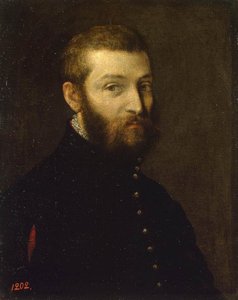
Паоло Веронезе
1528 - 1588 , Италия
Основные сведения
- Artistic Movement Or Style: Ренессанс, Маньеризм
- Artists Or Movements Influenced By This Artist: ['Рафаэль']
- Artists Who Influenced This Artist: ['Тициан']
- Date Of Birth: 1528
- Date Of Death: 1588
- Full Name: Паоло Веронезе
- Nationality: Итальянец
- Notable Artworks:
- Свадьба Канны
- Пир в доме Леви
- Place Of Birth: Верона, Италия
Похожие статьи
Paolo Veronese: A Renaissance Master of Color, Composition, and Venetian Splendor
Explore the vibrant world of Paolo Veronese, a Renaissance master renowned for his opulent compositions, masterful use of color, and dramatic Venetian scenes. Discover key artworks & legacy.
Манеризм: 10 шедевров, изменивших искусство. Купить картины онлайн | ArtsDot
Погрузитесь в мир манеризма! 10 шедевров от Понтормо до Пармиджанино. Узнайте историю, технику и влияние этого уникального стиля живописи. Купите репродукции картин высокого качества на ArtsDot.com – вдохновение для вашего интерьера!
Sebastiano del Piombo: Bridging Venetian Colorism & Roman Grand Manner Portraiture
Explore the captivating art of Sebastiano del Piombo, a Renaissance master bridging Venetian colorism & Roman grandeur. Discover his iconic portraits and lasting influence on art history. Learn more at ArtsDot.
The Weight of Virtue and Vice: Exploring Moral Themes in Art History
Explore the captivating world of moral allegory in art history! Discover how Renaissance masters like Bosch, Botticelli & Lotto depicted virtue & vice. Expert analysis and stunning reproductions at ArtsDot.

Топ-25 шедевров Тинторетто: Венецианская драма и свет в вашем интерьере
Погрузитесь в мир драматизма и света с 25 шедеврами Тинторетто! Узнайте историю создания легендарных картин эпохи Возрождения. Репродукции высокого качества для вашего интерьера на ArtsDot.com.