

 Предпросмотр
 Поделиться
 Поделиться
 Детали произведения

 Скачать
 Похожие работы
 Рентгенография
 Слайд-шоу
 Статистика
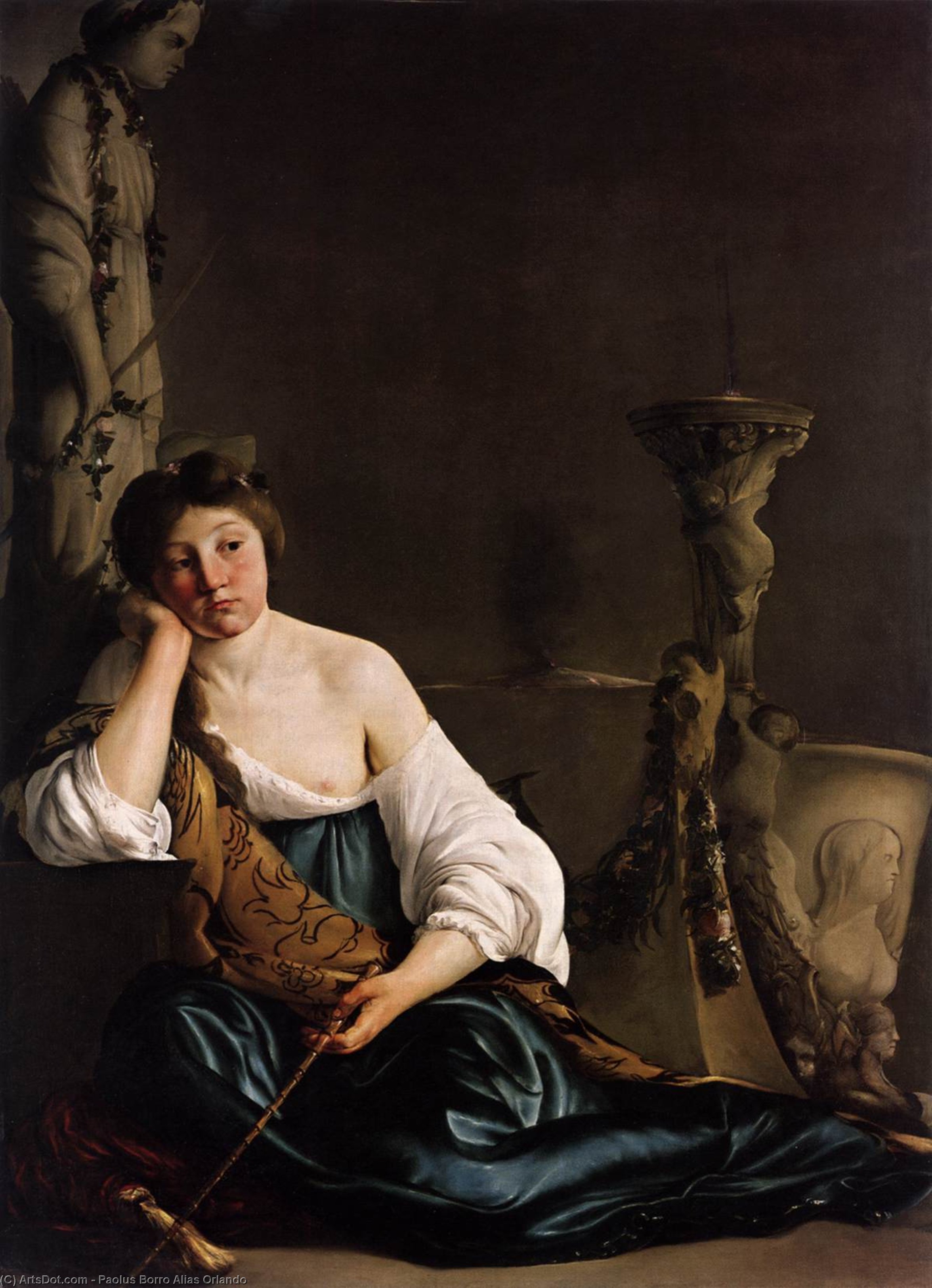
The Disillusioned Medea (''The Enchantress'')
 Oil On Canvas
- WallArt
- Baroque
 1640
1640 156.0 x 112.0 cm
 Музей Метрополитен
 Читать далее
Приобретите цифровое изображение высокого разрешения в улучшенном качестве, которое значительно превосходит онлайн-превью.
Каждый файл тщательно подготавливается нашими специалистами с использованием передовых инструментов и экспертной ручной ретуши. Мы гарантируем исключительную четкость, точную цветопередачу и детальную проработку каждого изображения.
Финальный файл доставляется по электронной почте в течение 72 часов и оптимизирован для немедленного использования в профессиональной среде, при верстке и печати. Это тот же уровень качества, которому доверяют ведущие дизайнерские студии, издательства и галереи.
Цифровое изображение
Скачайте файл высокого разрешения для личного использования, печати и творческих проектов. ( Перейти к печати Купить картину ручной работы)
Включено в каждый заказ цифровых изображений
Гарантия экспертной цифровой доставки
Выбирая ArtsDot.com, вы получаете не просто изображение — вы приобретаете профессионально обработанное цифровое произведение искусства, созданное с безупречной точностью и под защитой гарантии качества. Вот всё, что автоматически входит в ваш заказ:

Мгновенная доставка по e-mail
Ваш цифровой файл в высоком разрешении будет отправлен вам по электронной почте в течение 72 часов после оформления заказа — и сразу станет доступен для использования.

Цифровой файл с ИИ-улучшением
Ваше произведение искусства проходит профессиональную оптимизацию с использованием передовых инструментов ИИ и ручной обработки, что гарантирует максимальную детализацию, четкость и точность цветопередачи.

Бессрочная бесплатная повторная доставка
Случайно удалили или потеряли файл? Не беспокойтесь — мы отправим его вам повторно в любое время и совершенно бесплатно.

Без импортных пошлин — навсегда
Наслаждайтесь вашим произведением искусства мгновенно без таможенных пошлин, сборов или затрат на доставку — цифровые загрузки всегда не облагаются налогом.

Гарантия точности цветопередачи
Мы гарантируем, что ваше цифровое изображение максимально точно передает оригинальные цвета благодаря использованию профессиональных инструментов и систем управления цветом.

Гарантия удовлетворенности 100 дней
Если вы не будете удовлетворены своим цифровым изображением, мы внесем правки или вернем 100% стоимости в течение 100 дней — без лишних вопросов.

100% Гарантия возврата средств
Не удовлетворены покупкой? Получите полный возврат средств в течение 100 дней после получения цифрового файла — без лишних вопросов.

Скидки на оптовые заказы
Купите 3 изображения, сэкономьте 10% — Купите 5, сэкономьте 15% — Купите 10+, сэкономьте 20%. Отличное решение для творческих проектов, галерей и агентств.
A Portrait of Wounded Majesty
Paulus Borro Alias Orlando’s “The Disillusioned Medea” (c. 1640) isn't merely a painting; it’s an arresting tableau of sorrow, intellect, and the lingering echoes of betrayal. Housed within the Metropolitan Museum of Art in New York, this oil on canvas offers a profound glimpse into the heart of Baroque artistry – a world where dramatic light, intense emotion, and classical references converge to create a work both visually stunning and psychologically resonant.

Raphaelesque Roots and Baroque Innovation
Orlando’s composition immediately establishes a connection to the High Renaissance, particularly the influence of Raphael. The arrangement mirrors that of “The Holy Family with Saint Elizabeth,” a work celebrated for its balanced symmetry and serene beauty. However, Orlando deftly departs from this idealized model, injecting a palpable sense of unease into the scene. He borrows elements from Giulio Romano’s “Madonna of the Cat” – notably the prominent basket at the lower right – but transforms them through his own masterful technique. This deliberate juxtaposition highlights both the artistic lineage and the artist's innovative approach to naturalism.
The painting is a testament to Orlando’s command of chiaroscuro, a defining characteristic of Baroque art. A single, powerful light source illuminates Medea’s face and upper body, casting deep shadows that engulf the background and emphasize her isolation. This dramatic lighting isn't simply decorative; it serves to heighten the emotional intensity of the scene, drawing our attention to the woman’s suffering.
A Woman in Disarray: Symbolism and Narrative
Medea, the titular figure, is depicted not as a triumphant sorceress but as a woman consumed by grief and disillusionment. Her long hair cascades around her shoulders, framing a face etched with sorrow. She sits on the ground, holding a musical instrument – a symbol of lost artistry and perhaps a reminder of the power she once wielded. The statues flanking her represent the cold, unyielding forces that have shattered her world.
The painting’s historical context is crucial to understanding its deeper meaning. Medea, from Ovid's *Metamorphoses*, embodies betrayal and revenge – a potent narrative for a period marked by political upheaval and social unrest in the Netherlands. Orlando captures not just the story but also the raw emotion at its core: the devastating consequences of broken promises and shattered dreams.
A Window into 17th-Century Rome
Interestingly, “The Disillusioned Medea” once resided in a Roman convent, reflecting the artistic patronage prevalent during that era. Its journey through various collections – from San Silvestro to the Ministry of Public Works – speaks volumes about the shifting cultural landscape of Italy. The painting’s presence within this religious institution underscores its enduring appeal and its ability to resonate across centuries.
Today, reproductions of “The Disillusioned Medea” offer art lovers a chance to experience the power and beauty of Orlando's masterpiece firsthand. Whether displayed in a grand salon or a more intimate setting, this painting continues to captivate with its dramatic intensity and profound emotional depth – a timeless testament to the enduring legacy of Baroque artistry.
Похожие произведения




Биография художника
Paulus Borro Alias Orlando – A Dutch Baroque Visionary
Paulus Borro, known professionally as Orlando (1601-1669), was a prominent Dutch Baroque painter hailing from Amersfoort, Netherlands. Born into a wealthy Catholic family, his upbringing instilled in him an appreciation for classical learning and artistic excellence—influences that would profoundly shape his oeuvre. While biographical details remain somewhat sparse compared to contemporaries like Rembrandt or Vermeer, Borro’s legacy rests firmly on his captivating depictions of mythological narratives and scenes from daily life, executed with remarkable skill and emotional resonance.- Early Life & Education: Borro's formal artistic training began in Haarlem under Hendrick Jacobsz. Stoffels, a leading figure in the Haarlem Baroque school. This exposure to established artistic traditions undoubtedly contributed to his stylistic development.
- Movements & Influences: Orlando’s work aligns closely with the broader Dutch Baroque aesthetic—characterized by dramatic chiaroscuro lighting, meticulous detail, and an emphasis on conveying psychological depth. He drew inspiration from Caravaggio's tenebrism and classical sculpture, particularly those of Michelangelo, evident in his compositions and anatomical accuracy.
- Notable Works: Borro achieved considerable renown for several iconic paintings, including “The Disillusioned Medea” (circa 1640), a poignant portrayal of the mythological queen’s despair following Jason’s betrayal; “Cydippe with Acontius’s Apple,” showcasing a masterful depiction of classical drama and symbolism; and “Bacchus,” capturing the exuberance and sensual beauty of Dionysiac ritual.
Orlando's Artistic Style & Technique
Orlando’s artistic style is distinguished by its meticulous realism combined with expressive handling of light and shadow—a hallmark of Baroque painting. He employed oil paints on canvas, utilizing layering techniques to build up textures and create a palpable sense of atmosphere. His masterful use of chiaroscuro – the dramatic contrast between light and dark – effectively directs the viewer’s gaze and amplifies the emotional impact of his subjects. Furthermore, Borro demonstrated exceptional anatomical precision, reflecting the influence of humanist scholarship prevalent during his time.- Chiaroscuro Mastery: Like Caravaggio, Orlando skillfully manipulated light to sculpt forms and heighten dramatic tension within his canvases.
- Detailed Observation: His paintings reveal a keen eye for detail—capturing subtle nuances of expression and capturing the textures of drapery and skin with remarkable accuracy.
- Compositional Balance: Borro’s compositions are carefully balanced, guiding the viewer's attention to key elements within each scene.
Orlando’s Legacy & Historical Significance
Paulus Borro alias Orlando cemented his place in art history as a significant contributor to the Dutch Baroque movement—a period marked by artistic innovation and intellectual ferment. His paintings exemplify the genre's fascination with mythological themes and its exploration of human emotion, reflecting the humanist ideals that underpinned European culture during the seventeenth century. “The Disillusioned Medea” and “Cydippe with Acontius’s Apple,” in particular, stand as enduring symbols of classical drama and psychological complexity—works that continue to inspire admiration and scholarly study today. Orlando's contribution to Dutch art is recognized globally, securing his place among the most celebrated Baroque painters.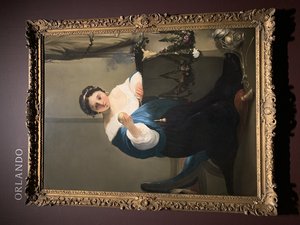
paolus borro alias orlando
1601 - 1669 , Netherlands
Основные сведения
- Artistic Movement Or Style: Baroque Painting
- Artists Or Movements Influenced By This Artist: ['Dutch Baroque']
- Artists Who Influenced This Artist: ['Peter Paul Rubens']
- Date Of Birth: 1605
- Full Name: Paulus Borro alias Orlando
- Nationality: Dutch
- Notable Artworks:
- The Disillusioned Medea
- Cydippe with Acontius's Apple
- Place Of Birth: Amersfoort, Netherlands