

 Предпросмотр
 Поделиться
 Поделиться
 Детали произведения

 Скачать
 Похожие работы
 Рентгенография
 Слайд-шоу
 Статистика
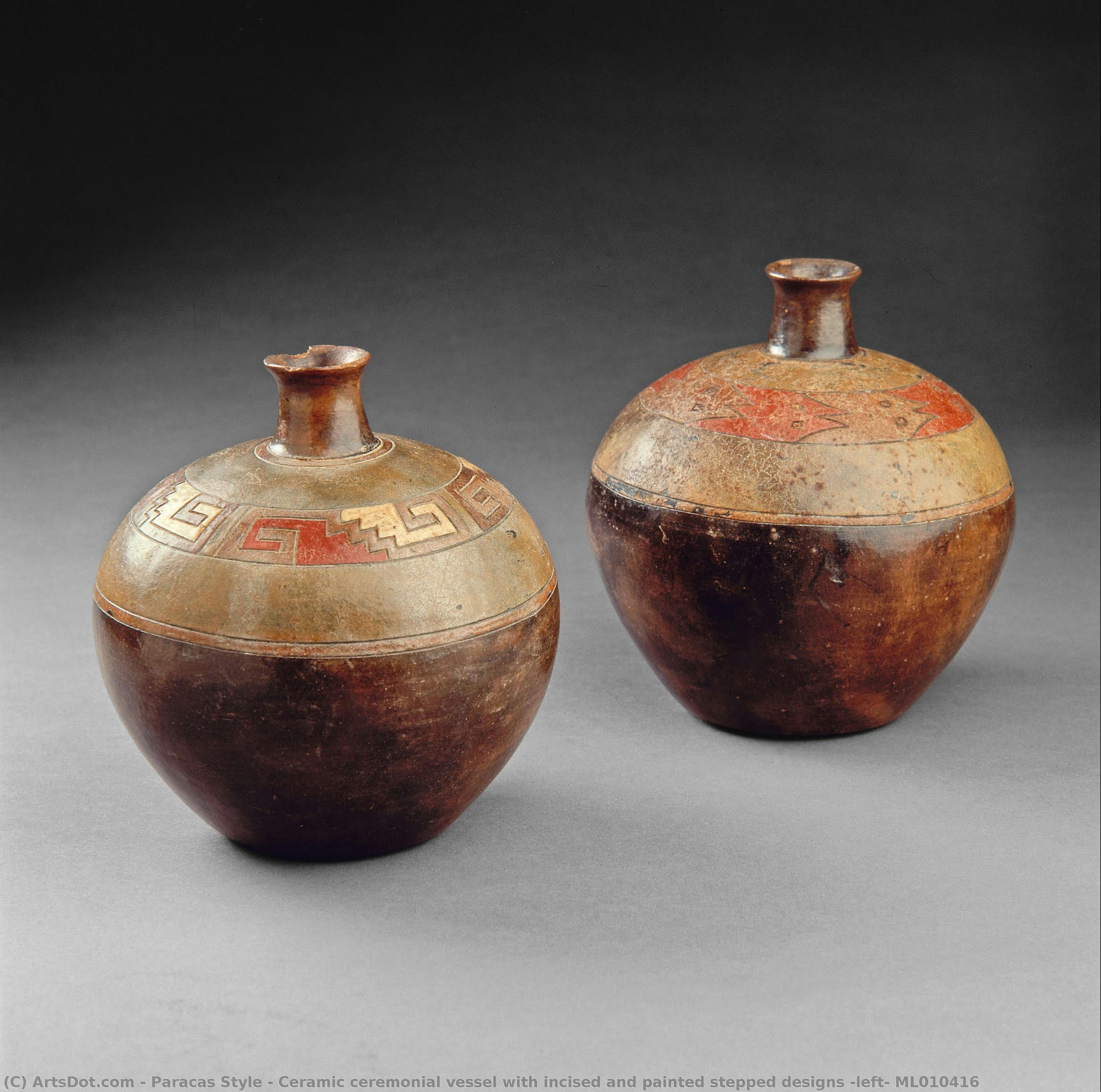
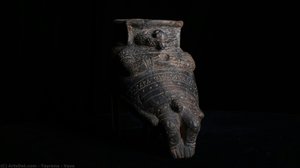
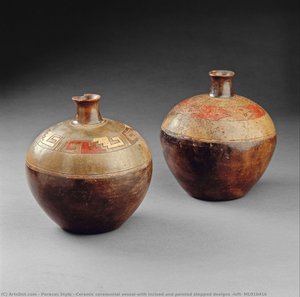
Ceramic ceremonial vessel with incised and painted stepped designs (left) ML010416
 Paracas Style
 1250
1250 16.0 x 15.0 cm
 Museo Larco
 Читать далее
Приобретите цифровое изображение высокого разрешения в улучшенном качестве, которое значительно превосходит онлайн-превью.
Каждый файл тщательно подготавливается нашими специалистами с использованием передовых инструментов и экспертной ручной ретуши. Мы гарантируем исключительную четкость, точную цветопередачу и детальную проработку каждого изображения.
Финальный файл доставляется по электронной почте в течение 72 часов и оптимизирован для немедленного использования в профессиональной среде, при верстке и печати. Это тот же уровень качества, которому доверяют ведущие дизайнерские студии, издательства и галереи.
Цифровое изображение
Скачайте файл высокого разрешения для личного использования, печати и творческих проектов. ( Перейти к печати Купить картину ручной работы)
Включено в каждый заказ цифровых изображений
Гарантия экспертной цифровой доставки
Выбирая ArtsDot.com, вы получаете не просто изображение — вы приобретаете профессионально обработанное цифровое произведение искусства, созданное с безупречной точностью и под защитой гарантии качества. Вот всё, что автоматически входит в ваш заказ:

Мгновенная доставка по e-mail
Ваш цифровой файл в высоком разрешении будет отправлен вам по электронной почте в течение 72 часов после оформления заказа — и сразу станет доступен для использования.

Цифровой файл с ИИ-улучшением
Ваше произведение искусства проходит профессиональную оптимизацию с использованием передовых инструментов ИИ и ручной обработки, что гарантирует максимальную детализацию, четкость и точность цветопередачи.

Бессрочная бесплатная повторная доставка
Случайно удалили или потеряли файл? Не беспокойтесь — мы отправим его вам повторно в любое время и совершенно бесплатно.

Без импортных пошлин — навсегда
Наслаждайтесь вашим произведением искусства мгновенно без таможенных пошлин, сборов или затрат на доставку — цифровые загрузки всегда не облагаются налогом.

Гарантия точности цветопередачи
Мы гарантируем, что ваше цифровое изображение максимально точно передает оригинальные цвета благодаря использованию профессиональных инструментов и систем управления цветом.

Гарантия удовлетворенности 100 дней
Если вы не будете удовлетворены своим цифровым изображением, мы внесем правки или вернем 100% стоимости в течение 100 дней — без лишних вопросов.

100% Гарантия возврата средств
Не удовлетворены покупкой? Получите полный возврат средств в течение 100 дней после получения цифрового файла — без лишних вопросов.

Скидки на оптовые заказы
Купите 3 изображения, сэкономьте 10% — Купите 5, сэкономьте 15% — Купите 10+, сэкономьте 20%. Отличное решение для творческих проектов, галерей и агентств.
Похожие произведения
Биография художника
The Enigmatic World of the Paracas Style
Long before the rise of the Inca, along the arid coast of Peru, flourished a civilization known as the Paracas culture (approximately 800 BCE – 100 BCE). While much remains shrouded in mystery—their name itself derives from the local Quechua term for “sand,” reflecting their association with the desert landscape—the legacy of the Paracas people endures through their breathtaking artistry, particularly their textiles and ceramics. They weren’t a unified empire but rather a collection of communities sharing remarkably consistent artistic traditions, leaving behind a visual language that speaks volumes about their beliefs, rituals, and mastery of craft.
A Culture Defined by Burial Rituals
Our understanding of the Paracas is inextricably linked to their elaborate burial practices. The discovery of numerous necropolises—vast cemeteries containing hundreds of mummified individuals wrapped in layers of exquisitely crafted textiles—provided archaeologists with an unprecedented glimpse into this ancient society. These weren’t simple interments; they were carefully orchestrated events, reflecting a profound reverence for the deceased and a complex cosmology. The Paracas Cavernas, shaft tombs dug into the hillsides, reveal that these burial sites were reused over centuries, suggesting evolving beliefs surrounding ancestor veneration. The sheer quantity of textiles found within these tombs—some containing hundreds of individual pieces—highlights their importance in Paracas life, likely serving not only as shrouds but also as symbols of status and spiritual protection.
The Art of Weaving: Linear and Block Styles
Paracas textiles are renowned for their vibrant colors, intricate designs, and exceptional preservation. The arid climate of the Peruvian coast allowed these delicate works to survive remarkably intact, offering a window into the artistic sensibilities of this ancient culture. Two distinct styles have been identified: the Linear Style and the Block Color Style. The Linear Style, appearing earlier (around 800-300 BCE), is characterized by complex, flowing designs created using fine lines to depict mythical creatures, human figures, and geometric patterns. These images often portray scenes of ritual activity, including shamanic journeys and sacrifices. The later Block Color Style (approximately 300 BCE – 100 CE) features bolder, more simplified forms rendered in large blocks of color. While less detailed than the Linear Style, it is equally striking for its dynamic compositions and symbolic power. Both styles demonstrate an extraordinary level of technical skill, employing complex weaving techniques to create intricate patterns and vibrant hues derived from natural dyes.
Ceramics as a Canvas for Belief
While textiles are arguably their most famous achievement, the Paracas were also skilled ceramicists. Their pottery, often painted after firing with mineral pigments, showcases similar motifs and stylistic elements found in their weavings. Vessels frequently depict anthropomorphic figures—often with feline features—engaged in ritualistic activities or representing deities. The Feline-shaped spout-and-bridge bottle, for example, exemplifies the Paracas artists’ ingenuity and ability to imbue everyday objects with symbolic meaning. These ceramics weren't merely functional; they were likely used in ceremonies and offerings, serving as vessels for communicating with the spirit world. The use of vibrant colors—a departure from the darker hues prevalent in other Andean cultures of the time—further emphasizes their unique artistic vision.
Legacy and Historical Significance
The Paracas culture eventually gave way to the Nazca civilization, but their artistic influence continued to resonate throughout the region. The motifs and techniques developed by the Paracas were adopted and adapted by subsequent cultures, shaping the aesthetic landscape of ancient Peru. Their mastery of textile art—a skill that required immense knowledge of materials, dyes, and weaving techniques—stands as a testament to their ingenuity and cultural sophistication. Today, Paracas textiles are celebrated as masterpieces of pre-Columbian art, offering invaluable insights into the beliefs, rituals, and artistic traditions of a civilization lost to time. The Paracas Candelabra, a massive geoglyph etched into the desert landscape, serves as a lasting symbol of their presence—a silent guardian overlooking the sands that hold the secrets of this enigmatic culture.
Основные сведения
- Artistic Movement Or Style: Ancient Peruvian textiles
- Full Name: Paracas Style
- Nationality: Peru
- Notable Artworks:
- Feline-shaped spout bottle
- Candelabra of the Andes
- Ceremonial vessel with designs