

 Предпросмотр
 Поделиться
 Поделиться
 Детали произведения

 Скачать
 Похожие работы
 Рентгенография
 Слайд-шоу
 Статистика
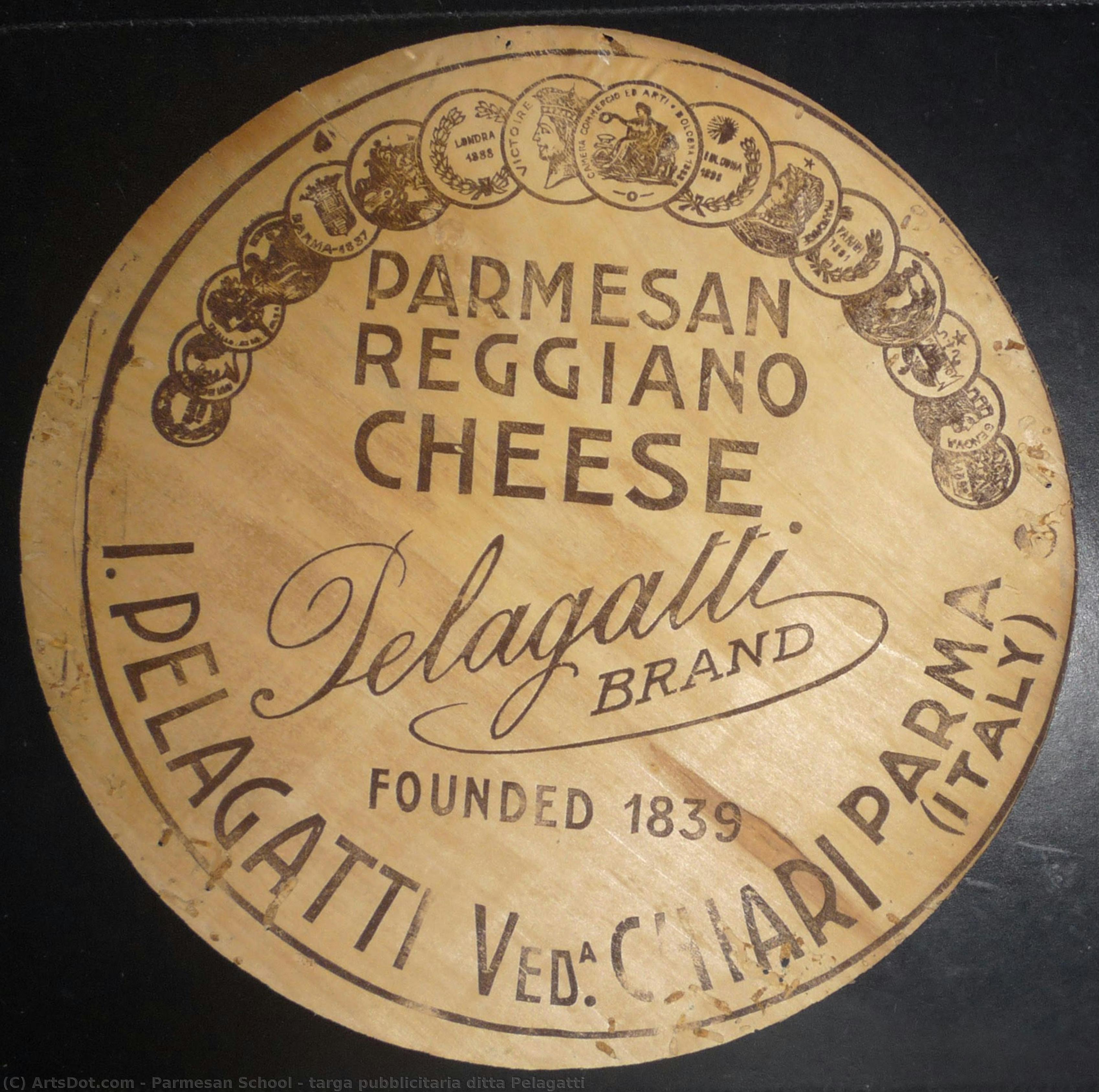
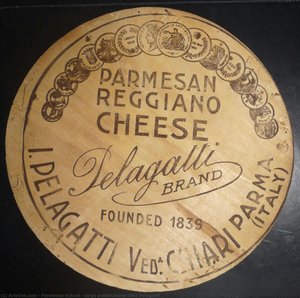
targa pubblicitaria ditta Pelagatti


 Читать далее
Жикле / Арт-принт
Печать (жикле) или холст музейного качества с быстрыми сроками изготовления и широким выбором вариантов отделки. ( Купить картину ручной работы Перейти к цифровым изображениям)




































Выберите один из наших стандартных размеров, соответствующих оригинальным пропорциям произведения искусства.

Вы можете указать свои собственные размеры, чтобы репродукция идеально подошла под конкретную раму или пространство. Если выбранный вами размер не будет соответствовать пропорциям оригинала, мы либо обрежем произведение, либо дополним изображение зеркальным отражением краев или однотонной заливкой. Перед началом производства вам будет отправлен цифровой макет для утверждения.
Пожалуйста, обратите внимание, что предварительный просмотр на экране не отображает фактическую обрезку или расширение изображения. Только макет точно покажет финальную композицию.
Несмотря на возможность заказа индивидуальных размеров, мы рекомендуем выбирать размер из предопределенного списка, чтобы сохранить оригинальные пропорции.
Доставка по всему миру () за 2 недели вместо стандартных 4/5 недель. (13 Сентябрь)

Бесплатная экспресс-доставка по всему миру

Высококачественный льняной холст

Полное страхование доставки

Гарантия возмещения таможенных пошлин

Гарантия точного соответствия цветов

100-дневная политика возврата (только при обнаружении дефектов)

Гарантия возврата 100% средств

Предложение оптовых скидок
 Вариант со стеклом доступен только для размеров менее 110 см

targa pubblicitaria ditta Pelagatti
Жикле / Арт-принт
Размер репродукции
-


Итоговая стоимость
$ 62
A Rustic Legacy Carved in Wood
In the heart of Italy’s rich culinary landscape, there exists a profound connection between craftsmanship and tradition that transcends mere food production. The targa pubblicitaria ditta Pelagatti serves as a breathtaking window into this heritage, presenting a piece that is far more than a simple advertisement. This round wooden plaque, meticulously pirografed, captures the very essence of the Parmigiano-Reggiano tradition. At first glance, the viewer is struck by the warmth of the aged plywood, which carries the rustic, weathered texture of a historical artifact. The central focus is the elegant, stylized typography that announces the Pelagatti name, surrounded by a delicate dance of script and insignia that evokes the golden age of Italian artisanal commerce.
The technique employed here—pyrography—adds a layer of tactile depth to the work. By using heat to burn designs into the wood, the artist has created a permanent, scorched elegance that mimics the look of antique seals and vintage postage stamps. This method allows for a beautiful interplay of light and shadow, where the dark, charred lines contrast sharply against the natural grain of the timber. The presence of various medallions and commemorative marks suggests a long history of excellence, acting as a visual testament to the awards and honors earned by the Pelagatti firm since its foundation in 1839. Each scorched detail tells a story of prestige, quality, and an unwavering commitment to the standards of the Parma region.
Symbolism and the Spirit of Tradition
Beyond its physical form, this piece is steeped in the symbolism of authenticity and continuity. The circular shape of the plaque mirrors the iconic wheels of Parmigiano-Reggiano cheese itself, creating a poetic loop between the medium and the message. To hold this piece in one's gaze is to experience the nostalgia of a bygone era, where every product bore a unique mark of its origin and maker. The inclusion of the date 1839 serves as an anchor to the past, grounding the viewer in a lineage of mastery that has survived through centuries of change. It represents not just a brand, but a cultural identity that is deeply rooted in the soil of Italy.
Похожие произведения


Биография художника
Girolamo Francesco Maria Mazzola – A Life Shaped by Art and Intrigue
Born in Parma in 1503, Girolamo Francesco Maria Mazzola, known to the world as Parmigianino (the “Little Parmesan”), was a figure of extraordinary talent and turbulent fortune. His early life, steeped in artistic influence, laid the foundation for a career that would revolutionize Italian painting – though not without significant personal hardship. His father, Filippo Mazzola, a modest artist himself, instilled in his son a love for art, while his uncles, Michele and Pier Ilario, further nurtured his abilities through commissions and apprenticeships within Parma’s vibrant artistic community. This environment exposed young Parmigianino to the burgeoning styles of Correggio and other masters, shaping his developing aesthetic sensibilities from an early age.
Parmigianino's prodigious talent manifested remarkably quickly. By 1522, he was already undertaking ambitious fresco projects in Parma’s S. Giovanni Evangelista church, demonstrating a sophisticated understanding of perspective and composition – hallmarks that would become central to his distinctive style. These early works showcased an innate ability to capture movement, emotion, and the subtle nuances of human form, hinting at the groundbreaking innovations he would later introduce into the art world.
The Rise of Mannerism: A Departure from Tradition
Parmigianino’s artistic journey coincided with the rise of Mannerism – a style that deliberately challenged the established conventions of High Renaissance painting. Rejecting the balanced compositions and idealized forms of Raphael and Michelangelo, Mannerist artists embraced elongated figures, distorted perspectives, complex spatial arrangements, and an emphasis on elegance and sensuality. Parmigianino was at the forefront of this movement, pushing its boundaries with unprecedented boldness.
His early work in Rome (1524-27) reflected the influence of Raphael and Michelangelo, but quickly evolved into something uniquely his own. The Self-Portrait in a Convex Mirror (1524), now housed in Vienna’s Kunsthistorisches Museum, is arguably the defining image of this period. It's not merely a portrait; it’s a carefully constructed illusion, a theatrical exploration of perspective and self-awareness that established Parmigianino as a pioneer of Mannerist innovation. The painting’s unsettling beauty and psychological depth captivated viewers and signaled a radical departure from traditional portraiture.
Key Works: Visionary Landscapes and Erotic Sensuality
Parmigianino's artistic output spanned a wide range of subjects, but he is particularly renowned for his visionary landscapes and intensely sensual depictions of mythological and religious figures. The Vision of Saint Jerome (1526-7), housed in the National Gallery in London, exemplifies his mastery of spatial illusion and dramatic lighting. The scene unfolds within a seemingly infinite space, creating a profound sense of mystery and spiritual intensity. His later works, such as the Madonna with the Long Neck (1534), further explored this fascination with elongated forms and distorted perspectives, resulting in images that are both captivatingly beautiful and subtly unsettling.
Other notable achievements include his erotic depiction of Cupid carving his bow (1535) – a testament to his willingness to challenge conventional morality – and a series of portraits characterized by their elegance, sophistication, and psychological insight. His influence extended beyond Italy, shaping the artistic sensibilities of artists in France, particularly those associated with the Fontainebleau School.
A Turbulent Legacy: Imprisonment and Artistic Decline
Despite his extraordinary talent, Parmigianino’s career was marked by instability and misfortune. The Sack of Rome in 1527 disrupted his plans and led to a period of exile. He returned to Parma in 1530 but faced financial difficulties and ultimately fell into debt after failing to complete a major fresco commission. This culminated in his imprisonment in 1539, a devastating blow that effectively ended his artistic career.
Parmigianino died in Casalmaggiore near Parma in 1540, at the age of 37. His untimely death robbed the art world of a truly exceptional talent – one who pushed the boundaries of painting and left an enduring legacy as a pioneer of Mannerism. His work continues to fascinate and inspire artists and viewers alike, celebrated for its technical brilliance, psychological depth, and profound sense of beauty.
parmesan school
Italy
Основные сведения
- Artistic Movement Or Style: Mannerism
- Artists Or Movements Influenced By This Artist:
- Niccolò dell'Abate
- French art (Fontainebleau)
- Artists Who Influenced This Artist:
- Correggio
- Raphael
- Michelangelo
- Date Of Birth: 11 Jan 1503
- Date Of Death: 24 Aug 1540
- Full Name: Girolamo Francesco Maria Mazzola
- Nationality: Italian
- Notable Artworks:
- Self-Portrait in a Convex Mirror
- Vision of St Jerome
- Madonna with the Long Neck
- Place Of Birth: Parma, Italy
Похожие статьи
Текстурированные отпечатки на : Имитация масляной живописи для искушенных коллекционеров
предлагает эксклюзивные текстурные отпечатки, идеально имитирующие масляную живопись. Высокое качество, ручная работа и персонализация для искушенных коллекционеров.
Echoes of Time: Nostalgia, Technique & Cultural Significance in Vintage Paintings
Explore the captivating world of vintage paintings! Discover key styles, cultural significance & collecting tips from art experts at ArtsDot. Find authentic reproductions and elevate your home décor.
Макс Эрнст: 25 шедевров сюрреализма для ценителей искусства и декора интерьера
Погрузитесь в мир сюрреализма с Максом Эрнстом! 25 культовых картин, раскрывающих тайны подсознания и новаторские техники. Репродукции высокого качества для вашего интерьера на ArtsDot.com. Откройте всю коллекцию онлайн!
The Tactile Canvas: Exploring Texture as Subject, Materiality & Meaning in Art History
Explore the rich history of texture in art! Discover how artists from Van Gogh to contemporary masters use materiality & technique to create captivating tactile experiences. Deepen your art appreciation with ArtsDot.
Echoes of Time: Exploring the Enduring Appeal of Vintage Artwork
Explore the captivating world of vintage art! Discover its history, enduring appeal, & how to build your own collection. Expert advice, custom reproductions & museum-quality prints at ArtsDot.