

 Предпросмотр
 Поделиться
 Поделиться
 Детали произведения

 Скачать
 Похожие работы
 Рентгенография
 Слайд-шоу
 Статистика
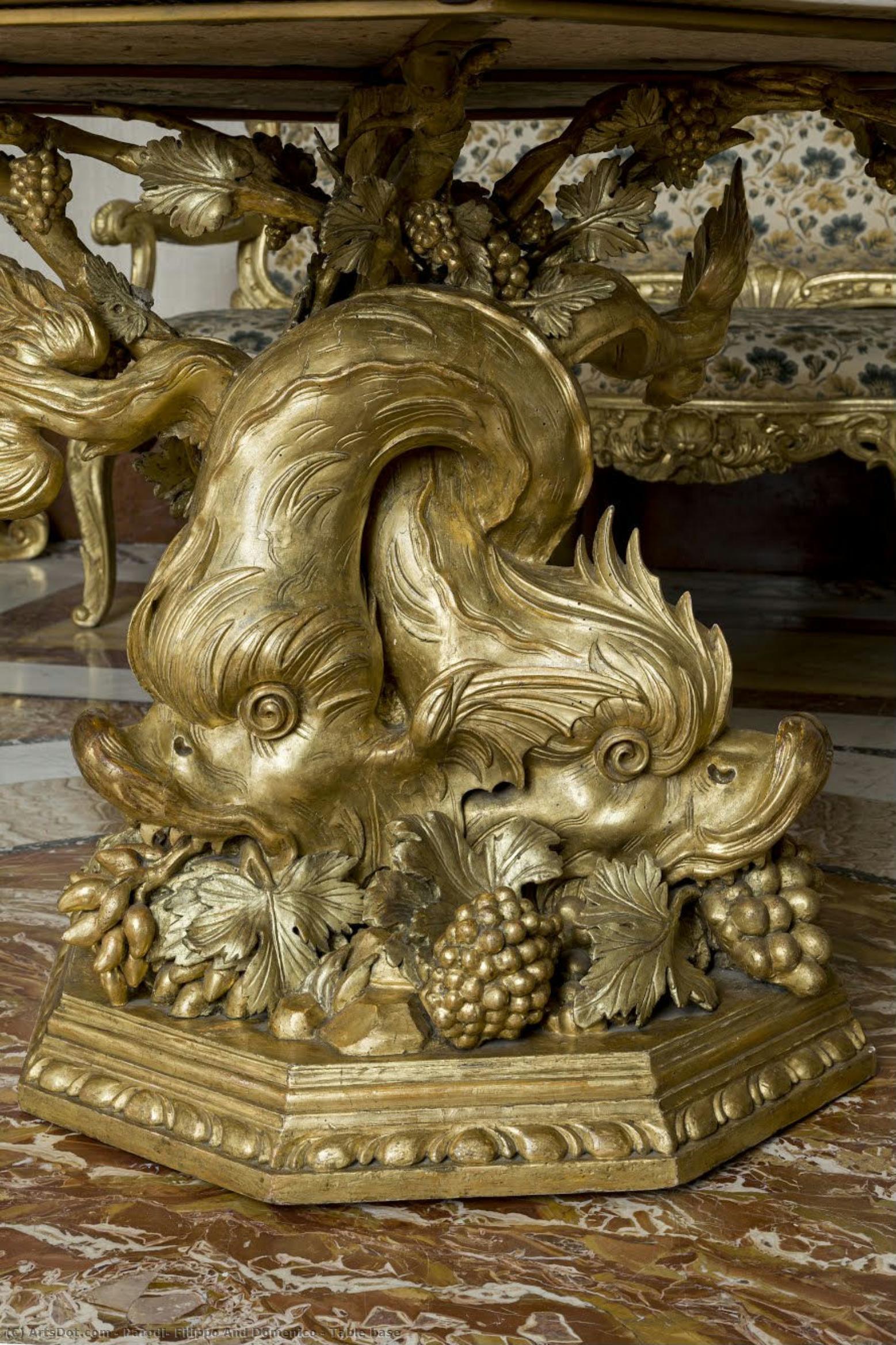
Table base


 Читать далее
Приобретите цифровое изображение высокого разрешения в улучшенном качестве, которое значительно превосходит онлайн-превью.
Каждый файл тщательно подготавливается нашими специалистами с использованием передовых инструментов и экспертной ручной ретуши. Мы гарантируем исключительную четкость, точную цветопередачу и детальную проработку каждого изображения.
Финальный файл доставляется по электронной почте в течение 72 часов и оптимизирован для немедленного использования в профессиональной среде, при верстке и печати. Это тот же уровень качества, которому доверяют ведущие дизайнерские студии, издательства и галереи.
Цифровое изображение
Скачайте файл высокого разрешения для личного использования, печати и творческих проектов. ( Перейти к печати Купить картину ручной работы)
Включено в каждый заказ цифровых изображений
Гарантия экспертной цифровой доставки
Выбирая ArtsDot.com, вы получаете не просто изображение — вы приобретаете профессионально обработанное цифровое произведение искусства, созданное с безупречной точностью и под защитой гарантии качества. Вот всё, что автоматически входит в ваш заказ:

Мгновенная доставка по e-mail
Ваш цифровой файл в высоком разрешении будет отправлен вам по электронной почте в течение 72 часов после оформления заказа — и сразу станет доступен для использования.

Цифровой файл с ИИ-улучшением
Ваше произведение искусства проходит профессиональную оптимизацию с использованием передовых инструментов ИИ и ручной обработки, что гарантирует максимальную детализацию, четкость и точность цветопередачи.

Бессрочная бесплатная повторная доставка
Случайно удалили или потеряли файл? Не беспокойтесь — мы отправим его вам повторно в любое время и совершенно бесплатно.

Без импортных пошлин — навсегда
Наслаждайтесь вашим произведением искусства мгновенно без таможенных пошлин, сборов или затрат на доставку — цифровые загрузки всегда не облагаются налогом.

Гарантия точности цветопередачи
Мы гарантируем, что ваше цифровое изображение максимально точно передает оригинальные цвета благодаря использованию профессиональных инструментов и систем управления цветом.

Гарантия удовлетворенности 100 дней
Если вы не будете удовлетворены своим цифровым изображением, мы внесем правки или вернем 100% стоимости в течение 100 дней — без лишних вопросов.

100% Гарантия возврата средств
Не удовлетворены покупкой? Получите полный возврат средств в течение 100 дней после получения цифрового файла — без лишних вопросов.

Скидки на оптовые заказы
Купите 3 изображения, сэкономьте 10% — Купите 5, сэкономьте 15% — Купите 10+, сэкономьте 20%. Отличное решение для творческих проектов, галерей и агентств.
Похожие произведения





Биография художника
Rembrandt Harmenszoon van Rijn: A Life Illuminated
Rembrandt, a name synonymous with profound emotion and masterful technique, stands as one of the towering figures in Western art history. Born in Leiden on July 15, 1606, into a family of modest means – his father was a draper and later an innkeeper – Rembrandt’s journey to artistic greatness was marked by both struggle and unparalleled achievement. His early life offered little indication of the brilliance that would emerge; he apprenticed as a pigment grinder before dedicating himself fully to painting around 1625, initially producing genre scenes and portraits for a local clientele. The bustling city of Leiden provided an initial training ground, exposing him to the prevailing artistic trends of the time, including the influence of Peter Paul Rubens’ dramatic compositions and Caravaggio's revolutionary use of light and shadow. However, it was in Amsterdam, beginning around 1631, that Rembrandt truly found his voice, establishing himself as a leading artist within the city’s thriving art market.Early Works and the Development of Style
Rembrandt's early career was characterized by a diligent exploration of various genres – portraits, biblical scenes, mythological subjects, and genre paintings depicting everyday life. His *Storming of the City of Dansevuur* (1639), a dramatic depiction of a naval battle, showcases his burgeoning skill in composition and use of light, foreshadowing the intensity that would define much of his later work. During this period, he was heavily influenced by the Baroque style prevalent in the Netherlands, particularly the works of Rubens and Frans Hals. However, Rembrandt quickly distinguished himself through his innovative approach to chiaroscuro – the dramatic contrast between light and dark – a technique borrowed from Caravaggio but developed with a uniquely personal intensity. He wasn’t merely employing darkness for effect; he used it to sculpt form, to evoke mood, and to draw the viewer into the emotional core of his subjects. His portraits, in particular, began to reveal a remarkable ability to capture not just physical likenesses but also the inner lives and personalities of his sitters.The Golden Age of Rembrandt
The 1640s and 50s represent the apex of Rembrandt’s artistic career. During this period, he produced some of his most celebrated works, including *The Night Watch* (1642), a monumental group portrait of Amsterdam civic militia that revolutionized the genre with its dynamic composition, dramatic lighting, and psychological depth. He also painted iconic biblical scenes such as *The Return of the Prodigal Son* (1669) and *The Descent from the Cross* (c. 1653), imbued with profound emotional resonance and a masterful understanding of human suffering and redemption. Rembrandt’s exploration of light became increasingly sophisticated, utilizing subtle gradations of tone to create an almost palpable sense of atmosphere and depth. His use of impasto – applying paint thickly to the canvas – added texture and physicality to his works, further enhancing their expressive power.Later Years and Artistic Innovation
As Rembrandt entered his later years, he continued to experiment with new techniques and approaches. He increasingly focused on self-portraits, offering a poignant reflection of his aging face and evolving artistic vision. These late self-portraits are not merely depictions of physical appearance; they are profound meditations on time, mortality, and the artist’s own creative process. He also explored etching with renewed vigor, producing a vast body of prints that demonstrated his remarkable technical skill and his willingness to push the boundaries of the medium. Despite facing financial difficulties in his final years – exacerbated by extravagant spending and a large family – Rembrandt remained committed to his art until his death on October 4, 1669. His later works, often characterized by a darker palette and a more introspective mood, are nonetheless considered masterpieces of profound emotional depth and artistic integrity.Legacy and Historical Significance
Rembrandt’s influence on the course of Western art is immeasurable. He is revered as one of the greatest painters in history, admired for his unparalleled mastery of light and shadow, his psychological insight, and his ability to capture the essence of human experience. His innovations in portraiture, biblical painting, and etching paved the way for future generations of artists. His work continues to resonate with audiences today, offering a timeless exploration of themes such as faith, suffering, redemption, and the complexities of the human condition. Rembrandt’s legacy extends beyond his individual works; he established a new standard for artistic expression, demonstrating that art could be both technically brilliant and profoundly emotionally moving. He remains an enduring symbol of artistic genius and a testament to the power of the human spirit.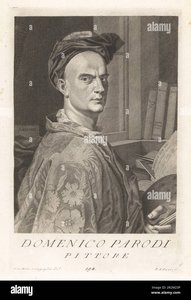
parodi, filippo and domenico
1630 - 1702 , Italy
Основные сведения
- Artistic Movement Or Style: Baroque/Early Modern
- Artists Or Movements Influenced By This Artist:
- Romanticism
- Realism
- Artists Who Influenced This Artist:
- Jacob Jordaens
- Peter Paul Rubens
- Date Of Birth: 1630
- Date Of Death: 1702
- Full Name: Rembrandt Harmenszoon van Rijn
- Nationality: Dutch
- Notable Artworks:
- The Night Watch
- The Anatomy Lesson
- Self-Portrait with Saskia
- Place Of Birth: Leiden, Netherlands