

 Предпросмотр
 Поделиться
 Поделиться
 Детали произведения

 Скачать
 Похожие работы
 Рентгенография
 Слайд-шоу
 Статистика
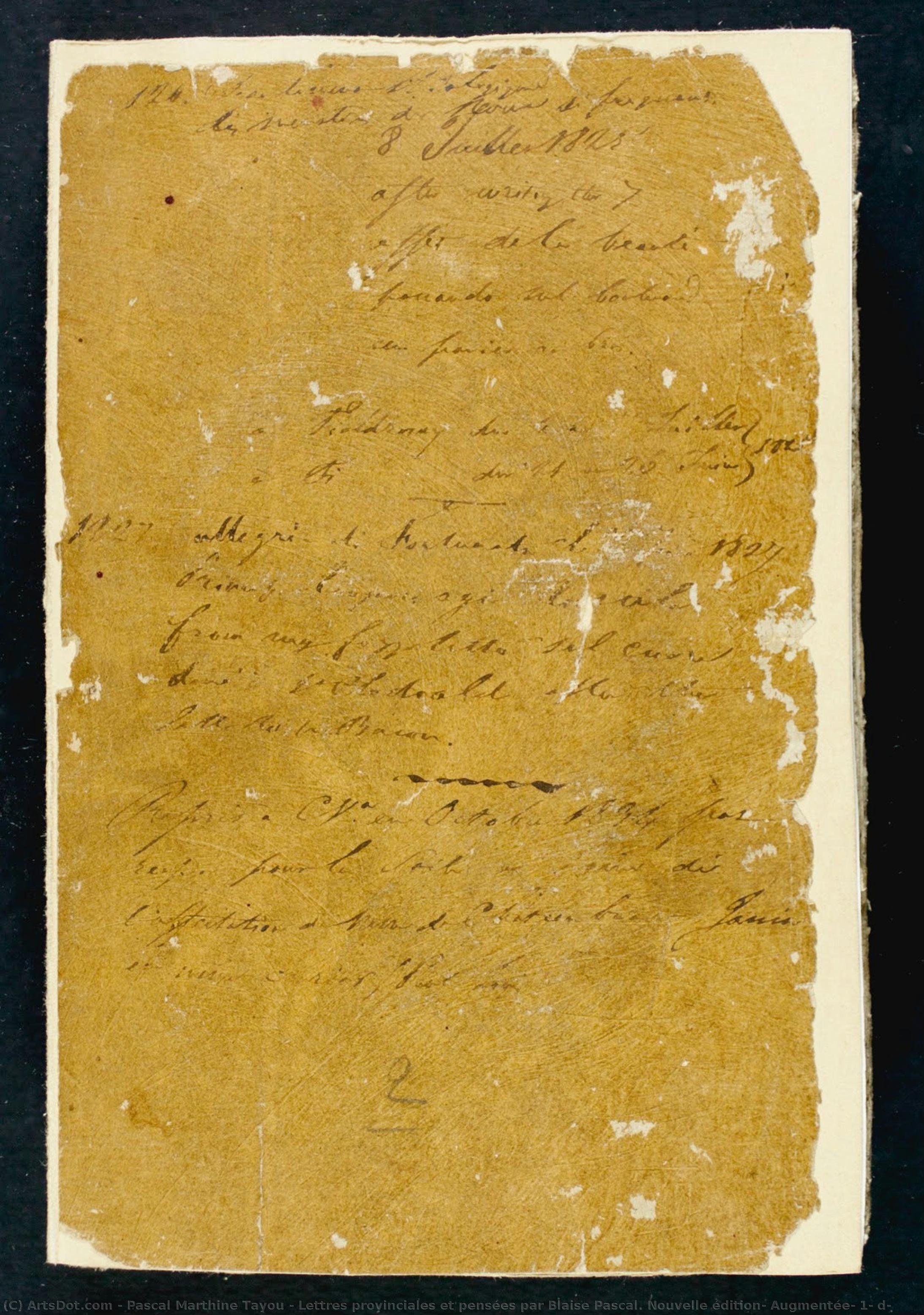
Lettres provinciales et pensées par Blaise Pascal. Nouvelle édition, Augmentée, 1° d


 Читать далее
Масляная репродукция ручной работы
Картина маслом на холсте в выбранном вами размере и раме, написанная на заказ нашими художниками. ( Перейти к печати Перейти к цифровым изображениям)




P118B $10

P118H $10

P118W $10

P438Z $10

P508JH $12

P508YH $12

P805H $10

P805Z $10

P919BZ $10

P919G $10

P919XJ $10

P959ZH $10

P968JZ $12

W106C $8

W218G $10

W218JH $8

W218Y $10

W307PJ $10

W316G $10

W316PJ $8

W316Y $10

W398PJ $8

W4111J $10

W500HY $15

W500JH $15

W692G $12

W849H $8

W940BG $15

W953PJ $8




Выберите один из наших стандартных размеров, соответствующих оригинальным пропорциям произведения искусства.

Вы можете указать собственные размеры, чтобы картина идеально вписалась в выбранную раму или пространство. Если выбранный вами размер не соответствует пропорциям оригинала, мы либо обрежем полотно, либо расширим его за счет дополнительных элементов, написанных вручную. Цифровой макет будет отправлен вам на утверждение перед началом производства.
Обратите внимание, что предварительный просмотр на экране не отражает фактическую обрезку или расширение. Только макет точно покажет окончательную композицию.
Хотя доступны индивидуальные размеры, мы рекомендуем выбирать вариант из предопределенного списка, чтобы сохранить исходные пропорции.
После оформления заказа команда ArtsDot.com свяжется с клиентом по электронной почте для уточнения деталей и предоставит предварительный макет
Доставка по всему миру () за 3–4 недели вместо стандартных 5 недель. (11 Сентябрь). Без компромиссов в качестве.

Бесплатная экспресс-доставка по всему миру

Высококачественный льняной холст

Полное страхование доставки

Гарантия возмещения таможенных пошлин

Гарантия точного соответствия цветов

100-дневная политика возврата (только при обнаружении дефектов)

Гарантия возврата 100% средств

Предложение оптовых скидок
 Вариант со стеклом доступен только для размеров менее 110 см

Lettres provinciales et pensées par Blaise Pascal. Nouvelle édition, Augmentée, 1° d
Техника репродукции
Размер репродукции
-


Итоговая стоимость
$ 263
A Whisper from the Past: The Poetics of Memory
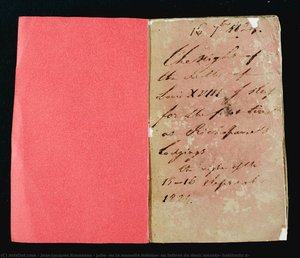
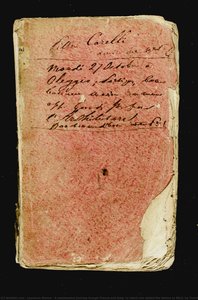
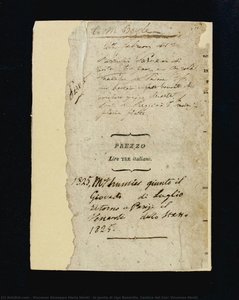
In the evocative piece Lettres provinciales et pensées par Blaise Pascal, the viewer is invited into an intimate encounter with the tactile essence of history. At first glance, the work presents us with a close-up view of aged, yellowed parchment, its surface bearing the beautiful scars of time. The paper appears weathered and worn, as if it has survived centuries of shifting climates and quiet preservation in forgotten libraries. This sense of antiquity is not merely a visual trait but an emotional invitation to contemplate the passage of time itself. The delicate, cursive script dancing across the page suggests a human hand—a ghost of a writer long gone—connecting the contemporary observer to the profound intellectual legacies of the past.
The aesthetic power of this work lies in its profound simplicity and its ability to evoke nostalgia through texture and tone. There is a quiet, meditative quality to the composition; it does not shout for attention but rather whispers secrets of a bygone era. For the collector or interior designer, this piece serves as a sophisticated anchor in a room, offering a sense of groundedness and intellectual depth. It functions beautifully within spaces that celebrate classical elegance, vintage charm, or even minimalist settings where a single, evocative focal point can transform the atmosphere of an entire gallery or study.
The Intersection of Text and Texture
While the subject matter references the profound philosophical writings of Blaise Pascal, the true mastery of this work lies in its treatment of medium and materiality. The artist utilizes a palette of warm ochres, sepia tones, and faded creams to recreate the organic decay of old paper. This careful attention to the nuances of discoloration—the subtle mottling and the unevenness of the parchment—creates a three-dimensional illusion that transcends the flat surface of the canvas. The way light seems to interact with the perceived grain of the paper adds a layer of complexity, making the piece feel less like a reproduction and more like a rediscovered relic.
Symbolically, the work explores the tension between the permanence of ideas and the fragility of their physical vessels. While the words of Pascal represent enduring human thought, the decaying paper reminds us of the ephemeral nature of all material things. This duality creates a poignant emotional impact, stirring feelings of reverence for history and a bittersweet recognition of mortality. For those seeking to curate an environment of reflection and wisdom, this artwork provides a window into the soul of human intellect, making it an incomparable choice for high-end reproductions intended to inspire awe and contemplation.
Похожие произведения
Биография художника
A Cosmopolitan Vision: The Life and Art of Pascal Marthine Tayou
Pascal Marthine Tayou is a contemporary artist whose work defies easy categorization, existing at the intersection of sculpture, installation, painting, and performance. Born in Douala, Cameroon, in 1967, Tayou’s artistic journey has been profoundly shaped by his experiences navigating multiple cultural landscapes. He spent much of his childhood between Cameroon and Belgium, a duality that instilled within him a unique perspective – one informed by both the vibrant traditions of Africa and the intellectual currents of Europe. This early exposure to contrasting worlds became a foundational element in his art, fueling a lifelong exploration of globalization, migration, identity, and the complexities of postcolonial existence. He initially studied English literature before pursuing fine arts at the Royal Academy of Fine Arts in Düsseldorf, Germany, under the tutelage of renowned artist Jannis Kounellis. This formal training provided him with technical skills but also encouraged a conceptual approach to artmaking that would become his hallmark. Tayou’s work doesn't simply *represent* these themes; it embodies them through its very materiality and process.From Found Objects to Global Narratives
Tayou first gained recognition in the 1990s for his sculptures constructed from discarded materials – plastic bottles, bicycle parts, furniture fragments – sourced from both Africa and Europe. These assemblages weren’t merely aesthetic exercises; they were potent commentaries on consumerism, waste, and the flow of goods between continents. He transformed these overlooked objects into intricate structures that often resembled architectural forms or fantastical creatures, imbuing them with new life and meaning. His early work directly addressed issues of economic disparity and environmental degradation, highlighting the impact of global trade on local communities. A key aspect of his practice is the deliberate use of color; vibrant hues borrowed from African textiles and markets are applied to these found objects, creating a visual tension between the mundane and the celebratory. This juxtaposition challenges viewers to reconsider their perceptions of value and beauty. He often incorporates elements of playfulness into his sculptures, inviting interaction and prompting reflection on the relationship between art and everyday life.Expanding the Scope: Installations and Performance
As Tayou’s career progressed, his artistic scope expanded beyond sculpture to encompass large-scale installations and performance art. His installations frequently transform gallery spaces into immersive environments that evoke bustling marketplaces or imagined landscapes. These works often incorporate sound, light, and scent, creating a multi-sensory experience for the viewer. He is known for his “Muses” – life-sized figures crafted from plastic dolls, often arranged in elaborate tableaux that explore themes of femininity, identity, and cultural representation. These installations are not static displays but rather dynamic spaces that encourage dialogue and participation. Tayou’s performance art further blurs the boundaries between artist, artwork, and audience. He frequently engages with local communities in his performances, creating collaborative works that address social and political issues.Influences and Artistic Development
Tayou's artistic development has been influenced by a diverse range of sources. The work of Marcel Duchamp and the Readymade movement played a significant role in shaping his conceptual approach to artmaking, encouraging him to question traditional notions of authorship and originality. He also draws inspiration from African traditions of storytelling, ritual, and craftsmanship.- The vibrant markets of Douala, with their abundance of color and texture, are a recurring motif in his work.
- He is fascinated by the history of colonialism and its lasting impact on Africa, often incorporating historical references into his art.
- His engagement with globalization and migration has led him to explore themes of identity and belonging.
Historical Significance and Legacy
Pascal Marthine Tayou’s work has garnered international acclaim for its insightful commentary on contemporary issues and its innovative use of materials and techniques. He has exhibited extensively in museums and galleries around the world, including the Venice Biennale, Documenta, and the Tate Modern. His art challenges viewers to confront uncomfortable truths about globalization, colonialism, and economic inequality, prompting critical reflection on the complexities of our interconnected world. Tayou’s legacy lies not only in his aesthetically compelling artworks but also in his commitment to social justice and cultural exchange. He has established artist-run spaces in Cameroon and other African countries, providing platforms for emerging artists and fostering a vibrant artistic community. His work continues to inspire a new generation of artists to engage with the pressing issues of our time and to explore the power of art as a catalyst for change.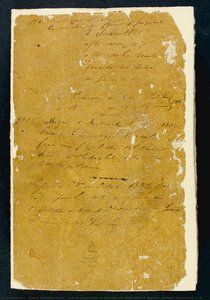
Основные сведения
- Artistic Movement Or Style: Contemporary Art, Installation
- Date Of Death: Living
- Full Name: Pascal Marthine Tayou
- Notable Artworks:
- Météo Vive
- Beautiful People
- Down to Earth
Похожие статьи
Топ-10 знаменитых картин в охристых тонах: искусство и декор от ArtsDot
Погрузитесь в мир искусства с 10 знаменитыми картинами, где доминирует охристый цвет! Узнайте истории Ван Гога, Моне и других мастеров. Репродукции высокого качества для вашего интерьера от ArtsDot.com. Откройте всю коллекцию онлайн!
Echoes of Time: Nostalgia, Technique & Cultural Significance in Vintage Paintings
Explore the captivating world of vintage paintings! Discover key styles, cultural significance & collecting tips from art experts at ArtsDot. Find authentic reproductions and elevate your home décor.
Топ-10 шедевров живописи в доминирующих оттенках хромового жёлтого | ArtsDot
Погрузитесь в мир хромового жёлтого! 10 знаменитых картин Ван Гога, Моне и других мастеров. История искусства, техника живописи и вдохновение для декора интерьера. Репродукции музейного качества на ArtsDot.com
The Golden Hue: Exploring Symbolism & Emotion in Yellow Art
Explore the rich symbolism & emotional power of yellow in art history! From Van Gogh to Kandinsky, discover how artists used this vibrant hue. Expert analysis & high-quality reproductions at ArtsDot.
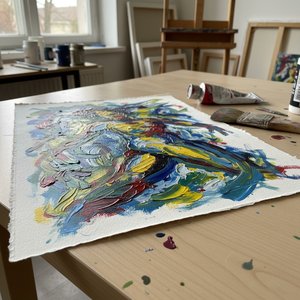
Acrylic on Paper: A Modern Canvas for Contemporary Expression
Explore the versatility of acrylic painting on paper! Discover expert techniques, artist insights & archival practices for creating stunning contemporary art. Learn more at ArtsDot.