

 Предпросмотр
 Поделиться
 Поделиться
 Детали произведения

 Скачать
 Похожие работы
 Рентгенография
 Слайд-шоу
 Статистика
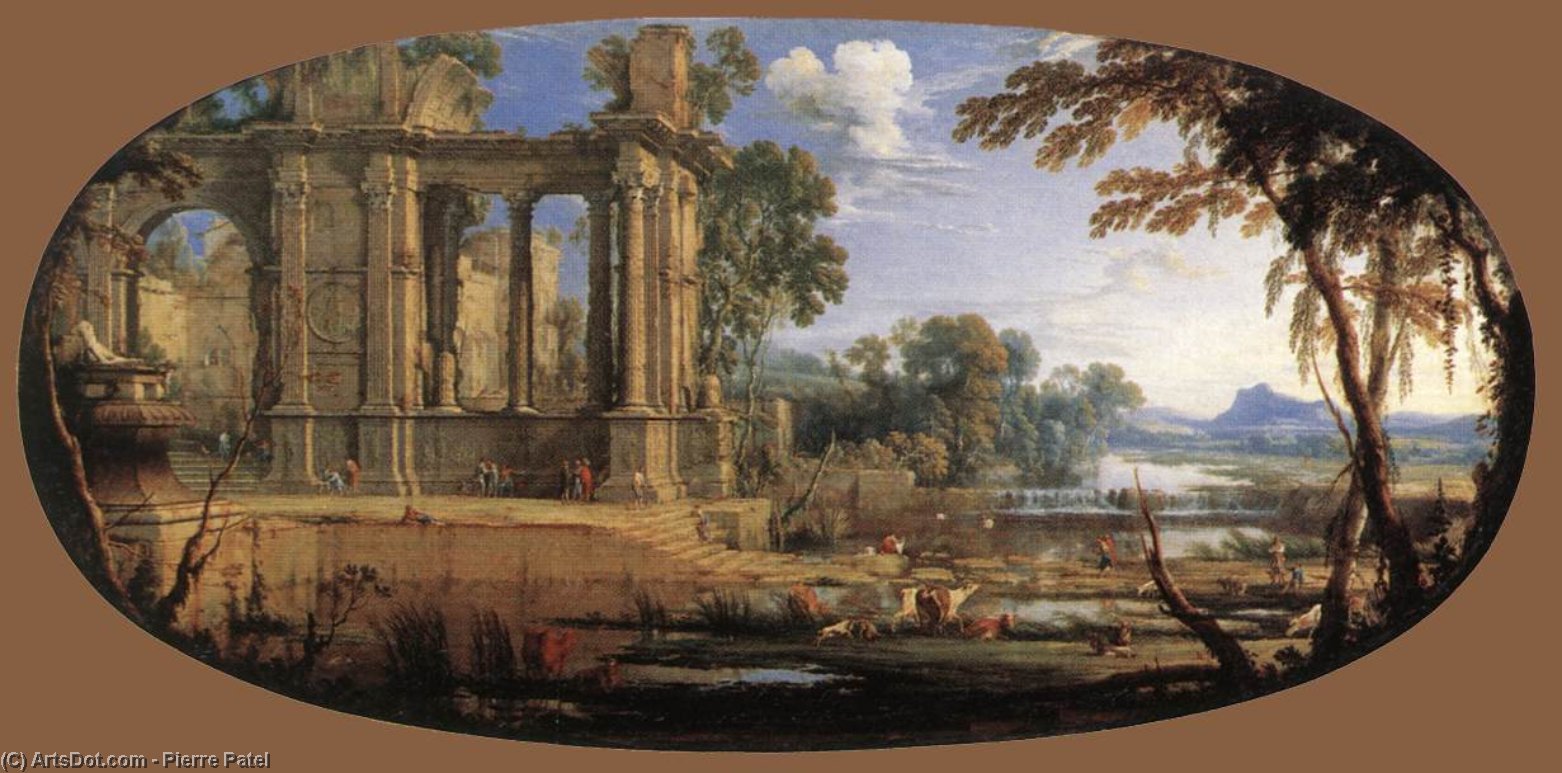
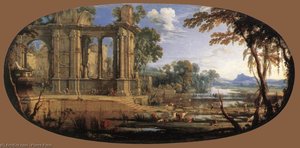
Landscape with Ruins
 Oil On Canvas
- WallArt
- Baroque
 1646
1646- Early Modern
 73.0 x 150.0 cm
 Лувр
Лувр
 Читать далее
Масляная репродукция ручной работы
Картина маслом на холсте в выбранном вами размере и раме, написанная на заказ нашими художниками. ( Перейти к печати Перейти к цифровым изображениям)




P118B $10

P118H $10

P118W $10

P438Z $10

P508JH $12

P508YH $12

P805H $10

P805Z $10

P919BZ $10

P919G $10

P919XJ $10

P959ZH $10

P968JZ $12

W106C $8

W218G $10

W218JH $8

W218Y $10

W307PJ $10

W316G $10

W316PJ $8

W316Y $10

W398PJ $8

W4111J $10

W500HY $15

W500JH $15

W692G $12

W849H $8

W940BG $15

W953PJ $8




Выберите один из наших стандартных размеров, соответствующих оригинальным пропорциям произведения искусства.

Вы можете указать собственные размеры, чтобы картина идеально вписалась в выбранную раму или пространство. Если выбранный вами размер не соответствует пропорциям оригинала, мы либо обрежем полотно, либо расширим его за счет дополнительных элементов, написанных вручную. Цифровой макет будет отправлен вам на утверждение перед началом производства.
Обратите внимание, что предварительный просмотр на экране не отражает фактическую обрезку или расширение. Только макет точно покажет окончательную композицию.
Хотя доступны индивидуальные размеры, мы рекомендуем выбирать вариант из предопределенного списка, чтобы сохранить исходные пропорции.
После оформления заказа команда ArtsDot.com свяжется с клиентом по электронной почте для уточнения деталей и предоставит предварительный макет
Доставка по всему миру () за 3–4 недели вместо стандартных 5 недель. (11 Сентябрь). Без компромиссов в качестве.

Бесплатная экспресс-доставка по всему миру

Высококачественный льняной холст

Полное страхование доставки

Гарантия возмещения таможенных пошлин

Гарантия точного соответствия цветов

100-дневная политика возврата (только при обнаружении дефектов)

Гарантия возврата 100% средств

Предложение оптовых скидок
 Вариант со стеклом доступен только для размеров менее 110 см

Landscape with Ruins
Техника репродукции
Размер репродукции
-


Итоговая стоимость
$ 263
A Timeless Encounter with Antiquity
In the heart of Pierre Patel’s 1646 masterpiece, Landscape with Ruins, time seems to decelerate, inviting the viewer into a world where the grandeur of the past and the persistence of nature exist in a delicate, eternal dance. This breathtaking oil on canvas, currently preserved within the hallowed halls of the Musée du Sobie in Paris, serves as a profound meditation on the passage of eras. At its center, the skeletal remains of ancient stone columns and majestic arches rise from the earth, their weathered surfaces telling tales of a forgotten civilization. These ruins are not merely static structures; they are living witnesses to history, partially reclaimed by creeping vegetation and lush greenery, suggesting a poignant cycle of human ambition and natural reclamation.
The composition is a masterclass in classical balance, utilizing a sophisticated perspective that draws the eye through a layered landscape toward a distant, hazy mountain range. Patel employs a technique reminiscent of the Baroque period, where the dramatic interplay of light and shadow—chiaroscuro—creates a palpable sense of depth and atmosphere. The sunlight filters through a partly cloudy sky, casting soft glows upon the figures scattered throughout the scene. These small, industrious figures, engaged in their daily rhythms near a reflective body of water, provide a vital human element that grounds the epic scale of the ruins, offering a sense of scale and a touch of pastoral tranquility to an otherwise monumental setting.
The Harmony of Earth and Ether
Color plays a pivotal role in establishing the emotional resonance of this work. Patel utilizes a sophisticated palette dominated by rich, earthy tones—ochres, deep browns, and muted terracottas—which are harmoniously balanced by the refreshing blues of the sky and the vibrant, life-affirming greens of the foliage. This chromatic equilibrium creates an atmosphere of profound serenity, making the painting an ideal centerpiece for spaces designed for contemplation and calm. The texture of the paint itself, rendered with meticulous detail, allows the viewer to almost feel the roughness of the ancient stone and the softness of the surrounding meadows.
For the discerning collector or interior designer, Landscape with Ruins offers more than just aesthetic beauty; it offers a narrative of resilience and continuity. The painting evokes a sense of "memento mori"—a reminder of the transience of life—yet it does so without melancholy, instead celebrating the enduring beauty of the natural world. Whether placed in a grand library, a sophisticated salon, or a contemporary living space, a high-quality reproduction of this work brings with it an aura of historical prestige and a window into the soul of the 17th century. It is an invitation to pause, to breathe, and to reconnect with the timeless elegance of the classical tradition.
Похожие произведения


Биография художника
Pierre Patel (1605 – 1676): The Poet of Roman Campagna
The name Pierre Patel, a figure often overshadowed by the titans of 17th-century French art, nevertheless holds a unique and quietly compelling place in the history of landscape painting. Born in Picardy around 1605, Patel wasn’t a painter who stormed onto the scene with dramatic innovation; rather, he cultivated a deeply considered style, meticulously building upon the foundations laid by his predecessors while imbuing them with a distinctly personal vision. His legacy isn't one of revolutionary techniques, but of a profound understanding of light, atmosphere, and the evocative power of classical ruins – a fascination that would define his artistic output for over four decades.
Patel’s early life remains somewhat shrouded in mystery, though he was admitted to the Guild of Saint-Germain-des-Prés in 1633 and subsequently joined the Académie de Saint-Luc in 1635. These affiliations marked his formal entry into the Parisian art world, a hub already brimming with talent and influence. Crucially, Patel’s artistic development was profoundly shaped by his exposure to the work of Claude Lorrain, whose idealized landscapes – characterized by their balanced compositions, serene atmospheres, and elegant treatment of classical motifs – exerted a powerful pull on young artists. However, Patel didn't simply mimic Claude; he absorbed the master’s principles and then subtly, yet significantly, transformed them into something uniquely his own.
The Influence of Rome and the Italian Landscape
Patel’s artistic journey took him to Italy, a pivotal moment that fundamentally altered his perspective. He spent several years in Rome, immersing himself in the grandeur of the Roman ruins – the Colosseum, the Forum, the Pantheon – and absorbing the spirit of the Italian landscape. These experiences ignited within him an enduring passion for depicting these ancient sites, transforming them into evocative settings imbued with a sense of melancholy beauty and timelessness. Unlike many of his contemporaries who sought to replicate the Italian scene directly, Patel approached it through the lens of memory and imagination, creating landscapes that were both faithful to their subject matter and deeply personal in their expression.
This fascination with Roman ruins is perhaps most evident in his series of paintings depicting the Campagna Romana – the fertile plains surrounding Rome. These works are not mere topographical representations; they’re carefully constructed narratives, populated by solitary figures contemplating the remnants of a lost civilization. The use of light and shadow is particularly masterful, creating an atmosphere of profound stillness and introspection. Patel's compositions often feature dramatic diagonals, drawing the eye towards distant ruins while simultaneously emphasizing the vastness and solitude of the landscape.
Technique and Style
Patel’s technique was characterized by a meticulous attention to detail and a remarkable ability to capture the subtle nuances of light and atmosphere. He employed a refined palette, favoring muted earth tones – ochres, browns, greens – that evoked the weathered surfaces of stone and the hazy quality of distant landscapes. His brushwork was smooth and controlled, creating a sense of depth and perspective through careful layering of paint. While influenced by Claude’s balanced compositions, Patel introduced a greater degree of dynamism into his paintings, utilizing diagonal lines and asymmetrical arrangements to create a more engaging visual experience.
A key element of Patel's style was his masterful use of atmospheric perspective – the technique of rendering distant objects as paler and less distinct than those in the foreground. This created a powerful illusion of depth and distance, drawing the viewer’s eye into the heart of the landscape. His paintings are not simply representations of scenery; they are carefully constructed illusions that invite contemplation and reflection.
Legacy and Historical Significance
Despite often being overshadowed by more flamboyant contemporaries, Pierre Patel's contribution to French landscape painting is significant. He represents a crucial link between the idealized landscapes of Claude Lorrain and the emerging trends in 18th-century art. His meticulous attention to detail, his profound understanding of light and atmosphere, and his enduring fascination with classical ruins established him as a leading figure in the development of French landscape painting during the mid-17th century.
Patel’s influence extended far beyond his own lifetime. His paintings served as models for subsequent generations of artists, particularly those interested in depicting classical subjects and landscapes. The meticulous detail and atmospheric perspective that characterized his work would continue to inspire painters well into the 18th and 19th centuries. Today, Patel's works are treasured for their quiet beauty, their evocative atmosphere, and their enduring testament to the power of art to transport us to another time and place – a timeless echo of the Roman Campagna.
patel pierre (patel le père)
1605 - 1676
Основные сведения
- Artistic Movement Or Style: Classical & Italianate
- Artists Or Movements Influenced By This Artist: ['Early 19th-century landscape artists']
- Artists Who Influenced This Artist: ['Claude Lorrain']
- Date Of Birth: 1605
- Date Of Death: 1676
- Full Name: Pierre Patel (Patel le Père)
- Nationality: French
- Notable Artworks:
- Roman Campagna scenes
- Ruins in art
- Italianate landscapes
- Place Of Birth: Picardy, France
Похожие статьи

Джон Констебль: 25 шедевров английского пейзажа для вашего интерьера
Погрузитесь в мир английского пейзажа с Джоном Констеблом! 25 шедевров романтизма, история создания картин и вдохновение для вашего интерьера. Репродукции высокого качества на ArtsDot.com – искусство для ценителей.

Романтический пейзаж: 10 шедевров, изменивших искусство | ArtsDot.com
Погрузитесь в мир романтического пейзажа! 10 шедевров Фридриха, Тёрнера и других гениев. Узнайте историю создания культовых картин и вдохновитесь для декора интерьера. Репродукции высокого качества на ArtsDot.com.

Evocations of Place: A Historical Journey Through Landscape Art
Explore the rich history of landscape art with ArtsDot. Discover renowned artists, movements like Impressionism & Romanticism, and expert guidance for collecting timeless pieces. Find your perfect serene escape today!
Топ-25 шедевров Ренуара: искусство, история и вдохновение для интерьера
Погрузитесь в мир Ренуара! 🎨 Откройте топ-25 шедевров импрессионизма, историю создания картин и вдохновляющую красоту. Купите репродукции высокого качества для вашего интерьера на ArtsDot.com – музейное искусство онлайн!

Жорж Сёра: 25 шедевров великого мастера пуантилизма | ArtsDot
Откройте для себя 25 шедевров Жоржа Сёра – пионера пуантилизма! Узнайте историю создания культовых картин, технику письма и влияние импрессионизма. Репродукции высокого качества на ArtsDot.com. Искусство для вашего интерьера.