

 Предпросмотр
 Поделиться
 Поделиться
 Детали произведения

 Скачать
 Похожие работы
 Рентгенография
 Слайд-шоу
 Статистика
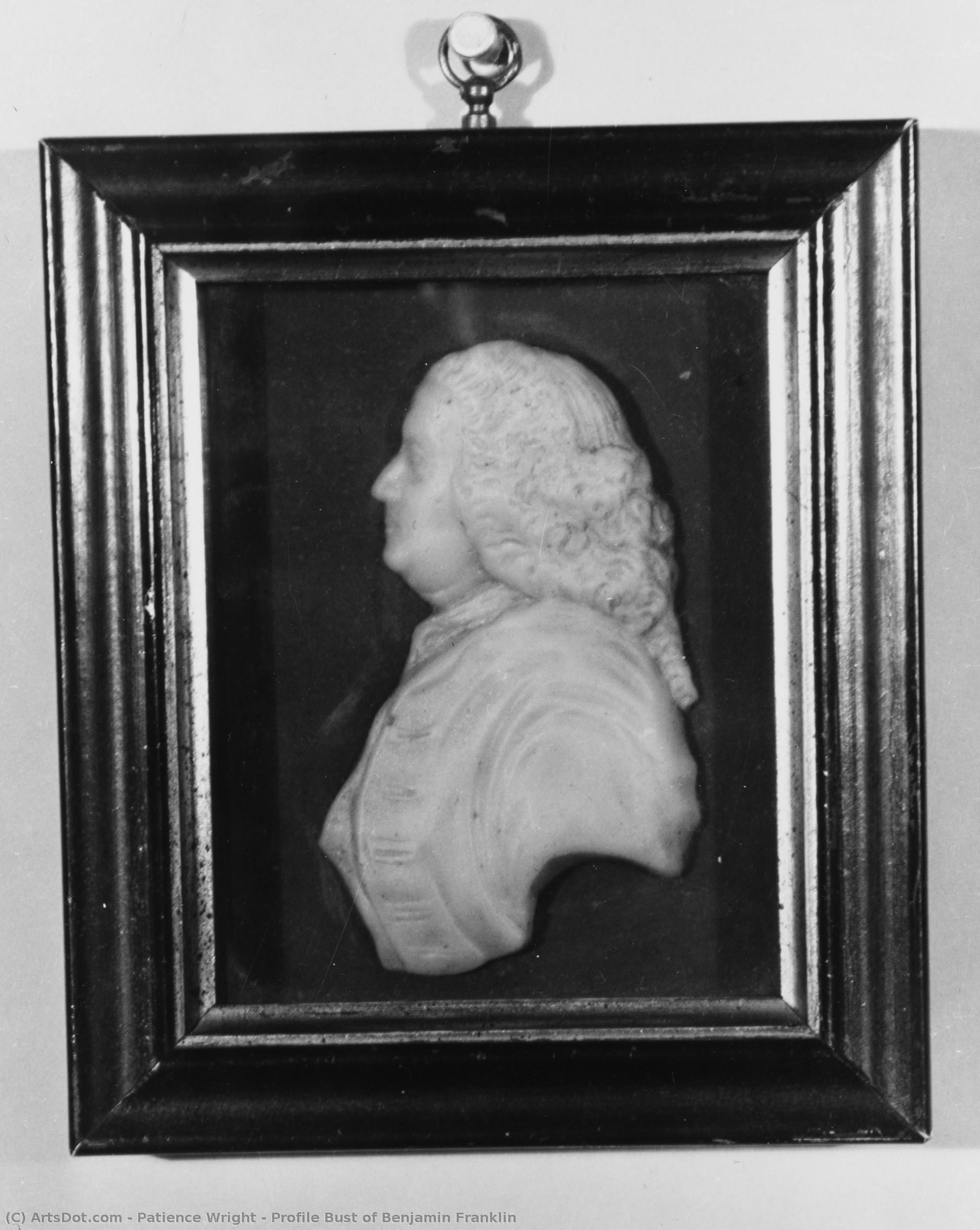
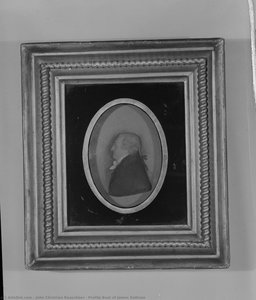
Profile Bust of Benjamin Franklin
 1775
1775 16.0 x 13.0 cm
 Читать далее
Жикле / Арт-принт
Печать (жикле) или холст музейного качества с быстрыми сроками изготовления и широким выбором вариантов отделки. ( Купить картину ручной работы Перейти к цифровым изображениям)




































Выберите один из наших стандартных размеров, соответствующих оригинальным пропорциям произведения искусства.

Вы можете указать свои собственные размеры, чтобы репродукция идеально подошла под конкретную раму или пространство. Если выбранный вами размер не будет соответствовать пропорциям оригинала, мы либо обрежем произведение, либо дополним изображение зеркальным отражением краев или однотонной заливкой. Перед началом производства вам будет отправлен цифровой макет для утверждения.
Пожалуйста, обратите внимание, что предварительный просмотр на экране не отображает фактическую обрезку или расширение изображения. Только макет точно покажет финальную композицию.
Несмотря на возможность заказа индивидуальных размеров, мы рекомендуем выбирать размер из предопределенного списка, чтобы сохранить оригинальные пропорции.
Доставка по всему миру () за 2 недели вместо стандартных 4/5 недель. (12 Сентябрь)

Бесплатная экспресс-доставка по всему миру

Высококачественный льняной холст

Полное страхование доставки

Гарантия возмещения таможенных пошлин

Гарантия точного соответствия цветов

100-дневная политика возврата (только при обнаружении дефектов)

Гарантия возврата 100% средств

Предложение оптовых скидок
 Вариант со стеклом доступен только для размеров менее 110 см

Profile Bust of Benjamin Franklin
Жикле / Арт-принт
Размер репродукции
-


Итоговая стоимость
$ 62
Похожие произведения






Биография художника
Patience Lovell Wright: A Pioneer of American Sculpture
Patience Lovell Wright (born Lovell; 1725 – March 23, 1786) was a remarkable figure in the history of American art. She is widely recognized as the first recognized American-born sculptor, achieving prominence during the colonial era and beyond.
Early Life and Background
Born in Oyster Bay, New York, into a Quaker farm family in 1725, Patience Lovell’s early life was characterized by simplicity and a vegetarian lifestyle. Her family relocated to Bordentown, New Jersey when she was four years old. From a young age, she displayed an innate talent for modeling faces and figures, initially using readily available materials like putty, bread dough, and wax – a pastime that would eventually define her career.
Marriage and Early Artistic Development
At the age of 16, Patience left her family home and moved to Philadelphia. In 1748, she married Joseph Wright, a barrelmaker significantly older than herself. While raising their children, she continued to hone her sculpting skills as a form of amusement and creative expression.
Turning Hobby into Profession
The death of her husband in 1769, while she was pregnant with her fourth child, presented Patience with the necessity of supporting her family. Recognizing her talent, she partnered with her sister, Rachel Wells (also a widow), to transform her hobby into a full-time occupation. Together, they established a business creating lifelike portrait busts and figures in tinted wax – an art form popular during that period.
Success in Colonial America
The sisters’ waxworks quickly gained popularity, attracting attention for their realism and detail. By 1770, they had opened a successful waxworks house in New York City and began touring their work to Philadelphia and Charleston. Contemporary accounts, such as those from physician Solomon Drowne, attest to the impressive quality of their creations.
Relocation to London and International Recognition
A devastating fire in June 1771 destroyed many of Patience Wright’s sculptures, prompting her relocation to London, England. Through a connection with Jane Mecom, sister of Benjamin Franklin, she entered London society and established a new waxworks show featuring historical tableaux and celebrity figures.
Royal Commissions and Artistic Achievements
Patience Lovell Wright’s talent soon garnered royal attention. She received an invitation to sculpt King George III, marking a significant achievement for an American artist. This led to commissions from other members of the British royalty and nobility. Although she created at least fifty-five works throughout her career, only one full-length sculpture remains extant today: the figure of Lord Chatham (William Pitt).
Artistic Style and Influences
Wright’s style was characterized by a remarkable ability to capture likenesses in wax. Her portraits were life-sized or bust-form, adorned with real clothing and glass eyes, creating an incredibly lifelike effect. She often placed her figures within scenes depicting their activities or roles in life, adding narrative depth to her work.
Historical Significance
Patience Lovell Wright’s legacy extends beyond her artistic achievements. As the first recognized American-born sculptor, she paved the way for future generations of artists and contributed significantly to the development of sculpture in America. Her success both in colonial America and in London demonstrated the potential for American artists to achieve international recognition.
Major Achievements
- First recognized American-born sculptor
- Established a successful waxworks business in Colonial America
- Sculpted King George III and other members of British royalty
- Created lifelike wax portraits that were highly sought after

patience lovell wright
1725 - 1786 , United States of America
Основные сведения
- Birth Date: 1725
- Birth Place: Oyster Bay, New York, United States of America
- Death Date: March 23, 1786
- Movement: Colonial American art
- Name: Patience Lovell Wright
- Nationality: American
- Notable Works: Full-length figure of Lord Chatham (William Pitt)