

 Предпросмотр
 Поделиться
 Поделиться
 Детали произведения

 Скачать
 Похожие работы
 Рентгенография
 Слайд-шоу
 Статистика
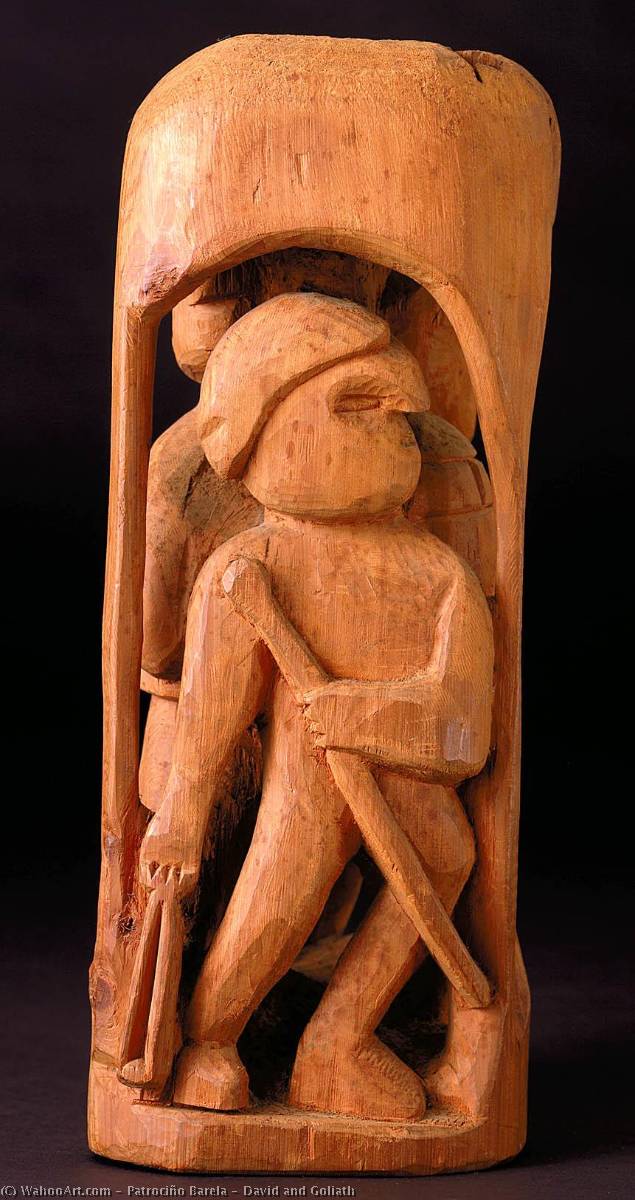
David and Goliath

 Читать далее
Приобретите цифровое изображение высокого разрешения в улучшенном качестве, которое значительно превосходит онлайн-превью.
Каждый файл тщательно подготавливается нашими специалистами с использованием передовых инструментов и экспертной ручной ретуши. Мы гарантируем исключительную четкость, точную цветопередачу и детальную проработку каждого изображения.
Финальный файл доставляется по электронной почте в течение 72 часов и оптимизирован для немедленного использования в профессиональной среде, при верстке и печати. Это тот же уровень качества, которому доверяют ведущие дизайнерские студии, издательства и галереи.
Цифровое изображение
Скачайте файл высокого разрешения для личного использования, печати и творческих проектов. ( Перейти к печати Купить картину ручной работы)
Включено в каждый заказ цифровых изображений
Гарантия экспертной цифровой доставки
Выбирая ArtsDot.com, вы получаете не просто изображение — вы приобретаете профессионально обработанное цифровое произведение искусства, созданное с безупречной точностью и под защитой гарантии качества. Вот всё, что автоматически входит в ваш заказ:

Мгновенная доставка по e-mail
Ваш цифровой файл в высоком разрешении будет отправлен вам по электронной почте в течение 72 часов после оформления заказа — и сразу станет доступен для использования.

Цифровой файл с ИИ-улучшением
Ваше произведение искусства проходит профессиональную оптимизацию с использованием передовых инструментов ИИ и ручной обработки, что гарантирует максимальную детализацию, четкость и точность цветопередачи.

Бессрочная бесплатная повторная доставка
Случайно удалили или потеряли файл? Не беспокойтесь — мы отправим его вам повторно в любое время и совершенно бесплатно.

Без импортных пошлин — навсегда
Наслаждайтесь вашим произведением искусства мгновенно без таможенных пошлин, сборов или затрат на доставку — цифровые загрузки всегда не облагаются налогом.

Гарантия точности цветопередачи
Мы гарантируем, что ваше цифровое изображение максимально точно передает оригинальные цвета благодаря использованию профессиональных инструментов и систем управления цветом.

Гарантия удовлетворенности 100 дней
Если вы не будете удовлетворены своим цифровым изображением, мы внесем правки или вернем 100% стоимости в течение 100 дней — без лишних вопросов.

100% Гарантия возврата средств
Не удовлетворены покупкой? Получите полный возврат средств в течение 100 дней после получения цифрового файла — без лишних вопросов.

Скидки на оптовые заказы
Купите 3 изображения, сэкономьте 10% — Купите 5, сэкономьте 15% — Купите 10+, сэкономьте 20%. Отличное решение для творческих проектов, галерей и агентств.
The carving depicts two men, one holding a spear and the other a shield, standing next to each other. The intricate details and facial expressions of the figures demonstrate Barela's attention to detail and mastery of his craft. The wooden material used for the carving gives it an aged appearance, suggesting that it may be an antique or a traditional piece of art.
Artistic Style and Inspiration
Patrociño Barela's work is characterized by its unique blend of traditional and modern styles. His use of wood as a medium adds a touch of warmth and texture to the piece, making it more engaging and dynamic. The Smithsonian American Art Museum has an extensive collection of his works, including Untitled and Progression in War, which showcase his artistic range and versatility.Some of the notable works by Patrociño Barela include:
Conclusion
The David and Goliath carving by Patrociño Barela is a testament to the artist's skill and creativity. As a masterpiece of American art, it continues to inspire and captivate audiences today. For those interested in learning more about the Smithsonian American Art Museum and its collections, visit The Smithsonian Museums and their Art Collections. To explore more of Barela's works, including handmade oil painting reproductions, visit ArtsDot.com.Похожие произведения






Биография художника
The Soul Carved in Wood: The Life of Patrociño Barela
In the rugged landscapes of New Mexico, where the shadows of the Taos mountains meet the ancient traditions of the high desert, the life of Patrociño Barela unfolded as a profound testament to human resilience and innate genius. Born around 1900, Barela’s early years were defined by a landscape of hardship and loss. The untimely passing of his mother and younger sister during his childhood left an indelible mark on his spirit, fostering a deep, introspective connection to the world around him. A man of immense physical strength and nomadic spirit, he spent much of his youth navigating the grueling realities of itinerant labor—working as a steelworker, miner, railroad laborer, and carpenter. These experiences, far from being mere footnotes to his biography, served as the raw material for his artistic consciousness, instilling in him a visceral understanding of struggle, toil, and the enduring human condition.
Though he possessed an aversion to formal education and remained largely self-taught, Barela’s intellect was expressed through the tactile language of wood and grain. His journey into the realm of fine art began almost by accident in 1931, sparked by a moment of spiritual stewardship when he was encouraged to repair a damaged wooden santo. This encounter with sacred imagery ignited a lifelong passion for carving, leading him to find profound expression in the textures of juniper and cedar. Unlike the traditional santeros who sought to replicate historical religious prototypes with rigid precision, Barela breathed new life into the medium. His work emerged as a singular fusion of expressive primitivism and a haunting, surrealist emotionality that transcended mere folk art.
A Discovery of National Significance
The trajectory of Barela’s career was irrevocably altered by the arrival of the Works Progress Administration (WPA) during the Great Depression. As part of the Public Works of Art Project, his talent was brought to the forefront of the American art scene. It is a poignant image of history: an artist who, being illiterate, recorded his daily progress by marking crosses on a sheet of paper, yet whose visual vocabulary was so sophisticated that it commanded the attention of the world's most influential critics. His work reached the hallowed halls of the Museum of Modern Art in New York, where he was celebrated as one of the most dramatic discoveries of his era. Even the legendary sculptor Henry Moore found himself captivated by Barela’s carvings, noting a powerful aesthetic resonance that echoed the primal energies found in the art of Africa and Oceania.
The recognition bestowed upon him was unprecedented for a Mexican-American artist of his time. Time magazine famously hailed him as "the discovery of the year," cementing his status as the first Hispanic artist to achieve widespread national acclaim. His ability to bridge the gap between the deeply local, religious traditions of New Mexico and the burgeoning international modernism of the twentieth century made him a pivotal figure in American art history. Through his hands, the sacred became universal, and the humble materials of the earth were transformed into profound meditations on existence.
Mastery of Form and Theme
Barela’s oeuvre is characterized by an extraordinary ability to imbue inanimate wood with psychological depth and narrative tension. His subjects ranged from the deeply devotional to the starkly secular, often exploring themes of biblical struggle and the complexities of conflict. Some of his most significant contributions to the art world include:
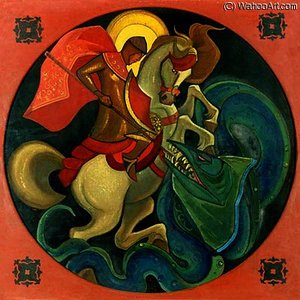
- Saint George: A 1943 masterpiece currently held in the Smithsonian American Art Museum, which showcases his ability to capture divine heroism through textured, emotive carving.
- David and Goliath: An intricate depiction of biblical confrontation that highlights his mastery of facial expression and anatomical tension within the constraints of wood.
- War and Progression in War: Powerful works that utilize a distinctive, textured style to explore the devastating and transformative nature of human conflict.
Ultimately, the legacy of Patrociño Barela lies in his refusal to be confined by labels. While often categorized as a santero due to his religious subject matter, his vision was far more expansive, encompassing the raw, the surreal, and the contemporary. He remains a towering figure of New Mexican heritage, an artist who took the fragments of a difficult life and carved from them a permanent place in the canon of American modernism.
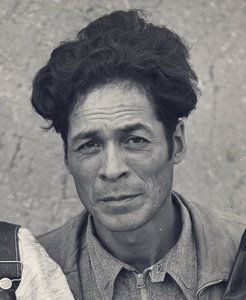
patrociño barela
1900 - 1964
Основные сведения
- Artistic Movement Or Style: Expressionist
- Artists Or Movements Influenced By This Artist: ['Santero']
- Artists Who Influenced This Artist: ['Henry Moore']
- Date Of Birth: c. 1900
- Date Of Death: October 24, 1964
- Full Name: Patrociño Barela
- Nationality: Mexican-American
- Notable Artworks:
- David and Goliath
- Saint George
- Place Of Birth: Bisbee, Arizona