

 Предпросмотр
 Поделиться
 Поделиться
 Детали произведения

 Скачать
 Похожие работы
 Рентгенография
 Слайд-шоу
 Статистика
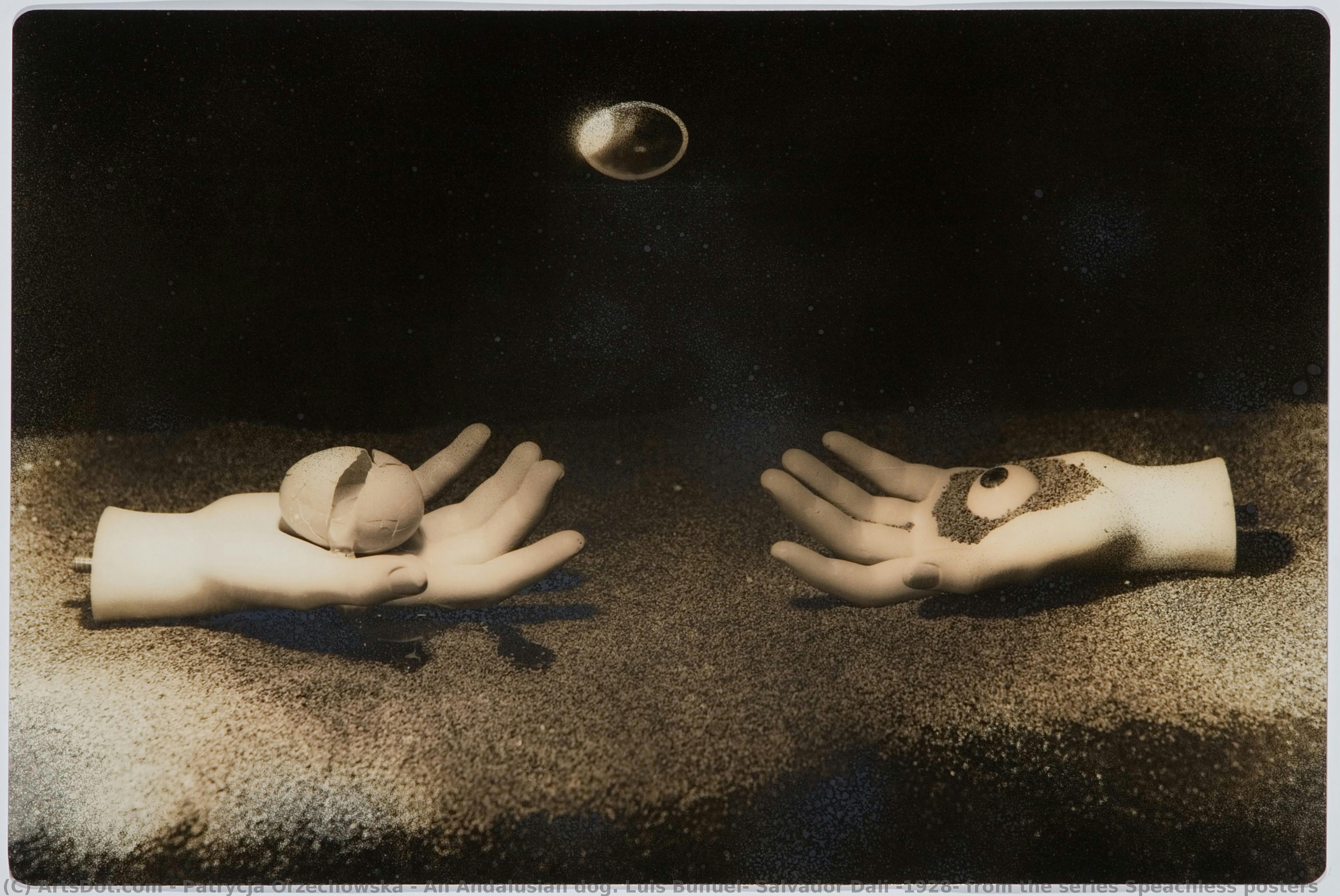
An Andalusian dog. Luis Bunuel, Salvador Dali (1928) from the series Speachless posters

 Читать далее
Жикле / Арт-принт
Печать (жикле) или холст музейного качества с быстрыми сроками изготовления и широким выбором вариантов отделки. ( Купить картину ручной работы Перейти к цифровым изображениям)




































Выберите один из наших стандартных размеров, соответствующих оригинальным пропорциям произведения искусства.

Вы можете указать свои собственные размеры, чтобы репродукция идеально подошла под конкретную раму или пространство. Если выбранный вами размер не будет соответствовать пропорциям оригинала, мы либо обрежем произведение, либо дополним изображение зеркальным отражением краев или однотонной заливкой. Перед началом производства вам будет отправлен цифровой макет для утверждения.
Пожалуйста, обратите внимание, что предварительный просмотр на экране не отображает фактическую обрезку или расширение изображения. Только макет точно покажет финальную композицию.
Несмотря на возможность заказа индивидуальных размеров, мы рекомендуем выбирать размер из предопределенного списка, чтобы сохранить оригинальные пропорции.
Доставка по всему миру () за 2 недели вместо стандартных 4/5 недель. (13 Сентябрь)

Бесплатная экспресс-доставка по всему миру

Высококачественный льняной холст

Полное страхование доставки

Гарантия возмещения таможенных пошлин

Гарантия точного соответствия цветов

100-дневная политика возврата (только при обнаружении дефектов)

Гарантия возврата 100% средств

Предложение оптовых скидок
 Вариант со стеклом доступен только для размеров менее 110 см

An Andalusian dog. Luis Bunuel, Salvador Dali (1928) from the series Speachless posters
Жикле / Арт-принт
Размер репродукции
-


Итоговая стоимость
$ 62
Похожие произведения







Биография художника
Marina Abramović: A Body of Endurance and Revelation
Born in Belgrade, Yugoslavia – now Serbia – on November 30, 1946, Marina Abramović’s life has been a relentless exploration of the boundaries between self and other, body and mind. Raised within a family steeped in history—her great-uncle was Varnava, Serbian Patriarch—Abramović's early years were shaped by the turbulent backdrop of post-World War II Yugoslavia and its subsequent communist era. This formative environment, marked by political shifts and societal constraints, would profoundly influence her artistic trajectory, fueling a desire to challenge established norms and confront uncomfortable truths about human experience.
Her formal art education began at the Academy of Fine Arts in Belgrade (1970) and continued at the Academy of Fine Arts in Zagreb (1972). However, it was during this period that she began to develop her signature approach: performance as a visceral investigation. Rejecting traditional artistic mediums, Abramović harnessed the body itself – its vulnerability, strength, and capacity for both pleasure and pain – as the primary instrument of her art. This decision immediately set her apart, aligning her with the burgeoning field of performance art in the 1970s, an area often met with skepticism and even derision due to its perceived sensationalism.
The Dawn of a New Performance Practice (1973-1988)
The early 1970s witnessed the genesis of Abramović’s most iconic works. *Rhythm 0* (1974), performed in a stark white room, remains a cornerstone of her oeuvre. For six hours, she stood motionless, exposed to the unpredictable and often aggressive actions of the audience – who were invited to interact with her using an array of objects ranging from roses and honey to whips and knives. This piece wasn’t merely about physical endurance; it was a deliberate provocation, designed to dismantle the viewer's complicity in the spectacle of suffering. The resulting chaos—a mixture of fascination, horror, and outright violence – exposed the uncomfortable truths about human behavior when confronted with vulnerability.
Her collaboration with Frank Uwe Laysiepen (Ulay) from 1975 to 1988 proved equally transformative. Their work together, often characterized by intense physical proximity and shared risk, explored themes of gender, identity, and the dynamics of intimacy. *Imponderabilia* (1977), a performance in which they stood naked facing each other in a museum entrance, forcing visitors to choose between them, became a symbol of this era’s questioning of social conventions and the blurring of boundaries between public and private.
Expanding Horizons: Ritual, Spectacle, and Institutional Engagement
Throughout the 1980s and beyond, Abramović's practice expanded dramatically. She ventured into increasingly ambitious and challenging territories, often pushing her own physical limits to the breaking point. *Balkan Baroque* (1997), a multi-site performance that incorporated elements of Serbian folklore, history, and personal memory, was a deeply emotional exploration of her heritage and the legacy of war and displacement. The work involved lengthy periods of meditation, fasting, and ritualistic practices, culminating in a powerful confrontation with the audience.
In 2010, *The Artist Is Present* captivated the world. For eight hours each day at the MoMA in New York City, Abramović sat silently before visitors, offering them the opportunity to take her hand. The performance was not about interaction; it was about presence—a radical act of empathy and a profound meditation on the nature of art and its relationship to the viewer.
Legacy and Influence
Marina Abramović’s work has had an undeniable impact on contemporary art, profoundly influencing generations of artists. She is often credited with pioneering “body art” and “endurance art,” terms that now describe a significant segment of performance practice. Her willingness to expose her own vulnerability—both physical and emotional—has challenged conventional notions of the artist’s role and redefined the possibilities of artistic expression. Beyond her individual achievements, Abramović has established the Marina Abramović Institute (MAI), a non-profit organization dedicated to supporting and promoting performance art as a vital form of cultural inquiry. Her legacy extends far beyond the stage or gallery; it represents a commitment to pushing boundaries, confronting difficult truths, and fostering a deeper understanding of the human condition.
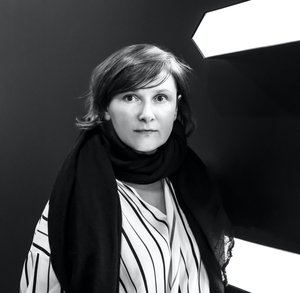
patrycja orzechowska
1974 - , Poland
Основные сведения
- Artistic Movement Or Style: Performance art
- Artists Or Movements Influenced By This Artist: ['Conceptual art']
- Artists Who Influenced This Artist: ['Ulay']
- Date Of Birth: November 30, 1946
- Full Name: Marina Abramović
- Nationality: Serbian
- Notable Artworks:
- Rhythm 0
- Balkan Baroque
- The Artist Is Present
- Place Of Birth: Belgrade, Serbia