 Предпросмотр
 Поделиться
 Поделиться
 Детали произведения

 Скачать
 Похожие работы
 Рентгенография
 Слайд-шоу
 Статистика
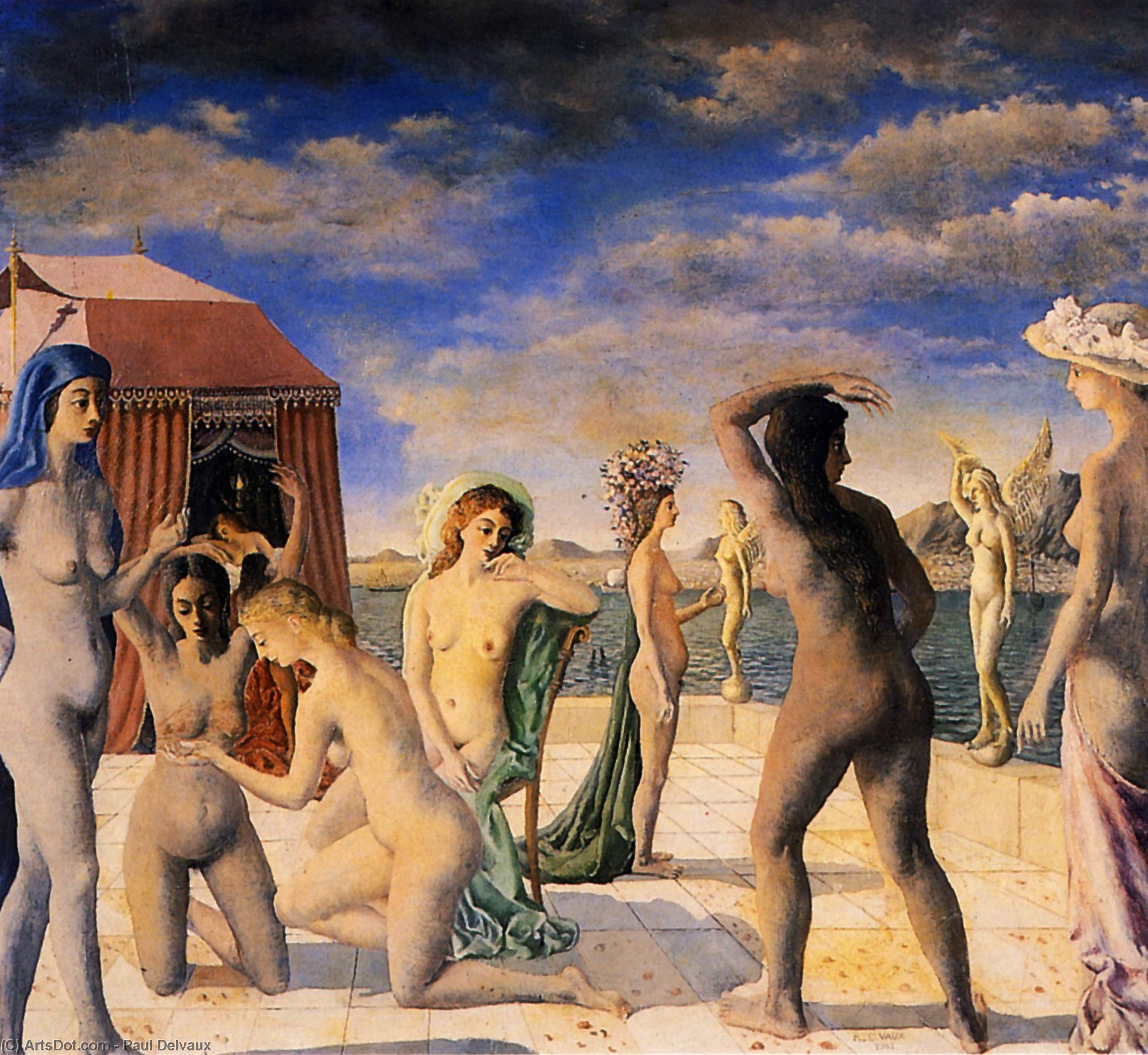
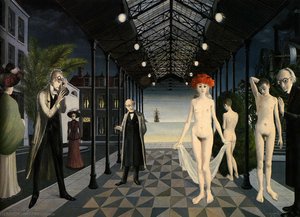
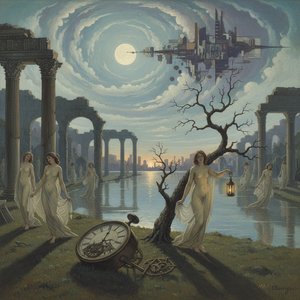
The Courtesans
 Oil On Canvas
- WallArt
- Surrealism
 1943
1943- 19th Century
 122.0 x 186.0 cm
 Читать далее
Масляная репродукция ручной работы
Картина маслом на холсте в выбранном вами размере и раме, написанная на заказ нашими художниками. ( Перейти к печати Перейти к цифровым изображениям)




P118B $10

P118H $10

P118W $10

P438Z $10

P508JH $12

P508YH $12

P805H $10

P805Z $10

P919BZ $10

P919G $10

P919XJ $10

P959ZH $10

P968JZ $12

W106C $8

W218G $10

W218JH $8

W218Y $10

W307PJ $10

W316G $10

W316PJ $8

W316Y $10

W398PJ $8

W4111J $10

W500HY $15

W500JH $15

W692G $12

W849H $8

W940BG $15

W953PJ $8




Выберите один из наших стандартных размеров, соответствующих оригинальным пропорциям произведения искусства.

Вы можете указать собственные размеры, чтобы картина идеально вписалась в выбранную раму или пространство. Если выбранный вами размер не соответствует пропорциям оригинала, мы либо обрежем полотно, либо расширим его за счет дополнительных элементов, написанных вручную. Цифровой макет будет отправлен вам на утверждение перед началом производства.
Обратите внимание, что предварительный просмотр на экране не отражает фактическую обрезку или расширение. Только макет точно покажет окончательную композицию.
Хотя доступны индивидуальные размеры, мы рекомендуем выбирать вариант из предопределенного списка, чтобы сохранить исходные пропорции.
После оформления заказа команда ArtsDot.com свяжется с клиентом по электронной почте для уточнения деталей и предоставит предварительный макет
Доставка по всему миру () за 3–4 недели вместо стандартных 5 недель. (13 Сентябрь). Без компромиссов в качестве.

Бесплатная экспресс-доставка по всему миру

Высококачественный льняной холст

Полное страхование доставки

Гарантия возмещения таможенных пошлин

Гарантия точного соответствия цветов

100-дневная политика возврата (только при обнаружении дефектов)

Гарантия возврата 100% средств

Предложение оптовых скидок
 Вариант со стеклом доступен только для размеров менее 110 см

The Courtesans
Техника репродукции
Размер репродукции
-


Итоговая стоимость
$ 413
A Descent into Dreamlike Beauty: Paul Delvaux’s *The Courtesans*
Paul Delvaux's 1943 painting, *The Courtesans*, is not merely a depiction of nude figures; it’s an immersion into a world where classical mythology and unsettling beauty intertwine. Measuring 122 x 186 cm, this large-scale oil on canvas work immediately captivates with its dynamic composition and the languid grace of its subjects. Inspired by the Romantic movement's embrace of emotion and idealized forms, Delvaux crafts a scene that feels both familiar – referencing ancient tales of nymphs and goddesses – and profoundly strange. The figures, arranged across a stone platform leading to the water’s edge, engage in an activity that is simultaneously sensual and melancholic: bathing, grooming, and socializing with a detached, almost dreamlike quality.
- Romantic Roots, Surrealist Echoes: Delvaux's work sits comfortably within the Romantic tradition, particularly its focus on beauty and emotion. However, his meticulous realism combined with an unsettling atmosphere foreshadows the rise of Surrealism, a movement he would later be associated with, though he resisted strict categorization.
- A Masterclass in Composition: The arrangement of the figures is deliberately crowded, creating a sense of intimacy while simultaneously conveying a feeling of unease. Strong horizontal lines define the platform and horizon, grounding the scene, while curved lines accentuate the bodies and drapery, adding to the painting’s sensual appeal.
Technique and Materiality: The Language of Delvaux
Delvaux's technical skill is immediately apparent in *The Courtesans*. He employs a loose brushstroke technique, prioritizing the capture of light and shadow over precise detail – a hallmark of his style. This approach creates rich textures and layered effects within the oil paint, lending a remarkable sense of depth and volume to the scene. The diffused lighting, suggestive of an overcast day, casts soft shadows that highlight the skin tones with a delicate luminescence. The artist’s careful attention to perspective, though flattened in the Romantic manner, contributes to the painting's overall impact, guiding the viewer's eye through this unsettling yet alluring tableau.
- Oil on Canvas: The primary materials – oil paint and canvas – contribute significantly to the artwork’s textural richness and longevity.
- Emphasis on Light and Shadow: Delvaux expertly manipulates light and shadow, creating a dramatic effect that enhances the figures' beauty and adds to the painting's unsettling atmosphere.
Symbolism and Emotional Resonance
*The Courtesans* is laden with symbolic meaning. The water itself represents purity and renewal – a recurring motif in mythology – while the draped fabrics suggest modesty and luxury. Beyond these overt references, the painting evokes a profound sense of melancholy and detachment. The figures’ expressions are often ambiguous, inviting viewers to contemplate their own desires and anxieties. Delvaux's work taps into primal human emotions—longing, desire, and perhaps even fear—creating an experience that is both captivating and deeply unsettling.
Historical Context and Artistic Legacy
Painted in 1943, *The Courtesans* reflects the anxieties of a world on the brink of war. Delvaux’s dreamlike imagery can be interpreted as a response to the instability and uncertainty of the time. His work stands as a testament to his unique vision – a synthesis of classical influences, Romantic sensibilities, and Surrealist explorations of the subconscious. Today, *The Courtesans* remains a powerful example of Delvaux’s artistic genius, continuing to fascinate and challenge viewers with its unsettling beauty and profound emotional depth.
Похожие произведения
Биография художника
A Dream Weaver: The Life and Art of Paul Delvaux
Paul Delvaux, a name synonymous with haunting beauty and unsettling mystery, was born in 1897 in the small Belgian village of Wanze – a place that would forever shape his artistic vision. His early life was a fascinating blend of rigorous discipline and fantastical imagination. Initially destined for a career in architecture by his parents, who valued practicality and order, Delvaux’s soul yearned for something more—a world beyond blueprints and measurements. He found solace in the works of Jules Verne, with his tales of adventure and exploration, and Homer's *Odyssey*, steeped in myth and timeless journeys. This duality – a fascination with both structure and boundless possibility – became the cornerstone of his artistic approach. Despite his parents’ hopes for him to pursue law, Delvaux enrolled at the Académie Royale des Beaux-Arts in Brussels, where he honed his skills in draughtsmanship, mastering perspective and form—skills that would later serve as the foundation for his surrealist dreamscapes. However, a failed mathematics exam led him away from architecture, setting him on a path toward painting, a decision that ultimately proved to be profoundly transformative.The Seeds of Surrealism: De Chirico and Early Influences
A pivotal moment in Delvaux’s artistic development arrived with his encounter with the paintings of Giorgio de Chirico. The Italian artist's metaphysical landscapes—characterized by stark shadows, classical architecture, and a pervasive sense of unease—struck a deep chord within Delvaux. De Chirico’s ability to evoke a feeling of disorientation and psychological tension resonated powerfully with the young Belgian painter. He began to incorporate elements from de Chirico’s work into his own paintings: desolate landscapes, enigmatic figures, and a deliberate blurring of reality and illusion. However, Delvaux's artistic journey wasn't solely defined by de Chirico. The influence of Flemish Expressionists like Constant Permeke and Gustave De Smet also played a significant role in shaping his palette and brushwork, lending a somber intensity to his early works. These influences—combined with the romanticism of Jules Verne and the epic scope of Homer—created a unique artistic foundation upon which Delvaux would build his distinctive style. He was drawn to the classical beauty of Flemish painting, but he wasn’t afraid to distort it, adding an element of unsettling strangeness.The Birth of a Dreamlike World
Delvaux's artistic breakthrough occurred in the mid-1930s as he began to fully embrace the principles of Surrealism—though he resisted being rigidly categorized within the movement. He started creating paintings populated by nude figures, often set against imposing architectural structures or within vast, desolate landscapes. These weren’t simply depictions of the human form; they were explorations of desire, alienation, and the hidden depths of the subconscious mind. The recurring motifs in his work—trains, skeletal figures, and veiled women—became symbols of a world both alluring and terrifying. His paintings evoked a sense of unease, a feeling that something unseen lurked beneath the surface of reality. Delvaux’s style was characterized by meticulous detail combined with an irrational, dreamlike quality. He meticulously rendered classical architecture, but often distorted it or placed it in unexpected contexts, creating a jarring juxtaposition of order and chaos. The artist himself described his imagery as stemming from deeply personal memories and impressions—a testament to the intensely subjective nature of his art.Recurring Motifs and Symbolic Language
Delvaux’s artistic language is rich with symbolism, though he consistently avoided providing explicit interpretations for his work. The female nude, a frequent subject in his paintings, often embodies both desire and vulnerability – a poignant combination of strength and fragility. Trains and railway stations frequently appear as symbols of transition, displacement, and the anxieties associated with modernity—a reflection of the rapidly changing world around him. Skeletons, far from being morbid reminders of death, represent a haunting presence, a subtle reminder of mortality that permeates even the most idyllic scenes. Classical architecture provides a backdrop of order and permanence, yet it is often rendered strangely distorted or incomplete, suggesting a fragility beneath its imposing facade. These elements are not merely decorative; they are integral to the emotional and psychological impact of his work. The artist’s meticulous attention to detail—the way he rendered light, shadow, and texture—contributed significantly to the overall atmosphere of mystery and intrigue that defines his oeuvre.Legacy and Lasting Influence
Paul Delvaux remained a singular figure in the art world throughout his long career. While briefly associated with the Surrealist movement, he maintained a degree of independence, refusing to adhere strictly to its tenets. His paintings continue to captivate audiences with their haunting beauty and enigmatic atmosphere. Major works such as *Night Train*, *Sleeping Venus*, *The Summer*, *Grise City*, and multiple versions of *Sleeping Venus* are held in prominent museums around the world—including the Tate Gallery in London and the Musee de Toyama in Japan. Delvaux’s influence can be seen in the work of numerous contemporary artists who explore themes of memory, desire, and the subconscious. He demonstrated that Surrealism could exist beyond the confines of automatic writing and dream analysis, embracing instead a meticulous technique and a deeply personal vision. His legacy endures not only through his paintings but also through the enduring power of his unique artistic language—a language that continues to speak to our deepest fears and desires. The Paul Delvaux Museum in Saint-Idesbald, Belgium, stands as a testament to his lasting impact, housing the world’s largest collection of his work and offering visitors a glimpse into the captivating realm of his imagination.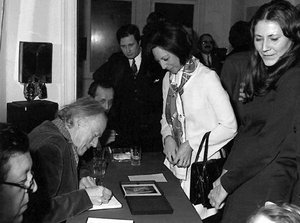
Пол Делвау
1897 - 1994 , Бельгия
Основные сведения
- Artistic Movement Or Style: Сюрреализм
- Artists Or Movements Influenced By This Artist: ['Будущие поколения']
- Artists Who Influenced This Artist:
- Джорджо де Кирико
- Рене Магритт
- Date Of Birth: 23 сентября 1897 г.
- Date Of Death: 20 июля 1994 г.
- Full Name: Paul Delvaux
- Nationality: Бельгиец
- Notable Artworks:
- Ночной поезд
- Спящая Венера
- Лето
- Place Of Birth: Ванзе, Бельгия
Похожие статьи
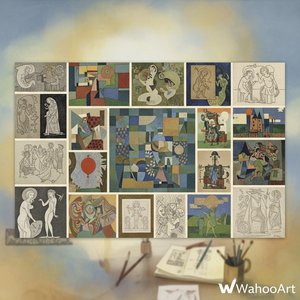
Пауль Клее: Топ-25 шедевров гения цвета и формы | ArtsDot
Погрузитесь в мир Пауля Клее! Топ-25 шедевров экспрессионизма и абстрактного искусства. Узнайте истории создания знаменитых картин, технику художника и вдохновитесь для интерьера. Репродукции музейного качества на ArtsDot.com.

25 Шедевров Поля Сезанна: Открывая Новую Эру в Искусстве | ArtsDot
Откройте для себя 25 величайших шедевров Поля Сезанна! Узнайте истории создания картин импрессионизма и постимпрессионизма, технику художника и вдохновение для вашего интерьера. Репродукции картин Сезанна высокого качества на ArtsDot.com.

Romantic Realism's Finest: 10 Masterpieces for Your Home | ArtsDot
Explore 10 defining masterpieces of Romantic Realism! Discover Courbet, Millet & Daumier's powerful paintings—capturing emotion and social realities. Find museum-quality reproductions for your home at ArtsDot.com.
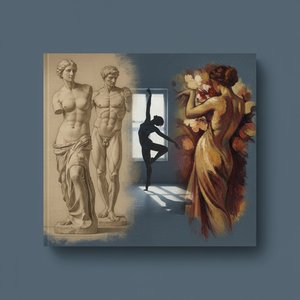
The Enduring Allure of the Nude: A Historical & Artistic Exploration of the Human Form
Explore the captivating history of nude art! Discover iconic paintings & artists from classical to modern eras. Uncover symbolism, techniques & find museum-quality reproductions at ArtsDot.
The Enigmatic Realm of Paul Delvaux: Surrealism, Memory & the Poetics of Disquiet
Explore the haunting dreamscapes of Paul Delvaux, a master of Surrealism. Discover his iconic motifs, classical influences & enduring legacy with ArtsDot.com.