

 Предпросмотр
 Поделиться
 Поделиться
 Детали произведения

 Скачать
 Похожие работы
 Рентгенография
 Слайд-шоу
 Статистика
The Tour
 Acrylic On Canvas
- WallArt
- Surrealist Dreamscapes
 1939
1939- Modern
 100.0 x 110.0 cm
 Читать далее
Приобретите цифровое изображение высокого разрешения в улучшенном качестве, которое значительно превосходит онлайн-превью.
Каждый файл тщательно подготавливается нашими специалистами с использованием передовых инструментов и экспертной ручной ретуши. Мы гарантируем исключительную четкость, точную цветопередачу и детальную проработку каждого изображения.
Финальный файл доставляется по электронной почте в течение 72 часов и оптимизирован для немедленного использования в профессиональной среде, при верстке и печати. Это тот же уровень качества, которому доверяют ведущие дизайнерские студии, издательства и галереи.
Цифровое изображение
Скачайте файл высокого разрешения для личного использования, печати и творческих проектов. ( Перейти к печати Купить картину ручной работы)
Включено в каждый заказ цифровых изображений
Гарантия экспертной цифровой доставки
Выбирая ArtsDot.com, вы получаете не просто изображение — вы приобретаете профессионально обработанное цифровое произведение искусства, созданное с безупречной точностью и под защитой гарантии качества. Вот всё, что автоматически входит в ваш заказ:

Мгновенная доставка по e-mail
Ваш цифровой файл в высоком разрешении будет отправлен вам по электронной почте в течение 72 часов после оформления заказа — и сразу станет доступен для использования.

Цифровой файл с ИИ-улучшением
Ваше произведение искусства проходит профессиональную оптимизацию с использованием передовых инструментов ИИ и ручной обработки, что гарантирует максимальную детализацию, четкость и точность цветопередачи.

Бессрочная бесплатная повторная доставка
Случайно удалили или потеряли файл? Не беспокойтесь — мы отправим его вам повторно в любое время и совершенно бесплатно.

Без импортных пошлин — навсегда
Наслаждайтесь вашим произведением искусства мгновенно без таможенных пошлин, сборов или затрат на доставку — цифровые загрузки всегда не облагаются налогом.

Гарантия точности цветопередачи
Мы гарантируем, что ваше цифровое изображение максимально точно передает оригинальные цвета благодаря использованию профессиональных инструментов и систем управления цветом.

Гарантия удовлетворенности 100 дней
Если вы не будете удовлетворены своим цифровым изображением, мы внесем правки или вернем 100% стоимости в течение 100 дней — без лишних вопросов.

100% Гарантия возврата средств
Не удовлетворены покупкой? Получите полный возврат средств в течение 100 дней после получения цифрового файла — без лишних вопросов.

Скидки на оптовые заказы
Купите 3 изображения, сэкономьте 10% — Купите 5, сэкономьте 15% — Купите 10+, сэкономьте 20%. Отличное решение для творческих проектов, галерей и агентств.
Paul Delvaux’s “The Tour”: A Descent into Surrealist Dreamscapes
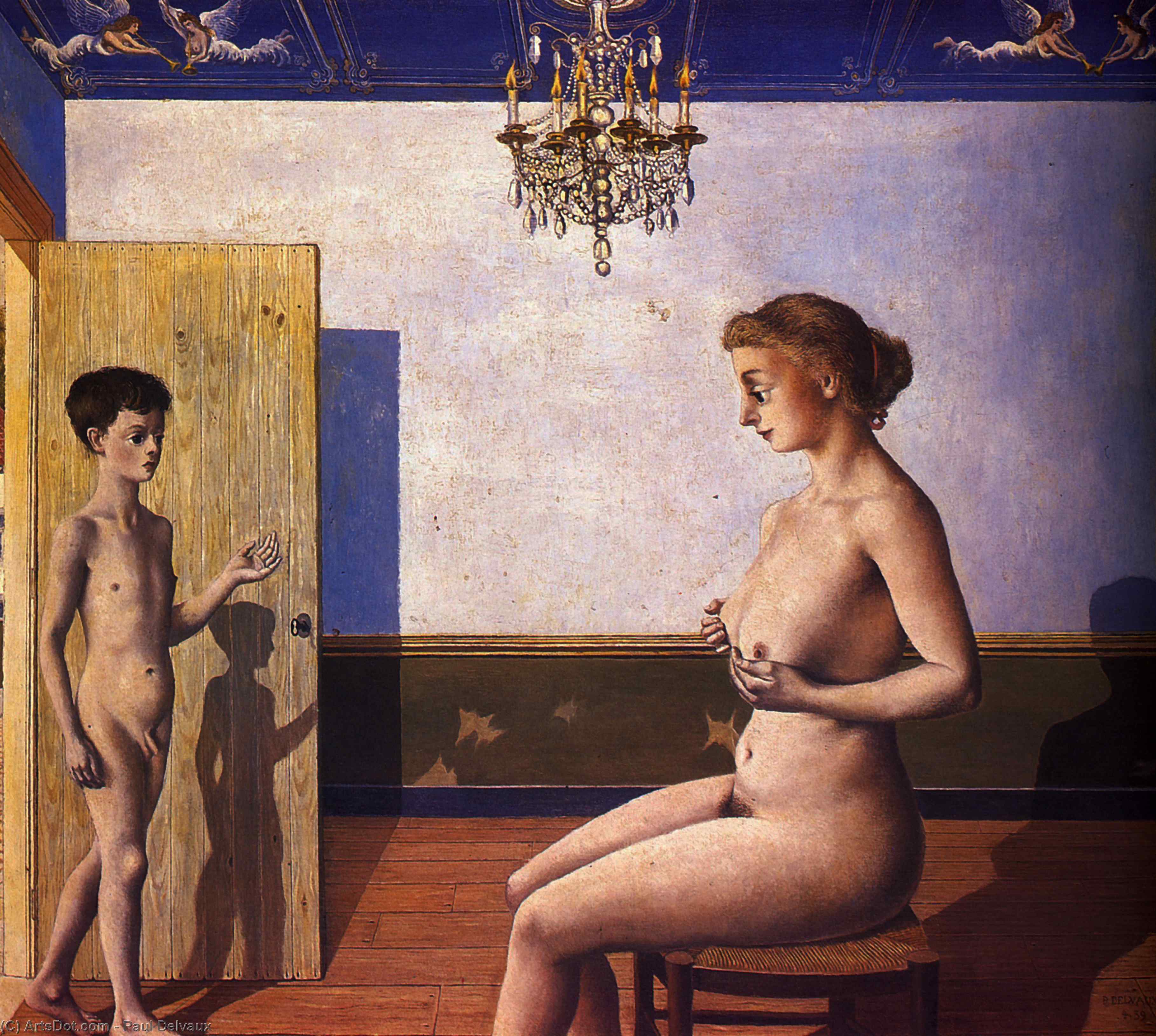
Paul Delvaux's "The Tour," painted in 1939, is more than just a depiction of two figures; it’s an immersion into the unsettling and profoundly beautiful world of surrealism. This meticulously rendered artwork, measuring 100 x 110 cm, captures a moment suspended between reality and dream, a hallmark of Delvaux's distinctive style. The scene unfolds with a stark simplicity – a man standing, a woman seated – yet the implications are layered with mystery and an almost unbearable tension. The figures, nude and seemingly oblivious to the viewer’s gaze, occupy a space dominated by opulent, decaying grandeur: towering chandeliers hang from the ceiling, casting distorted shadows that amplify the scene's inherent unease. This juxtaposition of vulnerability and luxury, of the mundane and the fantastical, is central to Delvaux’s artistic vision.
The Artist and His Vision
Born in 1897 in Wanze, Belgium, Paul Delvaux emerged as a key figure within the Surrealist movement, though he maintained a deliberate distance from its more overtly political or ideological aspects. His artistic journey was shaped by a unique confluence of influences – his rigorous classical education instilled a deep understanding of form and perspective, while his fascination with Jules Verne and Homer’s epic tales fueled his imagination. This tension between rational observation and fantastical narrative is powerfully evident in "The Tour." Delvaux's training at the Académie Royale des Beaux-Arts provided him with technical mastery, which he then wielded to create images that are both unsettlingly realistic and profoundly symbolic. His work reflects a desire to explore the subconscious, revealing hidden anxieties and desires through meticulously crafted scenes.
Symbolism and Atmosphere
The symbolism within "The Tour" is deliberately ambiguous, inviting multiple interpretations. The nude figures represent vulnerability and perhaps even a loss of control, while their interaction – or lack thereof – suggests a profound disconnection. The chandeliers, symbols of wealth and status, are rendered in a state of decay, hinting at the fragility of societal structures and the potential for beauty to become corrupted. The setting itself—a vast, empty space—contributes to the artwork’s sense of isolation and dread. Delvaux masterfully employs chiaroscuro, using dramatic contrasts of light and shadow to heighten the emotional impact and create a palpable atmosphere of suspense. The color palette – dominated by muted tones of gray, beige, and brown – further reinforces this feeling of decay and melancholy.
Technique and Historical Context
"The Tour" exemplifies Delvaux’s meticulous technique, characterized by a precise rendering of detail and an almost photographic realism. He employed oil paints on canvas with painstaking care, building up layers of color to achieve the desired effects. Painted in 1939, just before the outbreak of World War II, the artwork reflects the anxieties and uncertainties of the era. Surrealism, as a movement, was often seen as a response to the perceived irrationality and chaos of modern life. Delvaux’s work anticipates the darker themes that would become prevalent in art during the 20th century, offering a timeless meditation on human vulnerability and the unsettling nature of dreams.
Похожие произведения
Биография художника
A Dream Weaver: The Life and Art of Paul Delvaux
Paul Delvaux, a name synonymous with haunting beauty and unsettling mystery, was born in 1897 in the small Belgian village of Wanze – a place that would forever shape his artistic vision. His early life was a fascinating blend of rigorous discipline and fantastical imagination. Initially destined for a career in architecture by his parents, who valued practicality and order, Delvaux’s soul yearned for something more—a world beyond blueprints and measurements. He found solace in the works of Jules Verne, with his tales of adventure and exploration, and Homer's *Odyssey*, steeped in myth and timeless journeys. This duality – a fascination with both structure and boundless possibility – became the cornerstone of his artistic approach. Despite his parents’ hopes for him to pursue law, Delvaux enrolled at the Académie Royale des Beaux-Arts in Brussels, where he honed his skills in draughtsmanship, mastering perspective and form—skills that would later serve as the foundation for his surrealist dreamscapes. However, a failed mathematics exam led him away from architecture, setting him on a path toward painting, a decision that ultimately proved to be profoundly transformative.The Seeds of Surrealism: De Chirico and Early Influences
A pivotal moment in Delvaux’s artistic development arrived with his encounter with the paintings of Giorgio de Chirico. The Italian artist's metaphysical landscapes—characterized by stark shadows, classical architecture, and a pervasive sense of unease—struck a deep chord within Delvaux. De Chirico’s ability to evoke a feeling of disorientation and psychological tension resonated powerfully with the young Belgian painter. He began to incorporate elements from de Chirico’s work into his own paintings: desolate landscapes, enigmatic figures, and a deliberate blurring of reality and illusion. However, Delvaux's artistic journey wasn't solely defined by de Chirico. The influence of Flemish Expressionists like Constant Permeke and Gustave De Smet also played a significant role in shaping his palette and brushwork, lending a somber intensity to his early works. These influences—combined with the romanticism of Jules Verne and the epic scope of Homer—created a unique artistic foundation upon which Delvaux would build his distinctive style. He was drawn to the classical beauty of Flemish painting, but he wasn’t afraid to distort it, adding an element of unsettling strangeness.The Birth of a Dreamlike World
Delvaux's artistic breakthrough occurred in the mid-1930s as he began to fully embrace the principles of Surrealism—though he resisted being rigidly categorized within the movement. He started creating paintings populated by nude figures, often set against imposing architectural structures or within vast, desolate landscapes. These weren’t simply depictions of the human form; they were explorations of desire, alienation, and the hidden depths of the subconscious mind. The recurring motifs in his work—trains, skeletal figures, and veiled women—became symbols of a world both alluring and terrifying. His paintings evoked a sense of unease, a feeling that something unseen lurked beneath the surface of reality. Delvaux’s style was characterized by meticulous detail combined with an irrational, dreamlike quality. He meticulously rendered classical architecture, but often distorted it or placed it in unexpected contexts, creating a jarring juxtaposition of order and chaos. The artist himself described his imagery as stemming from deeply personal memories and impressions—a testament to the intensely subjective nature of his art.Recurring Motifs and Symbolic Language
Delvaux’s artistic language is rich with symbolism, though he consistently avoided providing explicit interpretations for his work. The female nude, a frequent subject in his paintings, often embodies both desire and vulnerability – a poignant combination of strength and fragility. Trains and railway stations frequently appear as symbols of transition, displacement, and the anxieties associated with modernity—a reflection of the rapidly changing world around him. Skeletons, far from being morbid reminders of death, represent a haunting presence, a subtle reminder of mortality that permeates even the most idyllic scenes. Classical architecture provides a backdrop of order and permanence, yet it is often rendered strangely distorted or incomplete, suggesting a fragility beneath its imposing facade. These elements are not merely decorative; they are integral to the emotional and psychological impact of his work. The artist’s meticulous attention to detail—the way he rendered light, shadow, and texture—contributed significantly to the overall atmosphere of mystery and intrigue that defines his oeuvre.Legacy and Lasting Influence
Paul Delvaux remained a singular figure in the art world throughout his long career. While briefly associated with the Surrealist movement, he maintained a degree of independence, refusing to adhere strictly to its tenets. His paintings continue to captivate audiences with their haunting beauty and enigmatic atmosphere. Major works such as *Night Train*, *Sleeping Venus*, *The Summer*, *Grise City*, and multiple versions of *Sleeping Venus* are held in prominent museums around the world—including the Tate Gallery in London and the Musee de Toyama in Japan. Delvaux’s influence can be seen in the work of numerous contemporary artists who explore themes of memory, desire, and the subconscious. He demonstrated that Surrealism could exist beyond the confines of automatic writing and dream analysis, embracing instead a meticulous technique and a deeply personal vision. His legacy endures not only through his paintings but also through the enduring power of his unique artistic language—a language that continues to speak to our deepest fears and desires. The Paul Delvaux Museum in Saint-Idesbald, Belgium, stands as a testament to his lasting impact, housing the world’s largest collection of his work and offering visitors a glimpse into the captivating realm of his imagination.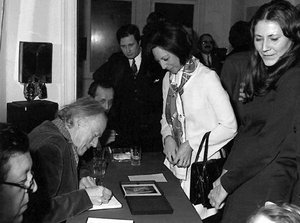
Пол Делвау
1897 - 1994 , Бельгия
Основные сведения
- Artistic Movement Or Style: Сюрреализм
- Artists Or Movements Influenced By This Artist: ['Будущие поколения']
- Artists Who Influenced This Artist:
- Джорджо де Кирико
- Рене Магритт
- Date Of Birth: 23 сентября 1897 г.
- Date Of Death: 20 июля 1994 г.
- Full Name: Paul Delvaux
- Nationality: Бельгиец
- Notable Artworks:
- Ночной поезд
- Спящая Венера
- Лето
- Place Of Birth: Ванзе, Бельгия