

 Предпросмотр
 Поделиться
 Поделиться
 Детали произведения

 Скачать
 Похожие работы
 Рентгенография
 Слайд-шоу
 Статистика
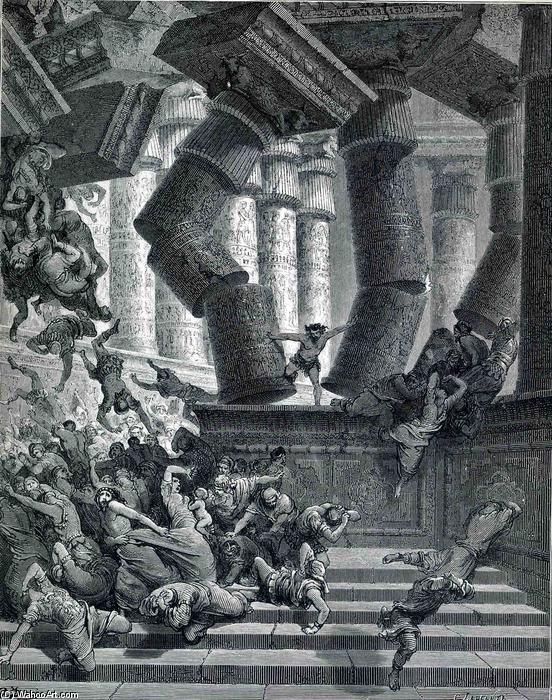
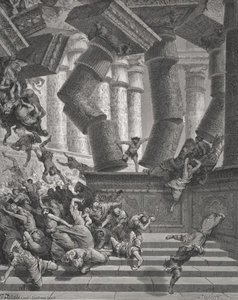
Death of Samson


 Читать далее
Приобретите цифровое изображение высокого разрешения в улучшенном качестве, которое значительно превосходит онлайн-превью.
Каждый файл тщательно подготавливается нашими специалистами с использованием передовых инструментов и экспертной ручной ретуши. Мы гарантируем исключительную четкость, точную цветопередачу и детальную проработку каждого изображения.
Финальный файл доставляется по электронной почте в течение 72 часов и оптимизирован для немедленного использования в профессиональной среде, при верстке и печати. Это тот же уровень качества, которому доверяют ведущие дизайнерские студии, издательства и галереи.
Цифровое изображение
Скачайте файл высокого разрешения для личного использования, печати и творческих проектов. ( Перейти к печати Купить картину ручной работы)
Включено в каждый заказ цифровых изображений
Гарантия экспертной цифровой доставки
Выбирая ArtsDot.com, вы получаете не просто изображение — вы приобретаете профессионально обработанное цифровое произведение искусства, созданное с безупречной точностью и под защитой гарантии качества. Вот всё, что автоматически входит в ваш заказ:

Мгновенная доставка по e-mail
Ваш цифровой файл в высоком разрешении будет отправлен вам по электронной почте в течение 72 часов после оформления заказа — и сразу станет доступен для использования.

Цифровой файл с ИИ-улучшением
Ваше произведение искусства проходит профессиональную оптимизацию с использованием передовых инструментов ИИ и ручной обработки, что гарантирует максимальную детализацию, четкость и точность цветопередачи.

Бессрочная бесплатная повторная доставка
Случайно удалили или потеряли файл? Не беспокойтесь — мы отправим его вам повторно в любое время и совершенно бесплатно.

Без импортных пошлин — навсегда
Наслаждайтесь вашим произведением искусства мгновенно без таможенных пошлин, сборов или затрат на доставку — цифровые загрузки всегда не облагаются налогом.

Гарантия точности цветопередачи
Мы гарантируем, что ваше цифровое изображение максимально точно передает оригинальные цвета благодаря использованию профессиональных инструментов и систем управления цветом.

Гарантия удовлетворенности 100 дней
Если вы не будете удовлетворены своим цифровым изображением, мы внесем правки или вернем 100% стоимости в течение 100 дней — без лишних вопросов.

100% Гарантия возврата средств
Не удовлетворены покупкой? Получите полный возврат средств в течение 100 дней после получения цифрового файла — без лишних вопросов.

Скидки на оптовые заказы
Купите 3 изображения, сэкономьте 10% — Купите 5, сэкономьте 15% — Купите 10+, сэкономьте 20%. Отличное решение для творческих проектов, галерей и агентств.
A Moment Frozen in Time: Gustave Doré's "Death of Samson"
Paul Gustave Doré’s “Death of Samson,” completed in 1866, is more than just an illustration; it’s a dramatic tableau vivant pulled directly from the pages of the Bible. This powerful engraving, rendered in stark black and white, captures the climactic moment when Samson, blinded and imprisoned by the Philistines, brings down the pillars supporting their temple, sacrificing himself to ensure his enemies' destruction. Doré, a master of Romanticism, doesn’t merely depict an event; he orchestrates a scene overflowing with chaos, despair, and a strange, defiant grandeur. The image resonates not just as a biblical narrative but as a universal exploration of strength, betrayal, and the ultimate cost of vengeance.The Artistry of Shadow and Line
Doré's technique is central to the engraving’s impact. He wasn't merely drawing; he was sculpting with light and shadow using an intricate network of lines. The sheer density of hatching and cross-hatching creates a remarkable sense of depth and texture, transforming the flat surface of the paper into a three-dimensional space teeming with figures and architectural detail. Notice how the collapsing columns are rendered not just as solid forms but as swirling masses of line, conveying their imminent descent with palpable urgency. The use of fine lines to delineate individual faces within the panicked crowd adds an astonishing level of realism, allowing us to glimpse the terror and disbelief etched onto each countenance. It’s important to remember that Doré often designed these complex scenes, relying on teams of skilled engravers to execute his vision – a testament to both his artistic genius and the collaborative nature of printmaking in the 19th century. The stark monochrome palette amplifies the drama; without color to distract, our eyes are drawn directly to the interplay of light and shadow, intensifying the emotional weight of the scene.A Romantic Vision of Biblical Tragedy
The mid-19th century was a period ripe with Romantic fervor, and Doré’s “Death of Samson” embodies many of its key characteristics. The emphasis on emotion, the dramatic composition, and the exploration of powerful themes like fate and sacrifice are all hallmarks of the movement. Unlike earlier depictions that might have focused solely on Samson's physical strength, Doré delves into the psychological turmoil of the moment. We see not just a hero bringing down a temple but a man stripped of his sight, driven by a desperate need for retribution. The crumbling architecture isn’t merely a backdrop; it symbolizes the downfall of an entire civilization, brought about by one act of defiance. This wasn't simply illustrating scripture; Doré was interpreting it through a Romantic lens, imbuing it with heightened emotional intensity and symbolic weight.Symbolism and Enduring Legacy
Beyond the immediate narrative, “Death of Samson” is rich in symbolism. The collapsing pillars represent not only the destruction of the Philistine temple but also the fragility of power and the inevitability of decline. Samson’s blindness serves as a poignant reminder of human fallibility and the consequences of pride. Yet, even in his vulnerability, he retains an undeniable strength – the strength to inflict one final, devastating blow. The chaotic arrangement of figures—some falling, some reaching out in despair—underscores the unpredictable nature of fate and the universal experience of loss. Doré’s “Death of Samson” has had a lasting impact on visual culture, influencing countless artists and inspiring interpretations across various media. It remains a powerful testament to the enduring appeal of biblical narratives and the ability of art to capture the complexities of human emotion.Похожие произведения
Биография художника
A Life Etched in Shadow and Light: The World of Gustave Doré
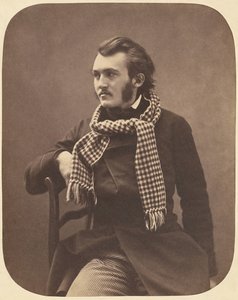
Paul Gustave Louis Christophe Doré, a name synonymous with dramatic illustration and evocative imagery, was a figure who profoundly shaped the visual landscape of 19th-century Europe. Born in Strasbourg, France, on January 6th, 1832, his life unfolded during a period of immense social and artistic transformation – a time when Romanticism’s passionate spirit was yielding to new currents of realism and symbolism. Even as a young boy, Doré exhibited an extraordinary talent, not merely for drawing—a skill he cultivated from an incredibly early age—but also with a personality brimming with theatricality and a deep sensitivity to the human condition. Tales abound of youthful pranks that revealed a maturity far beyond his years, foreshadowing the complex and often melancholic themes that would dominate his art. He embarked on his professional career remarkably early, at just fifteen years old, as a caricaturist for *Le Journal pour rire*, honing his observational skills and mastering the craft of composition within the vibrant world of Parisian satire.From Caricature to Literary Giants: The Rise of an Illustrator
Doré’s initial commissions laid the groundwork for his future renown. Works such as *Les Travaux d'Hercule* (1847), *Trois artistes incompris et mécontents* (1851), and *Les Dés-agréments d'un voyage d'agrément* (1851) showcased a burgeoning talent for dynamic composition and a masterful command of light and shadow, even in these relatively modest beginnings. He was deeply influenced by the illustrations of J.J. Grandville, whose fantastical imagery and satirical edge resonated with Doré’s own developing style – a shared fascination with social commentary and imaginative storytelling. However, it was through his collaborations with literary giants that Doré truly ascended to prominence. In 1853, he received a monumental commission to illustrate the works of Lord Byron, an undertaking that opened doors to further prestigious projects. This collaboration not only established him as a leading illustrator but also exposed his work to a vast and discerning audience. The ambitious task of illustrating the Bible followed, a project that would cement his reputation and bring his art before a global readership – a testament to his skill and ambition. His illustrations for Cervantes’ *Don Quixote* in the 1860s were particularly groundbreaking, profoundly influencing subsequent interpretations of the characters and narrative with their dramatic intensity and emotional depth. He didn't simply reproduce these stories; he reimagined them, imbuing them with a theatrical flair that captured the imagination of readers worldwide. The oversized edition of Edgar Allan Poe’s “The Raven,” completed in 1883, earned him an impressive 30,000 francs from Harper & Brothers, demonstrating the commercial success alongside the artistic acclaim he had achieved. His collaboration with Blanchard Jerrold on *London: A Pilgrimage* (1872) was a particularly poignant and controversial work, depicting the stark realities of Victorian London’s poverty and sparking debate about social conditions – a reflection of his willingness to confront difficult truths through his art.A Master of Technique: Wood Engraving and Romantic Vision
Doré's artistic prowess wasn't solely rooted in imaginative vision; it was inextricably linked to his technical mastery, particularly in wood engraving. He possessed an extraordinary ability to create incredibly detailed and dramatic images using this medium – a skill that allowed for the mass production and widespread dissemination of his work. His compositions are characterized by their dynamism, strong contrasts between light and shadow (a technique known as chiaroscuro), and a sense of grandeur that often evokes a feeling of awe or even terror. He frequently employed a large team of block-cutters to translate his designs into wood engravings, enabling the efficient production needed to meet the demands of publishers and readers alike. This process demanded immense patience and precision, reflecting Doré’s meticulous attention to detail. His style is firmly rooted in the Romantic tradition – emphasizing emotion, imagination, and the sublime—a fascination with the overwhelming power of nature and the human condition. He wasn't merely recording scenes; he was interpreting them through a lens of heightened emotionality and dramatic flair. This approach, while celebrated by many, also drew criticism from some contemporaries who found his work overly theatrical or lacking in subtlety.Notable Works and Lasting Influence
Doré’s artistic output spanned a remarkable range of subjects and styles. His illustrations for Dante's *Inferno* remain perhaps his most iconic achievement – a terrifying and unforgettable depiction of hell that continues to captivate audiences today. The sheer scale and detail of these engravings are breathtaking, showcasing Doré’s technical skill and imaginative power. His work on Milton’s *Paradise Lost* offered a contrasting vision of the heavens, filled with majestic beauty and divine splendor. Beyond these monumental projects, he produced countless illustrations for popular literature, including works by Cervantes, Shakespeare, and Poe. His depictions of London life in *London: A Pilgrimage* provided a stark and unflinching portrayal of poverty and social injustice. He was awarded the honor of being made a Chevalier de la Légion d'honneur by the French government in 1861 – a recognition of his growing influence within artistic circles. Despite facing some criticism during his lifetime—some found his style overly dramatic or lacking in subtlety—Doré’s work is now celebrated for its artistic merit and historical importance. His illustrations continue to shape our understanding of classic literature and Victorian society, offering a powerful visual interpretation of timeless stories and enduring themes. Paul Gustave Doré died on January 23rd, 1883, leaving behind an immense body of work that continues to captivate and inspire artists and readers alike. *His art remains a testament to the power of illustration to not only depict but also to interpret and transform the world around us.*Key Characteristics
- Dramatic Composition: Doré’s works are renowned for their dynamic arrangements, creating a sense of movement and excitement.
- Chiaroscuro: His masterful use of light and shadow – a technique known as chiaroscuro – adds depth and drama to his illustrations.
- Romanticism: His art is deeply rooted in the Romantic tradition, emphasizing emotion, imagination, and the sublime.
- Technical Skill: Doré’s expertise in wood engraving allowed him to create incredibly detailed and intricate images.
Доре, Гюстав
1832 - 1883 , Франция
Основные сведения
- Artistic Movement Or Style: Романтизм
- Artists Or Movements Influenced By This Artist: ['Винсент Ван Гог']
- Artists Who Influenced This Artist: ['Ж.Ж. Гранвилль']
- Date Of Birth: 6 января 1832 г.
- Date Of Death: 23 января 1883 г.
- Full Name: Paul Gustave Doré
- Nationality: Француз
- Notable Artworks:
- «Цветные» в Лондоне
- «Битва при Ватерлоо»
- «Дон Кихот»
- Place Of Birth: Страсбург, Франция