

 Предпросмотр
 Поделиться
 Поделиться
 Детали произведения

 Скачать
 Похожие работы
 Рентгенография
 Слайд-шоу
 Статистика
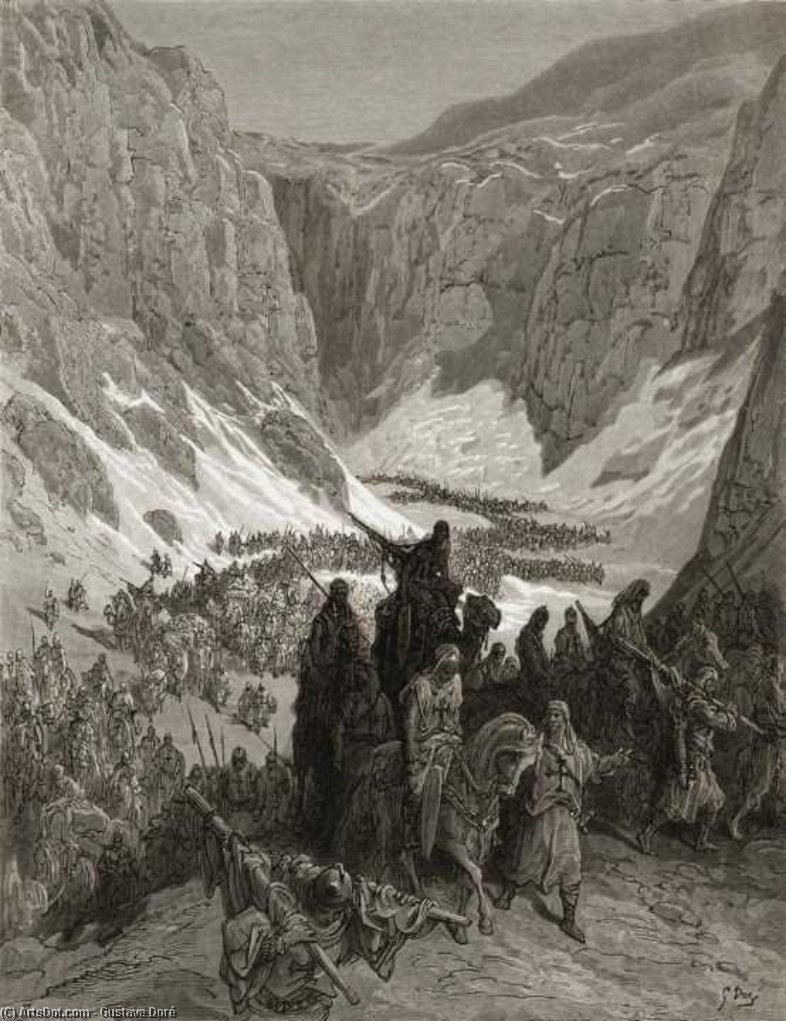
The Christian Army In The Mountains Of Judea

 Читать далее
Приобретите цифровое изображение высокого разрешения в улучшенном качестве, которое значительно превосходит онлайн-превью.
Каждый файл тщательно подготавливается нашими специалистами с использованием передовых инструментов и экспертной ручной ретуши. Мы гарантируем исключительную четкость, точную цветопередачу и детальную проработку каждого изображения.
Финальный файл доставляется по электронной почте в течение 72 часов и оптимизирован для немедленного использования в профессиональной среде, при верстке и печати. Это тот же уровень качества, которому доверяют ведущие дизайнерские студии, издательства и галереи.
Цифровое изображение
Скачайте файл высокого разрешения для личного использования, печати и творческих проектов. ( Перейти к печати Купить картину ручной работы)
Включено в каждый заказ цифровых изображений
Гарантия экспертной цифровой доставки
Выбирая ArtsDot.com, вы получаете не просто изображение — вы приобретаете профессионально обработанное цифровое произведение искусства, созданное с безупречной точностью и под защитой гарантии качества. Вот всё, что автоматически входит в ваш заказ:

Мгновенная доставка по e-mail
Ваш цифровой файл в высоком разрешении будет отправлен вам по электронной почте в течение 72 часов после оформления заказа — и сразу станет доступен для использования.

Цифровой файл с ИИ-улучшением
Ваше произведение искусства проходит профессиональную оптимизацию с использованием передовых инструментов ИИ и ручной обработки, что гарантирует максимальную детализацию, четкость и точность цветопередачи.

Бессрочная бесплатная повторная доставка
Случайно удалили или потеряли файл? Не беспокойтесь — мы отправим его вам повторно в любое время и совершенно бесплатно.

Без импортных пошлин — навсегда
Наслаждайтесь вашим произведением искусства мгновенно без таможенных пошлин, сборов или затрат на доставку — цифровые загрузки всегда не облагаются налогом.

Гарантия точности цветопередачи
Мы гарантируем, что ваше цифровое изображение максимально точно передает оригинальные цвета благодаря использованию профессиональных инструментов и систем управления цветом.

Гарантия удовлетворенности 100 дней
Если вы не будете удовлетворены своим цифровым изображением, мы внесем правки или вернем 100% стоимости в течение 100 дней — без лишних вопросов.

100% Гарантия возврата средств
Не удовлетворены покупкой? Получите полный возврат средств в течение 100 дней после получения цифрового файла — без лишних вопросов.

Скидки на оптовые заказы
Купите 3 изображения, сэкономьте 10% — Купите 5, сэкономьте 15% — Купите 10+, сэкономьте 20%. Отличное решение для творческих проектов, галерей и агентств.
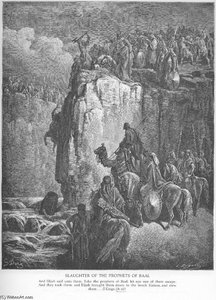
A Dramatic Ascent: Exploring Doré’s “The Christian Army In The Mountains Of Judea”
This powerful black and white illustration by Paul Gustave Doré (1832-1883) transports the viewer to a rugged, historically resonant landscape. Depicting a *Christian army traversing the mountainous terrain of Judea*, this work exemplifies Doré’s mastery of dramatic composition and intricate detail. It's a scene brimming with both physical hardship and spiritual resolve.Style & Technique: Romanticism Meets Engraving
Doré was a leading figure in the Romantic movement, known for his emotionally charged and often grandiose depictions of historical and literary subjects. This piece is characteristic of his style – a blend of meticulous realism and theatrical flair. The artwork’s strength lies in its masterful use of *chiaroscuro*, the dramatic contrast between light and dark, to sculpt form and create depth within the scene. While originally executed as a wood engraving (a technique Doré revolutionized), reproductions capture the incredible detail he achieved through this medium – from the texture of the soldiers' garments to the jagged peaks of the mountains. The absence of color focuses attention on these textural elements, enhancing the sense of austerity and struggle.Historical Context & Narrative
While the specific historical event depicted isn’t definitively known without further provenance information, the scene evokes the challenges faced by early Christian communities and armies operating in the harsh Judean landscape. The 19th century – Doré's era – saw a renewed interest in biblical narratives and historical epics, fueling demand for works like this. The image likely alludes to periods of conflict or pilgrimage, portraying the army not merely as a military force but as a determined group undertaking a perilous journey driven by faith. The snow-capped mountains suggest a winter campaign, adding another layer of difficulty to their mission.Symbolism & Interpretation
The mountainous landscape itself is symbolic – representing both physical obstacles and spiritual trials. *The upward movement of the army suggests aspiration and perseverance*, while the rugged terrain embodies the challenges inherent in their beliefs. The varied attire within the ranks hints at a diverse group united by a common purpose, perhaps reflecting different roles or social strata within the Christian community. Doré often imbued his work with religious undertones, and this piece is no exception; it speaks to themes of faith, resilience, and the enduring power of belief in the face of adversity.Emotional Impact & Aesthetic Appeal
“The Christian Army In The Mountains Of Judea” evokes a sense of awe and solemnity. The sheer scale of the scene – implied by the vast landscape and numerous figures – creates a feeling of grandeur, while the detailed depiction of individual soldiers grounds the image in human experience. This artwork is not simply a historical representation; it’s an *emotional journey* that invites contemplation on themes of faith, courage, and the enduring spirit of humanity.For Collectors & Designers
This piece – or a high-quality reproduction – would be a striking addition to any collection focused on 19th-century art, Romanticism, or religious iconography. Its dramatic composition and monochromatic palette make it versatile for interior design schemes ranging from traditional libraries to contemporary living spaces. The artwork’s powerful imagery lends itself well to creating a focal point in a room, inspiring conversation and contemplation. Its timeless appeal ensures its continued relevance for generations to come.Похожие произведения
Биография художника
A Life Etched in Shadow and Light: The World of Gustave Doré
Paul Gustave Louis Christophe Doré, a name synonymous with dramatic illustration and evocative imagery, was a figure who profoundly shaped the visual landscape of 19th-century Europe. Born in Strasbourg, France, on January 6th, 1832, his life unfolded during a period of immense social and artistic transformation – a time when Romanticism’s passionate spirit was yielding to new currents of realism and symbolism. Even as a young boy, Doré exhibited an extraordinary talent, not merely for drawing—a skill he cultivated from an incredibly early age—but also with a personality brimming with theatricality and a deep sensitivity to the human condition. Tales abound of youthful pranks that revealed a maturity far beyond his years, foreshadowing the complex and often melancholic themes that would dominate his art. He embarked on his professional career remarkably early, at just fifteen years old, as a caricaturist for *Le Journal pour rire*, honing his observational skills and mastering the craft of composition within the vibrant world of Parisian satire.From Caricature to Literary Giants: The Rise of an Illustrator
Doré’s initial commissions laid the groundwork for his future renown. Works such as *Les Travaux d'Hercule* (1847), *Trois artistes incompris et mécontents* (1851), and *Les Dés-agréments d'un voyage d'agrément* (1851) showcased a burgeoning talent for dynamic composition and a masterful command of light and shadow, even in these relatively modest beginnings. He was deeply influenced by the illustrations of J.J. Grandville, whose fantastical imagery and satirical edge resonated with Doré’s own developing style – a shared fascination with social commentary and imaginative storytelling. However, it was through his collaborations with literary giants that Doré truly ascended to prominence. In 1853, he received a monumental commission to illustrate the works of Lord Byron, an undertaking that opened doors to further prestigious projects. This collaboration not only established him as a leading illustrator but also exposed his work to a vast and discerning audience. The ambitious task of illustrating the Bible followed, a project that would cement his reputation and bring his art before a global readership – a testament to his skill and ambition. His illustrations for Cervantes’ *Don Quixote* in the 1860s were particularly groundbreaking, profoundly influencing subsequent interpretations of the characters and narrative with their dramatic intensity and emotional depth. He didn't simply reproduce these stories; he reimagined them, imbuing them with a theatrical flair that captured the imagination of readers worldwide. The oversized edition of Edgar Allan Poe’s “The Raven,” completed in 1883, earned him an impressive 30,000 francs from Harper & Brothers, demonstrating the commercial success alongside the artistic acclaim he had achieved. His collaboration with Blanchard Jerrold on *London: A Pilgrimage* (1872) was a particularly poignant and controversial work, depicting the stark realities of Victorian London’s poverty and sparking debate about social conditions – a reflection of his willingness to confront difficult truths through his art.A Master of Technique: Wood Engraving and Romantic Vision
Doré's artistic prowess wasn't solely rooted in imaginative vision; it was inextricably linked to his technical mastery, particularly in wood engraving. He possessed an extraordinary ability to create incredibly detailed and dramatic images using this medium – a skill that allowed for the mass production and widespread dissemination of his work. His compositions are characterized by their dynamism, strong contrasts between light and shadow (a technique known as chiaroscuro), and a sense of grandeur that often evokes a feeling of awe or even terror. He frequently employed a large team of block-cutters to translate his designs into wood engravings, enabling the efficient production needed to meet the demands of publishers and readers alike. This process demanded immense patience and precision, reflecting Doré’s meticulous attention to detail. His style is firmly rooted in the Romantic tradition – emphasizing emotion, imagination, and the sublime—a fascination with the overwhelming power of nature and the human condition. He wasn't merely recording scenes; he was interpreting them through a lens of heightened emotionality and dramatic flair. This approach, while celebrated by many, also drew criticism from some contemporaries who found his work overly theatrical or lacking in subtlety.Notable Works and Lasting Influence
Doré’s artistic output spanned a remarkable range of subjects and styles. His illustrations for Dante's *Inferno* remain perhaps his most iconic achievement – a terrifying and unforgettable depiction of hell that continues to captivate audiences today. The sheer scale and detail of these engravings are breathtaking, showcasing Doré’s technical skill and imaginative power. His work on Milton’s *Paradise Lost* offered a contrasting vision of the heavens, filled with majestic beauty and divine splendor. Beyond these monumental projects, he produced countless illustrations for popular literature, including works by Cervantes, Shakespeare, and Poe. His depictions of London life in *London: A Pilgrimage* provided a stark and unflinching portrayal of poverty and social injustice. He was awarded the honor of being made a Chevalier de la Légion d'honneur by the French government in 1861 – a recognition of his growing influence within artistic circles. Despite facing some criticism during his lifetime—some found his style overly dramatic or lacking in subtlety—Doré’s work is now celebrated for its artistic merit and historical importance. His illustrations continue to shape our understanding of classic literature and Victorian society, offering a powerful visual interpretation of timeless stories and enduring themes. Paul Gustave Doré died on January 23rd, 1883, leaving behind an immense body of work that continues to captivate and inspire artists and readers alike. *His art remains a testament to the power of illustration to not only depict but also to interpret and transform the world around us.*Key Characteristics
- Dramatic Composition: Doré’s works are renowned for their dynamic arrangements, creating a sense of movement and excitement.
- Chiaroscuro: His masterful use of light and shadow – a technique known as chiaroscuro – adds depth and drama to his illustrations.
- Romanticism: His art is deeply rooted in the Romantic tradition, emphasizing emotion, imagination, and the sublime.
- Technical Skill: Doré’s expertise in wood engraving allowed him to create incredibly detailed and intricate images.
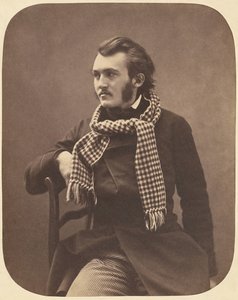
Доре, Гюстав
1832 - 1883 , Франция
Основные сведения
- Artistic Movement Or Style: Романтизм
- Artists Or Movements Influenced By This Artist: ['Винсент Ван Гог']
- Artists Who Influenced This Artist: ['Ж.Ж. Гранвилль']
- Date Of Birth: 6 января 1832 г.
- Date Of Death: 23 января 1883 г.
- Full Name: Paul Gustave Doré
- Nationality: Француз
- Notable Artworks:
- «Цветные» в Лондоне
- «Битва при Ватерлоо»
- «Дон Кихот»
- Place Of Birth: Страсбург, Франция