

 Предпросмотр
 Поделиться
 Поделиться
 Детали произведения

 Скачать
 Похожие работы
 Рентгенография
 Слайд-шоу
 Статистика
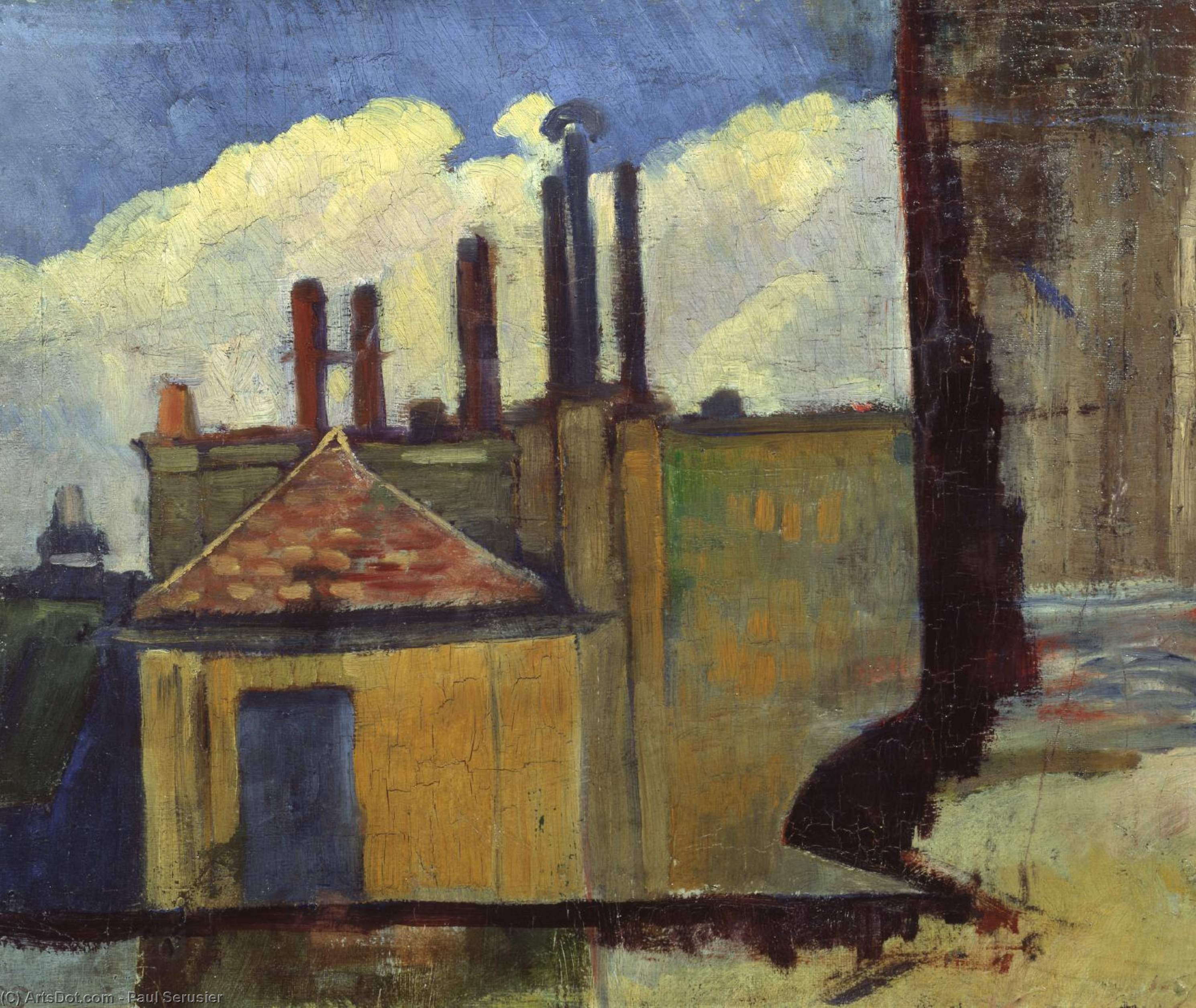
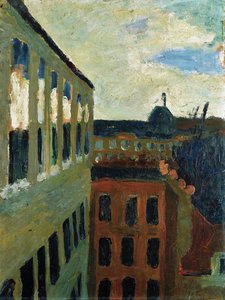
Roof Tops in Paris


 Читать далее
Приобретите цифровое изображение высокого разрешения в улучшенном качестве, которое значительно превосходит онлайн-превью.
Каждый файл тщательно подготавливается нашими специалистами с использованием передовых инструментов и экспертной ручной ретуши. Мы гарантируем исключительную четкость, точную цветопередачу и детальную проработку каждого изображения.
Финальный файл доставляется по электронной почте в течение 72 часов и оптимизирован для немедленного использования в профессиональной среде, при верстке и печати. Это тот же уровень качества, которому доверяют ведущие дизайнерские студии, издательства и галереи.
Цифровое изображение
Скачайте файл высокого разрешения для личного использования, печати и творческих проектов. ( Перейти к печати Купить картину ручной работы)
Включено в каждый заказ цифровых изображений
Гарантия экспертной цифровой доставки
Выбирая ArtsDot.com, вы получаете не просто изображение — вы приобретаете профессионально обработанное цифровое произведение искусства, созданное с безупречной точностью и под защитой гарантии качества. Вот всё, что автоматически входит в ваш заказ:

Мгновенная доставка по e-mail
Ваш цифровой файл в высоком разрешении будет отправлен вам по электронной почте в течение 72 часов после оформления заказа — и сразу станет доступен для использования.

Цифровой файл с ИИ-улучшением
Ваше произведение искусства проходит профессиональную оптимизацию с использованием передовых инструментов ИИ и ручной обработки, что гарантирует максимальную детализацию, четкость и точность цветопередачи.

Бессрочная бесплатная повторная доставка
Случайно удалили или потеряли файл? Не беспокойтесь — мы отправим его вам повторно в любое время и совершенно бесплатно.

Без импортных пошлин — навсегда
Наслаждайтесь вашим произведением искусства мгновенно без таможенных пошлин, сборов или затрат на доставку — цифровые загрузки всегда не облагаются налогом.

Гарантия точности цветопередачи
Мы гарантируем, что ваше цифровое изображение максимально точно передает оригинальные цвета благодаря использованию профессиональных инструментов и систем управления цветом.

Гарантия удовлетворенности 100 дней
Если вы не будете удовлетворены своим цифровым изображением, мы внесем правки или вернем 100% стоимости в течение 100 дней — без лишних вопросов.

100% Гарантия возврата средств
Не удовлетворены покупкой? Получите полный возврат средств в течение 100 дней после получения цифрового файла — без лишних вопросов.

Скидки на оптовые заказы
Купите 3 изображения, сэкономьте 10% — Купите 5, сэкономьте 15% — Купите 10+, сэкономьте 20%. Отличное решение для творческих проектов, галерей и агентств.
A Parisian Reverie: Paul Sérusier’s “Roof Tops in Paris”
Paul Sérusier's "Roof Tops in Paris," painted around 1891, isn’t merely a depiction of a cityscape; it’s a distilled moment of quiet contemplation captured with the nascent brushstrokes of a revolutionary artist. This unassuming canvas, now housed within the Tate Collection, offers a poignant glimpse into the burgeoning world of Post-Impressionism and the birth of modern art. Sérusier, a key figure in the influential “Nabis” movement – a group dedicated to exploring symbolism and rejecting academic constraints – employed a technique that deliberately moved away from photographic realism, prioritizing instead the emotional resonance and subjective experience of the scene. The painting’s power lies not in meticulous detail but in its evocative atmosphere, a subtle blend of melancholy and urban beauty.The Language of Cloisonnism
Sérusier's approach to this work is deeply rooted in what he termed “Cloisonnism,” a technique he pioneered alongside Paul Gauguin. Rather than blending colors seamlessly – the hallmark of Impressionism – Sérusier built up the image using distinct, separated brushstrokes of pure color applied in flat planes. This creates an almost mosaic-like effect, reminiscent of the decorative panels found in medieval and Renaissance cloisonné enamel work. The yellow building dominates the foreground, its warm tones radiating a gentle light that seems to emanate from within. Notice how the red roof is sharply defined against the cloudy sky, drawing the eye immediately to this central element. The surrounding structures are rendered with looser brushwork, suggesting distance and contributing to the overall sense of depth. This deliberate separation of color isn’t about creating a realistic representation; it's about conveying feeling – a quiet stillness, perhaps even a hint of loneliness – through the manipulation of pure hues.A Parisian Moment in Time
To understand “Roof Tops in Paris,” one must consider its historical context. Sérusier spent much of 1891 in Paris, absorbing the energy and atmosphere of the city while simultaneously seeking inspiration for his art. The painting captures a specific moment – likely late afternoon – as the light softens and casts long shadows across the rooftops. The inclusion of factory chimneys and brick walls hints at the industrialization that was rapidly transforming Paris during this period, adding a layer of complexity to the scene. It’s important to note that Sérusier later moved to Brittany, where he continued to experiment with his artistic vision, developing further techniques like Synthetism and cloisonnism. The Parisian backdrop provides a crucial link between these early explorations and his later, more abstract works.Symbolic Resonance and Emotional Depth
Beyond its technical innovations, “Roof Tops in Paris” possesses a subtle symbolic weight. The muted colors and the solitary figures suggest a sense of isolation within the bustling city. The cloudy sky evokes a feeling of introspection, inviting the viewer to contemplate their own place within the urban landscape. The painting’s quietness is profoundly moving; it's not a vibrant celebration of Parisian life but rather a poignant meditation on its complexities and the human condition. It’s this ability to evoke emotion through restrained color and form that elevates “Roof Tops in Paris” beyond a simple cityscape – transforming it into a timeless work of art.A Legacy of Innovation
Paul Sérusier's "Roof Tops in Paris" stands as a pivotal work in the development of modern art, demonstrating the shift away from traditional representation towards a more subjective and expressive approach. His pioneering use of Cloisonnism influenced generations of artists, including Matisse and Braque, who would later build upon his techniques to create their own groundbreaking works. Today, this painting continues to resonate with viewers, offering a glimpse into the artistic spirit of a transformative era and reminding us of the power of art to capture not just what we see, but how we feel.Похожие произведения


Биография художника
Paul Sérusier: Pioneer of Abstraction and the Nabis Movement
Paul Sérusier, born in Paris on November 9th, 1864, and passing away on October 7th, 1927, stands as a pivotal figure in the evolution of modern art. More than simply a painter, he was a visionary who profoundly influenced the trajectory of abstract expressionism and laid the groundwork for the Nabis movement – a group that sought to redefine the very essence of painting. His early life, steeped in Parisian culture and artistic education, provided the fertile ground from which his revolutionary ideas blossomed.
Sérusier’s formal training began at the Académie Julian, an institution known for its progressive approach to art education, offering a more open-ended environment than the rigid structure of the École des Beaux-Arts. This allowed him to explore diverse styles and techniques, ultimately shaping his unique artistic vision. Crucially, he spent a summer in 1888 at Pont-Aven, a small village nestled in Brittany, where he encountered a vibrant community of artists – Paul Gauguin, Édouard Vuillard, Pierre Bonnard, and Maurice Denis – who would become his closest collaborators and intellectual peers. It was during this period that Sérusier’s artistic philosophy began to take shape, moving away from traditional representational techniques towards a more subjective and evocative approach.
The Cloisonnism Experiment and the Birth of Abstraction
The summer at Pont-Aven proved transformative for Sérusier. Under Gauguin's guidance, he embarked on an ambitious project: “Bois d’Amour” (The Lovers’ Wood), a painting that would become synonymous with cloisonnism – a technique pioneered by Gauguin and later embraced by Sérusier. Cloisonnism involved creating flat planes of color separated by bold black outlines, resembling the individual cells of a stained-glass window. This radical departure from traditional perspective and shading resulted in an image that was almost entirely devoid of recognizable forms, pushing the boundaries of representation towards pure abstraction. “Bois d’Amour” wasn't merely a painting; it was an experiment – a deliberate attempt to strip away illusion and capture the essence of perception through color and line.
Sérusier’s exploration of cloisonnism didn’t end with "The Talisman," another significant work from 1894, also created at Pont-Aven. He continued to refine this technique, using it as a springboard for further experimentation with form and color. His paintings during this period are characterized by flattened planes, simplified shapes, and a vibrant palette – a deliberate rejection of academic conventions in favor of a more personal and expressive style.
The Nabis: A Collective Pursuit of Spiritual Expression
Sérusier’s artistic journey culminated in his involvement with the Nabis (meaning “prophets”), a small group of artists who formed around Paul Gauguin in the early 1890s. The Nabis sought to create a new form of art that combined decorative elements with profound spiritual and emotional content. They rejected the prevailing trends of Impressionism and Post-Impressionism, aiming instead for a synthesis of color, line, and symbolism. Sérusier played a crucial role in shaping the group’s aesthetic principles, advocating for the use of bold colors, simplified forms, and evocative imagery.
The Nabis' work was deeply influenced by Symbolism, a literary and artistic movement that explored themes of mysticism, dreams, and the subconscious. They believed that art should not merely imitate reality but rather convey deeper truths about the human condition. Sérusier’s paintings often reflected this spiritual dimension, imbued with a sense of melancholy, introspection, and longing.
Notable Works and Lasting Legacy
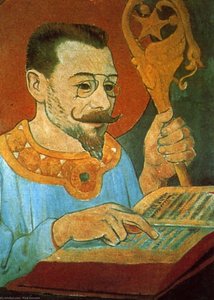
Sérusier's artistic output includes several key works that exemplify his innovative approach to painting. “L’Averse” (The Shower), painted in 1893, showcases his mastery of color and composition. His portrait of Paul Ranson, completed in 1890, is a testament to his ability to capture the essence of his subject through subtle gestures and expressive brushstrokes. "Melancholy," created in 1890, embodies the group's exploration of emotional depth. “The Snake Eaters,” painted in 1894, demonstrates his continued experimentation with abstraction and symbolism.
Beyond his individual achievements, Sérusier’s legacy extends far beyond his own paintings. He was a key figure in the development of abstract art, inspiring generations of artists to explore new ways of seeing and representing the world. His influence can be seen in the work of many prominent modernists, including Matisse, Kandinsky, and Nolde. Sérusier’s dedication to exploring the expressive potential of color and line paved the way for a radical shift in artistic thinking, solidifying his place as one of the most important figures in the history of art.
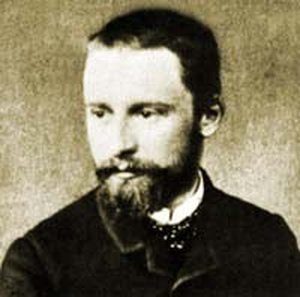
Пауль Сёрюзэр
1864 - 1927 , Франция
Основные сведения
- Вдохновленные Художники/Движения: ['Набисты']
- Влиявшие Художники:
- Пол Гюген
- Морис Денё
- Гражданство: Француз
- Дата Рождения: 9 ноября 1864 г.
- Дата Смерти: 7 октября 1927 г.
- Известные Работы:
- La Talisman
- L'aversé
- Место Рождения: Париж, Франция
- Полное Имя: Луи-Поль-Энри Серузёр
- Художественный Стиль: Пост-импрессионизм