 Предпросмотр
 Поделиться
 Поделиться
 Детали произведения

 Скачать
 Похожие работы
 Рентгенография
 Слайд-шоу
 Статистика
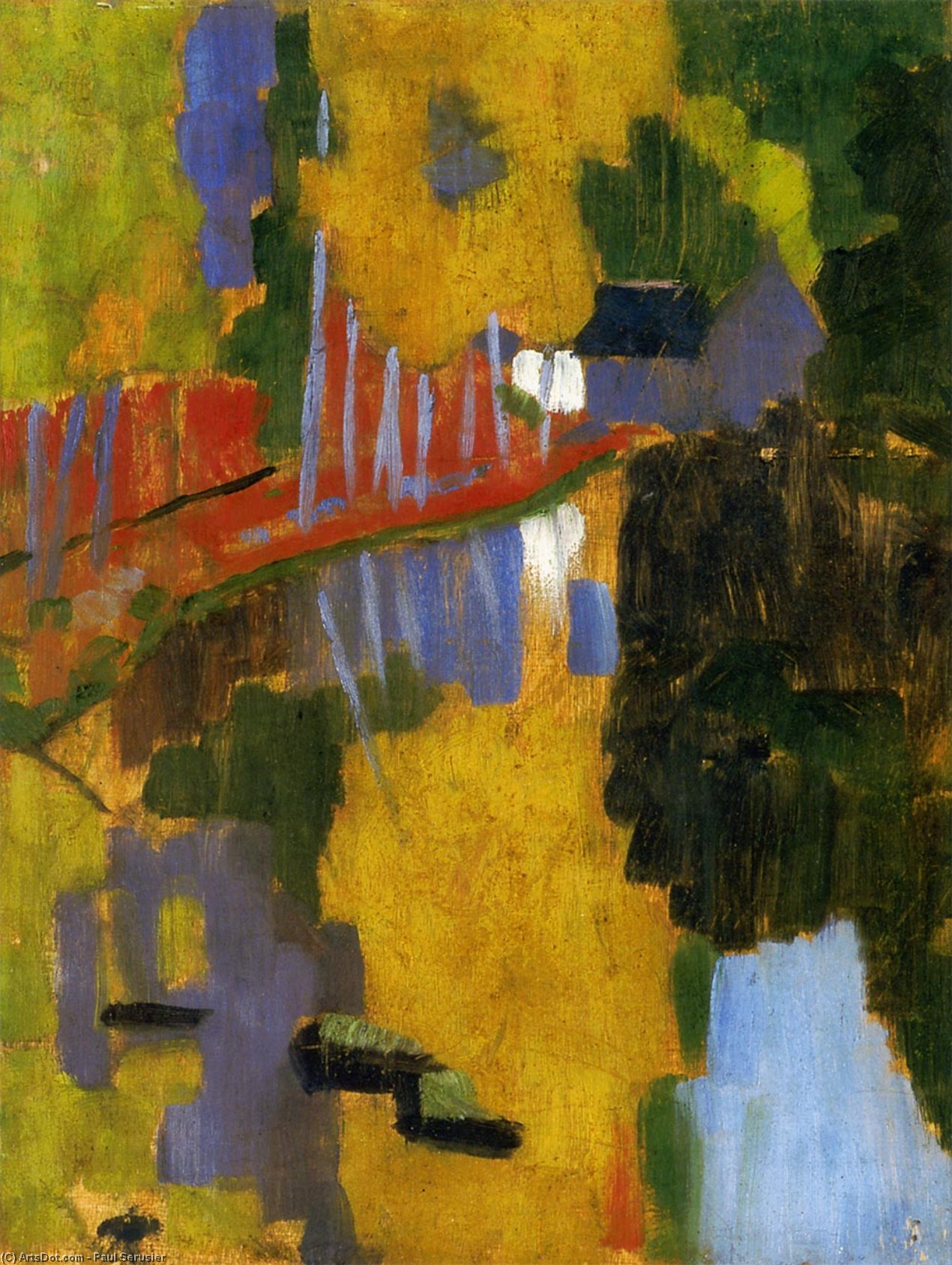
The Talisman
 Oil
Oil- WallArt
- Post-Impressionism
 1888
1888- 19th Century
 21.0 x 27.0 cm
 Читать далее
Масляная репродукция ручной работы
Картина маслом на холсте в выбранном вами размере и раме, написанная на заказ нашими художниками. ( Перейти к печати Перейти к цифровым изображениям)




































Выберите один из наших стандартных размеров, соответствующих оригинальным пропорциям произведения искусства.

Вы можете указать собственные размеры, чтобы картина идеально вписалась в выбранную раму или пространство. Если выбранный вами размер не соответствует пропорциям оригинала, мы либо обрежем полотно, либо расширим его за счет дополнительных элементов, написанных вручную. Цифровой макет будет отправлен вам на утверждение перед началом производства.
Обратите внимание, что предварительный просмотр на экране не отражает фактическую обрезку или расширение. Только макет точно покажет окончательную композицию.
Хотя доступны индивидуальные размеры, мы рекомендуем выбирать вариант из предопределенного списка, чтобы сохранить исходные пропорции.
После оформления заказа команда ArtsDot.com свяжется с клиентом по электронной почте для уточнения деталей и предоставит предварительный макет
Доставка по всему миру () за 3–4 недели вместо стандартных 5 недель. (10 Сентябрь). Без компромиссов в качестве.

Бесплатная экспресс-доставка по всему миру

Высококачественный льняной холст

Полное страхование доставки

Гарантия возмещения таможенных пошлин

Гарантия точного соответствия цветов

100-дневная политика возврата (только при обнаружении дефектов)

Гарантия возврата 100% средств

Предложение оптовых скидок
 Вариант со стеклом доступен только для размеров менее 110 см

The Talisman
Техника репродукции
Размер репродукции
-


Итоговая стоимость
$ 263
A Visionary Fragment: The Birth of Abstraction
In the annals of modern art history, few small-scale works possess the seismic power of Paul Sérusier’s The Talisman. Painted in 1888, this miniature masterpiece serves as much more than a mere landscape; it is a manifesto captured in pigment. Created during a transformative summer in Pont-Aven, the painting emerged from a profound encounter between the young Sérusier and the seasoned Paul Gauguin. Under Gauguin’s rigorous guidance, Sérus deliberately moved away from the fleeting light of Impressionism toward a more structured, symbolic language. The result is a work that does not merely represent a bridge over water, but rather distills the very essence of nature into a rhythmic arrangement of pure color and form.
The composition invites the viewer to wander across a vibrant yellow archway that spans the canvas with architectural confidence. Below, the water reflects a kaleidoscope of hues, while the background is populated by lush, stylized trees that frame the scene in an embrace of verdant tones. The presence of small figures on the bridge and birds drifting through the sky adds a layer of lively, breathing energy to the piece, preventing the abstraction from feeling cold or detached. Instead, there is a palpable sense of movement and life, as if the viewer has stumbled upon a fleeting, magical moment in the French countryside.
The Mastery of Cloisonnism and Color
Technically, The Talisman is a triumph of Cloisonnism, a style characterized by bold, flat areas of color separated by dark, distinct outlines. This technique, reminiscent of medieval stained glass, allows Sérusier to experiment with the emotional weight of color rather than the literal accuracy of light and shadow. The palette is unapologetically bright and saturated; the brilliant yellows and deep greens work in harmony to create a visual vibration that captivates the eye. By reducing the landscape to its most essential geometric components, Sérusier paved the way for the Nabis movement and the eventual rise of pure abstraction.
For the discerning collector or interior designer, this painting offers an unparalleled opportunity to introduce a piece of art history into a contemporary space. The work’s compact dimensions—a mere 21 x 27 cm—make it an intimate jewel, perfect for a curated gallery wall or as a focal point in a sophisticated study. A high-quality reproduction of this masterpiece brings with it not just the aesthetic beauty of Post-Impressionism, but the intellectual weight of a painting that changed the course of Western art. It is a conversation starter, a burst of historical vitality, and a profound testament to the power of seeing the world through a lens of pure, unadulterated color.
Похожие произведения
Биография художника
Paul Sérusier: Pioneer of Abstraction and the Nabis Movement
Paul Sérusier, born in Paris on November 9th, 1864, and passing away on October 7th, 1927, stands as a pivotal figure in the evolution of modern art. More than simply a painter, he was a visionary who profoundly influenced the trajectory of abstract expressionism and laid the groundwork for the Nabis movement – a group that sought to redefine the very essence of painting. His early life, steeped in Parisian culture and artistic education, provided the fertile ground from which his revolutionary ideas blossomed.
Sérusier’s formal training began at the Académie Julian, an institution known for its progressive approach to art education, offering a more open-ended environment than the rigid structure of the École des Beaux-Arts. This allowed him to explore diverse styles and techniques, ultimately shaping his unique artistic vision. Crucially, he spent a summer in 1888 at Pont-Aven, a small village nestled in Brittany, where he encountered a vibrant community of artists – Paul Gauguin, Édouard Vuillard, Pierre Bonnard, and Maurice Denis – who would become his closest collaborators and intellectual peers. It was during this period that Sérusier’s artistic philosophy began to take shape, moving away from traditional representational techniques towards a more subjective and evocative approach.
The Cloisonnism Experiment and the Birth of Abstraction
The summer at Pont-Aven proved transformative for Sérusier. Under Gauguin's guidance, he embarked on an ambitious project: “Bois d’Amour” (The Lovers’ Wood), a painting that would become synonymous with cloisonnism – a technique pioneered by Gauguin and later embraced by Sérusier. Cloisonnism involved creating flat planes of color separated by bold black outlines, resembling the individual cells of a stained-glass window. This radical departure from traditional perspective and shading resulted in an image that was almost entirely devoid of recognizable forms, pushing the boundaries of representation towards pure abstraction. “Bois d’Amour” wasn't merely a painting; it was an experiment – a deliberate attempt to strip away illusion and capture the essence of perception through color and line.
Sérusier’s exploration of cloisonnism didn’t end with "The Talisman," another significant work from 1894, also created at Pont-Aven. He continued to refine this technique, using it as a springboard for further experimentation with form and color. His paintings during this period are characterized by flattened planes, simplified shapes, and a vibrant palette – a deliberate rejection of academic conventions in favor of a more personal and expressive style.
The Nabis: A Collective Pursuit of Spiritual Expression
Sérusier’s artistic journey culminated in his involvement with the Nabis (meaning “prophets”), a small group of artists who formed around Paul Gauguin in the early 1890s. The Nabis sought to create a new form of art that combined decorative elements with profound spiritual and emotional content. They rejected the prevailing trends of Impressionism and Post-Impressionism, aiming instead for a synthesis of color, line, and symbolism. Sérusier played a crucial role in shaping the group’s aesthetic principles, advocating for the use of bold colors, simplified forms, and evocative imagery.
The Nabis' work was deeply influenced by Symbolism, a literary and artistic movement that explored themes of mysticism, dreams, and the subconscious. They believed that art should not merely imitate reality but rather convey deeper truths about the human condition. Sérusier’s paintings often reflected this spiritual dimension, imbued with a sense of melancholy, introspection, and longing.
Notable Works and Lasting Legacy
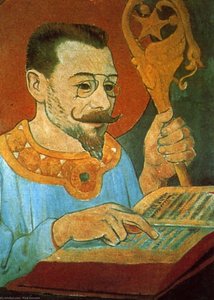
Sérusier's artistic output includes several key works that exemplify his innovative approach to painting. “L’Averse” (The Shower), painted in 1893, showcases his mastery of color and composition. His portrait of Paul Ranson, completed in 1890, is a testament to his ability to capture the essence of his subject through subtle gestures and expressive brushstrokes. "Melancholy," created in 1890, embodies the group's exploration of emotional depth. “The Snake Eaters,” painted in 1894, demonstrates his continued experimentation with abstraction and symbolism.
Beyond his individual achievements, Sérusier’s legacy extends far beyond his own paintings. He was a key figure in the development of abstract art, inspiring generations of artists to explore new ways of seeing and representing the world. His influence can be seen in the work of many prominent modernists, including Matisse, Kandinsky, and Nolde. Sérusier’s dedication to exploring the expressive potential of color and line paved the way for a radical shift in artistic thinking, solidifying his place as one of the most important figures in the history of art.
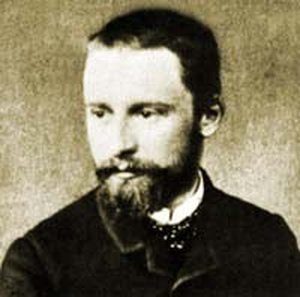
Пауль Сёрюзэр
1864 - 1927 , Франция
Основные сведения
- Вдохновленные Художники/Движения: ['Набисты']
- Влиявшие Художники:
- Пол Гюген
- Морис Денё
- Гражданство: Француз
- Дата Рождения: 9 ноября 1864 г.
- Дата Смерти: 7 октября 1927 г.
- Известные Работы:
- La Talisman
- L'aversé
- Место Рождения: Париж, Франция
- Полное Имя: Луи-Поль-Энри Серузёр
- Художественный Стиль: Пост-импрессионизм
Похожие статьи
Топ-10 шедевров импрессионизма: пейзажи, изменившие искусство | ArtsDot
Погрузитесь в мир импрессионизма! Откройте 10 шедевров Моне, Ренуара и других великих художников. Узнайте историю создания культовых пейзажей и вдохновитесь для декора вашего дома. Репродукции картин высокого качества на ArtsDot.com.

Геометрическая абстракция: 10 шедевров, изменивших искусство | ArtsDot.com
Погрузитесь в мир геометрической абстракции! От Кандинского до Малевича – 10 шедевров, изменивших искусство. Узнайте историю создания и значение культовых картин. Репродукции музейного качества на ArtsDot.com. Вдохновение для вашего интерьера!
Топ-10 шедевров абстрактного экспрессионизма: искусство для вашего интерьера от ArtsDot.com
Погрузитесь в мир абстрактного экспрессионизма! Откройте для себя 10 шедевров Поллока, Ротко и других гениев. История искусства, техники живописи и вдохновение для вашего интерьера от ArtsDot.com. Explore the full collection online!

Топ-25 шедевров Василия Кандинского: Абстрактное искусство для вашего интерьера
Погрузитесь в мир абстрактного искусства с Василием Кандинским! 25 шедевров экспрессионизма, баухауса и русского авангарда. Репродукции картин Кандинского для вдохновения и декора вашего интерьера. Откройте всю коллекцию на ArtsDot.com
Топ-10 шедевров импрессионизма: пейзажи, изменившие искусство | ArtsDot
Погрузитесь в мир импрессионизма! Откройте топ-10 шедевров Моне, Ренуара и других великих художников. Узнайте историю создания культовых пейзажей и вдохновитесь для декора интерьера. Репродукции картин высокого качества на ArtsDot.com