

 Предпросмотр
 Поделиться
 Поделиться
 Детали произведения

 Скачать
 Похожие работы
 Рентгенография
 Слайд-шоу
 Статистика
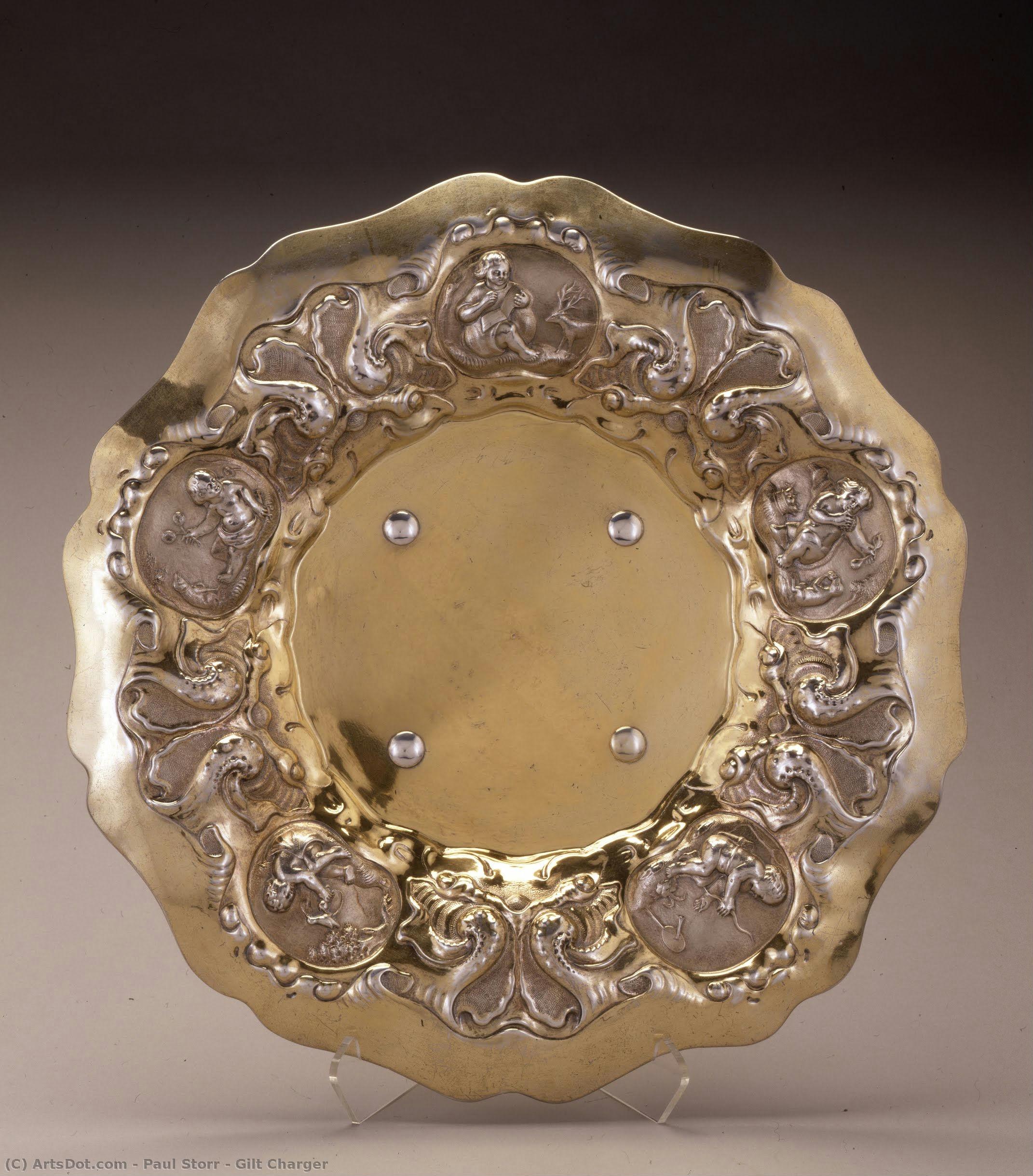
Gilt Charger

 Читать далее
Жикле / Арт-принт
Печать (жикле) или холст музейного качества с быстрыми сроками изготовления и широким выбором вариантов отделки. ( Купить картину ручной работы Перейти к цифровым изображениям)




































Выберите один из наших стандартных размеров, соответствующих оригинальным пропорциям произведения искусства.

Вы можете указать свои собственные размеры, чтобы репродукция идеально подошла под конкретную раму или пространство. Если выбранный вами размер не будет соответствовать пропорциям оригинала, мы либо обрежем произведение, либо дополним изображение зеркальным отражением краев или однотонной заливкой. Перед началом производства вам будет отправлен цифровой макет для утверждения.
Пожалуйста, обратите внимание, что предварительный просмотр на экране не отображает фактическую обрезку или расширение изображения. Только макет точно покажет финальную композицию.
Несмотря на возможность заказа индивидуальных размеров, мы рекомендуем выбирать размер из предопределенного списка, чтобы сохранить оригинальные пропорции.
Доставка по всему миру () за 2 недели вместо стандартных 4/5 недель. (12 Сентябрь)

Бесплатная экспресс-доставка по всему миру

Высококачественный льняной холст

Полное страхование доставки

Гарантия возмещения таможенных пошлин

Гарантия точного соответствия цветов

100-дневная политика возврата (только при обнаружении дефектов)

Гарантия возврата 100% средств

Предложение оптовых скидок
 Вариант со стеклом доступен только для размеров менее 110 см

Gilt Charger
Жикле / Арт-принт
Размер репродукции
-


Итоговая стоимость
$ 62
Похожие произведения










Биография художника
The Regency’s Master Silversmith: Paul Storr and the Art of Opulence
Paul Storr, born in London in 1771, emerged as a defining figure in the world of English silver during the Regency era—a period synonymous with refined taste, aristocratic patronage, and an exuberant embrace of classical forms. While biographical details surrounding his early life remain somewhat sparse, it is known that he entered the goldsmithing trade through his father, a skilled silver chaser who recognized the burgeoning opportunities within London’s thriving commercial landscape. At just fourteen years old, Storr embarked on an apprenticeship with Andrew Fogelberg, a Swedish plate worker whose neoclassical style would profoundly shape the young artisan's initial aesthetic direction. This foundational training instilled in him not only technical proficiency but also an appreciation for the elegance and restraint that characterized the late 18th-century decorative arts. Following his apprenticeship, Storr briefly partnered with William Frisbee before establishing his independent workshop on Air Street in 1796, a pivotal moment marking the beginning of his ascent as a leading silversmith.Early Commissions and the Rise to Prominence
The late 18th century witnessed a growing demand for silver among Britain’s increasingly affluent elite, and Storr quickly distinguished himself through the quality and sophistication of his work. His early commissions showcased an evolving neoclassical style, characterized by intricate detailing and classical motifs. However, it was the creation of the Battle of the Nile Cup in 1799—a magnificent tribute to Lord Horatio Nelson’s naval victory—that truly catapulted Storr into prominence. This exceptional piece, commissioned as a presentation gift, demonstrated his mastery of both design and execution, solidifying his reputation among discerning patrons. The cup wasn't merely an object of beauty; it was a powerful symbol of national pride and military triumph, meticulously crafted to reflect the grandeur of the occasion. His marriage in 1801 to Elizabeth Susanna Beyer, from a family of piano makers, further stabilized his life and allowed him to focus on expanding his artistic endeavors.Collaboration with Rundell, Bridge & Rundell: A Period of Unparalleled Craftsmanship
In 1806, Storr entered into a significant partnership with Rundell, Bridge & Rundell—the preeminent silver retailer of the era and holders of the Royal Warrant. This collaboration proved transformative for both parties. Rundell, Bridge & Rundell provided access to an unparalleled network of wealthy clients, including the Prince Regent (later George IV), while Storr brought his exceptional skills to bear on a vast array of commissions. The firm catered to the lavish tastes of royalty and aristocracy, producing everything from simple tableware to elaborate sculptural pieces. During this period, Storr’s work encompassed both neoclassical designs and the increasingly popular Rococo style—a testament to his versatility and adaptability. While Rundell often dictated the overall design aesthetic, Storr's role as craftsman was paramount in bringing these visions to life with exquisite detail and technical precision. He became renowned for his ability to execute richly ornamented works, particularly presentation silver, establishing a standard of craftsmanship that remains highly regarded today.Independent Ventures and Lasting Legacy
In 1819, Storr dissolved his partnership with Rundell, Bridge & Rundell and established Hunt and Roskell with John Samuel Hunt. This venture allowed him greater creative control but also presented new challenges. A subsequent partnership with John Mortimer in 1822, trading as Storr and Mortimer, proved somewhat turbulent due to financial difficulties. Despite these setbacks, Storr continued to produce exceptional silver throughout the 1830s, maintaining his reputation for quality and innovation. He retired in 1838, leaving behind a legacy of unparalleled craftsmanship that profoundly influenced the course of English silversmithing. His work continues to be celebrated for its elegance, technical brilliance, and enduring appeal—a testament to the artistry of a master silversmith who captured the spirit of the Regency era. Paul Storr’s pieces are not merely objects; they are embodiments of wealth, power, and refined taste, reflecting an age of opulence and artistic innovation. His influence can be seen in the work of subsequent generations of silversmiths, solidifying his place as a true icon of British decorative arts. The exquisite detail and sculptural quality of his creations continue to captivate collectors and enthusiasts alike.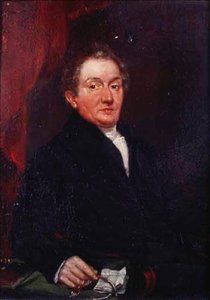
paul storr
1771 - 1844 , United Kingdom
Основные сведения
- Artistic Movement Or Style: Sculpture
- Artists Or Movements Influenced By This Artist: ['']
- Artists Who Influenced This Artist: ['']
- Date Of Birth: 1771
- Date Of Death: 1851
- Full Name: John Henning
- Nationality: Scottish
- Notable Artworks:
- David Garrick as Richard III
- Mrs. Ezekiel Goldthwait
- Place Of Birth: Paisley, Scotland