

 Предпросмотр
 Поделиться
 Поделиться
 Детали произведения

 Скачать
 Похожие работы
 Рентгенография
 Слайд-шоу
 Статистика
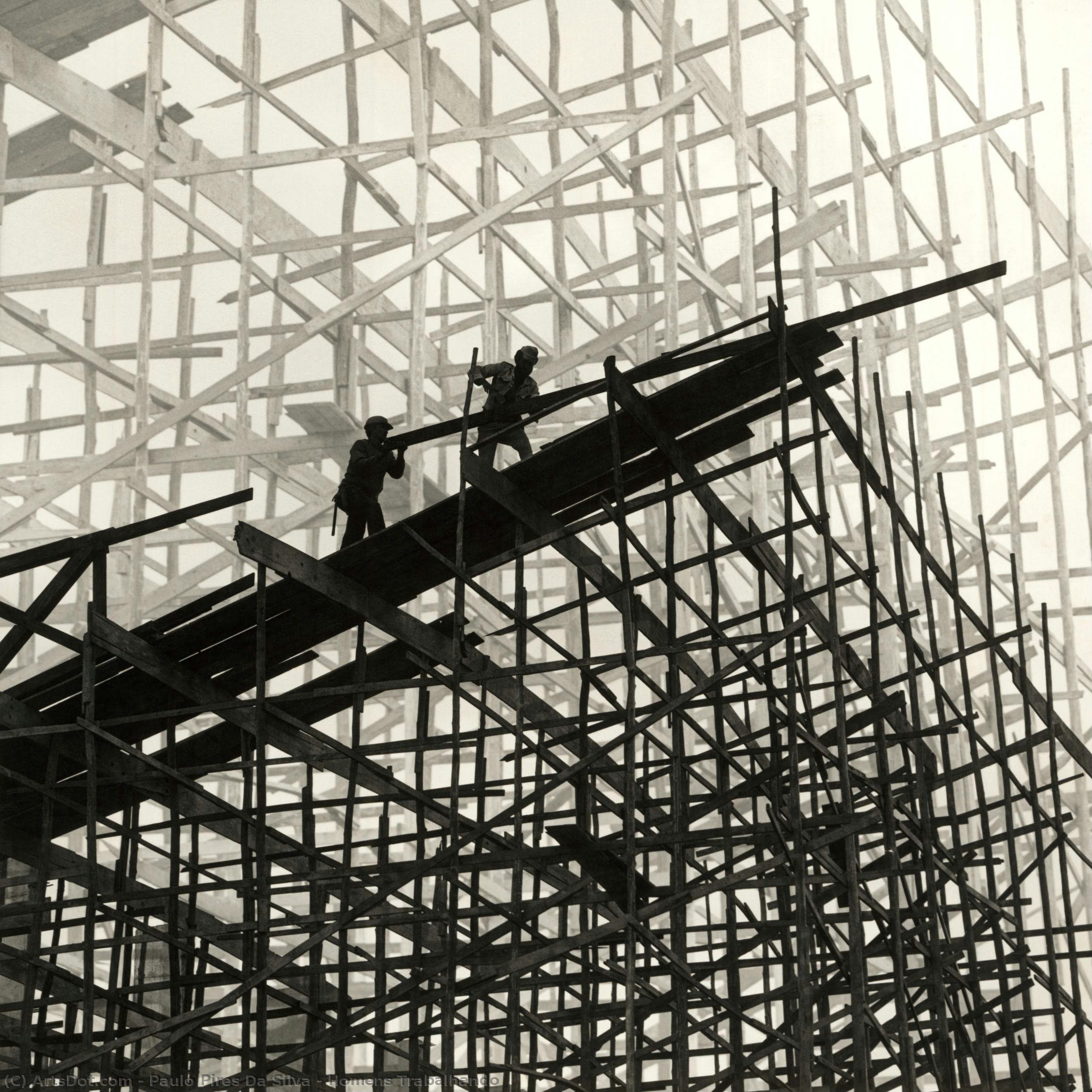
Homens Trabalhando


 Читать далее
Жикле / Арт-принт
Печать (жикле) или холст музейного качества с быстрыми сроками изготовления и широким выбором вариантов отделки. ( Купить картину ручной работы Перейти к цифровым изображениям)




P118B $10

P118H $10

P118W $10

P438Z $10

P508JH $12

P508YH $12

P805H $10

P805Z $10

P919BZ $10

P919G $10

P919XJ $10

P959ZH $10

P968JZ $12

W106C $8

W218G $10

W218JH $8

W218Y $10

W307PJ $10

W316G $10

W316PJ $8

W316Y $10

W398PJ $8

W4111J $10

W500HY $15

W500JH $15

W692G $12

W849H $8

W940BG $15

W953PJ $8




Выберите один из наших стандартных размеров, соответствующих оригинальным пропорциям произведения искусства.

Вы можете указать свои собственные размеры, чтобы репродукция идеально подошла под конкретную раму или пространство. Если выбранный вами размер не будет соответствовать пропорциям оригинала, мы либо обрежем произведение, либо дополним изображение зеркальным отражением краев или однотонной заливкой. Перед началом производства вам будет отправлен цифровой макет для утверждения.
Пожалуйста, обратите внимание, что предварительный просмотр на экране не отображает фактическую обрезку или расширение изображения. Только макет точно покажет финальную композицию.
Несмотря на возможность заказа индивидуальных размеров, мы рекомендуем выбирать размер из предопределенного списка, чтобы сохранить оригинальные пропорции.
Доставка по всему миру () за 2 недели вместо стандартных 4/5 недель. (11 Сентябрь)

Бесплатная экспресс-доставка по всему миру

Высококачественный льняной холст

Полное страхование доставки

Гарантия возмещения таможенных пошлин

Гарантия точного соответствия цветов

100-дневная политика возврата (только при обнаружении дефектов)

Гарантия возврата 100% средств

Предложение оптовых скидок
 Вариант со стеклом доступен только для размеров менее 110 см

Homens Trabalhando
Жикле / Арт-принт
Размер репродукции
-


Итоговая стоимость
$ 62
The Weight of Industry: Paulo Pires’s Homens Trabalhando
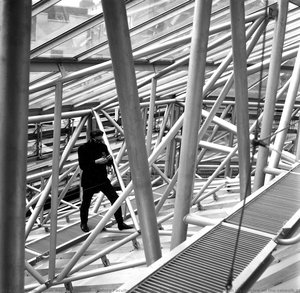
Paulo Pires da Silva's 1950 photograph, “Homens Trabalhando” (Men Working), isn’t merely a depiction of construction; it’s an arresting meditation on human endeavor against the backdrop of monumental industrial progress. The image, captured in stark black and white, immediately commands attention with its sheer scale – a dizzying network of scaffolding dominates the frame, dwarfing the two figures diligently at work within its intricate embrace. This isn't a romanticized view of labor; it’s a raw, almost unsettling portrayal of the physical demands and isolating nature of construction, reflecting the anxieties and ambitions of post-war Brazil.
The photograph’s power resides in Pires’s masterful use of geometric composition. The scaffolding itself becomes a complex, interlocking labyrinth, constructed from precisely angled lines that create an overwhelming sense of depth and volume. These rigid forms contrast subtly with the softer silhouettes of the workers, emphasizing their vulnerability within this imposing structure. The flattened perspective, a deliberate choice by the photographer, further amplifies the scale, drawing the viewer into the heart of the construction site and fostering a feeling of being both present and slightly overwhelmed.
A Portrait of a Nation: Context and the Brazilian Landscape
To understand “Homens Trabalhando,” it’s crucial to consider the socio-political climate of 1950 Brazil. The nation was undergoing rapid industrialization, fueled by government investment in infrastructure projects – roads, bridges, and, crucially, construction sites like this one. This period witnessed a surge in urban migration as people sought work in burgeoning cities, often facing harsh conditions and limited opportunities. Pires’s photograph serves as a poignant visual record of this transformation, capturing the human cost alongside the promise of progress.
Furthermore, it's important to note that Brazil at this time was grappling with complex social inequalities. The labor force, largely comprised of migrants from rural areas, faced exploitation and precarious working conditions. Pires’s unflinching depiction of these men – their focused expressions, the strain on their bodies – speaks volumes about the realities of industrial life during this era. The photograph subtly highlights the disparity between the grand scale of the project and the individual struggles of those involved.
Crafting Scale: Technique and Artistic Intent
Pires’s technical skill is evident in his meticulous attention to detail and his masterful control of light and shadow. The diffused lighting creates a sense of atmosphere, highlighting the texture of the metal scaffolding and casting subtle shadows that accentuate its imposing presence. The black and white palette intensifies the image's emotional impact, stripping away any potential distractions and focusing solely on the subject matter.
It’s worth noting that Pires was not a painter but rather a keen observer of the world around him, skillfully employing photographic techniques to capture his subjects. His work aligns with the documentary photography movement of the time, prioritizing authenticity and social commentary over artistic embellishment. The photograph's strength lies in its ability to convey a powerful narrative through simple, direct imagery.
Echoes of Labor: Symbolism and Enduring Relevance
“Homens Trabalhando” transcends its immediate subject matter to become a timeless symbol of human effort, ambition, and the often-uncomfortable realities of progress. The sheer scale of the scaffolding evokes a sense of awe and perhaps even intimidation, while the solitary figures within it represent the individual sacrifices made in pursuit of collective goals. The image’s enduring relevance lies in its ability to resonate with contemporary audiences grappling with similar questions about labor, urbanization, and the impact of industrialization on society.
Reproductions of this powerful photograph offer a compelling addition to any collection, serving as a reminder of Brazil's rich history and the human stories behind its remarkable transformation. It’s a work that invites contemplation and sparks dialogue about our relationship with labor, technology, and the built environment.
Похожие произведения
Биография художника
Early Life and Career
- Birth and Family: paulo pires da silva was born on August 27, 1926, in Lisbon, Portugal, and passed away on January 11, 2020, in Rio de Janeiro, Brazil.
- Business Acumen: She was the president of Grupo Grão-Pará, a conglomerate with diverse interests including construction, real estate, tourism, hotel management, and marble production. Her leadership earned her accolades such as Commander of the Industrial Class in 1972, Grand Officer of the Order of Merit in 1989, and Grand Cross of the same order in 2000.
- Not a Painter: It is important to note that paulo pires da silva was not a painter herself; her influence stemmed from her support for artists and art movements.
Artistic Associations and Support
- New Hall Art Collection: Her connection to the art world is evident through her association with institutions like the New Hall Art Collection in Cambridge, UK. This collection features works by prominent contemporary artists such as Vanessa Gardiner, Eleanor Engle, Jila Peacock, and Maggi Hambling.
- Plymouth City Museum and Art Gallery: Similarly, she was connected to the Plymouth City Museum and Art Gallery in the UK, which showcases art including pieces by John William Waterhouse and Edward Coley Burne-Jones.
- Support for Cultural Heritage: paulo pires da silva’s support contributed to preserving and promoting cultural heritage in both Portugal and Brazil.
Legacy and Influence
- National Museum of Ancient Art (Lisbon): The National Museum of Ancient Art in Lisbon, home to works by Domingos António de Sequeira, benefited from her support for the arts.
- Culturgest Foundation: The Culturgest - Fundação Caixa Geral de Depósitos in Lisbon, featuring art by Eduardo José Nery De Oliveira Goih, also reflects her influence.
- Associated Artists: Notable artists linked to her business and artistic endeavors include Amadeo de Souza Cardoso, José Jorge da Silva Escada, and José Sobral de Almada Negreiros.
- Art Movements: Her associations extended to art movements like Expressionism, represented in works available on platforms such as ArtsDot.com.
Notable Works & Current Recognition
- Homens Trabalhando: A black and white photograph depicting a construction site, showcasing geometric lines and industrial themes.
- Linhas: An artwork currently featured in databases.
- Figures II: A 1968 lithograph portraying industrial architecture with a geometric abstraction style.
- Museum Recognition: paulo pires da silva is recognized by institutions like the Museum of Modern Art (MoMA), acknowledging her contribution to the art world.
Historical Significance
- Bridging Business and Art: paulo pires da silva’s life exemplifies the intersection of business success and artistic patronage.
- Cultural Preservation: Her dedication to supporting artists and institutions played a role in preserving cultural heritage across Portugal and Brazil.
- Lasting Impact: Her legacy continues through the artworks she supported and the institutions that benefited from her involvement, ensuring her influence endures within the art world.

Paulo Pires da Silva
1926 - 2020 , Portugal
Основные сведения
- Artistic Movement Or Style: Not a painter
- Artists Or Movements Influenced By This Artist:
- Amadeo de Souza Cardoso
- Expressionism
- Date Of Birth: August 27, 1926
- Date Of Death: January 11, 2020
- Full Name: Paulo Pires da Silva
- Nationality: Portuguese
- Notable Artworks:
- Homens Trabalhando
- Linhas
- Figures II
- Place Of Birth: Lisbon, Portugal
Похожие статьи

Белые шедевры: 10 знаменитых картин, покоривших мир (репродукции, декор)
Откройте для себя 10 знаменитых картин, где белый цвет – главный герой! Моне, Дега и другие мастера. История искусства, техники живописи и вдохновение для вашего интерьера. Репродукции высокого качества на ArtsDot.com
Leonardo da Vinci: A Renaissance Master’s Synthesis of Art, Science & Human Observation – Reinterpreted for the Collector
Explore Leonardo da Vinci’s timeless masterpieces with ArtsDot. Discover insights into his art, science, and legacy – trusted expertise for discerning collectors seeking authentic reproductions & investment opportunities.
Леонардо да Винчи: Топ-25 шедевров для ценителей искусства и роскошного интерьера
Погрузитесь в мир гения Леонардо да Винчи! 25 шедевров эпохи Возрождения, истории создания картин и техники великого мастера. Репродукции высокого качества для вашего интерьера на ArtsDot.com. Откройте всю коллекцию онлайн!

Топ-10 знаменитых картин в черных тонах: шедевры искусства для вашего интерьера
Погрузитесь в мир темных шедевров! Топ-10 знаменитых картин в черных тонах от Гойи, Рембрандта и Мунка. История искусства, техники живописи и вдохновение для вашего интерьера. Купите репродукции высокого качества на ArtsDot.com

Monochrome Visions: Exploring the Aesthetic & Historical Significance of Black & White Photography
Explore the rich history & artistic power of black and white photography. From early techniques to iconic masters like Ansel Adams, discover why monochrome continues to captivate art lovers today. Expert insights for collectors.