

 Предпросмотр
 Поделиться
 Поделиться
 Детали произведения

 Скачать
 Похожие работы
 Рентгенография
 Слайд-шоу
 Статистика
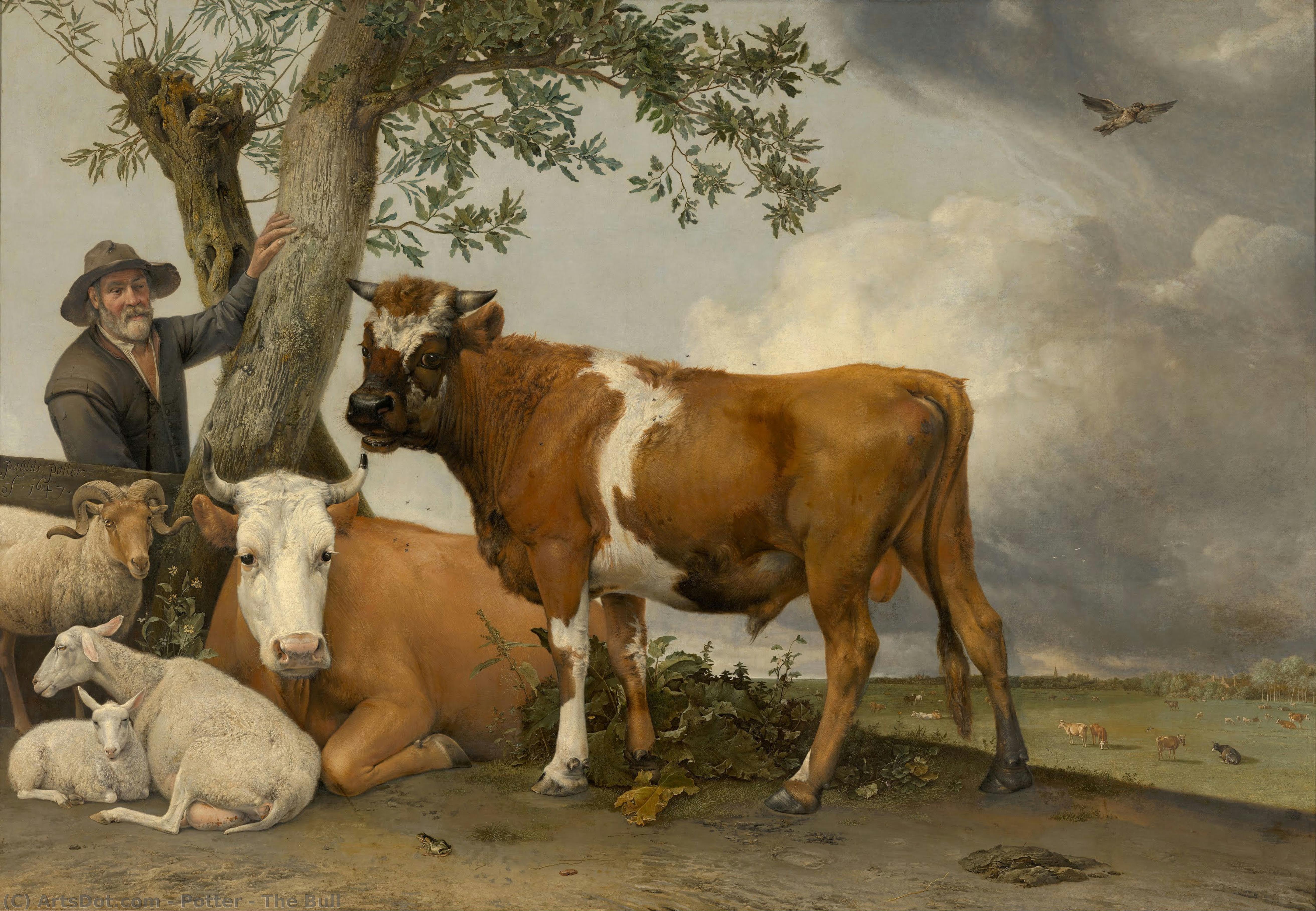
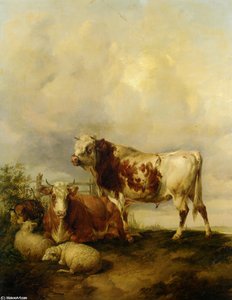
The Bull
 Oil On Panel
- Dutch Golden Age
 1647
1647- Early Modern
 235.0 x 339.0 cm
 Маурицхёйс
 Читать далее
Приобретите цифровое изображение высокого разрешения в улучшенном качестве, которое значительно превосходит онлайн-превью.
Каждый файл тщательно подготавливается нашими специалистами с использованием передовых инструментов и экспертной ручной ретуши. Мы гарантируем исключительную четкость, точную цветопередачу и детальную проработку каждого изображения.
Финальный файл доставляется по электронной почте в течение 72 часов и оптимизирован для немедленного использования в профессиональной среде, при верстке и печати. Это тот же уровень качества, которому доверяют ведущие дизайнерские студии, издательства и галереи.
Цифровое изображение
Скачайте файл высокого разрешения для личного использования, печати и творческих проектов. ( Перейти к печати Купить картину ручной работы)
Включено в каждый заказ цифровых изображений
Гарантия экспертной цифровой доставки
Выбирая ArtsDot.com, вы получаете не просто изображение — вы приобретаете профессионально обработанное цифровое произведение искусства, созданное с безупречной точностью и под защитой гарантии качества. Вот всё, что автоматически входит в ваш заказ:

Мгновенная доставка по e-mail
Ваш цифровой файл в высоком разрешении будет отправлен вам по электронной почте в течение 72 часов после оформления заказа — и сразу станет доступен для использования.

Цифровой файл с ИИ-улучшением
Ваше произведение искусства проходит профессиональную оптимизацию с использованием передовых инструментов ИИ и ручной обработки, что гарантирует максимальную детализацию, четкость и точность цветопередачи.

Бессрочная бесплатная повторная доставка
Случайно удалили или потеряли файл? Не беспокойтесь — мы отправим его вам повторно в любое время и совершенно бесплатно.

Без импортных пошлин — навсегда
Наслаждайтесь вашим произведением искусства мгновенно без таможенных пошлин, сборов или затрат на доставку — цифровые загрузки всегда не облагаются налогом.

Гарантия точности цветопередачи
Мы гарантируем, что ваше цифровое изображение максимально точно передает оригинальные цвета благодаря использованию профессиональных инструментов и систем управления цветом.

Гарантия удовлетворенности 100 дней
Если вы не будете удовлетворены своим цифровым изображением, мы внесем правки или вернем 100% стоимости в течение 100 дней — без лишних вопросов.

100% Гарантия возврата средств
Не удовлетворены покупкой? Получите полный возврат средств в течение 100 дней после получения цифрового файла — без лишних вопросов.

Скидки на оптовые заказы
Купите 3 изображения, сэкономьте 10% — Купите 5, сэкономьте 15% — Купите 10+, сэкономьте 20%. Отличное решение для творческих проектов, галерей и агентств.
A Pastoral Masterpiece of the Dutch Golden Age
In the heart of the seventeenth century, during the zenith of the Dutch Golden Age, Paulus Pietersz. Potter captured a moment of profound stillness and rustic vitality in his 1647 masterpiece, The Bull. This expansive oil on panel work serves as more than just a depiction of livestock; it is a window into the soul of a nation defined by its relationship with the land. The painting presents a meticulously composed pastoral scene where the heavy, muscular presence of a bull takes center stage, surrounded by the quiet rhythms of rural life. Through his masterful command of naturalism, Potter invites the viewer to step into a weathered, atmospheric landscape where the boundaries between man, animal, and earth seem to dissolve into a singular, harmonious existence.
The technical brilliance of Potter is immediately evident in the way he manipulates light and texture to breathe life into his subjects. Utilizing a palette dominated by earthy ochres, deep browns, and muted greens, the artist creates a sense of organic unity that feels both grounded and eternal. One can almost feel the coarse grain of the wooden panel beneath the layers of pigment, mirrored by the tactile rendering of the bull’s thick fur and the rough, trampled earth underfoot. The lighting is soft and diffused, as if filtered through a heavy North Sea mist, casting gentle shadows that define the anatomy of the animals with anatomical precision. This subtle use of light avoids dramatic chiaroscuro in favor of a quiet, atmospheric realism that emphasizes the true textures of the Dutch countryside.
Symbolism and the Spirit of the Land
Beyond its surface beauty, The Bull carries deep symbolic weight, reflecting the economic and social foundations of the Netherlands in the mid-1600s. During this era, agriculture and livestock were not merely means of survival but were the very pillars of Dutch prosperity and identity. The bull, a symbol of strength and fertility, stands as a testament to the industrious spirit of the peasantry. By placing a farmer in direct interaction with these powerful creatures, Potter elevates the mundane tasks of agricultural life to a level of dignity and importance. There is an inherent nobility in the depiction of this labor, suggesting that the prosperity of the Dutch Republic was rooted in the careful stewardship of the natural world.
For the discerning collector or interior designer, this painting offers a profound emotional resonance. It possesses a grounding quality that can transform a space, bringing a sense of historical depth and tranquil permanence to any room. The sheer scale of the original work—a commanding 235 x 339 cm—suggests an immersive experience, making a high-quality reproduction an ideal focal point for grand halls or sophisticated studies. Whether one is drawn to its meticulous detail, its celebration of pastoral heritage, or its ability to evoke the quiet dignity of the past, The Bull remains an enduring icon of realism, offering a timeless connection to the beauty of the natural and human experience.
Похожие произведения

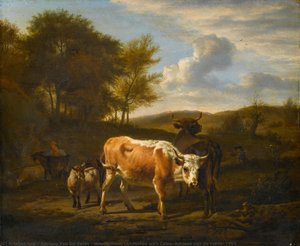
Биография художника
Rembrandt: A Life Painted in Light and Shadow
Rembrandt Harmenszoon van Rijn, a name synonymous with artistic genius, remains one of the most profoundly influential figures in Western art history. Born in Leiden on July 15, 1606, into a family of modest means – his father a miller, his mother a baker – Rembrandt’s journey from humble beginnings to international acclaim is a testament to his extraordinary talent and relentless pursuit of artistic mastery. His life, tragically marked by financial hardship and personal loss, ultimately shaped the intensely emotional and psychologically astute works that continue to captivate audiences centuries later. He died in Amsterdam on October 4, 1669, leaving behind an unparalleled legacy of paintings, etchings, and drawings.
Rembrandt’s early artistic training was a blend of formal instruction and informal apprenticeship. He began his studies with Jacob van Swanenburgh, a painter who had recently returned from Italy, absorbing the techniques and stylistic influences of the Italian Renaissance. This initial period laid the groundwork for his later development, introducing him to perspective, anatomy, and the use of light and shadow – elements that would become hallmarks of his distinctive style. He then spent time with Pieter Lastman, a more established history painter, further refining his skills in composition and narrative storytelling. However, it was Rembrandt’s independent experimentation and willingness to break from convention that truly set him apart.
Rembrandt's artistic development during the 1620s and early 30s saw him move beyond simple commissions and begin exploring a wider range of subjects. His early works, such as *Stone Operation (Allegory of Touch)* and *Three Musicians*, demonstrate his burgeoning talent for capturing human emotion and creating dynamic compositions. These pieces, often allegorical in nature, reveal an interest in symbolism and philosophical themes – a characteristic that would become increasingly prominent throughout his career. Crucially, this period also marked the beginning of Rembrandt’s exploration of printmaking, a medium he embraced with remarkable skill and innovation. His etchings, characterized by their intricate detail and dramatic contrasts of light and dark, quickly gained recognition and established him as a master of the technique.
The Golden Age and Artistic Innovation
By the mid-1630s, Rembrandt had firmly established himself as one of the leading artists in Amsterdam. He began to receive increasingly prestigious commissions, including portraits for wealthy merchants and civic officials. His portraiture is particularly noteworthy for its psychological depth and ability to capture not just physical likeness but also the inner lives of his subjects. Works like *The Night Watch* (1642) and *The Return of the Prodigal Son* (1669) exemplify this talent, offering profound insights into human nature and emotion. These paintings are not merely representations; they are explorations of morality, faith, and redemption.
Rembrandt’s artistic style evolved significantly over his career. Initially influenced by Italian masters like Caravaggio, he developed a unique approach characterized by the masterful manipulation of light and shadow – what he termed *chiaroscuro*. This technique created dramatic contrasts, emphasizing key elements within the composition and imbuing his paintings with an intense emotional atmosphere. He also pioneered new methods of etching, experimenting with different plates and techniques to achieve unprecedented levels of detail and tonal variation. His use of color was equally innovative, employing a rich palette of earthy tones and subtle gradations to create a sense of realism and depth.
Personal Struggles and Artistic Resilience
Despite his artistic success, Rembrandt’s life was punctuated by periods of financial hardship and personal tragedy. He struggled with debt throughout much of his career, exacerbated by extravagant spending habits and the fluctuating demands of the art market. The loss of his first wife, Saskia van Uylen, in 1642, and the subsequent death of their son Titus in 1650 plunged him into deep grief, profoundly impacting his artistic output. These difficult times led to a period of relative obscurity, during which he moved to a smaller studio and faced increasing financial difficulties.
However, Rembrandt’s resilience as an artist never faltered. During this challenging period, he continued to produce some of his most profound and emotionally resonant works, including *Bathsheba at Her Bath* (1662) and *The Night Watch*. These paintings demonstrate a remarkable ability to transcend personal suffering and create art that is both deeply moving and universally relevant. His later years were marked by a renewed sense of purpose and a commitment to exploring the complexities of human experience.
Legacy and Enduring Influence
Rembrandt’s influence on subsequent generations of artists is immeasurable. His innovative techniques in painting and printmaking revolutionized the art world, paving the way for new approaches to composition, color, and light. His psychological realism and emotional depth set a new standard for portraiture, inspiring countless artists to delve into the inner lives of their subjects.
Today, Rembrandt’s works are celebrated in museums around the world, attracting millions of visitors each year. His paintings continue to resonate with audiences due to their timeless beauty, profound emotional power, and enduring relevance. Rembrandt remains a towering figure in art history – a master of light, shadow, and human emotion whose legacy continues to inspire awe and admiration.
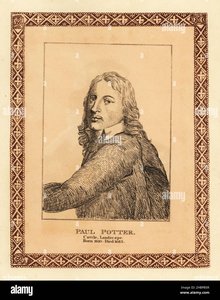
paulus pietersz potter
1625 - 1654 , Netherlands
Основные сведения
- Artistic Movement Or Style: Baroque, Dutch Golden Age
- Artists Or Movements Influenced By This Artist:
- Jan Steen
- Rembrandt School
- Artists Who Influenced This Artist:
- Titian
- Michelangelo
- Date Of Birth: July 15, 1606
- Date Of Death: October 4, 1669
- Full Name: Rembrandt Harmenszoon van Rijn
- Nationality: Dutch
- Notable Artworks:
- The Night Watch
- Belshazzar's Feast
- The Anatomy Lesson
- Place Of Birth: Leiden, Netherlands