

 Предпросмотр
 Поделиться
 Поделиться
 Детали произведения

 Скачать
 Похожие работы
 Рентгенография
 Слайд-шоу
 Статистика
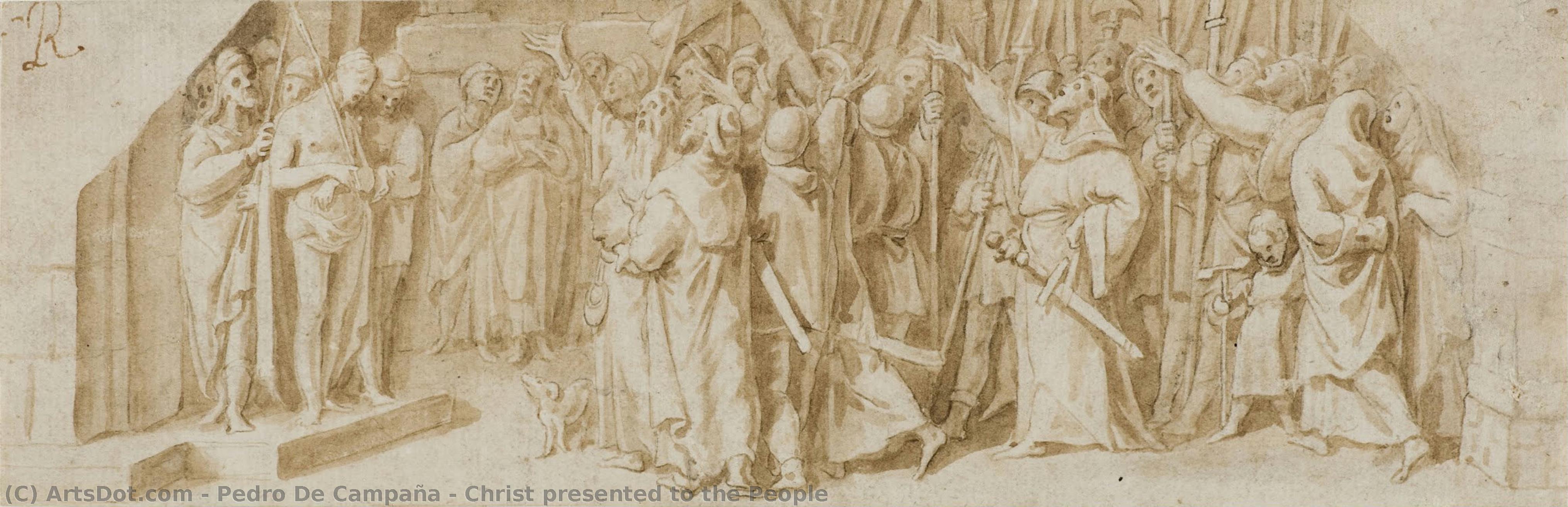
Christ presented to the People
 23.0 x 7.0 cm
 Музей изящных искусств Кордовы
 Читать далее
Жикле / Арт-принт
Печать (жикле) или холст музейного качества с быстрыми сроками изготовления и широким выбором вариантов отделки. ( Купить картину ручной работы Перейти к цифровым изображениям)




































Выберите один из наших стандартных размеров, соответствующих оригинальным пропорциям произведения искусства.

Вы можете указать свои собственные размеры, чтобы репродукция идеально подошла под конкретную раму или пространство. Если выбранный вами размер не будет соответствовать пропорциям оригинала, мы либо обрежем произведение, либо дополним изображение зеркальным отражением краев или однотонной заливкой. Перед началом производства вам будет отправлен цифровой макет для утверждения.
Пожалуйста, обратите внимание, что предварительный просмотр на экране не отображает фактическую обрезку или расширение изображения. Только макет точно покажет финальную композицию.
Несмотря на возможность заказа индивидуальных размеров, мы рекомендуем выбирать размер из предопределенного списка, чтобы сохранить оригинальные пропорции.
Доставка по всему миру () за 2 недели вместо стандартных 4/5 недель. (11 Сентябрь)

Бесплатная экспресс-доставка по всему миру

Высококачественный льняной холст

Полное страхование доставки

Гарантия возмещения таможенных пошлин

Гарантия точного соответствия цветов

100-дневная политика возврата (только при обнаружении дефектов)

Гарантия возврата 100% средств

Предложение оптовых скидок
 Вариант со стеклом доступен только для размеров менее 110 см

Christ presented to the People
Жикле / Арт-принт
Размер репродукции
-


Итоговая стоимость
$ 62
Похожие произведения









Биография художника
Pedro Campaña (1503–1586): A Renaissance Painter Bridging Flanders and Spain
Pedro Campaña, born in Brussels around 1503, stands as a pivotal figure in the artistic landscape of the Renaissance—a Flemish painter who skillfully traversed the cultural currents between Italy and Spain. Initially trained under Bernard van Orley, Campaña’s early career unfolded amidst the vibrant intellectual milieu of Florence, where he meticulously studied the masterful works of Raphael, establishing himself as his protégé. This formative period profoundly shaped his artistic sensibilities, imbuing him with a dedication to classical ideals and meticulous observation. Recognizing Campaña's talent, Cardinal Domenico Grimani encouraged him to relocate to Seville in 1530, believing it would propel his artistic endeavors. He swiftly established himself as part of Luis de Vargas’s burgeoning studio, fostering a school of painting that soon became the Academy of the Place—a beacon of artistic innovation within Spain. Among Campaña's pupils was Morales, cementing his legacy as an educator and shaping the future of Spanish art. His output during this time included monumental altar-pieces for Seville Cathedral, notably “The Descent from the Cross” (1548), a dramatic depiction reflecting Michelangelo’s influence and capturing the emotional intensity characteristic of Renaissance painting. The artwork was later removed due to the cathedral's ruinous state. Campaña continued his artistic pursuits in Seville until approximately 1563 or 1565, where he undertook the ambitious task of restoring and repainting a chapel commissioned by Hernando de Jaén—a testament to his unwavering commitment to craftsmanship and artistic excellence. Furthermore, Campaña’s influence extended beyond Seville; Murillo specifically requested that his burial take place near Campaña's painting, symbolizing their shared artistic vision. Sadly, the church housing Campaña’s masterpiece succumbed to destruction during the Napoleonic Wars, resulting in the loss of his tomb—a poignant reminder of the ephemeral nature of artistic achievement and historical preservation. His prolific output spanned across various churches throughout Seville, showcasing a remarkable versatility in style and subject matter. Among his most celebrated works are “The Purification of the Virgin” and “The Resurrection,” grand retables embodying Baroque realism and meticulous detail. These paintings exemplify Campaña’s mastery of technique—particularly chiaroscuro—creating luminous effects that heighten emotional impact. His artistic legacy resides not only in these monumental pieces but also in the broader context of Renaissance art history, representing a crucial link between Flemish innovation and Spanish grandeur.- Notable Works: “The Descent from the Cross,” “Crucifixion,” “Pictures of Dona Leonor and Dona Mencia de Cabrera and his daughters”, Chapel Restoration for Hernando de Jaén
- Influences: Raphael, Bernard van Orley
- School: Academy of the Place (Seville)
- Historical Significance: Bridged Flemish and Spanish artistic traditions; Shaped Seville’s Baroque art scene.
Further Exploration
You can delve deeper into Pedro Campaña's artistry by visiting these resources:- Wikipedia Article: https://en.wikipedia.org/wiki/Pedro_Campa%C3%B1a
- Artwork Database: Explore “The Descent from the Cross” Detail
- Museums Database: Hospital de la Caridad – Seville, Municipal Museum of Art of La Plata
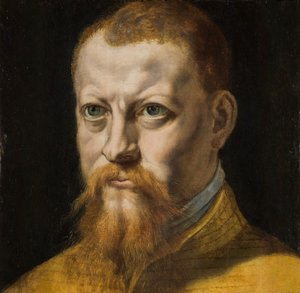
pedro de campaña
1503 - 1586 , Belgium
Основные сведения
- Artistic Movement Or Style: Renaissance
- Artists Or Movements Influenced By This Artist:
- Luis de Vargas
- Murillo
- Artists Who Influenced This Artist:
- Bernhard van Orley
- Raphael
- Date Of Birth: Brussels, Belgium (1503)
- Date Of Death: 1586
- Full Name: Pedro de Kempeneer / Pedro Campaña
- Nationality: Flemish
- Notable Artworks:
- Descent from the Cross
- Crucifixion
- Pictures of Dona Leonor and Dona Mencia de Cabrera and his daughters
- Hospital de la Caridad
- Municipal Museum of Art of La Plata
- Place Of Birth: Brussels