

 Предпросмотр
 Поделиться
 Поделиться
 Детали произведения

 Скачать
 Похожие работы
 Рентгенография
 Слайд-шоу
 Статистика
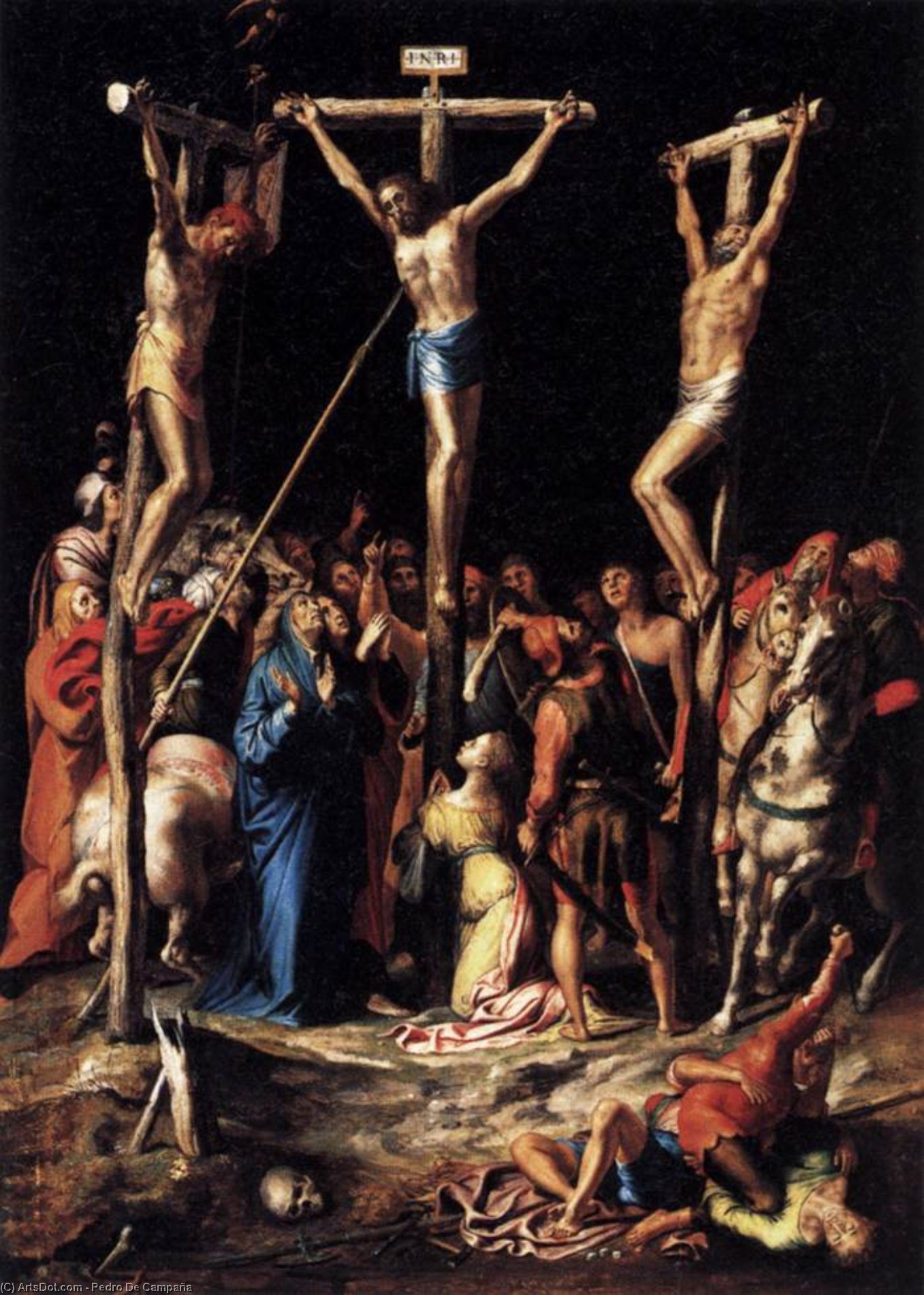
Crucifixion
 Oil On Canvas
- WallArt
- Baroque
 1550
1550- Renaissance
 54.0 x 39.0 cm
 Лувр
Лувр
 Читать далее
Масляная репродукция ручной работы
Картина маслом на холсте в выбранном вами размере и раме, написанная на заказ нашими художниками. ( Перейти к печати Перейти к цифровым изображениям)




P118B $10

P118H $10

P118W $10

P438Z $10

P508JH $12

P508YH $12

P805H $10

P805Z $10

P919BZ $10

P919G $10

P919XJ $10

P959ZH $10

P968JZ $12

W106C $8

W218G $10

W218JH $8

W218Y $10

W307PJ $10

W316G $10

W316PJ $8

W316Y $10

W398PJ $8

W4111J $10

W500HY $15

W500JH $15

W692G $12

W849H $8

W940BG $15

W953PJ $8




Выберите один из наших стандартных размеров, соответствующих оригинальным пропорциям произведения искусства.

Вы можете указать собственные размеры, чтобы картина идеально вписалась в выбранную раму или пространство. Если выбранный вами размер не соответствует пропорциям оригинала, мы либо обрежем полотно, либо расширим его за счет дополнительных элементов, написанных вручную. Цифровой макет будет отправлен вам на утверждение перед началом производства.
Обратите внимание, что предварительный просмотр на экране не отражает фактическую обрезку или расширение. Только макет точно покажет окончательную композицию.
Хотя доступны индивидуальные размеры, мы рекомендуем выбирать вариант из предопределенного списка, чтобы сохранить исходные пропорции.
После оформления заказа команда ArtsDot.com свяжется с клиентом по электронной почте для уточнения деталей и предоставит предварительный макет
Доставка по всему миру () за 3–4 недели вместо стандартных 5 недель. (11 Сентябрь). Без компромиссов в качестве.

Бесплатная экспресс-доставка по всему миру

Высококачественный льняной холст

Полное страхование доставки

Гарантия возмещения таможенных пошлин

Гарантия точного соответствия цветов

100-дневная политика возврата (только при обнаружении дефектов)

Гарантия возврата 100% средств

Предложение оптовых скидок
 Вариант со стеклом доступен только для размеров менее 110 см

Crucifixion
Техника репродукции
Размер репродукции
-


Итоговая стоимость
$ 563
The Weight of Sacrifice: An Encounter with Campaña's Crucifixion
To stand before Pedro de Campaña’s Crucifixion is not merely to observe a painting; it is to be enveloped by an overwhelming tide of profound human emotion. This large-scale oil masterpiece, dating from 1550, plunges the viewer into the heart of Christian theology's most pivotal moment. The composition itself commands attention with its dramatic verticality, centering on the stark, imposing form of the cross. Campaña masterfully captures the raw drama of the event, rendering it not as a distant historical tableau, but as an immediate, visceral confrontation with suffering and redemption.
Baroque Drama and Technical Mastery
The style here speaks directly to the height of Baroque realism. One can almost feel the weight of the wood beneath Christ’s body and sense the tension in every outstretched limb. Campaña employs a technique that is both meticulous and emotionally charged. The use of oil paint, built up through careful glazing, allows for an astonishing luminosity, particularly where the divine light seems to strike the pallor of skin or the folds of rich drapery. Notice how the deep shadows—the tenebrism characteristic of the period—are not mere absences of light, but active participants in the narrative, deepening the mood of sorrow and despair. The rendering of textures, from rough-hewn wood to silken garments, showcases a virtuosity that speaks to Campaña’s training under masters who valued both classical idealism and palpable realism.
Compositional Depth and Human Drama
What elevates this piece beyond mere religious iconography is its complex composition. The scene is densely populated, layered with figures ranging from the central, suffering Christ to the grieving followers and the vast, silent crowd observing from the periphery. Campaña directs the viewer's eye through strong, directional lines—the beams of the cross acting as anchors against the organic chaos of human grief. While the perspective possesses a certain flattening typical of Baroque prioritization of emotional impact over strict scientific realism, this choice serves the narrative perfectly. Depth is achieved not through vanishing points alone, but through the sheer accumulation of gesture and palpable sorrow emanating from every depicted face.
Symbolism and Enduring Resonance
Every element within Crucifixion pulses with symbolic weight. The cross itself is the ultimate symbol of sacrifice, while the instruments surrounding it serve as stark reminders of human cruelty juxtaposed against divine grace. Yet, it is the faces—the expressions of lamentation, devotion, and shock among the onlookers—that resonate most deeply. This painting forces a meditation on suffering, empathy, and the enduring promise of redemption. For the modern collector or designer, this piece offers more than just decoration; it provides a focal point for contemplation, an object that anchors a space with profound historical weight and timeless spiritual resonance.
Похожие произведения
Биография художника
Pedro Campaña (1503–1586): A Renaissance Painter Bridging Flanders and Spain
Pedro Campaña, born in Brussels around 1503, stands as a pivotal figure in the artistic landscape of the Renaissance—a Flemish painter who skillfully traversed the cultural currents between Italy and Spain. Initially trained under Bernard van Orley, Campaña’s early career unfolded amidst the vibrant intellectual milieu of Florence, where he meticulously studied the masterful works of Raphael, establishing himself as his protégé. This formative period profoundly shaped his artistic sensibilities, imbuing him with a dedication to classical ideals and meticulous observation. Recognizing Campaña's talent, Cardinal Domenico Grimani encouraged him to relocate to Seville in 1530, believing it would propel his artistic endeavors. He swiftly established himself as part of Luis de Vargas’s burgeoning studio, fostering a school of painting that soon became the Academy of the Place—a beacon of artistic innovation within Spain. Among Campaña's pupils was Morales, cementing his legacy as an educator and shaping the future of Spanish art. His output during this time included monumental altar-pieces for Seville Cathedral, notably “The Descent from the Cross” (1548), a dramatic depiction reflecting Michelangelo’s influence and capturing the emotional intensity characteristic of Renaissance painting. The artwork was later removed due to the cathedral's ruinous state. Campaña continued his artistic pursuits in Seville until approximately 1563 or 1565, where he undertook the ambitious task of restoring and repainting a chapel commissioned by Hernando de Jaén—a testament to his unwavering commitment to craftsmanship and artistic excellence. Furthermore, Campaña’s influence extended beyond Seville; Murillo specifically requested that his burial take place near Campaña's painting, symbolizing their shared artistic vision. Sadly, the church housing Campaña’s masterpiece succumbed to destruction during the Napoleonic Wars, resulting in the loss of his tomb—a poignant reminder of the ephemeral nature of artistic achievement and historical preservation. His prolific output spanned across various churches throughout Seville, showcasing a remarkable versatility in style and subject matter. Among his most celebrated works are “The Purification of the Virgin” and “The Resurrection,” grand retables embodying Baroque realism and meticulous detail. These paintings exemplify Campaña’s mastery of technique—particularly chiaroscuro—creating luminous effects that heighten emotional impact. His artistic legacy resides not only in these monumental pieces but also in the broader context of Renaissance art history, representing a crucial link between Flemish innovation and Spanish grandeur.- Notable Works: “The Descent from the Cross,” “Crucifixion,” “Pictures of Dona Leonor and Dona Mencia de Cabrera and his daughters”, Chapel Restoration for Hernando de Jaén
- Influences: Raphael, Bernard van Orley
- School: Academy of the Place (Seville)
- Historical Significance: Bridged Flemish and Spanish artistic traditions; Shaped Seville’s Baroque art scene.
Further Exploration
You can delve deeper into Pedro Campaña's artistry by visiting these resources:- Wikipedia Article: https://en.wikipedia.org/wiki/Pedro_Campa%C3%B1a
- Artwork Database: Explore “The Descent from the Cross” Detail
- Museums Database: Hospital de la Caridad – Seville, Municipal Museum of Art of La Plata
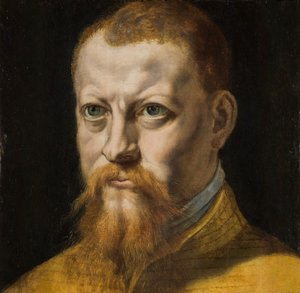
pedro de campaña
1503 - 1586 , Belgium
Основные сведения
- Artistic Movement Or Style: Renaissance
- Artists Or Movements Influenced By This Artist:
- Luis de Vargas
- Murillo
- Artists Who Influenced This Artist:
- Bernhard van Orley
- Raphael
- Date Of Birth: Brussels, Belgium (1503)
- Date Of Death: 1586
- Full Name: Pedro de Kempeneer / Pedro Campaña
- Nationality: Flemish
- Notable Artworks:
- Descent from the Cross
- Crucifixion
- Pictures of Dona Leonor and Dona Mencia de Cabrera and his daughters
- Hospital de la Caridad
- Municipal Museum of Art of La Plata
- Place Of Birth: Brussels
Похожие статьи

The Dramatic Flourish: Exploring the Baroque Movement's Enduring Legacy in Art History
Explore the dramatic world of Baroque art! Discover iconic artists like Caravaggio & Rubens, defining techniques, and its lasting impact on art history. Expert insights for collectors & enthusiasts at ArtsDot.

The Golden Age Reforged: Dramatic Realism & Religious Zeal in Spanish Baroque Art
Explore the dramatic world of Spanish Baroque art! Discover masters like Zurbarán & the powerful influence of religious zeal on painting techniques – a guide for collectors and enthusiasts.

10 Шедевров Барокко: Искусство, изменившее мир | ArtsDot.com
Погрузитесь в мир барокко! 10 шедевров Караваджо, Рембрандта и других великих художников. Узнайте историю создания культовых картин и найдите идеальную репродукцию для вашего интерьера на ArtsDot.com

О нас
Откройте для себя нашу историю! Мы привносим искусство мирового класса в вашу жизнь благодаря экспертному отбору, индивидуальным заказам и бесплатным обзорам. Одобрено частными лицами и компаниями с 2000 года.

Топ-25 шедевров Гойи: от придворного портрета до мрачных пророчеств | ArtsDot
Погрузитесь в мир гения Франсиско Гойи! 🎨 От придворных портретов до мрачных "Капричос" – исследуйте топ-25 шедевров испанского романтизма. Купите репродукции картин Гойи музейного качества на ArtsDot.com и украсьте свой интерьер искусством.