 Предпросмотр
 Поделиться
 Поделиться
 Детали произведения

 Скачать
 Похожие работы
 Рентгенография
 Слайд-шоу
 Статистика
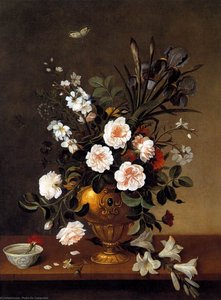
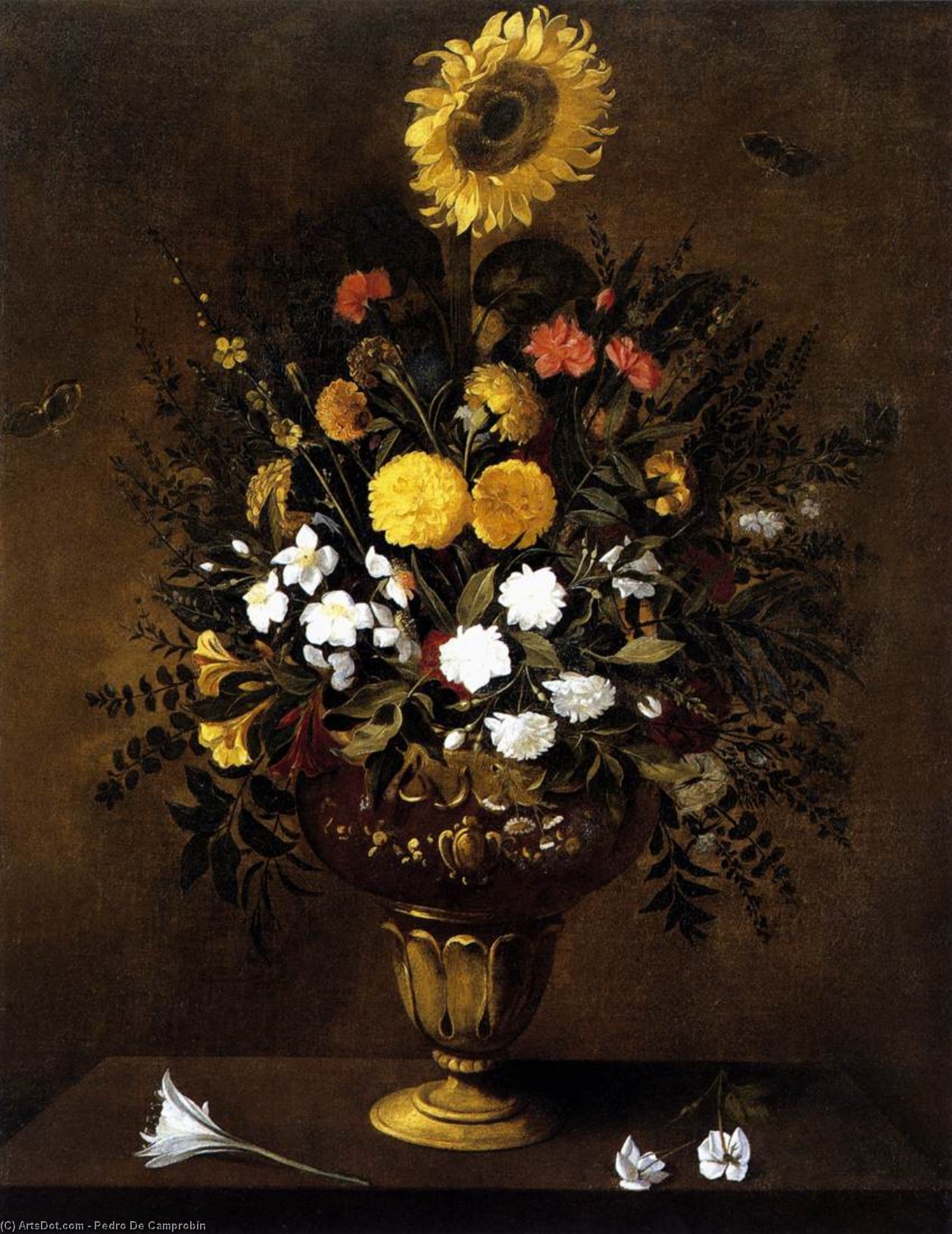
Vase of Flowers
 1665
1665 83.0 x 67.0 cm
 Читать далее
Масляная репродукция ручной работы
Картина маслом на холсте в выбранном вами размере и раме, написанная на заказ нашими художниками. ( Перейти к печати Перейти к цифровым изображениям)




































Выберите один из наших стандартных размеров, соответствующих оригинальным пропорциям произведения искусства.

Вы можете указать собственные размеры, чтобы картина идеально вписалась в выбранную раму или пространство. Если выбранный вами размер не соответствует пропорциям оригинала, мы либо обрежем полотно, либо расширим его за счет дополнительных элементов, написанных вручную. Цифровой макет будет отправлен вам на утверждение перед началом производства.
Обратите внимание, что предварительный просмотр на экране не отражает фактическую обрезку или расширение. Только макет точно покажет окончательную композицию.
Хотя доступны индивидуальные размеры, мы рекомендуем выбирать вариант из предопределенного списка, чтобы сохранить исходные пропорции.
После оформления заказа команда ArtsDot.com свяжется с клиентом по электронной почте для уточнения деталей и предоставит предварительный макет
Доставка по всему миру () за 3–4 недели вместо стандартных 5 недель. (10 Сентябрь). Без компромиссов в качестве.

Бесплатная экспресс-доставка по всему миру

Высококачественный льняной холст

Полное страхование доставки

Гарантия возмещения таможенных пошлин

Гарантия точного соответствия цветов

100-дневная политика возврата (только при обнаружении дефектов)

Гарантия возврата 100% средств

Предложение оптовых скидок
 Вариант со стеклом доступен только для размеров менее 110 см

Vase of Flowers
Техника репродукции
Размер репродукции
-


Итоговая стоимость
$ 263
The painting style suggests it could be from the Baroque period, characterized by its attention to detail and use of light and shadow to create depth. The flowers are rendered with care, showing individual petals and leaves, as well as the texture of the stems. In the foreground, there is a single white flower that has fallen out of the vase onto the table, adding a sense of realism to the scene.
Artistic Style and Influences
Pedro De Camprobín's work was influenced by other notable artists of his time, including Francisco de Zurbarán. The use of a plain wooden tabletop as a means of support in the flower pieces is reminiscent of Zurbarán's still-life paintings. The finesse and attention to detail with which Camprobín depicted flowers are epitomized by the few loose leaves and fallen petals that he carefully depicted on the wooden table.Notable Works and Collections
Some of Pedro De Camprobín's notable works can be found in the Museo del Prado in Madrid, Spain. The museum's collection includes several of his still-life paintings, including Vase of Flowers. You can learn more about the Museo del Prado and its collection on ArtsDot.com.To see more of Pedro De Camprobín's works and other still-life paintings, visit ArtsDot.com. The website offers a wide range of handmade oil painting reproductions, including Vase of Flowers by Pedro De Camprobín. You can also read more about the artist on Wikipedia.
Key Features of the Painting:
- Oil on canvas, 83 x 67 cm
- Created in 1665
- Still-life painting of a vase filled with flowers
- Influenced by the Baroque period and Francisco de Zurbarán
Похожие произведения
Биография художника
Pedro de Camprobin: A Shadowed Light of Spanish Mannerism
Pedro de Camprobin (1605 – 1674) remains a figure shrouded in artistic mystery, yet his paintings—primarily religious compositions imbued with Caravaggisti fervor—offer glimpses into the vibrant heart of 17th-century Spain. Born in Almagro, Castile, Camprobin’s formative years coincided with the flourishing Mannerist movement spearheaded by El Greco, whose dramatic chiaroscuro and expressive distortions profoundly impacted his artistic vision. While biographical details are scarce, evidence suggests he honed his craft under Luis Tristán de Escamilla, a fellow Toledo painter who championed El Greco's style—a connection that undeniably shaped Camprobin’s distinctive aesthetic.- Early Training & Influences: Camprobin’s apprenticeship with Tristán solidified his grasp of tenebrism, the technique popularized by Caravaggio, characterized by stark contrasts between light and dark. This stylistic choice wasn't merely fashionable; it reflected a broader artistic preoccupation with conveying spiritual intensity through dramatic visual effects.
- Notable Works: Camprobin’s oeuvre is marked by several significant commissions, most notably the Santa Eulalia Chapel altarpiece in Burgos Cathedral—a monumental undertaking that exemplifies his mastery of composition and tonal gradation. His paintings are notable for their meticulous detail and psychological depth, capturing not just visual likeness but also conveying profound emotion.
- The Vase of Flowers & Beyond: Among Camprobin’s celebrated works is “Vase of Flowers,” a captivating still life that showcases his ability to render textures with remarkable accuracy and imbue inanimate objects with symbolic resonance. Similarly, "Camprobin - bodegon" exemplifies the Baroque tradition's fascination with capturing everyday scenes within an artistic framework.
Burgos Chapel Altarpiece: A Pinnacle of Mannerist Drama
The Santa Eulalia Chapel altarpiece in Burgos Cathedral represents Camprobin’s crowning achievement—a monumental undertaking that cemented his reputation as one of Spain's foremost Mannerist artists. Executed with painstaking precision and imbued with a masterful understanding of tonal modulation, the chapel’s centerpiece depicts Saint Eulalia receiving communion, bathed in an ethereal glow emanating from above. The composition is deliberately unsettling, reflecting the psychological complexities inherent in portraying spiritual devotion—a characteristic trait of Camprobin's artistic approach.Caravaggisti Influence: Mastering Dramatic Light and Shadow
Camprobin’s stylistic choices – particularly his embrace of tenebrism – bear unmistakable traces of Caravaggio’s influence. Like Caravaggio, Camprobin sought to evoke emotion through stark contrasts between light and dark, prioritizing expressive realism over idealized beauty. This technique is evident throughout his paintings, where figures are positioned within zones of intense illumination against backgrounds plunged into darkness—a deliberate strategy designed to heighten visual drama and convey spiritual fervor.Legacy & Historical Significance
Pedro de Camprobin’s contribution to Spanish Baroque art extends beyond individual masterpieces; he embodies the spirit of a generation grappling with religious upheaval and artistic innovation. His paintings continue to inspire admiration for their technical brilliance and emotional depth—a testament to his enduring legacy as a pivotal figure in the history of Spanish Mannerism. Further research into Camprobin’s life and work promises to illuminate new facets of this enigmatic artist's contribution to the artistic landscape of 17th-century Spain.
pedro de camprobín
1605 - 1674 , Spain
Основные сведения
- Artistic Movement Or Style: Mannerist
- Artists Or Movements Influenced By This Artist: Francisco de Zurbarán
- Artists Who Influenced This Artist: Luis Tristán de Escamilla
- Date Of Birth: 1605
- Full Name: Pedro de Camprobin
- Nationality: Spanish
- Notable Artworks:
- The Mar
- Vase of Flowers
- Place Of Birth: Almagro, Spain