

 Предпросмотр
 Поделиться
 Поделиться
 Детали произведения

 Скачать
 Похожие работы
 Рентгенография
 Слайд-шоу
 Статистика
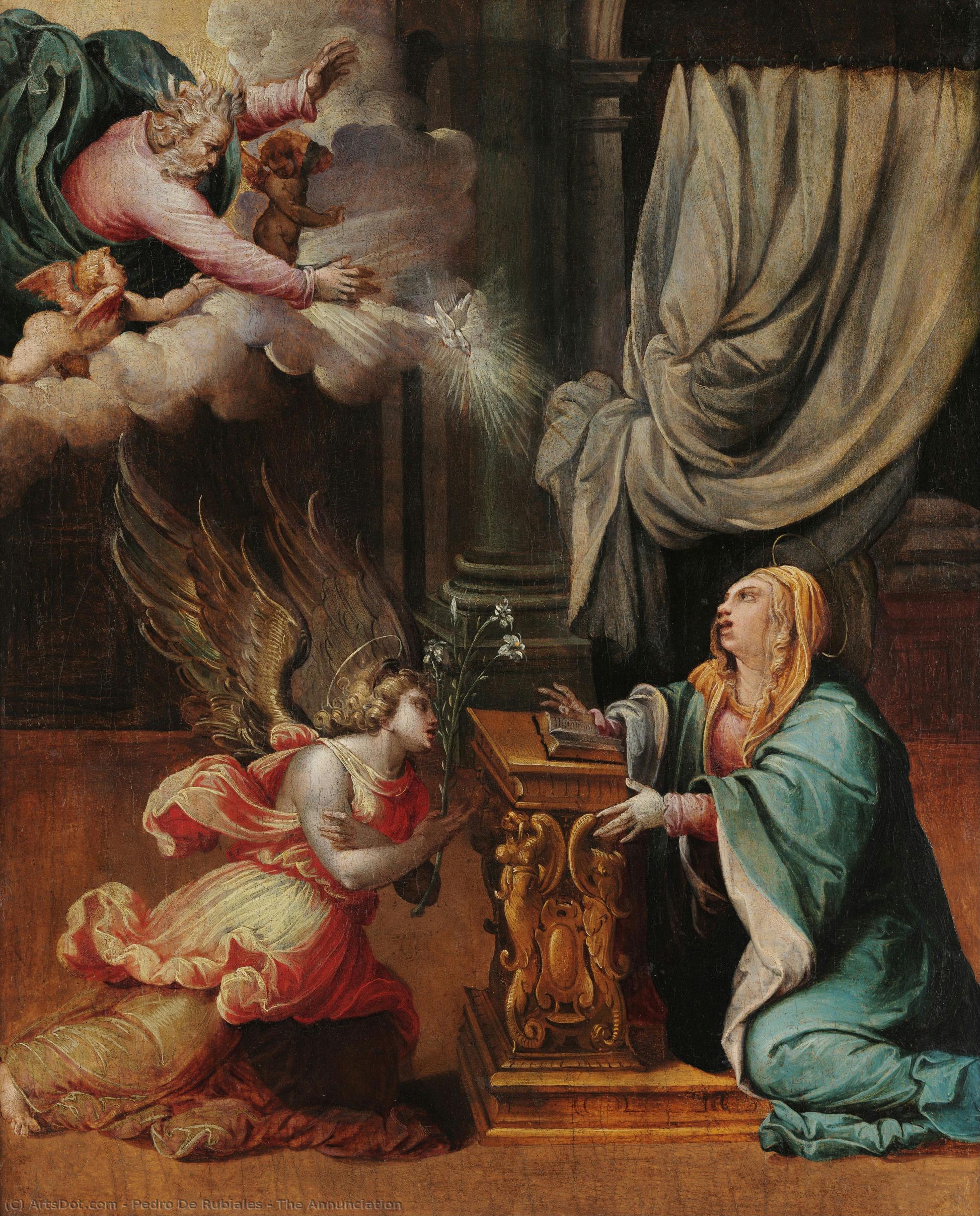
The Annunciation


 Читать далее
Жикле / Арт-принт
Печать (жикле) или холст музейного качества с быстрыми сроками изготовления и широким выбором вариантов отделки. ( Купить картину ручной работы Перейти к цифровым изображениям)




P118B $10

P118H $10

P118W $10

P438Z $10

P508JH $12

P508YH $12

P805H $10

P805Z $10

P919BZ $10

P919G $10

P919XJ $10

P959ZH $10

P968JZ $12

W106C $8

W218G $10

W218JH $8

W218Y $10

W307PJ $10

W316G $10

W316PJ $8

W316Y $10

W398PJ $8

W4111J $10

W500HY $15

W500JH $15

W692G $12

W849H $8

W940BG $15

W953PJ $8




Выберите один из наших стандартных размеров, соответствующих оригинальным пропорциям произведения искусства.

Вы можете указать свои собственные размеры, чтобы репродукция идеально подошла под конкретную раму или пространство. Если выбранный вами размер не будет соответствовать пропорциям оригинала, мы либо обрежем произведение, либо дополним изображение зеркальным отражением краев или однотонной заливкой. Перед началом производства вам будет отправлен цифровой макет для утверждения.
Пожалуйста, обратите внимание, что предварительный просмотр на экране не отображает фактическую обрезку или расширение изображения. Только макет точно покажет финальную композицию.
Несмотря на возможность заказа индивидуальных размеров, мы рекомендуем выбирать размер из предопределенного списка, чтобы сохранить оригинальные пропорции.
Доставка по всему миру () за 2 недели вместо стандартных 4/5 недель. (13 Сентябрь)

Бесплатная экспресс-доставка по всему миру

Высококачественный льняной холст

Полное страхование доставки

Гарантия возмещения таможенных пошлин

Гарантия точного соответствия цветов

100-дневная политика возврата (только при обнаружении дефектов)

Гарантия возврата 100% средств

Предложение оптовых скидок
 Вариант со стеклом доступен только для размеров менее 110 см

The Annunciation
Жикле / Арт-принт
Размер репродукции
-


Итоговая стоимость
$ 62
A Divine Encounter in Oil
In the quiet, hallowed moments captured within The Annunciation, we are invited to witness one of the most profound intersections of the earthly and the divine. Painted in 1545 by the Spanish master Pedro de Rubiales, this exquisite work serves as a window into the spiritual heart of the Renaissance. The scene unfolds with a delicate tension, centering on the Virgin Mary as she kneels in humble receptivity before the celestial messenger. An angel, bearing a sacred scroll, descends to deliver the transformative news that will alter the course of human history. This is not merely a depiction of a biblical event; it is an intimate study of grace, captured through the masterful application of oil on panel, where every brushstroke contributes to a sense of breathless anticipation.
The composition is a masterclass in Renaissance storytelling, utilizing a layered arrangement of figures to guide the viewer’s eye through a complex theological narrative. While Mary and the angel command the immediate focus, the presence of secondary figures—some clutching books, others lost in quiet contemplation—adds a profound layer of communal devotion to the piece. The background, characterized by swirling, dramatic clouds, suggests a rupture in the heavens, signaling that the atmosphere itself is reacting to this holy visitation. For the discerning collector or interior designer, this painting offers more than just visual beauty; it provides a focal point of deep intellectual and spiritual gravity, making it an ideal centerpiece for spaces dedicated to reflection and timeless elegance.
Technique and the Renaissance Spirit
The artistry of Pedro de Rubiales shines through in the meticulous detail and the luminous quality of his technique. As a painter who navigated the vibrant artistic currents between Spain and the great Italian centers like Naples and Rome, Rubiales infused his work with a sophisticated command of light and shadow. In The Annunciation, the use of oil allows for a rich, translucent depth, particularly evident in the soft textures of the drapery and the ethereal glow surrounding the angelic presence. The artist’s ability to balance the heavy, physical reality of the figures with the weightless, atmospheric backdrop of the clouds demonstrates a high level of technical virtuosity typical of the mid-16th century.
Beyond its formal beauty, the painting resonates with an emotional intensity that transcends time. There is a palpable sense of stillness, a "sacred silence" that envelops the viewer, inviting them to pause and contemplate the weight of the moment. The interplay between the terrestrial figures and the celestial elements creates a dynamic energy that is both soothing and awe-inspiring. For those seeking to adorn a home or gallery with a high-quality reproduction, this piece offers an unparalleled opportunity to bring a sense of historical prestige and soulful tranquility into a contemporary setting, bridging the gap between the classical past and the modern aesthetic.
Похожие произведения
Биография художника
Pedro de Rubiales: A Renaissance Master of Faith and Form
Pedro de Rubiales, also known as Pedro Roviale, stands as a compelling figure within the artistic landscape of 16th-century Spain. Born in Albuquerque, Spain – a location that hints at his roots in the vibrant tapestry of Spanish culture – he navigated the complex currents of the Renaissance, leaving behind a legacy marked by collaboration, religious devotion, and a distinctive visual style. His journey took him from the heartland of Extremadura to the bustling artistic centers of Naples and Rome, where he honed his craft and contributed significantly to some of Italy’s most celebrated architectural and decorative projects.
Rubiales' early career is somewhat shrouded in the mists of historical record, yet it’s understood that he arrived in Naples around 1548. This period marked a pivotal shift, as he began to establish himself within the Italian artistic community. His time in Naples was particularly fruitful, characterized by intense collaboration and a growing reputation for his ability to seamlessly blend Spanish influences with the prevailing Mannerist style. Notably, he worked closely with Giorgio Vasari on monumental frescos adorning the Palazzo della Cancelleria and the Sala del Fregio within the Palazzo dei Conservatori in Rome – projects that underscore his technical skill and understanding of grand scale design.
- Collaborative Genius: Rubiales’ partnership with Vasari exemplifies a key aspect of his career. Vasari, a renowned art historian and painter himself, recognized Rubiales' talent and sought his expertise in executing complex fresco cycles. This collaboration highlights the dynamic exchange of ideas that characterized Renaissance artistic circles.
- Neapolitan Masterpieces: His work in Naples reveals a shift towards a more dramatic and emotionally charged style. The “Dead Christ” with the Virgin Mary and St. John, housed within the chapel of the Courts of Justice, is a particularly poignant example of his ability to convey profound religious emotion through carefully rendered figures and evocative composition. Similarly, the "Descent from the Cross" in the Castel Capuano showcases his mastery of perspective and chiaroscuro – the dramatic use of light and shadow – creating a powerful sense of movement and drama.
- Diverse Subjects: Beyond these monumental works, Rubiales produced a range of easel paintings, predominantly focused on religious themes. These smaller-scale pieces offer valuable insights into his artistic development and demonstrate his consistent commitment to depicting scenes from the Bible and Christian iconography.
A Spanish Foundation & Italian Adaptation
Rubiales’ biography is intertwined with a fascinating narrative of cultural exchange. While born in Spain, he spent formative years in Naples, an environment profoundly shaped by the influence of Italian Renaissance art. This immersion undoubtedly impacted his artistic sensibilities, leading him to adopt and adapt elements of Mannerism – characterized by elongated figures, dramatic poses, and sophisticated color palettes – while retaining a distinctly Spanish aesthetic. The blending of these influences is evident throughout his oeuvre, creating a unique visual language that distinguishes his work from both purely Italian and purely Spanish artists.
Contemporary accounts, particularly those of Bernardo de’ Dominici, suggest that Rubiales was considered a “follower” of Francesco Salviati, a prominent Roman Mannerist painter. This association further illuminates the artistic currents shaping his development during his time in Rome. The influence of Salviati's emphasis on elegant composition and refined technique is clearly visible in Rubiales’ own paintings.
Religious Themes & Artistic Techniques
Rubiales’ art is fundamentally rooted in religious devotion, reflecting the prevailing spiritual climate of the Renaissance. His depictions of biblical scenes – the Annunciation, the Conversion of St. Paul, and various episodes from the life of Christ – are imbued with a sense of solemnity and reverence. He skillfully employed traditional iconography to convey theological messages, utilizing symbolic gestures, colors, and spatial arrangements to communicate profound spiritual truths.
- Fresco Technique: Rubiales’ work on the Palazzo della Cancelleria and Sala del Fregio demonstrates his mastery of fresco painting – a technique requiring meticulous planning and execution. The durability of these monumental frescoes is a testament to his skill and understanding of materials.
- Chiaroscuro & Composition: His use of chiaroscuro, particularly in the “Descent from the Cross,” creates a dramatic interplay between light and shadow, enhancing the emotional impact of the scene. Furthermore, his compositions are carefully balanced, utilizing perspective and spatial relationships to draw the viewer’s eye towards key figures and elements.
- Color Palette: Rubiales favored rich, saturated colors – deep reds, blues, and golds – that contribute to the overall sense of grandeur and solemnity in his paintings.
Legacy & Historical Significance
Pedro de Rubiales’ contribution to Renaissance art extends beyond individual works; he represents a crucial link between Spanish artistic traditions and the broader Italian cultural landscape. His collaborations with Giorgio Vasari, coupled with his independent creations, demonstrate his versatility as an artist and his ability to thrive in diverse environments. While often overshadowed by more prominent figures of the era, Rubiales’ work offers valuable insights into the complex dynamics of Renaissance art production and the exchange of ideas across national boundaries.
His paintings continue to be studied and appreciated for their technical skill, emotional depth, and enduring beauty. Rubiales' legacy is a testament to the power of artistic collaboration, cultural adaptation, and the profound impact of religious devotion on the creation of art.
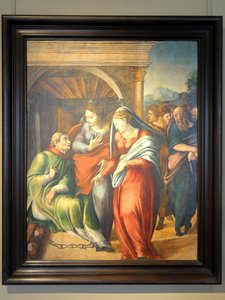
pedro de rubiales
Spain
Основные сведения
- Artistic Movement Or Style: Renaissance
- Artists Or Movements Influenced By This Artist: ['Polidoro da Caravaggio']
- Artists Who Influenced This Artist: ['Francesco Salviati']
- Date Of Birth: Albuquerque, Spain (date missing)
- Date Of Death: Living
- Full Name: Pedro de Rubiales
- Nationality: Spanish
- Notable Artworks:
- The Annunciation
- Dead Christ
- Descent from the Cross
- Place Of Birth: Albuquerque, Spain
Похожие статьи
25 Шедевров Уффици: Путешествие в Сердце Ренессанса | ArtsDot
Погрузитесь в мир Ренессанса с 25 шедеврами галереи Уффици! От Боттичелли до Леонардо да Винчи – истории, техники и вдохновение для вашего интерьера. Купите репродукции картин высочайшего качества на ArtsDot.com.
Celestial Messengers: Angels in Painting – A Historical & Artistic Exploration
Explore the captivating history of angels in painting! Discover symbolism, iconic Renaissance & Byzantine masterpieces, and renowned artists. Expert insights for art lovers & collectors at ArtsDot.
Celestial Messengers: A Comprehensive Exploration of Angelic Representation in Art History
Explore the captivating history of angels in art! Discover symbolism, iconic Renaissance masterpieces & renowned artists. Expert insights for art lovers & collectors at ArtsDot.
Фра Анджелико: Топ-25 шедевров эпохи Возрождения для вашего интерьера
Погрузитесь в мир Фра Анджелико! Топ-25 шедевров Возрождения – религиозные фрески, алтари и картины с ангелами. Узнайте историю искусства и вдохновитесь для декора дома. Репродукции картин высокого качества на ArtsDot.com.
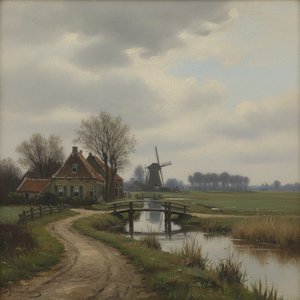
Jacob Henricus Maris: A Master of Dutch Atmospheric Realism & the Intimate Landscape
Explore the captivating world of Jacob Henricus Maris, a leading figure of the Dutch Hague School. Discover his atmospheric landscapes, signature brushstrokes & lasting influence on 19th-century art. Learn more at ArtsDot.