

 Предпросмотр
 Поделиться
 Поделиться
 Детали произведения

 Скачать
 Похожие работы
 Рентгенография
 Слайд-шоу
 Статистика
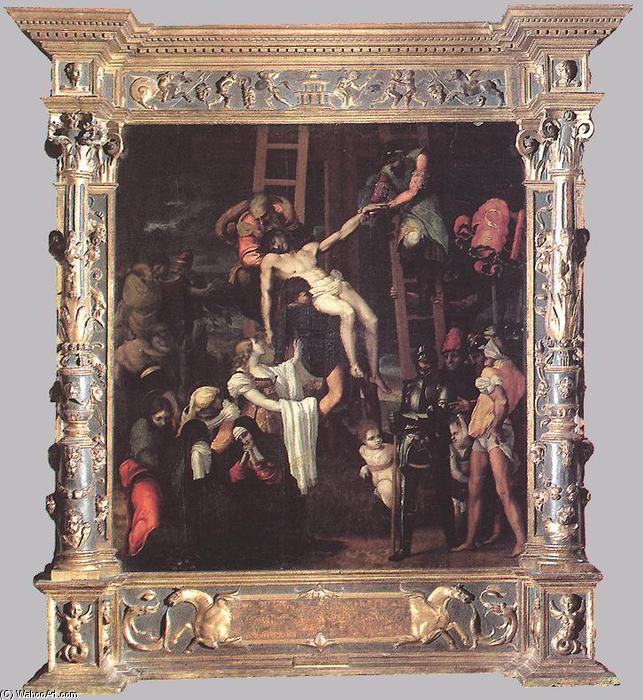
Descent from the Cross (with original frame)
 Oil On Canvas
- WallArt
- Baroque
 1547
1547 141.0 x 128.0 cm
 Музей Прадо
 Читать далее
Приобретите цифровое изображение высокого разрешения в улучшенном качестве, которое значительно превосходит онлайн-превью.
Каждый файл тщательно подготавливается нашими специалистами с использованием передовых инструментов и экспертной ручной ретуши. Мы гарантируем исключительную четкость, точную цветопередачу и детальную проработку каждого изображения.
Финальный файл доставляется по электронной почте в течение 72 часов и оптимизирован для немедленного использования в профессиональной среде, при верстке и печати. Это тот же уровень качества, которому доверяют ведущие дизайнерские студии, издательства и галереи.
Цифровое изображение
Скачайте файл высокого разрешения для личного использования, печати и творческих проектов. ( Перейти к печати Купить картину ручной работы)
Включено в каждый заказ цифровых изображений
Гарантия экспертной цифровой доставки
Выбирая ArtsDot.com, вы получаете не просто изображение — вы приобретаете профессионально обработанное цифровое произведение искусства, созданное с безупречной точностью и под защитой гарантии качества. Вот всё, что автоматически входит в ваш заказ:

Мгновенная доставка по e-mail
Ваш цифровой файл в высоком разрешении будет отправлен вам по электронной почте в течение 72 часов после оформления заказа — и сразу станет доступен для использования.

Цифровой файл с ИИ-улучшением
Ваше произведение искусства проходит профессиональную оптимизацию с использованием передовых инструментов ИИ и ручной обработки, что гарантирует максимальную детализацию, четкость и точность цветопередачи.

Бессрочная бесплатная повторная доставка
Случайно удалили или потеряли файл? Не беспокойтесь — мы отправим его вам повторно в любое время и совершенно бесплатно.

Без импортных пошлин — навсегда
Наслаждайтесь вашим произведением искусства мгновенно без таможенных пошлин, сборов или затрат на доставку — цифровые загрузки всегда не облагаются налогом.

Гарантия точности цветопередачи
Мы гарантируем, что ваше цифровое изображение максимально точно передает оригинальные цвета благодаря использованию профессиональных инструментов и систем управления цветом.

Гарантия удовлетворенности 100 дней
Если вы не будете удовлетворены своим цифровым изображением, мы внесем правки или вернем 100% стоимости в течение 100 дней — без лишних вопросов.

100% Гарантия возврата средств
Не удовлетворены покупкой? Получите полный возврат средств в течение 100 дней после получения цифрового файла — без лишних вопросов.

Скидки на оптовые заказы
Купите 3 изображения, сэкономьте 10% — Купите 5, сэкономьте 15% — Купите 10+, сэкономьте 20%. Отличное решение для творческих проектов, галерей и агентств.
A Dramatic Lament: The Descent from the Cross by Pedro Machuca
Pedro Machuca’s “Descent from the Cross,” painted in 1547, is not merely a depiction of a biblical scene; it's a visceral embodiment of grief and faith rendered with the raw intensity characteristic of late Mannerism and early Baroque. This monumental oil painting, currently housed within its original frame – a testament to its historical significance – immediately commands attention with its scale and emotional depth. The composition isn’t simply about portraying Christ’s fall; it's about capturing the agonizing weight of loss felt by those gathered below, their faces etched with sorrow and disbelief. Machuca masterfully utilizes dramatic lighting, casting deep shadows that amplify the scene’s somber mood while simultaneously highlighting key figures – particularly Christ himself – drawing the viewer into the heart of this profound moment.
Baroque Drama and Spanish Renaissance Influence
Machuca's work resides at a fascinating intersection of artistic movements. While firmly rooted in the traditions of Spanish painting, it anticipates the dramatic flourishes of the Baroque style that would soon dominate European art. The influence of Italian Mannerism is palpable in the elongated figures, the subtly distorted perspective, and the heightened emotionality. Notably, Machuca’s work represents a significant step towards classicizing Renaissance architecture in Spain, as evidenced by the meticulously crafted frame surrounding the painting – a design likely influenced by his role as architect for Charles V's palace in Granada. This architectural element underscores the piece's broader cultural context, reflecting the ambition and artistic patronage of the Spanish court during this period.
Symbolism and Emotional Resonance
The painting is rich with symbolic meaning. Christ’s descent from the cross isn’t just a historical event; it's a potent metaphor for sacrifice, suffering, and redemption. The figures surrounding him – Mary, John the Evangelist, Nicodemus, and others – represent humanity grappling with loss and seeking solace in faith. The ladder, prominently featured diagonally across the composition, acts as a visual anchor, drawing the eye downwards to Christ’s body while simultaneously symbolizing the arduous path towards salvation. The use of color is deliberately restrained, dominated by deep browns, blues, and reds—colors traditionally associated with mourning and sacrifice – further intensifying the painting's emotional impact. The faces of the mourners are not idealized; they are rendered with a raw honesty that conveys genuine grief, making the scene profoundly relatable to viewers across centuries.
Technique and Artistic Mastery
Machuca’s technical skill is evident in every brushstroke. He employs a layered glazing technique, building up color and form through multiple thin applications of oil paint. This method creates a remarkable sense of depth and luminosity, particularly noticeable in the fabrics and skin tones. The artist demonstrates an exceptional understanding of anatomy and perspective, skillfully rendering the complex folds of drapery and the subtle nuances of human expression. The meticulous detail, combined with the dynamic composition and dramatic lighting, results in a painting that is both visually stunning and emotionally resonant. It’s a testament to Machuca's mastery of his craft and his ability to capture the essence of a deeply moving subject.
For those seeking a high-quality reproduction or an original artwork, this piece offers a rare opportunity to own a significant work of Spanish Renaissance art—a poignant reminder of faith, loss, and the enduring power of human emotion.
Похожие произведения

Биография художника
Titian: A Venetian Master of Light and Color
The decade of the 1490s witnessed a burgeoning Renaissance across Europe, a period marked by renewed interest in classical art and a shift towards humanism. Within this vibrant landscape emerged Titian Vecellio (c. 1488/90 – August 27, 1576), an artist whose influence would reverberate through generations of painters. Born in Pieve di Cadore, a small town nestled in the foothills of the Dolomites in present-day Italy, Titian’s early life was steeped in the traditions of Venetian craftsmanship and artistic apprenticeship. His father, Gregorio Vecellio, was a military man, while his older brother, Francesco, followed in his footsteps as a painter, providing Titian with an initial grounding in the techniques of fresco painting. However, it was through his association with Gentile Bellini’s workshop that Titian truly began to hone his skills, absorbing the master's distinctive style and developing a keen eye for color and composition. The 1490s were pivotal years for Titian’s artistic development. He spent time under the tutelage of Marcantonio Raimondi, an engraver known for his meticulous reproductions of works by Raphael, gaining valuable experience in printmaking techniques. Crucially, he also worked closely with Giorgione, a fellow Venetian painter whose innovative use of color and atmospheric perspective profoundly influenced Titian’s own approach to painting. This collaboration, particularly during the decoration of the ‘Scuola del Santo’ in Padua, marked a significant turning point, establishing Titian as a rising star within the Venetian art world. The influence of Giorgione is evident in Titian's early works – a pastoral mood, an emphasis on light and shadow, and a willingness to experiment with unconventional color palettes—a departure from the more rigid conventions of earlier Renaissance painting.The Rise to Prominence: Portraits, Religious Scenes, and Public Commissions
Titian’s career truly took flight in the early 1510s as he transitioned from working primarily on public commissions to accepting portraits for wealthy patrons. His ability to capture the likenesses of his subjects with remarkable detail and psychological insight quickly gained him renown throughout Italy. He painted numerous portraits of prominent figures, including members of the Venetian aristocracy, foreign dignitaries, and even the Pope himself. These portraits are characterized by their elegance, sophistication, and a subtle sense of glamour—a hallmark of Titian’s artistic style. Simultaneously, he continued to undertake significant religious commissions, producing altarpieces for prominent churches in Venice and beyond. His ‘Assunta’ for Santa Maria Gloriosa dei Frari in Venice remains a landmark achievement, demonstrating his mastery of composition, color, and dramatic lighting.Expanding Horizons: The North Italian Courts and the Counter-Reformation
As Titian's reputation grew, he began to attract the attention of powerful patrons in Northern Italy, including Alfonso I d’Este of Ferrara and Philip II of Spain. He spent considerable time at these courts, adapting his style to suit the tastes of his new employers while retaining his own distinctive artistic voice. During this period, Titian's palette became increasingly vibrant and luminous, reflecting the influence of Mannerism—a movement that emphasized elegance, refinement, and a sense of artificiality. Furthermore, Titian’s work gained prominence during the Counter-Reformation, with the Catholic Church recognizing his ability to create emotionally resonant religious paintings. His works were frequently used in churches and chapels to inspire piety and devotion.Technique and Legacy: A Master of Color and Composition
Titian’s artistic legacy rests on several key innovations. He was a pioneer in the use of oil paint, allowing him to achieve unprecedented levels of color saturation and luminosity. His technique involved layering thin glazes of pigment upon each other, creating a rich, complex surface that shimmered with reflected light. He also developed a distinctive approach to composition, often employing asymmetrical arrangements and dynamic diagonals to create a sense of movement and drama. Titian’s influence extended far beyond his own lifetime, shaping the course of Venetian painting and inspiring generations of artists—from Rubens and Rembrandt to Monet and Matisse. His emphasis on color, light, and emotional expression continues to resonate with viewers today, solidifying his place as one of the greatest painters in Western art history. His works are held in major museums worldwide, including the National Gallery in London, the Galleria dell’Accademia in Venice, and the Prado Museum in Madrid, testament to their enduring beauty and artistic significance.
pedro machuca
1490 - 1550 , Spain
Основные сведения
- Artistic Movement Or Style: Renaissance painting”
- Artists Or Movements Influenced By This Artist:
- Venetian School
- European painting
- Artists Who Influenced This Artist:
- Giorgione
- Gentile Bellini
- Date Of Birth: c. 1490
- Date Of Death: 1576
- Full Name: Tiziano Vecellio”
- Nationality: Venetian
- Notable Artworks:
- Assumption of the Virgin
- Venus of Urbino
- Bacchus and Ariadne
- Place Of Birth: Pieve di Cadore, Italy