


 Поделиться
 Поделиться
 Детали произведения

 Скачать
 Похожие работы
 Слайд-шоу
 Статистика
The Virgin of Sorrows
 Sculpture
- Sculpture
- Baroque
 1675
1675- Early Modern
 68.0 x 57.0 cm
 Museo de Arte de Ponce
 Читать далее
Жикле / Арт-принт
Печать (жикле) или холст музейного качества с быстрыми сроками изготовления и широким выбором вариантов отделки. ( Купить картину ручной работы Перейти к цифровым изображениям)




































Выберите один из наших стандартных размеров, соответствующих оригинальным пропорциям произведения искусства.

Вы можете указать свои собственные размеры, чтобы репродукция идеально подошла под конкретную раму или пространство. Если выбранный вами размер не будет соответствовать пропорциям оригинала, мы либо обрежем произведение, либо дополним изображение зеркальным отражением краев или однотонной заливкой. Перед началом производства вам будет отправлен цифровой макет для утверждения.
Пожалуйста, обратите внимание, что предварительный просмотр на экране не отображает фактическую обрезку или расширение изображения. Только макет точно покажет финальную композицию.
Несмотря на возможность заказа индивидуальных размеров, мы рекомендуем выбирать размер из предопределенного списка, чтобы сохранить оригинальные пропорции.
Доставка по всему миру () за 2 недели вместо стандартных 4/5 недель. (15 Сентябрь)

Бесплатная экспресс-доставка по всему миру

Высококачественный льняной холст

Полное страхование доставки

Гарантия возмещения таможенных пошлин

Гарантия точного соответствия цветов

100-дневная политика возврата (только при обнаружении дефектов)

Гарантия возврата 100% средств

Предложение оптовых скидок
 Вариант со стеклом доступен только для размеров менее 110 см

The Virgin of Sorrows
Жикле / Арт-принт
Размер репродукции
-


Итоговая стоимость
$ 62
A Masterpiece of Devotion: The Soul in Wood
In the quiet, hallowed atmosphere of seventeenth-century Spanish artistry, few works command as much profound reverence as Pedro de Mena’s The Virgin of Sorrows. Created in 1675, this breathtaking sculpture transcends the boundaries between inanimate material and living emotion. As a master of the Spanish Baroque, De Mena possessed a rare, almost supernatural ability to breathe life into wood, transforming gessoed fabric and carved timber into a figure that seems to pulse with a silent, eternal grief. To gaze upon this bust is not merely to observe a religious icon, but to encounter a deeply human moment of sorrow, captured with such exquisite precision that the boundary between sculpture and reality begins to dissolve.
The technical brilliance of this work lies in De Mena’s sophisticated use of mixed media, a hallmark of his pursuit of hyper-realism. By integrating glass eyes that catch the light and ivory teeth that suggest the delicate vulnerability of human flesh, the artist achieved a level of lifelike detail that was revolutionary for his time. The subtle, masterful brushwork applied to the surfaces creates a texture so convincing that one can almost feel the weight of the blue veil draped around her face. This meticulous layering of materials serves a singular purpose: to bridge the gap between the divine and the earthly, making the sacred figure accessible and intimately relatable to the viewer.
Symbolism and the Language of Sorrow
Every element of The Virgin of Sorrows is steeped in profound symbolic meaning, designed to evoke a visceral response from the faithful. The composition, centered on the Virgin’s clasped hands, serves as a universal gesture of prayer, humility, and internal struggle. Her posture, characterized by a quiet, inward-looking intensity, invites the observer into a state of contemplation. The stark contrast provided by the white background focuses all emotional energy onto her countenance, emphasizing the isolation of her grief. In the context of Spanish Baroque spirituality, such imagery was intended to trigger mimesis—a deep, empathetic imitation of Christ's suffering through the eyes of his mother.
For the discerning collector or interior designer, this piece offers more than just historical significance; it provides a focal point of immense gravity and elegance. The cool tones of the blue veil paired with the warmth of the sculpted features allow the work to integrate seamlessly into sophisticated, classical environments. Whether placed in a curated gallery setting or as a centerpiece in a room designed for reflection, the sculpture radiates an aura of timelessness. It is a piece that does not merely decorate a space but transforms it, infusing the surroundings with a sense of history, peace, and unparalleled artistic mastery.
Похожие произведения



Биография художника
Rembrandt Harmenszoon van Rijn: A Master of Light and Emotion
Rembrandt Harmenszoon van Rijn, a name synonymous with artistic genius in the Netherlands, remains one of history’s most profoundly influential painters. Born in Leiden on July 15, 1606, into a family involved in picture framing and dealing, Rembrandt's journey from a modest upbringing to becoming a celebrated master is a testament to his extraordinary talent and relentless pursuit of artistic excellence. Though he died prematurely in Amsterdam on October 4, 1669, at the age of 63, his legacy continues to resonate through centuries of art, profoundly impacting generations of artists with his innovative techniques, emotional depth, and masterful command of light and shadow.
Rembrandt’s early artistic education remains somewhat shrouded in mystery. While he likely received instruction from his father, Isaac van Rijn, a skilled craftsman and painter, the precise details of his training are not fully documented. He apprenticed under Jacob Savery, a Haarlem-based portraitist, gaining foundational skills but quickly surpassing his teacher’s style. It was during this period that Rembrandt began to develop his distinctive approach – one characterized by an intense focus on capturing human emotion and psychological states rather than merely replicating appearances.
Early Career and Portraiture
Rembrandt initially established himself as a portrait painter in Leiden, quickly gaining recognition for his ability to portray subjects with remarkable realism and sensitivity. His early portraits, such as those of the Van Ruytenburch family, demonstrate a burgeoning talent for capturing not just physical likeness but also the inner lives of his sitters. He skillfully employed dramatic lighting – a technique he would later masterfully refine – to create mood and highlight key features, drawing viewers into the emotional core of each portrait. This period saw him producing works like *The Storm on the Sea of Galilee* (1633), a powerful depiction of faith and human vulnerability, showcasing his burgeoning compositional skills and dramatic use of light.
Transition and Innovation: The ‘Darker’ Period
As Rembrandt matured, his artistic style underwent a significant transformation. Around 1640, he began to experiment with darker palettes and more complex compositions, moving away from the brighter, more idealized styles prevalent at the time. This shift is often referred to as his “darker” period, though it’s crucial to recognize that this wasn't a decline but rather an evolution—a deliberate exploration of new artistic possibilities. Works like *The Night Watch* (1642), commissioned by the Amsterdam civic militia, exemplify this change. The painting is not simply a depiction of a military group; it’s a dynamic, theatrical scene brimming with energy and psychological depth, utilizing dramatic chiaroscuro to create a sense of immediacy and movement.
Self-Portraits: A Window into the Soul
Throughout his career, Rembrandt produced an astonishing number of self-portraits – over 60 in total. These works offer an unparalleled glimpse into the artist’s evolving appearance, moods, and psychological state. From the youthful exuberance of his early self-portraits to the weathered wisdom of his later years, each painting reveals a new facet of Rembrandt's personality. The *Self-Portrait with Two Circles* (1665), for example, is not just a depiction of the artist’s face; it’s an exploration of artistic technique and the challenges of capturing perfect circles on canvas – a poignant meditation on the nature of art itself.
Legacy and Influence
Rembrandt's impact on the history of art is immeasurable. His innovative use of light, his profound understanding of human psychology, and his willingness to experiment with new techniques paved the way for future generations of artists. He influenced painters across Europe, from Francisco Goya to Eugène Delacroix, and continues to inspire artists today. His works are celebrated in museums worldwide, and his legacy as one of the greatest masters of all time remains firmly established. Beyond his artistic achievements, Rembrandt’s life itself—marked by both extraordinary success and personal hardship—serves as a powerful testament to the enduring spirit of creativity and resilience.
Further Resources:
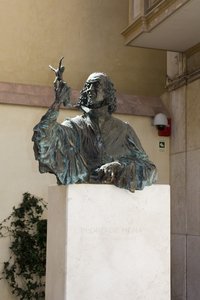
pedro mena y medrano (pedro de mena)
1628 - 1688 , Spain
Основные сведения
- Artistic Movement Or Style: Classical Dutch landscape
- Artists Or Movements Influenced By This Artist:
- Gainsborough
- Constable
- Barbizon School
- Artists Who Influenced This Artist:
- Isaac van Ruisdael
- Salomon van Ruysdael
- Date Of Birth: 1628/9?
- Date Of Death: 1682
- Full Name: Jacob van Ruisdael
- Nationality: Dutch
- Notable Artworks:
- The Jewish Cemetery
- Bentheim Castle View
- A Pool Surrounded by Trees
- Place Of Birth: Haarlem, Netherlands
Похожие статьи

О нас
Откройте для себя нашу историю! Мы привносим искусство мирового класса в вашу жизнь благодаря экспертному отбору, индивидуальным заказам и бесплатным обзорам. Одобрено частными лицами и компаниями с 2000 года.
The Golden Age Reforged: Dramatic Realism & Religious Zeal in Spanish Baroque Art
Explore the dramatic world of Spanish Baroque art! Discover masters like Zurbarán & the powerful influence of religious zeal on painting techniques – a guide for collectors and enthusiasts.
Rafael de Penagos: A Study in Spanish Portraiture & Artistic Identity
Explore the life & art of Rafael de Penagos, a leading Spanish Art Deco illustrator. Discover his iconic 'Penagos Woman', commercial work, and lasting legacy. Learn about this pivotal figure in 20th-century Spanish art history.

Топ-25 шедевров Гойи: от придворного портрета до мрачных пророчеств | ArtsDot
Погрузитесь в мир гения Франсиско Гойи! 🎨 От придворных портретов до мрачных "Капричос" – исследуйте топ-25 шедевров испанского романтизма. Купите репродукции картин Гойи музейного качества на ArtsDot.com и украсьте свой интерьер искусством.
Juan de Valdés Leal: Baroque Realism, Memento Mori & Theatricality of Spanish Grief
Explore the powerful Baroque realism of Juan de Valdés Leal (1622-1690). Discover his somber masterpieces, iconic 'In Ictu Oculi', and profound explorations of mortality. Museum-quality reproductions available at ArtsDot.