

 Предпросмотр
 Поделиться
 Поделиться
 Детали произведения

 Скачать
 Похожие работы
 Рентгенография
 Слайд-шоу
 Статистика
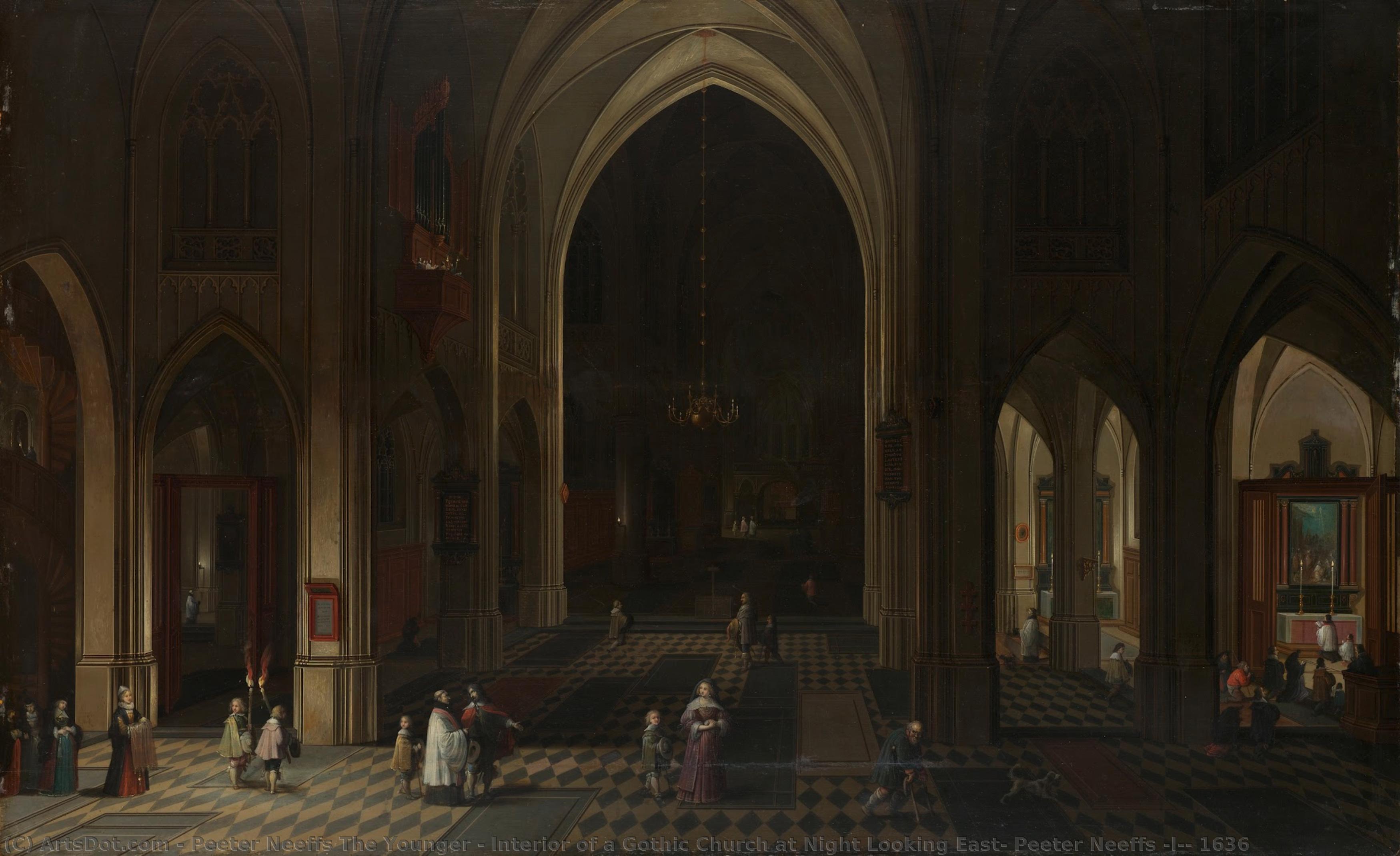
Interior of a Gothic Church at Night Looking East, Peeter Neeffs (I), 1636
 1636
1636 50.0 x 80.0 cm
 Читать далее
Приобретите цифровое изображение высокого разрешения в улучшенном качестве, которое значительно превосходит онлайн-превью.
Каждый файл тщательно подготавливается нашими специалистами с использованием передовых инструментов и экспертной ручной ретуши. Мы гарантируем исключительную четкость, точную цветопередачу и детальную проработку каждого изображения.
Финальный файл доставляется по электронной почте в течение 72 часов и оптимизирован для немедленного использования в профессиональной среде, при верстке и печати. Это тот же уровень качества, которому доверяют ведущие дизайнерские студии, издательства и галереи.
Цифровое изображение
Скачайте файл высокого разрешения для личного использования, печати и творческих проектов. ( Перейти к печати Купить картину ручной работы)
Включено в каждый заказ цифровых изображений
Гарантия экспертной цифровой доставки
Выбирая ArtsDot.com, вы получаете не просто изображение — вы приобретаете профессионально обработанное цифровое произведение искусства, созданное с безупречной точностью и под защитой гарантии качества. Вот всё, что автоматически входит в ваш заказ:

Мгновенная доставка по e-mail
Ваш цифровой файл в высоком разрешении будет отправлен вам по электронной почте в течение 72 часов после оформления заказа — и сразу станет доступен для использования.

Цифровой файл с ИИ-улучшением
Ваше произведение искусства проходит профессиональную оптимизацию с использованием передовых инструментов ИИ и ручной обработки, что гарантирует максимальную детализацию, четкость и точность цветопередачи.

Бессрочная бесплатная повторная доставка
Случайно удалили или потеряли файл? Не беспокойтесь — мы отправим его вам повторно в любое время и совершенно бесплатно.

Без импортных пошлин — навсегда
Наслаждайтесь вашим произведением искусства мгновенно без таможенных пошлин, сборов или затрат на доставку — цифровые загрузки всегда не облагаются налогом.

Гарантия точности цветопередачи
Мы гарантируем, что ваше цифровое изображение максимально точно передает оригинальные цвета благодаря использованию профессиональных инструментов и систем управления цветом.

Гарантия удовлетворенности 100 дней
Если вы не будете удовлетворены своим цифровым изображением, мы внесем правки или вернем 100% стоимости в течение 100 дней — без лишних вопросов.

100% Гарантия возврата средств
Не удовлетворены покупкой? Получите полный возврат средств в течение 100 дней после получения цифрового файла — без лишних вопросов.

Скидки на оптовые заказы
Купите 3 изображения, сэкономьте 10% — Купите 5, сэкономьте 15% — Купите 10+, сэкономьте 20%. Отличное решение для творческих проектов, галерей и агентств.
Похожие произведения





Биография художника
Peeter the Younger Neeffs: A Flemish Master of Light and Shadow
Peeter the Younger Neeffs, a name perhaps less familiar than his contemporaries Rubens or Van Dyck, nevertheless stands as a significant figure in 17th-century Flemish art. Born in Antwerp in 1620 and tragically passing away around 1675, Neeffs carved out a distinctive niche for himself primarily through the captivating depiction of church interiors – spaces imbued with both grandeur and an intimate sense of spirituality. While biographical details remain somewhat sparse, his artwork speaks volumes about his skill, meticulousness, and profound understanding of light, composition, and the human experience within sacred settings.
Neeffs’ early life is shrouded in a degree of obscurity. He was the younger son of Pieter Neefs the Elder, a highly respected architectural painter already established in Antwerp. This familial connection undoubtedly played a crucial role in shaping his artistic trajectory, providing him with an apprenticeship within his father's workshop and exposure to a rich tradition of depicting religious spaces. Unlike his father, who often focused on grand, sweeping compositions, Neeffs developed a particular fascination with the subtle nuances of light and shadow within these interiors – a technique that would become the hallmark of his style.
The Art of the Interior: A Unique Vision
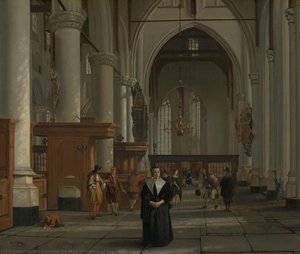
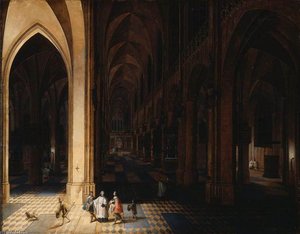
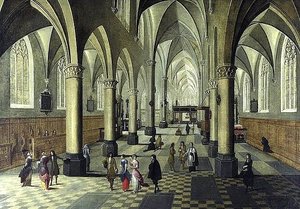
Neeffs’ primary subject matter revolved around the architectural interiors of churches, particularly those of Antwerp Cathedral. However, he didn't simply replicate existing structures; rather, he created imagined spaces—a blend of realism and artistic license—that captured a profound sense of atmosphere and emotion. These weren’t mere technical exercises in perspective; they were carefully constructed narratives, often depicting religious processions or ceremonies unfolding within the dimly lit nave. His compositions frequently feature a deep recession into space, achieved through masterful use of linear perspective, drawing the viewer's eye towards an unseen vanishing point.
A defining characteristic of Neeffs’ work is his manipulation of light. He expertly employed chiaroscuro – the dramatic contrast between light and dark – to create a sense of depth, volume, and drama. He frequently depicted interiors bathed in a soft, ethereal glow, sometimes emanating from unseen windows or stained glass, while other times utilizing stark contrasts to highlight specific figures or architectural details. This skillful use of light wasn’t merely decorative; it served to heighten the spiritual significance of the scene and evoke a sense of reverence.
Collaboration and Influences
Neeffs' artistic practice was deeply intertwined with collaboration. He frequently worked alongside other prominent Antwerp painters, notably his father, Pieter Neefs the Elder, as well as Frans Francken III, David Teniers the Younger, and Bonaventura Peeters the Elder. These collaborations allowed him to expand his repertoire and refine his technique. The close stylistic similarities between his work and that of his father have sometimes created challenges in attributing individual works definitively, highlighting the complexities of artistic lineages within the Neefs family.
While influenced by the architectural paintings of Hendrik van Steenwijck the Elder – particularly his nocturnal church interiors – Neeffs developed a unique style characterized by its meticulous detail and psychological depth. The influence of Dutch Golden Age painters is also evident in his use of color and composition, though he retained a distinctly Flemish sensibility.
Notable Works and Legacy
Among Neeffs’ most celebrated works are “Interior of a Church” (Victoria & Albert Museum), which exemplifies his mastery of light and perspective; "The Interior of the Dominican Church, Antwerp, Looking East, with the Procession of the Holy Sacrament" (Musée du Louvre), showcasing his ability to capture the dynamism of religious ceremony; and “Saint Eustace,” a powerful depiction of the saint’s encounter with the stag. These paintings demonstrate not only his technical skill but also his capacity to imbue these architectural settings with profound emotional resonance.
Today, Peeter the Younger Neeffs' works are treasured possessions within prestigious museums such as the Prado Museum in Madrid and the National Gallery in London. His legacy endures as a testament to the enduring appeal of depicting sacred spaces—a genre that continues to inspire artists and captivate viewers with its evocative beauty and spiritual depth.
For further information about Peeter the Younger Neeffs’ life and artwork, please visit https://ArtsDot.com/@/peeter the younger neeffs and explore examples of his paintings at /en/art/show/art-d3cl2x-en/.
peeter the younger neeffs
1620 - 1675 , Belgium
Основные сведения
- Artistic Movement Or Style: Baroque
- Artists Or Movements Influenced By This Artist: ['Jan van Huchtenburgh']
- Artists Who Influenced This Artist:
- Peter Paul Rubens
- Anthony van Dyck
- Date Of Birth: 1620 Antwerp, Belgium
- Date Of Death: 1675
- Full Name: Peeter the Younger Neeffs
- Nationality: Flemish
- Notable Artworks:
- Still life with flowers
- Portrait of a young woman
- The lute player
- Saint Eustace
- Place Of Birth: Antwerp, Belgium