

 Предпросмотр
 Поделиться
 Поделиться
 Детали произведения

 Скачать
 Похожие работы
 Рентгенография
 Слайд-шоу
 Статистика
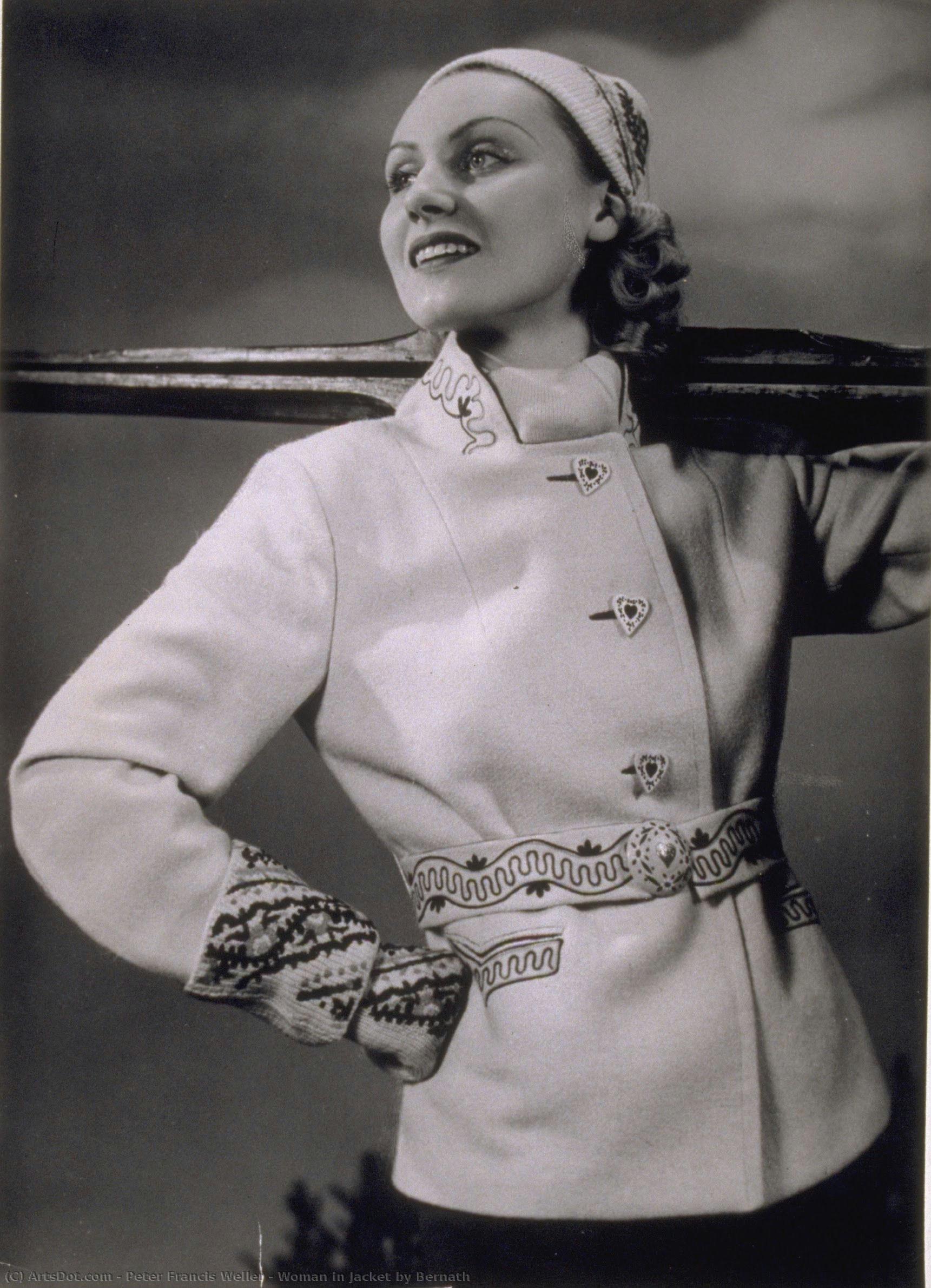
Woman in Jacket by Bernath
 1936
1936 22.0 x 16.0 cm
 Читать далее
Приобретите цифровое изображение высокого разрешения в улучшенном качестве, которое значительно превосходит онлайн-превью.
Каждый файл тщательно подготавливается нашими специалистами с использованием передовых инструментов и экспертной ручной ретуши. Мы гарантируем исключительную четкость, точную цветопередачу и детальную проработку каждого изображения.
Финальный файл доставляется по электронной почте в течение 72 часов и оптимизирован для немедленного использования в профессиональной среде, при верстке и печати. Это тот же уровень качества, которому доверяют ведущие дизайнерские студии, издательства и галереи.
Цифровое изображение
Скачайте файл высокого разрешения для личного использования, печати и творческих проектов. ( Перейти к печати Купить картину ручной работы)
Включено в каждый заказ цифровых изображений
Гарантия экспертной цифровой доставки
Выбирая ArtsDot.com, вы получаете не просто изображение — вы приобретаете профессионально обработанное цифровое произведение искусства, созданное с безупречной точностью и под защитой гарантии качества. Вот всё, что автоматически входит в ваш заказ:

Мгновенная доставка по e-mail
Ваш цифровой файл в высоком разрешении будет отправлен вам по электронной почте в течение 72 часов после оформления заказа — и сразу станет доступен для использования.

Цифровой файл с ИИ-улучшением
Ваше произведение искусства проходит профессиональную оптимизацию с использованием передовых инструментов ИИ и ручной обработки, что гарантирует максимальную детализацию, четкость и точность цветопередачи.

Бессрочная бесплатная повторная доставка
Случайно удалили или потеряли файл? Не беспокойтесь — мы отправим его вам повторно в любое время и совершенно бесплатно.

Без импортных пошлин — навсегда
Наслаждайтесь вашим произведением искусства мгновенно без таможенных пошлин, сборов или затрат на доставку — цифровые загрузки всегда не облагаются налогом.

Гарантия точности цветопередачи
Мы гарантируем, что ваше цифровое изображение максимально точно передает оригинальные цвета благодаря использованию профессиональных инструментов и систем управления цветом.

Гарантия удовлетворенности 100 дней
Если вы не будете удовлетворены своим цифровым изображением, мы внесем правки или вернем 100% стоимости в течение 100 дней — без лишних вопросов.

100% Гарантия возврата средств
Не удовлетворены покупкой? Получите полный возврат средств в течение 100 дней после получения цифрового файла — без лишних вопросов.

Скидки на оптовые заказы
Купите 3 изображения, сэкономьте 10% — Купите 5, сэкономьте 15% — Купите 10+, сэкономьте 20%. Отличное решение для творческих проектов, галерей и агентств.
Похожие произведения






Биография художника
Peter Francis Weller: A Life Bridging Art, Performance, and the Echoes of Renaissance Vision
Born in Stevens Point, Wisconsin, in 1947, Peter Francis Weller is an artist whose career defies easy categorization. He’s a celebrated actor known for his iconic portrayal of Robocop, yet simultaneously a deeply engaged scholar of art history, particularly the Italian Renaissance. This dual existence—a performer inhabiting complex characters and a researcher dissecting centuries-old masterpieces—has shaped his artistic vision, imbuing his work with a unique blend of theatricality, intellectual rigor, and an enduring fascination with human form and representation. His journey is one of constant exploration, moving seamlessly between the stage and the studio, the screen and the archive.
Weller’s early life hinted at a multifaceted sensibility. Growing up in Wisconsin, he developed a keen interest in both visual arts and performance. He earned a Ph.D. in Italian Renaissance Art History from UCLA, a foundation that profoundly informs his approach to art today. This academic background isn't merely a footnote; it’s the bedrock upon which he builds his artistic practice, evident in his meticulous study of materials, techniques, and the historical context surrounding his creations. His doctoral work focused on the influence of classical ideals on Renaissance portraiture, an interest that continues to resonate throughout his diverse body of work.
His transition from academia to the world of acting was surprisingly organic. He began his career in television, quickly establishing himself as a versatile character actor with a distinctive presence. Roles in films like *Mighty Aphrodite* (1995), *The New Age* (1994), and *Naked Lunch* (1991) showcased his ability to inhabit complex characters, often those grappling with existential questions or challenging societal norms. However, it was his portrayal of Robocop in 1987 and its sequel, *RoboCop 2* (1990) that cemented his place in popular culture. The role demanded not just physical transformation but a deep understanding of the character’s psychological complexities – a skill honed by years of studying human behavior through the lens of art history.
Beyond acting, Weller has pursued significant projects demonstrating his artistic curiosity and intellectual depth. He curated and studied fashion history, specifically early 20th-century textiles and design, as evidenced by several compelling artworks featured on ArtsDot.com. These pieces – “Woman in Ensemble,” “Woman in Jacket,” and “Woman in Cape” – offer a glimpse into his fascination with the materiality of clothing, its historical context, and its ability to communicate social status, identity, and cultural values. His work in this area reveals an appreciation for craftsmanship and a keen eye for detail, mirroring the meticulous observation characteristic of Renaissance art historians.
Furthermore, Weller’s involvement in television documentaries like *Engineering of an Empire* (2005-2007) demonstrates his ability to synthesize historical research with engaging storytelling. He brings a scholarly perspective to these projects while maintaining a clear and accessible narrative style. His work on *24*, *Dexter*, *Children of Anarchy*, *Longmire*, and *The Last Ship* showcases his versatility as a director, demonstrating an understanding of visual language and dramatic pacing.
The Influence of the Renaissance: A Recurring Motif
Weller’s artistic practice is deeply informed by his extensive knowledge of the Italian Renaissance. The influence of this period manifests in several key ways. Firstly, there's a recurring interest in the concept of the idealized human form – a hallmark of Renaissance portraiture. This can be seen in his choice of subjects and the way he renders them, often emphasizing anatomical accuracy and a sense of timeless beauty. Secondly, his meticulous attention to detail—a trait likely cultivated through years of studying historical artifacts—is evident in all his work, from his acting roles to his artwork.
The Renaissance fascination with perspective and illusionism also resonates within Weller’s artistic approach. He seems to be interested in creating a sense of depth and complexity, inviting the viewer to engage with the work on multiple levels. This is particularly apparent in his studies of fashion history, where he meticulously reconstructs garments from photographs, recreating not just their appearance but also the social context in which they were worn. The use of black and white photography, reminiscent of early Renaissance portraiture, further reinforces this connection.
His work with ArtsDot.com exemplifies this influence. His reproductions of historical fashion images are not merely faithful copies; they’re carefully considered interpretations that capture the spirit and essence of the original photographs. He doesn't simply replicate the image; he imbues it with a sense of history, inviting viewers to contemplate the lives and experiences of those depicted.
Performance as Research: A Hybrid Artistic Practice
Weller’s career as an actor provides a unique lens through which to understand his artistic practice. For him, performance isn't simply about embodying a character; it’s a form of research – a way of exploring human behavior, social dynamics, and the complexities of identity. The physical demands of acting—learning lines, mastering accents, inhabiting different body types—require a level of empathy and observation that is invaluable to his artistic work.
His roles in television shows like *24* and *Dexter*, for example, demanded an understanding of psychological motivations and the nuances of human interaction. This experience informs his approach to creating visual narratives, whether it’s through painting or directing. He seems to be constantly seeking ways to translate the insights gained from his performances into his other artistic endeavors.
Furthermore, his work as a director demonstrates this hybrid practice. He uses cinematic techniques—framing, lighting, editing—to create visually compelling narratives that explore complex themes and characters. This reflects his broader belief that art should be both intellectually stimulating and emotionally engaging.
The Legacy of Observation: A Continuing Exploration
Peter Francis Weller’s career is characterized by a relentless curiosity and a deep commitment to observation. He doesn't simply consume information; he actively seeks it out, analyzing it critically and integrating it into his artistic practice. His background in art history provides him with the tools to understand the historical context surrounding his work, while his experience as an actor allows him to explore human behavior on a visceral level.
His ongoing study of fashion history—particularly early 20th-century textiles and design—represents a continuing exploration of the relationship between art, culture, and identity. It’s a testament to his belief that art can be both a reflection of its time and a window into the future. As an artist who seamlessly blends scholarship with performance, Weller's work offers a compelling vision of how the past can inform the present and shape our understanding of the world around us.

peter francis weller
1947 -