

 Предпросмотр
 Поделиться
 Поделиться
 Детали произведения

 Скачать
 Похожие работы
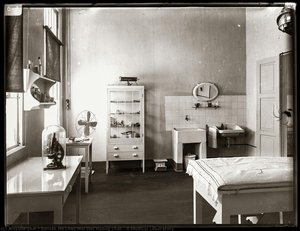
 Рентгенография
 Слайд-шоу
 Статистика
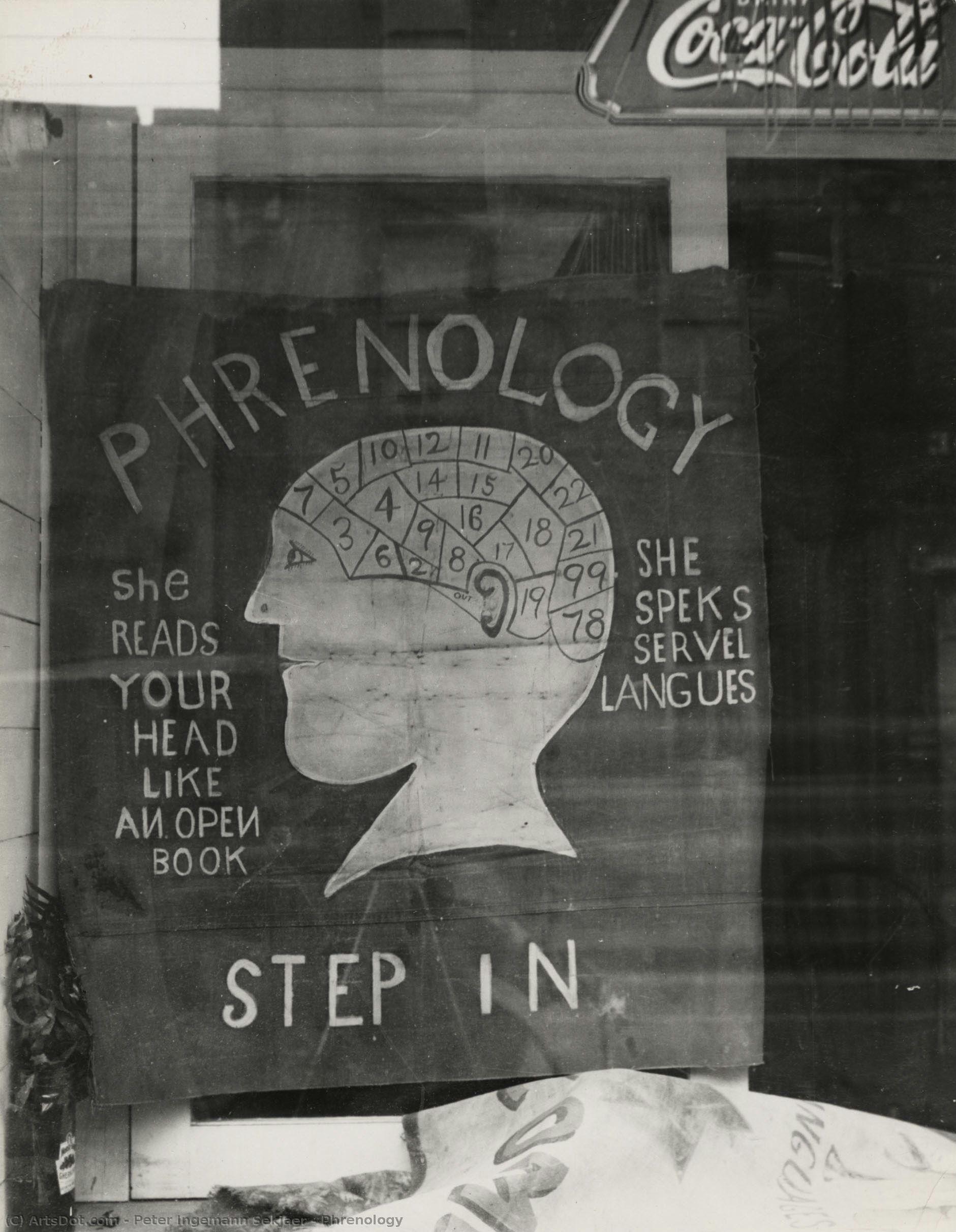
Phrenology


 Читать далее
Приобретите цифровое изображение высокого разрешения в улучшенном качестве, которое значительно превосходит онлайн-превью.
Каждый файл тщательно подготавливается нашими специалистами с использованием передовых инструментов и экспертной ручной ретуши. Мы гарантируем исключительную четкость, точную цветопередачу и детальную проработку каждого изображения.
Финальный файл доставляется по электронной почте в течение 72 часов и оптимизирован для немедленного использования в профессиональной среде, при верстке и печати. Это тот же уровень качества, которому доверяют ведущие дизайнерские студии, издательства и галереи.
Цифровое изображение
Скачайте файл высокого разрешения для личного использования, печати и творческих проектов. ( Перейти к печати Купить картину ручной работы)
Включено в каждый заказ цифровых изображений
Гарантия экспертной цифровой доставки
Выбирая ArtsDot.com, вы получаете не просто изображение — вы приобретаете профессионально обработанное цифровое произведение искусства, созданное с безупречной точностью и под защитой гарантии качества. Вот всё, что автоматически входит в ваш заказ:

Мгновенная доставка по e-mail
Ваш цифровой файл в высоком разрешении будет отправлен вам по электронной почте в течение 72 часов после оформления заказа — и сразу станет доступен для использования.

Цифровой файл с ИИ-улучшением
Ваше произведение искусства проходит профессиональную оптимизацию с использованием передовых инструментов ИИ и ручной обработки, что гарантирует максимальную детализацию, четкость и точность цветопередачи.

Бессрочная бесплатная повторная доставка
Случайно удалили или потеряли файл? Не беспокойтесь — мы отправим его вам повторно в любое время и совершенно бесплатно.

Без импортных пошлин — навсегда
Наслаждайтесь вашим произведением искусства мгновенно без таможенных пошлин, сборов или затрат на доставку — цифровые загрузки всегда не облагаются налогом.

Гарантия точности цветопередачи
Мы гарантируем, что ваше цифровое изображение максимально точно передает оригинальные цвета благодаря использованию профессиональных инструментов и систем управления цветом.

Гарантия удовлетворенности 100 дней
Если вы не будете удовлетворены своим цифровым изображением, мы внесем правки или вернем 100% стоимости в течение 100 дней — без лишних вопросов.

100% Гарантия возврата средств
Не удовлетворены покупкой? Получите полный возврат средств в течение 100 дней после получения цифрового файла — без лишних вопросов.

Скидки на оптовые заказы
Купите 3 изображения, сэкономьте 10% — Купите 5, сэкономьте 15% — Купите 10+, сэкономьте 20%. Отличное решение для творческих проектов, галерей и агентств.
Похожие произведения






Биография художника
A Life Dedicated to Capturing America’s Soul: The Story of Peter Sekaer
Peter Ingemann Sekjær, known to the world as Peter Sekaer, was a Danish-born photographer whose lens became a powerful instrument for documenting the complexities and contradictions of American life during the pivotal years of the Great Depression and New Deal era. Born in Copenhagen in 1901, Sekaer’s early life offered little hint of the path he would forge across the Atlantic. He came from a family involved in machinery import, with expectations that he follow a similar trajectory. However, a restless spirit and a yearning for personal freedom propelled him to New York City at the young age of seventeen in 1918. This immigration wasn’t merely a change of location; it was a deliberate act of self-discovery, an attempt to escape familial constraints and embrace new possibilities. Initially, Sekaer navigated the challenges faced by many European newcomers, taking on various jobs to sustain himself while establishing roots in his adopted homeland. By 1922, he had already begun to distinguish himself as a master sign painter, building a successful business centered around creating striking posters and advertisements – a foundation that would later inform his photographic eye for composition and graphic clarity.From Sign Painting to Social Commentary
The trajectory of Sekaer’s artistic development took an intriguing turn in the late 1920s when he began attending classes at The Art Students League. This foray into formal art education opened new avenues of expression, but it was his encounter with Ben Shahn that proved particularly transformative. Shahn, a prominent social realist painter and photographer himself, is believed to have introduced Sekaer to the world of photography. Soon after, Sekaer found another crucial mentor in Walker Evans, whose rigorous approach to documentary work would profoundly influence his own style. By 1933, Sekaer had fully committed himself to photography, studying with Berenice Abbott at the New School for Social Research and honing his skills alongside Evans on a project documenting African sculpture at The Museum of Modern Art. This period marked a crucial shift in Sekaer’s focus – from commercial art to using the camera as a tool for social observation and change.Documenting Hardship and Hope: Work with Government Agencies
The mid-1930s found Sekaer deeply involved in several ambitious government projects designed to address the widespread suffering of the Depression era. In 1936, he accompanied Walker Evans on a photographic journey throughout the American South under the auspices of the Resettlement Administration (RA), which later became the Farm Security Administration (FSA). This experience proved pivotal, as Sekaer began capturing images that revealed both the harsh realities of rural poverty and the resilience of those struggling to survive. Like his contemporaries—Dorothey Lange, Gordon Parks, and others—Sekaer sought to portray the world with honesty and empathy, blending artistic vision with a deep sense of social responsibility. From 1936 to 1942, Sekaer worked professionally for various federal agencies, most notably the Rural Electrification Administration (REA), where he eventually became head of the graphic department. He also contributed significantly to the United States Housing Authority (USHA) and the Office of Indian Affairs, photographing Navajo and Pueblo communities. His work during this period wasn’t simply about recording images; it was about telling stories—stories of hardship, hope, and the enduring human spirit.A Legacy Rediscovered
Despite achieving considerable recognition and widespread publication during his lifetime, Sekaer's work largely faded from public view after his untimely death in 1950 at the age of forty-nine. For decades, his photographs remained relatively unknown, overshadowed by the more celebrated names of his contemporaries. However, a pivotal exhibition held in 1980 at the Witkin Gallery in New York began to spark renewed interest in his oeuvre. This was followed by another significant show in 1990 at the Royal Library in Copenhagen, accompanied by a catalogue that helped reintroduce Sekaer’s work to a wider audience. Today, many of his prints are held in the public collection of the Royal Library in Copenhagen, and institutions like the High Museum of Art in Atlanta—which possesses the largest holding of vintage Sekaer prints in any American museum—are actively working to ensure his legacy endures. The rediscovery of Peter Sekaer’s photographs offers a powerful reminder of the importance of documenting social conditions with both artistic skill and unwavering empathy, solidifying his place as a vital voice in the history of American documentary photography.
peter ingemann sekjaer
1901 - 1950