

 Предпросмотр
 Поделиться
 Поделиться
 Детали произведения

 Скачать
 Похожие работы
 Рентгенография
 Слайд-шоу
 Статистика
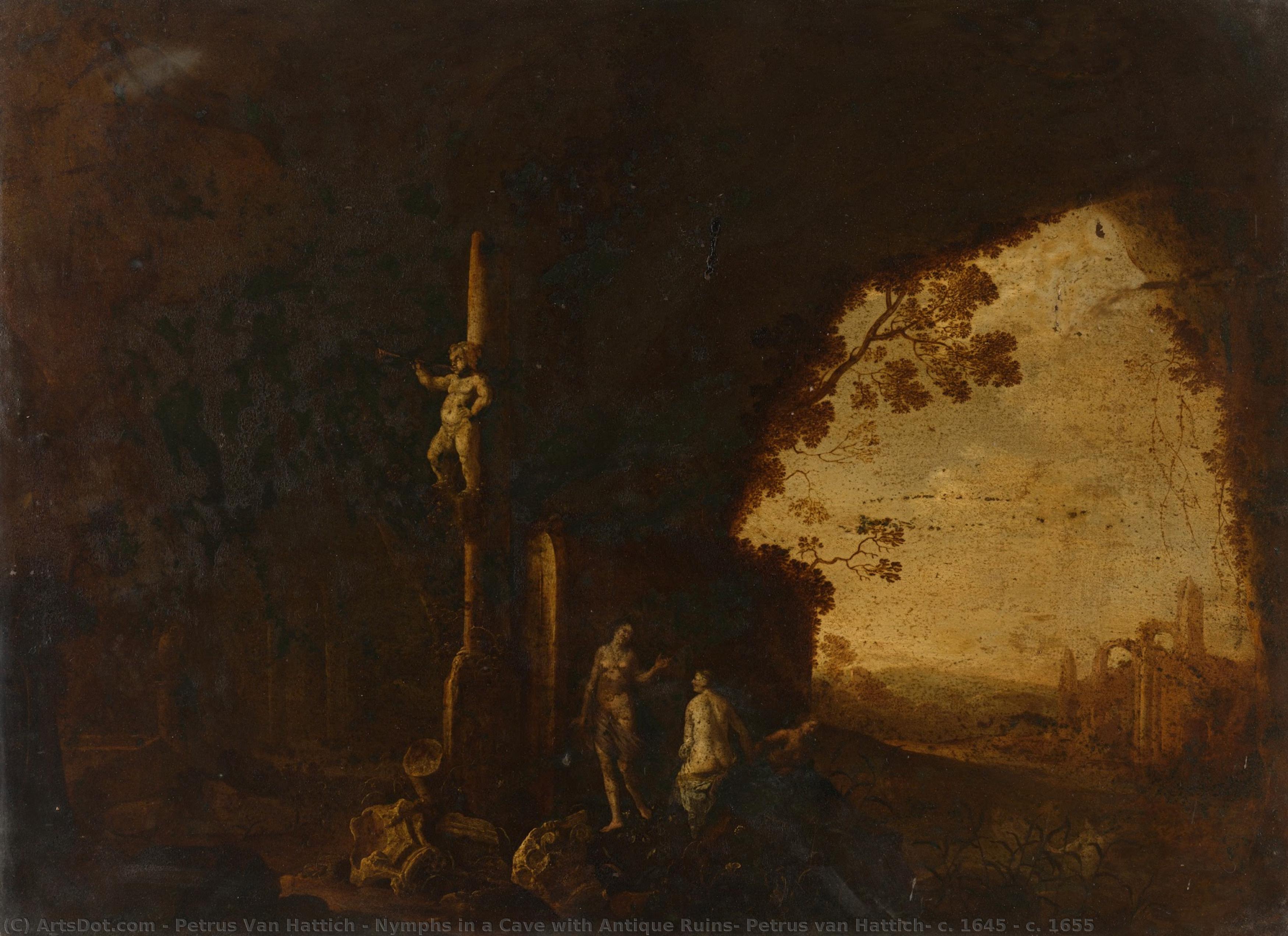
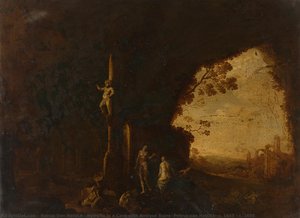
Nymphs in a Cave with Antique Ruins, Petrus van Hattich, c. 1645 - c. 1655


 Читать далее
Жикле / Арт-принт
Печать (жикле) или холст музейного качества с быстрыми сроками изготовления и широким выбором вариантов отделки. ( Купить картину ручной работы Перейти к цифровым изображениям)




































Выберите один из наших стандартных размеров, соответствующих оригинальным пропорциям произведения искусства.

Вы можете указать свои собственные размеры, чтобы репродукция идеально подошла под конкретную раму или пространство. Если выбранный вами размер не будет соответствовать пропорциям оригинала, мы либо обрежем произведение, либо дополним изображение зеркальным отражением краев или однотонной заливкой. Перед началом производства вам будет отправлен цифровой макет для утверждения.
Пожалуйста, обратите внимание, что предварительный просмотр на экране не отображает фактическую обрезку или расширение изображения. Только макет точно покажет финальную композицию.
Несмотря на возможность заказа индивидуальных размеров, мы рекомендуем выбирать размер из предопределенного списка, чтобы сохранить оригинальные пропорции.
Доставка по всему миру () за 2 недели вместо стандартных 4/5 недель. (13 Сентябрь)

Бесплатная экспресс-доставка по всему миру

Высококачественный льняной холст

Полное страхование доставки

Гарантия возмещения таможенных пошлин

Гарантия точного соответствия цветов

100-дневная политика возврата (только при обнаружении дефектов)

Гарантия возврата 100% средств

Предложение оптовых скидок
 Вариант со стеклом доступен только для размеров менее 110 см

Nymphs in a Cave with Antique Ruins, Petrus van Hattich, c. 1645 - c. 1655
Жикле / Арт-принт
Размер репродукции
-


Итоговая стоимость
$ 62
Похожие произведения
Биография художника
The Ethereal Legacy of Petrus van Hattich
In the golden twilight of the Dutch Golden Age, a period defined by unparalleled artistic flourishing and economic vitality, the name Petrus van Hattich emerges as a whisper of Baroque brilliance. Active during the mid-17th century, specifically between approximately 1645 and 1655, Hattich occupied a space in art history that, while perhaps overshadowed by the monumental shadows of Rembrandt or Vermeer, offers a uniquely delicate and atmospheric window into the Dutch Baroque sensibility. His work serves as a testament to an era where the mastery of light and the exploration of classical themes converged to create a profound emotional resonance.
The biographical details of Hattich’s early life remain shrouded in the mists of time, much like the very landscapes he so skillfully rendered. While specific records of his formative years are sparse, it is widely understood that he operated within the vibrant artistic ecosystem of the Netherlands. His technical execution suggests a deep immersion in the prevailing traditions of his contemporaries, particularly the meticulous observation of nature and the dramatic use of chiaroscuro—the interplay of light and shadow—that defined the era's greatest masters. This training allowed him to move beyond mere representation, instead imbuing his canvases with a palpable sense of atmosphere.
A Mastery of Light and Classical Allusion
Hattich’s artistic identity is most vibrantly expressed through his command of illumination. He possessed an exceptional ability to manipulate directional light, using it not merely to illuminate subjects but to sculpt form and evoke mood. This technique is nowhere more evident than in his celebrated depictions of mythological scenes, such as his work featuring nymphs within the recesses of a cave. In these compositions, the artist utilizes subtle highlights against darker, sketchy backgrounds to create a sense of depth and mystery, drawing the viewer into a world where the boundaries between reality and myth seem to dissolve.
His technical repertoire was remarkably versatile, often employing oil on copper—a medium capable of extraordinary luminosity. This choice allowed for a fine, delicate touch, particularly visible in his rendering of foliage and the ethereal, almost ghostly, female forms that inhabit his landscapes. His work often reflects a dialogue with other masters of the period; one can observe echoes of the Utrecht artist Abraham van Cuylenborch in his compositions of nymphs bathing amidst ruins, as well as influences from Carel de Hooch in his ability to direct the eye through complex, layered backgrounds. Through these connections, Hattich’s work becomes part of a larger, interconnected tapestry of 17th-century European art.
Historical Significance and the Rijksmuseum Legacy
The enduring importance of Petrus van Hattich lies in his contribution to the specialized genre of classical landscapes and mythological interiors. His ability to blend the ruggedness of antique ruins with the delicate, transient beauty of nature created a unique aesthetic that captured the imagination of the Dutch Baroque period. Though some of his works have suffered from the ravages of time—notably certain pieces in the Rijksmuseum collection which arrived in fragile states due to corrosion—the surviving fragments continue to offer profound insights into his vision.
Today, Hattich is remembered as a painter of atmosphere and nuance. His significance is found in:
- The preservation of the Baroque spirit: His work maintains the essential tension between light and shadow that defines the era.
- Classical integration: He successfully merged Dutch landscape sensibilities with the classical allure of antiquity and mythology.
- Technical excellence: His mastery of light on varied surfaces, including copper, showcases the high level of craftsmanship present in the Dutch Golden Age.
As we look upon his surviving masterpieces, we see more than just historical artifacts; we encounter a visionary who used the language of light to explore the eternal themes of nature, myth, and the passage of time.
petrus van hattich
Netherlands
Основные сведения
- Artistic Movement Or Style: Dutch Golden Age
- Artists Or Movements Influenced By This Artist: Classical Art
- Artists Who Influenced This Artist: Rembrandt
- Date Of Birth: Dutch
- Date Of Death: Living
- Full Name: Petrus van Hattich
- Nationality: Dutch
- Notable Artworks: ['Nymphs in Cave with Antique Ruins']
- Place Of Birth: Netherlands
Похожие статьи

Топ-10 шедевров голландского барокко: искусство для вашего интерьера от ArtsDot.com
Погрузитесь в мир голландского барокко! От Рембрандта до Вермеера – 10 шедевров, изменивших искусство. Узнайте истории создания и технику великих мастеров. Репродукции картин высочайшего качества для вашего интерьера на ArtsDot.com.

Барочная драма: Искусство величия в современном интерьере
Погрузитесь в мир роскоши и величия барокко! Узнайте об истории стиля, ключевых элементах интерьера и архитектуре. Вдохновляйтесь с и создайте свой неповторимый дизайн.

10 Шедевров Барокко: Искусство, изменившее мир | ArtsDot.com
Погрузитесь в мир барокко! 10 шедевров Караваджо, Рембрандта и других великих художников. Узнайте историю создания культовых картин и найдите идеальную репродукцию для вашего интерьера на ArtsDot.com

Рембрандт ван Рейн: Топ-25 шедевров великого голландского мастера | ArtsDot
Погрузитесь в мир великого Рембрандта! 25 шедевров голландского барокко, истории создания картин и уникальные техники художника. Купите репродукции картин Рембрандта высочайшего качества для вашего интерьера на ArtsDot.com
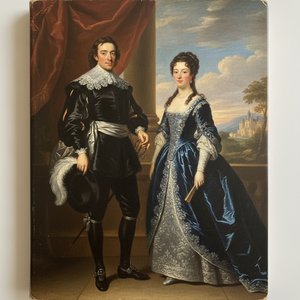
Sir Anthony van Dyck: Courtly Portraiture & the Shaping of Baroque Identity
Explore the life & legacy of Sir Anthony van Dyck, the leading court painter of his era. Discover his innovative portraiture, Baroque masterpieces, and investment potential for discerning collectors. Learn more at ArtsDot.