


 Предпросмотр
 Поделиться
 Поделиться
 Детали произведения

 Скачать
 Похожие работы
 Рентгенография
 Слайд-шоу
 Статистика
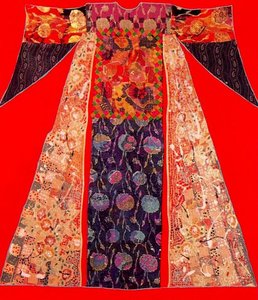
Ao Dai Vietnamese Traditional Dress


 Читать далее
Приобретите цифровое изображение высокого разрешения в улучшенном качестве, которое значительно превосходит онлайн-превью.
Каждый файл тщательно подготавливается нашими специалистами с использованием передовых инструментов и экспертной ручной ретуши. Мы гарантируем исключительную четкость, точную цветопередачу и детальную проработку каждого изображения.
Финальный файл доставляется по электронной почте в течение 72 часов и оптимизирован для немедленного использования в профессиональной среде, при верстке и печати. Это тот же уровень качества, которому доверяют ведущие дизайнерские студии, издательства и галереи.
Цифровое изображение
Скачайте файл высокого разрешения для личного использования, печати и творческих проектов. ( Перейти к печати Купить картину ручной работы)
Включено в каждый заказ цифровых изображений
Гарантия экспертной цифровой доставки
Выбирая ArtsDot.com, вы получаете не просто изображение — вы приобретаете профессионально обработанное цифровое произведение искусства, созданное с безупречной точностью и под защитой гарантии качества. Вот всё, что автоматически входит в ваш заказ:

Мгновенная доставка по e-mail
Ваш цифровой файл в высоком разрешении будет отправлен вам по электронной почте в течение 72 часов после оформления заказа — и сразу станет доступен для использования.

Цифровой файл с ИИ-улучшением
Ваше произведение искусства проходит профессиональную оптимизацию с использованием передовых инструментов ИИ и ручной обработки, что гарантирует максимальную детализацию, четкость и точность цветопередачи.

Бессрочная бесплатная повторная доставка
Случайно удалили или потеряли файл? Не беспокойтесь — мы отправим его вам повторно в любое время и совершенно бесплатно.

Без импортных пошлин — навсегда
Наслаждайтесь вашим произведением искусства мгновенно без таможенных пошлин, сборов или затрат на доставку — цифровые загрузки всегда не облагаются налогом.

Гарантия точности цветопередачи
Мы гарантируем, что ваше цифровое изображение максимально точно передает оригинальные цвета благодаря использованию профессиональных инструментов и систем управления цветом.

Гарантия удовлетворенности 100 дней
Если вы не будете удовлетворены своим цифровым изображением, мы внесем правки или вернем 100% стоимости в течение 100 дней — без лишних вопросов.

100% Гарантия возврата средств
Не удовлетворены покупкой? Получите полный возврат средств в течение 100 дней после получения цифрового файла — без лишних вопросов.

Скидки на оптовые заказы
Купите 3 изображения, сэкономьте 10% — Купите 5, сэкономьте 15% — Купите 10+, сэкономьте 20%. Отличное решение для творческих проектов, галерей и агентств.
Похожие произведения







Биография художника
Jan van Eyck: A Pioneer of Northern Renaissance Realism
Born around 1430 in Bruges, a thriving center of commerce and art during the Early Netherlandish period, Jan van Eyck stands as one of the most pivotal figures in European painting. While his exact birthdate remains uncertain, he emerged as a master artist alongside his brother Hubert, shaping the visual landscape of 15th-century Flanders with an unprecedented level of detail, realism, and technical innovation. Unlike many artists of his time who focused primarily on religious subjects, van Eyck’s work frequently explored secular themes – portraits, landscapes, and scenes of daily life – often imbued with a profound sense of observation and psychological depth.
Van Eyck's early training is shrouded in some mystery. He likely apprenticed under Jan Gossaert in Brussels before moving to Bruges around 1436. There, he honed his skills alongside Hubert van Eyck, developing a shared artistic vision characterized by meticulous observation and a revolutionary approach to oil painting. The prevailing belief is that they both studied with the master painter Rogier van der Weyden, though direct evidence remains elusive. It’s widely accepted that van Eyck was deeply involved in the development of oil paint techniques, pushing beyond the limitations of traditional tempera and fresco methods. His mastery of this medium allowed him to achieve an astonishing level of luminosity, depth, and textural complexity previously unattainable.
The Techniques of a Master: Light, Detail, and Innovation
Van Eyck’s artistic legacy rests fundamentally on his groundbreaking use of oil paint. He didn't simply apply the pigment; he meticulously built up layers of translucent glazes, creating an effect of shimmering light and atmospheric perspective that was revolutionary for its time. This technique allowed him to capture the subtle nuances of color, texture, and reflection with unparalleled accuracy. His meticulous attention to detail is evident in every brushstroke – from the intricate folds of clothing to the delicate veins in a hand or the glint of metal.
Consider his iconic work, “The Arnolfini Portrait” (1434). The painting’s realism is astonishing; every object—the dog, the chandelier, the oranges on the windowsill—is rendered with painstaking precision. Furthermore, van Eyck employed a sophisticated understanding of optics and perspective, creating an illusion of three-dimensionality that was remarkably convincing for its time. He also utilized a convex mirror in the background, cleverly extending the space of the painting and drawing the viewer into the scene.
Secular Subjects and Portraiture: Expanding Artistic Horizons
While van Eyck’s religious works are undeniably impressive, it is his portraits that have cemented his place as a pioneering figure. He elevated portraiture to an art form, capturing not just physical likeness but also revealing the personality and social status of his subjects. “Old Man and a Boy” (c. 1434), now in the Louvre, exemplifies this approach. The painting’s realism is brutally honest; the old man's weathered face and the boy’s youthful features are depicted with unflinching detail, conveying a sense of both vulnerability and dignity.
His portraits were not merely representations of individuals; they were windows into their lives. Van Eyck frequently included symbolic elements within his paintings – objects that held specific meanings related to the subject's profession, social standing, or personal beliefs. This practice reflects a growing interest in secular themes and a desire to capture the complexities of human experience beyond the confines of religious dogma.
Legacy and Historical Significance
Jan van Eyck’s influence on subsequent generations of artists is immeasurable. His innovations in oil painting techniques, his mastery of detail, and his ability to convey psychological depth profoundly impacted the development of Northern Renaissance art. Artists like Robert Campin (Master Bertram) and Rogier van der Weyden were undoubtedly influenced by his work, building upon his foundations and pushing the boundaries of artistic expression.
Despite dying in 1449, at a relatively young age, Van Eyck’s legacy endures. His paintings continue to captivate viewers with their technical brilliance, emotional resonance, and profound insights into the human condition. He remains a towering figure in art history – a true pioneer who transformed the way artists saw and represented the world around them.

phạm hoằng
1449 - 1449 , China
Основные сведения
- Artistic Movement Or Style: Early Netherlandish
- Artists Or Movements Influenced By This Artist:
- Hieronymus Bosch
- Renaissance painting
- Artists Who Influenced This Artist:
- Robert Campin
- Rogier van der Weyden
- Date Of Birth: 1449
- Full Name: Jan van Eyck
- Nationality: Flemish
- Notable Artworks:
- Arnolfini Portrait
- Ghent Altarpiece
- Virgin with Canon van der Paele
- Place Of Birth: Bruges, Flanders