


 Предпросмотр
 Поделиться
 Поделиться
 Детали произведения

 Скачать
 Похожие работы
 Рентгенография
 Слайд-шоу
 Статистика
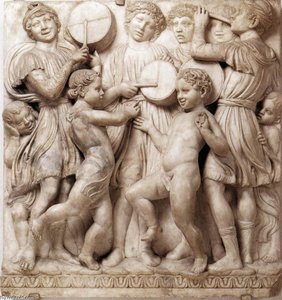
Detail of the east frieze (Block VI).

 Читать далее
Жикле / Арт-принт
Печать (жикле) или холст музейного качества с быстрыми сроками изготовления и широким выбором вариантов отделки. ( Купить картину ручной работы Перейти к цифровым изображениям)
































Выберите один из наших стандартных размеров, соответствующих оригинальным пропорциям произведения искусства.

Вы можете указать свои собственные размеры, чтобы репродукция идеально подошла под конкретную раму или пространство. Если выбранный вами размер не будет соответствовать пропорциям оригинала, мы либо обрежем произведение, либо дополним изображение зеркальным отражением краев или однотонной заливкой. Перед началом производства вам будет отправлен цифровой макет для утверждения.
Пожалуйста, обратите внимание, что предварительный просмотр на экране не отображает фактическую обрезку или расширение изображения. Только макет точно покажет финальную композицию.
Несмотря на возможность заказа индивидуальных размеров, мы рекомендуем выбирать размер из предопределенного списка, чтобы сохранить оригинальные пропорции.
Доставка по всему миру () за 2 недели вместо стандартных 4/5 недель. (15 Сентябрь)

Бесплатная экспресс-доставка по всему миру

Высококачественный льняной холст

Полное страхование доставки

Гарантия возмещения таможенных пошлин

Гарантия точного соответствия цветов

100-дневная политика возврата (только при обнаружении дефектов)

Гарантия возврата 100% средств

Предложение оптовых скидок
 Вариант со стеклом доступен только для размеров менее 110 см

Detail of the east frieze (Block VI).
Жикле / Арт-принт
Размер репродукции
-


Итоговая стоимость
$ 62
Похожие произведения







Биография художника
The Master Craftsman of the Golden Age
Phidias, a name synonymous with the pinnacle of Ancient Greek sculpture, was more than just an artist; he was the embodiment of Athenian ambition and artistic prowess during its golden age. Born in Athens around 480 BC, his life unfolded against a backdrop of burgeoning democracy, philosophical inquiry, and monumental building projects – all factors that profoundly shaped his vision. While details surrounding his early life remain fragmented, we know he was the son of Charmides and received training from renowned sculptors Hegias and Ageladas, laying a solid foundation in the technical skills that would later define him. This apprenticeship wasn’t merely about mastering chisels and clay; it instilled within him an understanding of anatomy, proportion, and the power of narrative through form. Phidias emerged not simply as a sculptor but as a visionary capable of translating abstract ideals into breathtakingly realistic representations of gods and heroes.A Partnership with Pericles: The Acropolis Transformed
Phidias’s career reached its zenith under the patronage of Pericles, the influential Athenian statesman who spearheaded the reconstruction of the Acropolis after the Persian Wars. This wasn't a typical artist-patron relationship; it was a collaborative endeavor that fundamentally reshaped Athens’s cultural identity. Pericles entrusted Phidias with overseeing all sculptural work on the Acropolis, including the creation of two colossal statues: the Athena Parthenos, housed within the newly constructed Parthenon, and the monumental bronze statue of Athena Promachos, which stood as a guardian overlooking the city. The scale of these projects was unprecedented, demanding not only artistic genius but also exceptional organizational skills and logistical planning. Phidias’s workshop became a hub of activity, employing hundreds of artisans and craftsmen, all working under his direction to realize his ambitious designs. He wasn't just sculpting; he was managing an entire artistic enterprise, ensuring the highest standards of quality and innovation.Innovation in Materials and Technique
Phidias revolutionized sculptural technique through his masterful use of materials and innovative construction methods. While skilled in marble carving – evident in the exquisite details of the Parthenon sculptures – he truly excelled in *chryselephantine* sculpture, a technique involving the application of gold leaf over ivory panels. The Athena Parthenos was a prime example, its colossal form shimmering with opulence and divine radiance. This wasn’t merely about extravagance; it served to elevate the statue beyond earthly representation, imbuing it with an ethereal quality that reflected the goddess's power and majesty. He also pioneered the use of contrasting materials – bronze, gold, ivory, ebony – to create dynamic textures and visual effects. Furthermore, Phidias’s understanding of anatomy was unparalleled for his time. His figures weren’t static representations but possessed a sense of movement and life, achieved through meticulous attention to muscle structure, drapery, and posture. The *wet drapery* technique, where garments appear to cling to the body revealing underlying forms, became a hallmark of classical Greek sculpture, largely attributed to Phidias's influence.Major Achievements: Zeus at Olympia & Beyond
Beyond the Acropolis, Phidias’s legacy extends to his creation of the Statue of Zeus at Olympia, considered one of the Seven Wonders of the Ancient World. This colossal seated figure, crafted from ivory and gold, depicted the king of the gods in all his glory. Accounts describe a breathtaking spectacle – a 40-foot tall statue adorned with intricate details, radiating power and authority. Sadly, the statue was lost to destruction over centuries, but historical descriptions paint a vivid picture of its grandeur. While many other works are attributed to Phidias, including sculptures for the Temple of Apollo at Delphi, concrete evidence is scarce. However, the surviving fragments and detailed accounts confirm his unparalleled skill and artistic vision. His influence wasn’t limited to large-scale statues; he also designed elaborate sculptural friezes and metopes that adorned temples, transforming architectural spaces into dynamic narratives.A Controversial Legacy: Accusations & Historical Significance
Phidias's life wasn’t without controversy. He faced accusations of misappropriating gold intended for the Athena Parthenos and of impiously depicting himself and Pericles on the shield of the statue – charges likely politically motivated, stemming from his close association with Pericles during a period of growing opposition. While the truth remains elusive, these accusations led to his imprisonment and eventual death around 430 BC. Despite this tragic end, Phidias’s impact on Western art is immeasurable. He established the classical canon of beauty – emphasizing harmony, proportion, and idealized forms – that would influence generations of sculptors. His innovations in technique, particularly chryselephantine sculpture and wet drapery, set new standards for artistic excellence. His work wasn’t merely about creating beautiful objects; it was about embodying the ideals of Athenian society, celebrating its gods, heroes, and democratic values. Phidias remains a towering figure in art history, a testament to the power of human creativity and the enduring legacy of classical Greek civilization.- Established the Classical Canon of Beauty.
- Revolutionized sculptural techniques like chryselephantine sculpture.
- Oversaw the reconstruction of the Acropolis under Pericles’ patronage.
- Created iconic statues such as Athena Parthenos and Zeus at Olympia.

pheidias of athens
Greece
Основные сведения
- Artistic Movement Or Style: Classical Greek Sculpture
- Artists Or Movements Influenced By This Artist: Classical Greek Art
- Artists Who Influenced This Artist:
- Hegias
- Ageladas
- Date Of Birth: c. 480 BC
- Date Of Death: c. 430 BC
- Full Name: Phidias of Athens
- Nationality: Greek
- Notable Artworks:
- Statue of Zeus at Olympia
- Athena Parthenos
- Parthenon Sculptures
- Place Of Birth: Athens, Greece