

 Предпросмотр
 Поделиться
 Поделиться
 Детали произведения

 Скачать
 Похожие работы
 Рентгенография
 Слайд-шоу
 Статистика
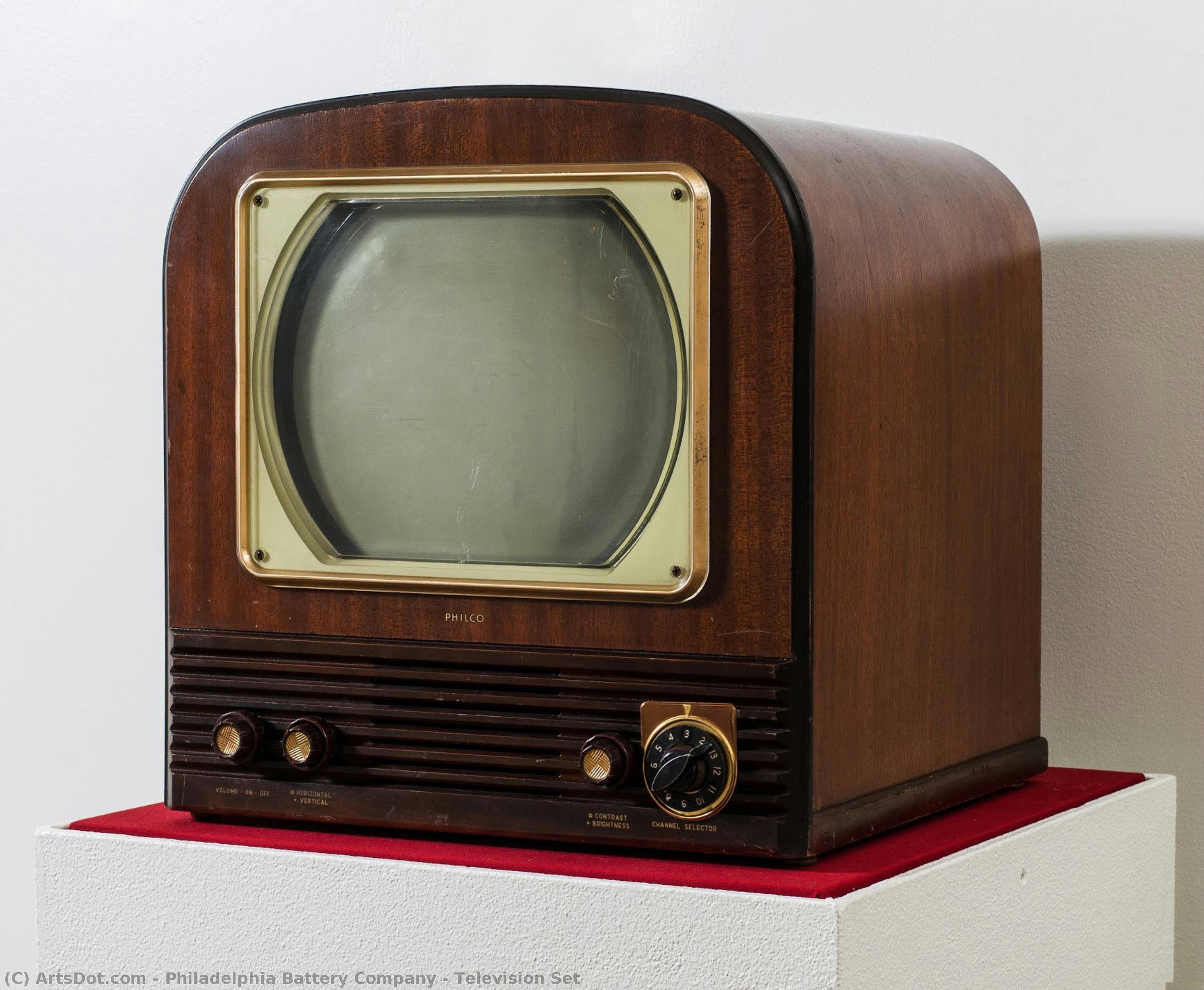
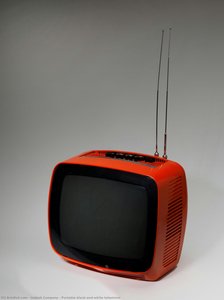
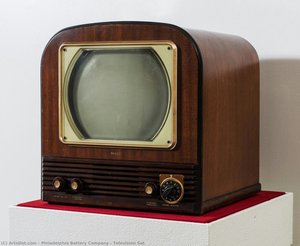
Television Set


 Читать далее
Приобретите цифровое изображение высокого разрешения в улучшенном качестве, которое значительно превосходит онлайн-превью.
Каждый файл тщательно подготавливается нашими специалистами с использованием передовых инструментов и экспертной ручной ретуши. Мы гарантируем исключительную четкость, точную цветопередачу и детальную проработку каждого изображения.
Финальный файл доставляется по электронной почте в течение 72 часов и оптимизирован для немедленного использования в профессиональной среде, при верстке и печати. Это тот же уровень качества, которому доверяют ведущие дизайнерские студии, издательства и галереи.
Цифровое изображение
Скачайте файл высокого разрешения для личного использования, печати и творческих проектов. ( Перейти к печати Купить картину ручной работы)
Включено в каждый заказ цифровых изображений
Гарантия экспертной цифровой доставки
Выбирая ArtsDot.com, вы получаете не просто изображение — вы приобретаете профессионально обработанное цифровое произведение искусства, созданное с безупречной точностью и под защитой гарантии качества. Вот всё, что автоматически входит в ваш заказ:

Мгновенная доставка по e-mail
Ваш цифровой файл в высоком разрешении будет отправлен вам по электронной почте в течение 72 часов после оформления заказа — и сразу станет доступен для использования.

Цифровой файл с ИИ-улучшением
Ваше произведение искусства проходит профессиональную оптимизацию с использованием передовых инструментов ИИ и ручной обработки, что гарантирует максимальную детализацию, четкость и точность цветопередачи.

Бессрочная бесплатная повторная доставка
Случайно удалили или потеряли файл? Не беспокойтесь — мы отправим его вам повторно в любое время и совершенно бесплатно.

Без импортных пошлин — навсегда
Наслаждайтесь вашим произведением искусства мгновенно без таможенных пошлин, сборов или затрат на доставку — цифровые загрузки всегда не облагаются налогом.

Гарантия точности цветопередачи
Мы гарантируем, что ваше цифровое изображение максимально точно передает оригинальные цвета благодаря использованию профессиональных инструментов и систем управления цветом.

Гарантия удовлетворенности 100 дней
Если вы не будете удовлетворены своим цифровым изображением, мы внесем правки или вернем 100% стоимости в течение 100 дней — без лишних вопросов.

100% Гарантия возврата средств
Не удовлетворены покупкой? Получите полный возврат средств в течение 100 дней после получения цифрового файла — без лишних вопросов.

Скидки на оптовые заказы
Купите 3 изображения, сэкономьте 10% — Купите 5, сэкономьте 15% — Купите 10+, сэкономьте 20%. Отличное решение для творческих проектов, галерей и агентств.
Похожие произведения
Биография художника
The Genesis of Sound: Philadelphia Battery Company & the Dawn of American Radio
The story of the Philadelphia Battery Company, more commonly known as Philco, is a fascinating narrative woven into the very fabric of American technological innovation and cultural life. It’s a tale that begins not with vacuum tubes or sleek cabinet designs, but with carbon arc lamps – an unlikely starting point for what would become one of the nation's most iconic radio and television manufacturers. Founded around 1892 as Helios Electric Company by Thomas Spencer and Frank Spencer, the initial venture proved commercially challenging. A pivot towards storage batteries in 1906, supplying the burgeoning electric vehicle market, marked a turning point. This shift to Philadelphia Storage Battery Company laid the groundwork for the name that would soon resonate across American households: Philco, an acronym born from its origins.
The early years were defined by practical engineering and a relentless pursuit of reliability in battery technology. However, it was the burgeoning potential of radio broadcasting in the 1920s that truly ignited Philco’s trajectory. Recognizing the need for accessible receivers to tap into this new medium, Philco transitioned from component supplier to full-fledged manufacturer. This wasn't merely a business decision; it was an embrace of a cultural revolution. The company quickly distinguished itself through quality craftsmanship and innovative design, becoming a pioneer in battery-powered radios – essential before the widespread availability of household electricity.
A Golden Age of Radio: Design, Innovation & Market Dominance
The 1930s witnessed Philco’s ascent to market leadership. The company didn't just *make* radios; they crafted objects of desire. The iconic “Baby Grand” cathedral-shaped wooden radio became a symbol of the era – a testament to Art Deco aesthetics and the power of design in shaping consumer perception. These weren’t simply functional devices; they were furniture pieces, conversation starters, and focal points within the home. Philco understood that radio wasn't just about sound; it was about experience.
Beyond aesthetics, Philco invested heavily in research and development. They pioneered advancements in receiver technology, improving sensitivity and clarity. This commitment to quality solidified their reputation and propelled them to become the top-selling radio brand for over two decades. The company’s success wasn't accidental; it was a result of meticulous engineering, astute marketing, and an unwavering focus on meeting the evolving needs of American listeners. Philco radios weren’t just heard; they were *felt* as integral parts of daily life.
Expanding Horizons: From Radio to Television & Beyond
The post-World War II era saw Philco boldly expand its product line, embracing new technologies and diversifying its offerings. The transition to television was a natural progression, building upon their existing expertise in electronics manufacturing. Philco’s early televisions were characterized by innovative designs – most notably the “Predicta” series of 1950s sets with their futuristic, sculpted forms. These weren't simply boxes displaying images; they were statements about modernity and technological optimism.
However, Philco’s ambitions extended beyond entertainment. They ventured into air conditioning, refrigerators, home freezers, laundry appliances, and even computer systems. This diversification reflected a broader vision of becoming a comprehensive provider of consumer electronics. The company also played a significant role in defense-related technologies, demonstrating its adaptability and engineering prowess.
Acquisition & Legacy: A Shifting Landscape
The 1960s marked a turning point with the acquisition by Ford Motor Company, resulting in the “Philco-Ford” branding. While this initially provided resources and stability, it ultimately led to a gradual erosion of Philco’s independent identity. In 1974, Ford sold the company to General Telephone and Electronics (GTE), followed by its eventual purchase by Philips in 1981.
Though the original Philco as an independent entity ceased to exist, its legacy endures. The brand continues today under Philips ownership in North America and Electrolux elsewhere, a testament to the enduring power of its name recognition and reputation for quality. More importantly, Philco’s contributions to radio and television technology – from pioneering battery-powered sets to innovative cabinet designs – left an indelible mark on American culture. The company wasn't just selling electronics; it was selling a vision of the future, one filled with sound, convenience, and technological progress.
Основные сведения
- Artistic Movement Or Style: Mid-century design
- Date Of Death: Living
- Full Name: Philadelphia Battery Company
- Nationality: American
- Notable Artworks: ['Television Set (1948)']