

 Предпросмотр
 Поделиться
 Поделиться
 Детали произведения

 Скачать
 Похожие работы
 Рентгенография
 Слайд-шоу
 Статистика
An Upland Meadow


 Читать далее
Масляная репродукция ручной работы
Картина маслом на холсте в выбранном вами размере и раме, написанная на заказ нашими художниками. ( Перейти к печати Перейти к цифровым изображениям)




P118B $10

P118H $10

P118W $10

P438Z $10

P508JH $12

P508YH $12

P805H $10

P805Z $10

P919BZ $10

P919G $10

P919XJ $10

P959ZH $10

P968JZ $12

W106C $8

W218G $10

W218JH $8

W218Y $10

W307PJ $10

W316G $10

W316PJ $8

W316Y $10

W398PJ $8

W4111J $10

W500HY $15

W500JH $15

W692G $12

W849H $8

W940BG $15

W953PJ $8




Выберите один из наших стандартных размеров, соответствующих оригинальным пропорциям произведения искусства.

Вы можете указать собственные размеры, чтобы картина идеально вписалась в выбранную раму или пространство. Если выбранный вами размер не соответствует пропорциям оригинала, мы либо обрежем полотно, либо расширим его за счет дополнительных элементов, написанных вручную. Цифровой макет будет отправлен вам на утверждение перед началом производства.
Обратите внимание, что предварительный просмотр на экране не отражает фактическую обрезку или расширение. Только макет точно покажет окончательную композицию.
Хотя доступны индивидуальные размеры, мы рекомендуем выбирать вариант из предопределенного списка, чтобы сохранить исходные пропорции.
После оформления заказа команда ArtsDot.com свяжется с клиентом по электронной почте для уточнения деталей и предоставит предварительный макет
Доставка по всему миру () за 3–4 недели вместо стандартных 5 недель. (12 Сентябрь). Без компромиссов в качестве.

Бесплатная экспресс-доставка по всему миру

Высококачественный льняной холст

Полное страхование доставки

Гарантия возмещения таможенных пошлин

Гарантия точного соответствия цветов

100-дневная политика возврата (только при обнаружении дефектов)

Гарантия возврата 100% средств

Предложение оптовых скидок
 Вариант со стеклом доступен только для размеров менее 110 см

An Upland Meadow
Техника репродукции
Размер репродукции
-


Итоговая стоимость
$ 263
A Moment Frozen in Light
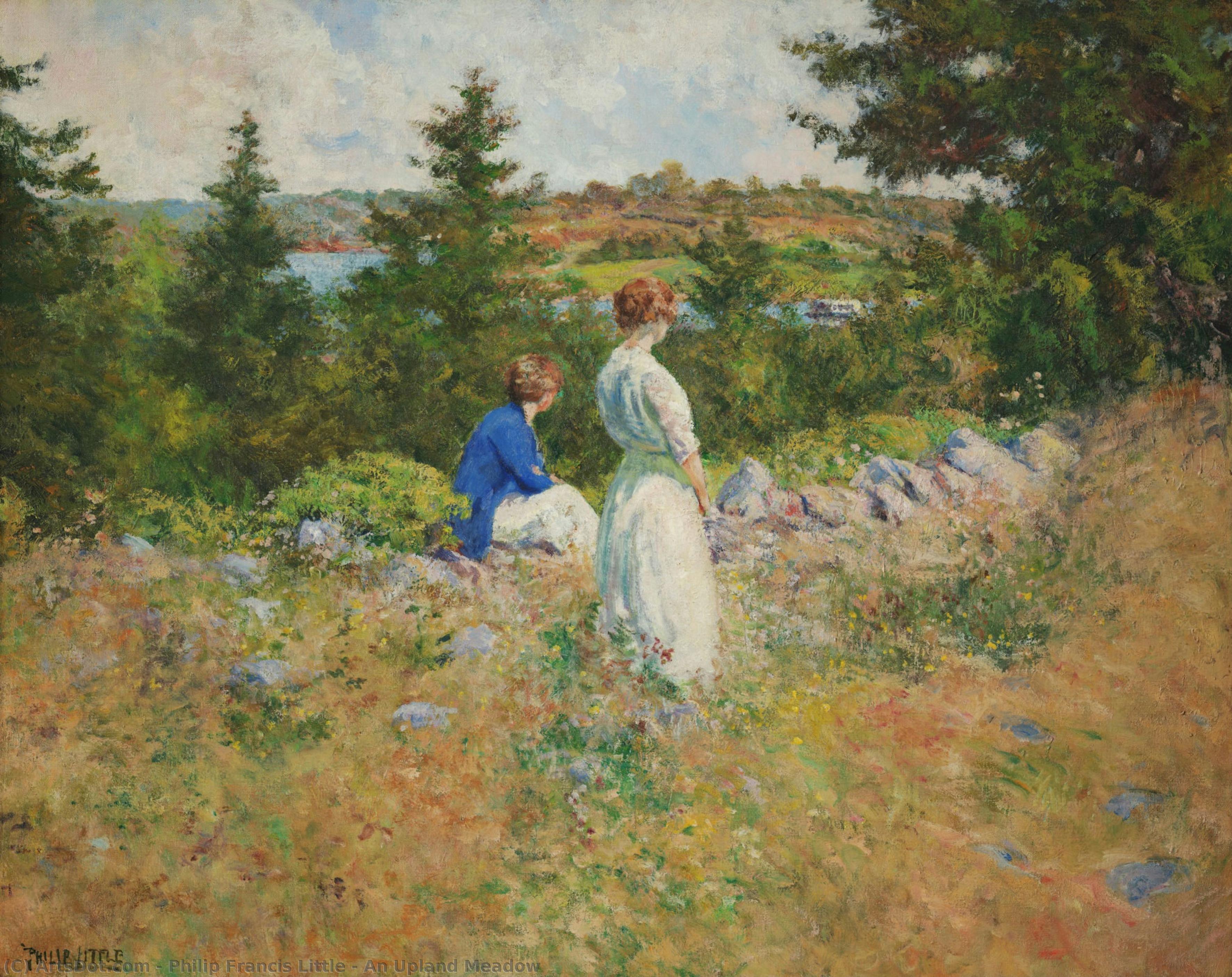
In the gentle embrace of An Upland Meadow, we are invited into a serene world where time seems to decelerate, allowing the viewer to breathe alongside the figures depicted within the frame. Painted in 1917 by the American Impressionist master Philip Francis Little, this work serves as a profound testament to the tranquility of the New England landscape. The scene unfolds upon a lush, vibrant field of grass that stretches toward a shimmering horizon, where the land meets the sea. At the heart of this composition, a man and a woman stand in quiet contemplation, their gazes fixed upon something unseen in the distance—perhaps a passing vessel or the shifting play of light upon the waves. Their presence provides a human anchor to the vastness of nature, suggesting a shared moment of peace and a deep, silent connection to the environment around them.
The atmosphere of the painting is further enriched by the subtle inclusion of other figures scattered throughout the meadow and near the water's edge. These distant silhouettes add a layer of social tapestry to the piece, hinting at a communal enjoyment of the coastal beauty, yet they never disrupt the primary sense of solitude felt by the central pair. In the background, the delicate masts of boats emerge from the hazy maritime horizon, grounding the scene in the maritime tradition that so deeply influenced Little’s life and work. This interplay between the terrestrial meadow and the aquatic distance creates a rhythmic depth that draws the eye inward, inviting continuous exploration of the canvas.
The Impressionist Touch and Technical Mastery
Technically, An Upland Meadow is a masterclass in the Impressionist pursuit of capturing the ephemeral. Little utilizes a sophisticated palette of blues, greens, and soft earth tones to evoke the specific luminosity of a coastal afternoon. His brushwork is deliberate yet fluid, creating a texture that mimics the rustling of wind-swept grass and the undulating surface of the distant water. Rather than relying on harsh outlines, the artist uses light and color to define form, allowing the subjects to emerge organically from the landscape. This technique creates a soft-focus effect that enhances the dreamlike, nostalgic quality of the work.
For the discerning collector or interior designer, this painting offers more than mere decoration; it provides an emotional sanctuary. The way the light interacts with the blue of the man's shirt and the verdant hues of the field creates a sense of vitality that can breathe life into any sophisticated space. Whether placed in a sun-drenched gallery or a quiet study, the artwork acts as a window into a more tranquil era. It is a piece that celebrates the beauty of the everyday, making it an ideal choice for those seeking to infuse their surroundings with a sense of historical elegance and enduring calm.
Похожие произведения
Биография художника
The Luminous Legacy of Philip Francis Little
In the annals of American Impressionism, few artists captured the quiet respiration of the New England landscape with as much grace and tenderness as Philip Francis Little. Born in Swampscott, Massachusetts, in 1857, Little’s life was a testament to the transformative power of artistic calling. Though his early path seemed destined for the rigorous logic of the law—having pursued legal studies at Harvard University—the pull of the natural world proved irresistible. He famously abandoned the courtroom for the easel, trading the structured arguments of jurisprudence for the fluid, ephemeral language of light and color. This transition from scholar to painter allowed him to develop a unique sensitivity to the atmosphere, turning his gaze toward the shimmering horizons and tranquil meadows that defined his coastal heritage.
Little’s artistic identity was forged through a disciplined commitment to observation, a trait likely bolstered by his formative experiences as a sergeant in the Massachusetts National Guard. This sense of precision did not stifle his creativity but rather provided the foundation upon which he built his Impressionist vision. By joining prestigious circles such as the Chicago Society Etchers and the American Society of Painters, Sculptors and Gravers, he immersed himself in a community of innovators who were redefining the boundaries of American art. His work became a dialogue between the structured world of form and the unstructured beauty of light, heavily influenced by the masters of the movement.
A Symphony of Light and Atmosphere
The essence of Little’s technique lies in his ability to render the intangible. Drawing profound inspiration from Claude Monet and Winslow Homer, he sought to capture not just the scenery, but the very vibration of the air itself. He mastered the use of broken color, applying pigments in small, deliberate patches that avoided smooth blending in favor of a shimmering, textured surface. This method allowed his canvases to pulse with life, mimicking the way sunlight dances across a moving tide or filters through wind-swept grass. His palette was often a sophisticated arrangement of blues, greens, and soft earth tones, specifically chosen to evoke the specific luminosity of a coastal afternoon.
One of his most poignant achievements can be seen in works such as An Upland Meadow (1917), where he demonstrates a masterful command over both landscape and human emotion. In this piece, the vastness of the New England terrain is anchored by figures caught in moments of quiet contemplation. Through his brush, the meadow becomes more than just a field; it becomes a sanctuary of peace. The way he integrates distant silhouettes and the delicate masts of boats on the horizon creates a rhythmic depth that draws the viewer into a shared experience of solitude and connection to the environment.
Historical Significance and Enduring Spirit
Throughout his long life, which spanned from the late nineteenth century to 1942, Philip Francis Little remained a steadfast practitioner of the Impressionist ideals. While art movements shifted toward more abstract and fragmented forms, Little stayed true to the pursuit of tranquility and the celebration of nature’s ephemeral beauty. His contribution to American art lies in his ability to provide a visual respite—a way for the viewer to decelerate time and find stillness within the frame.
Today, his works serve as vital historical windows into the coastal soul of America. He remains an artist of profound significance because his paintings do not merely document a place; they evoke a feeling. His legacy is found in every sun-drenched meadow and every azure bay he rendered, reminding us that even in a changing world, there is a permanent, breathtaking beauty to be found in the light of a single, fleeting moment.
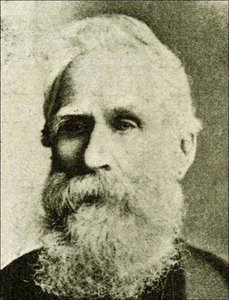
philip francis little
1857 - 1942 , United States of America
Основные сведения
- Artistic Movement Or Style: Impressionism
- Artists Or Movements Influenced By This Artist:
- Monet
- Homer
- Artists Who Influenced This Artist:
- Claude Monet
- Winslow Homer
- Date Of Birth: 1857
- Date Of Death: 1942
- Full Name: Philip Francis Little
- Nationality: American
- Notable Artworks: ['An Upland Meadow']
- Place Of Birth: Swampscott, United States of America
Похожие статьи
Verdant Visions: Exploring the Symbolism & Aesthetic Impact of Green in Art History
Explore the rich history & symbolism of green in art! Discover iconic paintings, techniques, and how to bring verdant harmony into your home with ArtsDot's expert guide.
Хромированный изумруд: 10 шедевров живописи в зеленых тонах | ArtsDot
Погрузитесь в мир хромированного изумруда! 10 знаменитых картин Моне, Ван Гога и других великих художников. Узнайте историю шедевров импрессионизма и постимпрессионизма, вдохновитесь зелеными тонами для вашего интерьера. Купите репродукции высокого качества на ArtsDot.com
Frederick Childe Hassam: American Impressionism's Chronicler of Light & Modern Life
Explore the captivating world of Frederick Childe Hassam, a pioneer of American Impressionism. Discover his iconic paintings capturing light, urban life & coastal beauty. Learn about his legacy and influence on American art history.

Grant Wood & American Regionalism: Identity, Myth & the Rural Landscape
Explore the world of Grant Wood & American Regionalism with ArtsDot. Discover the symbolism behind 'American Gothic', recurring themes, and the movement's lasting impact on art history. High-quality reproductions available.
Capturing a Nation's Light: Exploring the American Impressionist Movement
Explore the captivating world of American Impressionism! Discover key artists, techniques & its lasting impact on art history. Find museum-quality reproductions and expert guidance at ArtsDot.