

 Предпросмотр
 Поделиться
 Поделиться
 Детали произведения

 Скачать
 Похожие работы
 Рентгенография
 Слайд-шоу
 Статистика
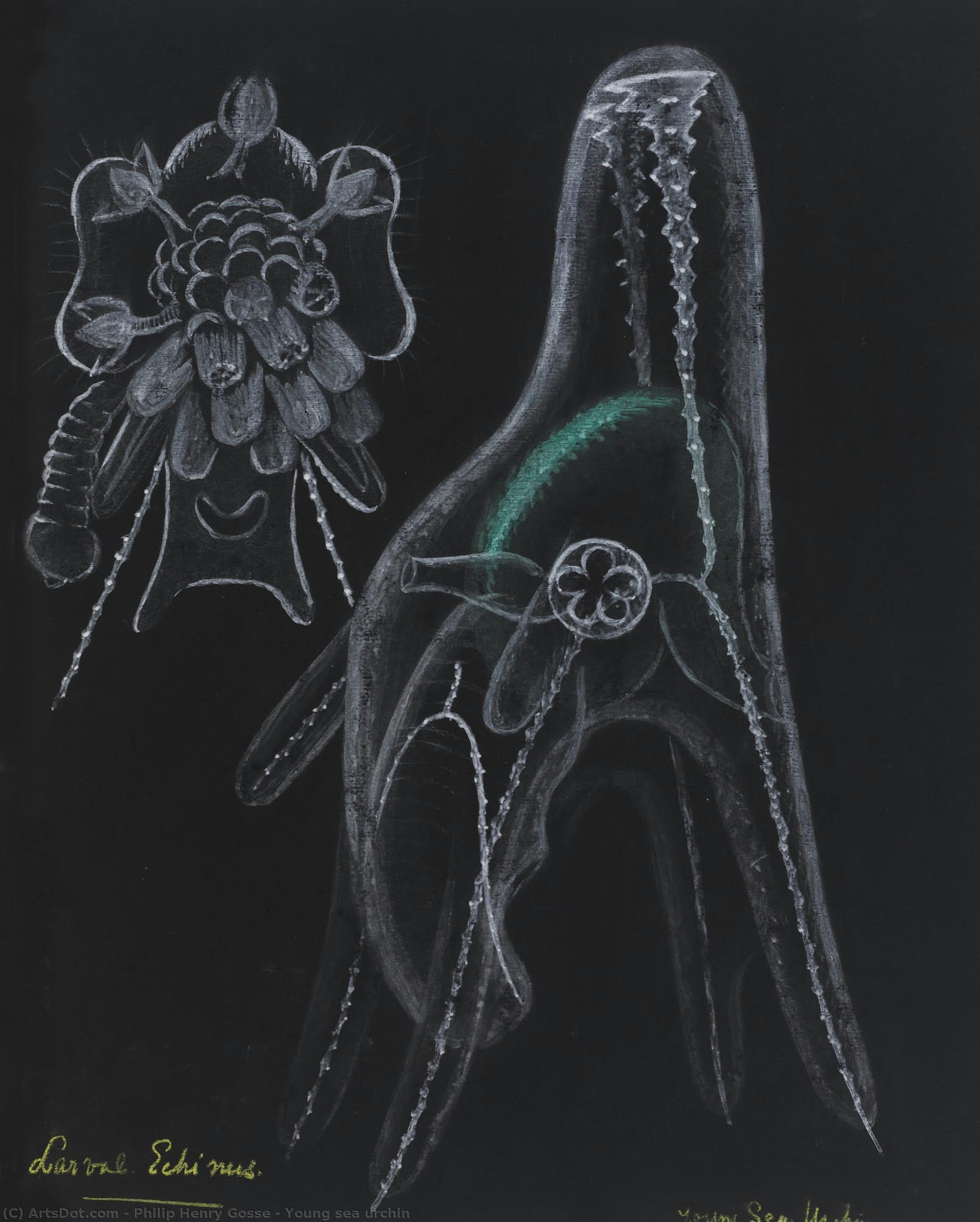
Young sea urchin
 1880
1880 48.0 x 60.0 cm
 Royal Albert Memorial Museum - Art Gallery
 Читать далее
Масляная репродукция ручной работы
Картина маслом на холсте в выбранном вами размере и раме, написанная на заказ нашими художниками. ( Перейти к печати Перейти к цифровым изображениям)




































Выберите один из наших стандартных размеров, соответствующих оригинальным пропорциям произведения искусства.

Вы можете указать собственные размеры, чтобы картина идеально вписалась в выбранную раму или пространство. Если выбранный вами размер не соответствует пропорциям оригинала, мы либо обрежем полотно, либо расширим его за счет дополнительных элементов, написанных вручную. Цифровой макет будет отправлен вам на утверждение перед началом производства.
Обратите внимание, что предварительный просмотр на экране не отражает фактическую обрезку или расширение. Только макет точно покажет окончательную композицию.
Хотя доступны индивидуальные размеры, мы рекомендуем выбирать вариант из предопределенного списка, чтобы сохранить исходные пропорции.
После оформления заказа команда ArtsDot.com свяжется с клиентом по электронной почте для уточнения деталей и предоставит предварительный макет
Доставка по всему миру () за 3–4 недели вместо стандартных 5 недель. (12 Сентябрь). Без компромиссов в качестве.

Бесплатная экспресс-доставка по всему миру

Высококачественный льняной холст

Полное страхование доставки

Гарантия возмещения таможенных пошлин

Гарантия точного соответствия цветов

100-дневная политика возврата (только при обнаружении дефектов)

Гарантия возврата 100% средств

Предложение оптовых скидок
 Вариант со стеклом доступен только для размеров менее 110 см

Young sea urchin
Техника репродукции
Размер репродукции
-


Итоговая стоимость
$ 263
Похожие произведения

Биография художника
The Architect of the Underwater World
In the heart of the Victorian era, a period defined by both rigorous scientific inquiry and profound spiritual searching, Philip Henry Gosse emerged as a figure of singular importance. Born in Worcester in 1810, Gosse was a man whose life was an intricate tapestry woven from the threads of natural history, religious devotion, and artistic precision. To look upon his work is to witness more than mere biological documentation; it is to experience the dawn of a new way of seeing the hidden depths of our planet. As a naturalist, author, and scientific illustrator, Gosse possessed the rare ability to translate the silent, rhythmic movements of marine life into a visual language that captivated the public imagination, effectively bridging the gap between the laboratory and the living room.
Gosse’s intellectual journey was deeply rooted in his upbringing within the Plymouth Brethren, a community that instilled in him a profound reverence for the natural world as a divine masterpiece. This spiritual foundation did not conflict with his scientific pursuits but rather fueled them, driving him to explore every crevice of the ocean to uncover the wonders of creation. His early training at Rugby School and medical studies at St Bartholomew’s Hospital provided him with the analytical rigor necessary for his later triumphs. While his initial fascinations lay in the study of birds, it was his descent into the mysteries of the sea that would ultimately secure his place in history, transforming him from a meticulous observer of ornithology into the "Father of the Aquarium."
A Revolution in Observation and Artistry
The mid-19th century witnessed a cultural phenomenon known as the aquarium craze, a movement that Gosse himself ignited. Before his innovations, the ocean was a distant, often terrifying frontier, understood only through vague accounts or preserved specimens. Gosse changed this paradigm by bringing the sea to the people. In 1853, he established the world's first public marine aquarium at the London Zoo, an achievement that revolutionized scientific education. By designing habitats that incorporated seawater circulation and specialized environments, he allowed the public to witness the delicate dance of anemones, the slow crawl of sea urchins, and the ethereal presence of jellyfish in real-time.
This scientific breakthrough was inseparable from his artistic contributions. Gosse’s illustrations were characterized by an extraordinary level of minuteness, accuracy, and beauty. His work on microscopic aquatic animals, specifically his three-volume study on Rotifera, remains a testament to his ability to render the nearly invisible with breathtaking clarity. In his art, one finds a seamless blend of scientific truth and aesthetic grace; he did not merely draw a specimen, he captured its essence—the translucency of a jellyfish's bell, the intricate textures of a sea anemone, and the structural complexity of marine invertebrates. His writings, most notably "The Aquarium: An Unveiling of the Wonders of the Deep Sea," served as both scientific treatises and evocative literature, guiding readers through a submerged landscape of wonder.
Legacy of a Visionary Naturalist
The historical significance of Philip Henry Gosse extends far beyond the glass walls of his early aquariums. He was a pioneer who helped establish marine biology as a distinct and vital field of study, influencing generations of naturalists to follow in his footsteps. His ability to communicate complex biological truths through accessible, beautiful imagery laid the groundwork for modern scientific illustration and nature documentary. Even as he navigated the difficult tensions between geological science and biblical literalism—most famously explored in his controversial work Omphalos—his dedication to the empirical observation of life remained unshakeable.
Today, we remember Gosse not just as a scientist, but as an artist of the deep. His legacy lives on in every aquarium that invites us to contemplate the wonders of the sea and in every scientific illustration that seeks to honor the intricate beauty of life. Through his eyes, the ocean was no longer a dark, unknowable void, but a vibrant, living gallery of extraordinary forms. His life remains a profound example of how curiosity, when paired with artistic devotion, can illuminate the darkest corners of our world and forever change our relationship with the natural environment.
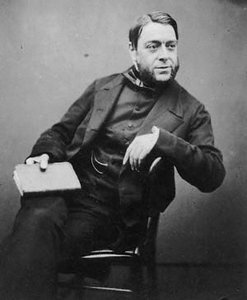
Philip Henry Gosse
1810 - 1888 , United Kingdom
Основные сведения
- Artistic Movement Or Style: Naturalism
- Artists Or Movements Influenced By This Artist: ['Victorian Era']
- Artists Who Influenced This Artist: ['Charles Lyell']
- Date Of Birth: April 6, 1810
- Date Of Death: August 23, 1888
- Full Name: Philip Henry Gosse
- Nationality: British
- Notable Artworks:
- Young sea urchin
- untitled: sea anemones
- Place Of Birth: Worcester, United Kingdom