

 Предпросмотр
 Поделиться
 Поделиться
 Детали произведения

 Скачать
 Похожие работы
 Рентгенография
 Слайд-шоу
 Статистика
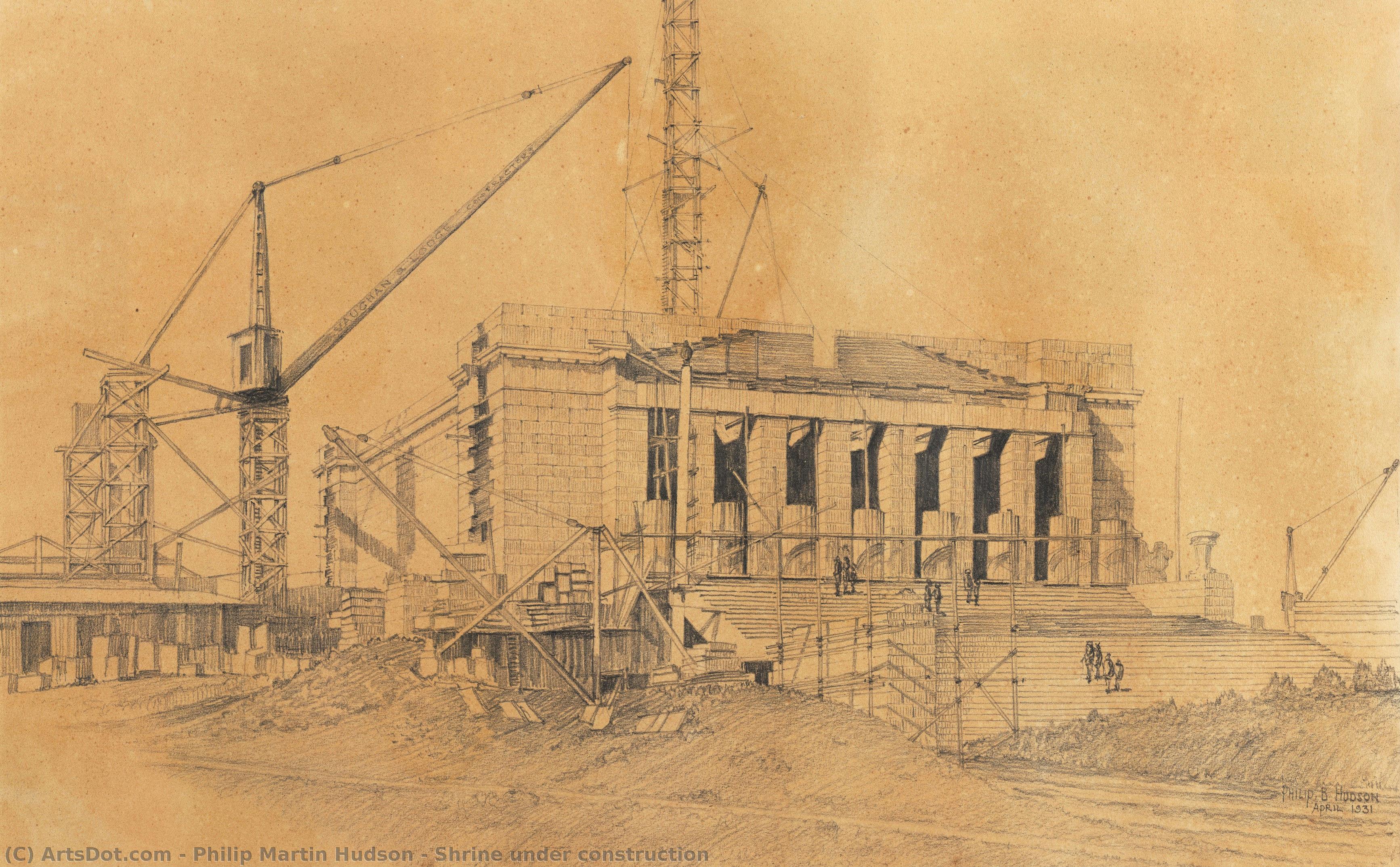
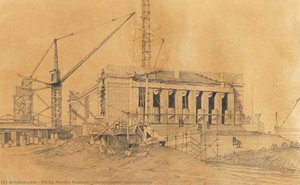
Shrine under construction
 Pencil
- Contemporary Realism
 1931
1931- Modern
 25.0 x 40.0 cm
 Шрин Стемборнс
 Читать далее
Приобретите цифровое изображение высокого разрешения в улучшенном качестве, которое значительно превосходит онлайн-превью.
Каждый файл тщательно подготавливается нашими специалистами с использованием передовых инструментов и экспертной ручной ретуши. Мы гарантируем исключительную четкость, точную цветопередачу и детальную проработку каждого изображения.
Финальный файл доставляется по электронной почте в течение 72 часов и оптимизирован для немедленного использования в профессиональной среде, при верстке и печати. Это тот же уровень качества, которому доверяют ведущие дизайнерские студии, издательства и галереи.
Цифровое изображение
Скачайте файл высокого разрешения для личного использования, печати и творческих проектов. ( Перейти к печати Купить картину ручной работы)
Включено в каждый заказ цифровых изображений
Гарантия экспертной цифровой доставки
Выбирая ArtsDot.com, вы получаете не просто изображение — вы приобретаете профессионально обработанное цифровое произведение искусства, созданное с безупречной точностью и под защитой гарантии качества. Вот всё, что автоматически входит в ваш заказ:

Мгновенная доставка по e-mail
Ваш цифровой файл в высоком разрешении будет отправлен вам по электронной почте в течение 72 часов после оформления заказа — и сразу станет доступен для использования.

Цифровой файл с ИИ-улучшением
Ваше произведение искусства проходит профессиональную оптимизацию с использованием передовых инструментов ИИ и ручной обработки, что гарантирует максимальную детализацию, четкость и точность цветопередачи.

Бессрочная бесплатная повторная доставка
Случайно удалили или потеряли файл? Не беспокойтесь — мы отправим его вам повторно в любое время и совершенно бесплатно.

Без импортных пошлин — навсегда
Наслаждайтесь вашим произведением искусства мгновенно без таможенных пошлин, сборов или затрат на доставку — цифровые загрузки всегда не облагаются налогом.

Гарантия точности цветопередачи
Мы гарантируем, что ваше цифровое изображение максимально точно передает оригинальные цвета благодаря использованию профессиональных инструментов и систем управления цветом.

Гарантия удовлетворенности 100 дней
Если вы не будете удовлетворены своим цифровым изображением, мы внесем правки или вернем 100% стоимости в течение 100 дней — без лишних вопросов.

100% Гарантия возврата средств
Не удовлетворены покупкой? Получите полный возврат средств в течение 100 дней после получения цифрового файла — без лишних вопросов.

Скидки на оптовые заказы
Купите 3 изображения, сэкономьте 10% — Купите 5, сэкономьте 15% — Купите 10+, сэкономьте 20%. Отличное решение для творческих проектов, галерей и агентств.
A Moment Frozen in Stone and Scaffolding
In the quiet, sepia-toned depths of Philip Martin Hudson’s 1931 sketch, Shrine under construction, we are invited to witness a monumental moment in architectural history. This is not merely a technical drawing; it is a poignant window into the birth of a landmark. The artwork captures the raw, industrious energy of the Shrine of Remembrance during its formative years, where the skeletal framework of scaffolding and the towering presence of cranes dance around the emerging pediment. Through Hudson’s precise hand, the viewer feels the immense weight of the stone and the rhythmic labor of the men—many of them returned soldiers—who were carving a legacy out of the earth. The composition draws the eye upward, following the linear progression from the heavy foundations to the soaring heights of the structure, creating a sense of profound architectural ambition.
The technique employed by Hudson reveals the soul of an artist trained in the discipline of architecture. Utilizing what appears to be the delicate yet decisive medium of pencil or charcoal on paper, he achieves a remarkable depth through the masterful use of hatching and cross-hatching. These fine, intersecting lines do more than define shape; they simulate the gritty texture of quarried stone and the weathered grain of wooden supports. The monochromatic palette, rich in sepia tones, lends the piece an archival, timeless quality, as if we are peering through a veil of history. There is a soft, diffused light that bathes the construction site, casting gentle shadows that lend three-dimensional volume to the geometric blocks and cylindrical cranes, making the entire scene feel tangible and alive.
Beyond its technical brilliance, the artwork resonates with deep symbolic power. It serves as a meditation on permanence, human endeavor, and the process of healing. The construction of the shrine, overseen by architects like Hudson and his contemporaries, represents a society rebuilding itself after the devastation of the Great War. Every stone laid and every beam hoisted is a testament to resilience and the collective will to honor the fallen. For the collector or interior designer, this piece offers more than just aesthetic beauty; it brings an atmosphere of strength, stability, and historical gravity to any space. It is a sophisticated choice for those who appreciate art that tells a story of progress, making it a captivating centerpiece for a gallery, a study, or a refined living area.
Похожие произведения
Биография художника
The Architect of Memory: The Life and Legacy of Philip Martin Hudson
To encounter the work of Philip Martin Hudson is to step into a world where the precision of a draftsman meets the soul of a historian. Born in North Sydney in 1910, Hudson was a man whose life was defined by a remarkable duality: the disciplined rigor of a military officer and politician, and the sensitive, observant eye of an artist. Raised by Tom Johnstone Hudson and Edith Grace Dickison, his early years were steeped in an environment that valued meticulousness—a trait that would later become the hallmark of his artistic identity. His education at Melbourne Grammar School provided a classical foundation, yet it was his departure from the study of commerce at the University of Melbourne to serve in the Australian Infantry Force during the Second World War that truly forged his character. Through the harrowing landscapes of the Middle East, New Guinea, and Borneo, Hudson witnessed the raw, transformative power of human endurance, an experience that undoubtedly deepened the emotional resonance found within his later, more tranquil sketches.
The artistry of Hudson is perhaps most profoundly felt in his ability to capture the monumental through the minute. His most celebrated achievement, the 1931 sketch Shrine under construction, stands as a testament to his mastery of realism and architectural nuance. In this piece, we do not merely see a building; we witness a moment frozen in stone and scaffolding. Using what appears to be the delicate yet decisive medium of pencil or charcoal, Hudson employs intricate hatching and cross-hatching to simulate the gritty texture of quarried stone and the weathered grain of wooden supports. The work is bathed in a soft, sepia-toned light that lends an archival, timeless quality to the scene, inviting the viewer to contemplate the rhythmic labor of men—many of them returned soldiers—who were carving a lasting legacy out of the earth. His technique allows the skeletal framework of cranes and scaffolding to dance around the emerging pediment, creating a sense of profound architectural ambition and the heavy, palpable weight of history in the making.
A Life of Service and Civic Duty
Beyond the quiet intensity of his sketches, Hudson’s life was marked by an unwavering commitment to the structures of society, both literal and political. Following his military service, where he rose to the rank of Major, he transitioned into a successful entrepreneurial career, leading Hudson Industries and the Eno Box Company with the same discipline he applied to his art. This period of leadership naturally flowed into the realm of public service. In 1964, Hudson entered the Victorian Legislative Assembly as a member of the Liberal Party for Toorak. While his political tenure was relatively brief, it was characterized by a sincere dedication to fostering international friendship and community cohesion. His involvement with the Returned Services League, particularly his presidency of the Barwon Heads branch, further underscored his lifelong connection to the veterans of his era, bridging the gap between the lived experience of war and the peaceful reconstruction of a nation.
The historical significance of Philip Martin Hudson lies in this seamless integration of roles. He was not merely an observer of history, but an active participant in its construction—both through the political initiatives he championed and the visual records he left behind. His work serves as a meditation on permanence and human endeavor, capturing the transition from raw materials to enduring monuments. Through his eyes, we see the beauty in the process of building, the dignity in labor, and the profound connection between the individual and the grander architectural and social structures of the twentieth century. His legacy remains etched in the sepia tones of his sketches and the enduring spirit of the Australian landscapes he so lovingly documented.
philip martin hudson
1910 - 2002 , Australia
Основные сведения
- Artistic Movement Or Style: Realism
- Date Of Birth: 1910-10-16
- Date Of Death: 2002-07-09
- Full Name: Philip Martin Hudson
- Nationality: Australian
- Notable Artworks: ['Shrine under construction']
- Place Of Birth: North Sydney, Australia