

 Предпросмотр
 Поделиться
 Поделиться
 Детали произведения

 Скачать
 Похожие работы
 Рентгенография
 Слайд-шоу
 Статистика
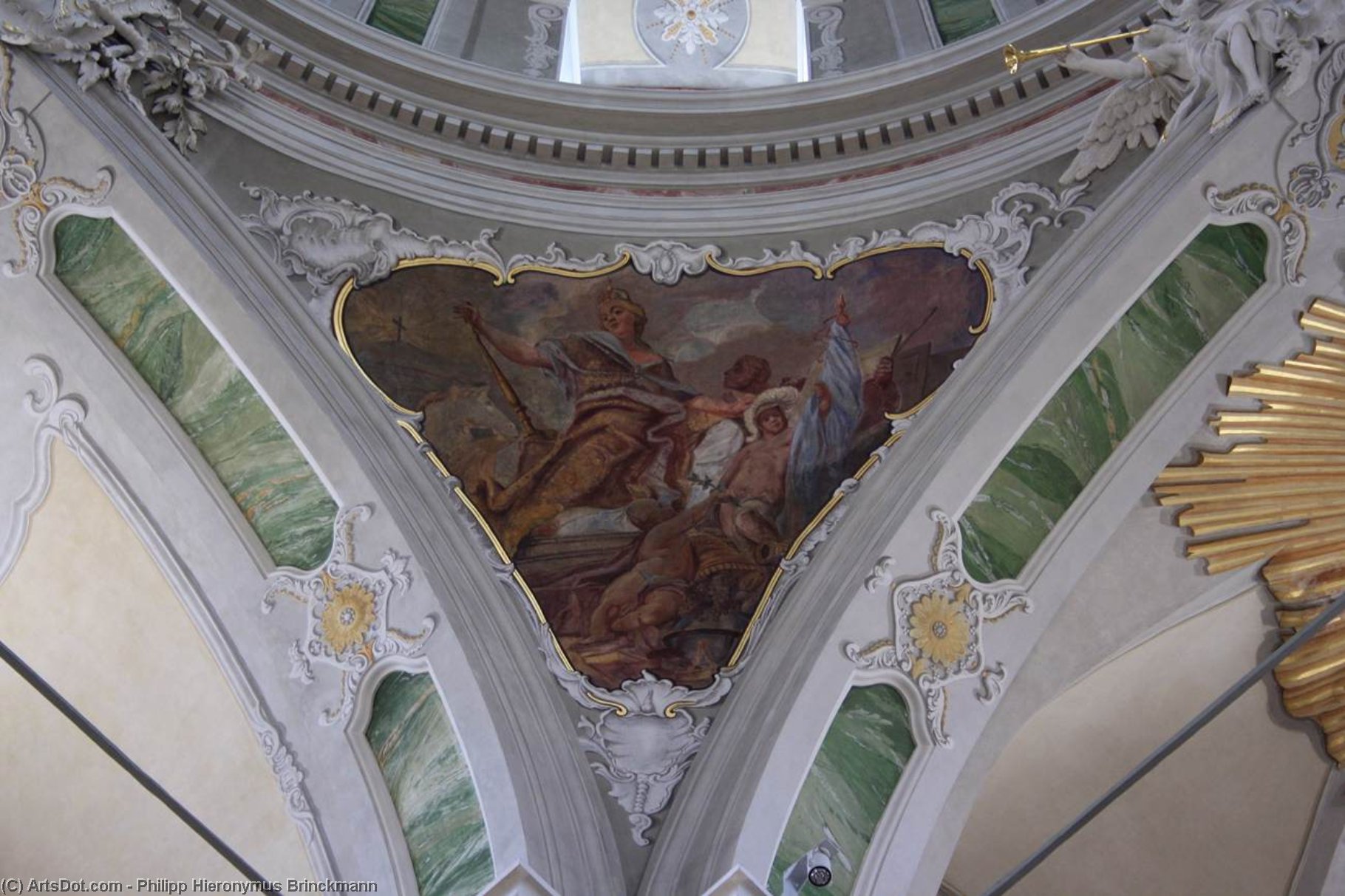
Spandrel painting

 Читать далее
Масляная репродукция ручной работы
Картина маслом на холсте в выбранном вами размере и раме, написанная на заказ нашими художниками. ( Перейти к печати Перейти к цифровым изображениям)




































Выберите один из наших стандартных размеров, соответствующих оригинальным пропорциям произведения искусства.

Вы можете указать собственные размеры, чтобы картина идеально вписалась в выбранную раму или пространство. Если выбранный вами размер не соответствует пропорциям оригинала, мы либо обрежем полотно, либо расширим его за счет дополнительных элементов, написанных вручную. Цифровой макет будет отправлен вам на утверждение перед началом производства.
Обратите внимание, что предварительный просмотр на экране не отражает фактическую обрезку или расширение. Только макет точно покажет окончательную композицию.
Хотя доступны индивидуальные размеры, мы рекомендуем выбирать вариант из предопределенного списка, чтобы сохранить исходные пропорции.
После оформления заказа команда ArtsDot.com свяжется с клиентом по электронной почте для уточнения деталей и предоставит предварительный макет
Доставка по всему миру () за 3–4 недели вместо стандартных 5 недель. (12 Сентябрь). Без компромиссов в качестве.

Бесплатная экспресс-доставка по всему миру

Высококачественный льняной холст

Полное страхование доставки

Гарантия возмещения таможенных пошлин

Гарантия точного соответствия цветов

100-дневная политика возврата (только при обнаружении дефектов)

Гарантия возврата 100% средств

Предложение оптовых скидок
 Вариант со стеклом доступен только для размеров менее 110 см

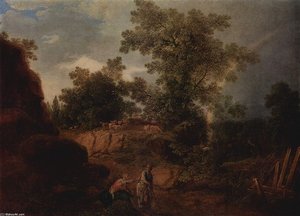
Spandrel painting
Техника репродукции
Размер репродукции
-


Итоговая стоимость
$ 263
Introduction
The Spandrel Painting is a masterpiece of Baroque art, created by the German artist Philipp Hieronymus Brinckmann. It is located in the Jesuit Church in Mannheim, Germany, which is a stunning example of Baroque architecture and art.Artist: Philipp Hieronymus Brinckmann
Philipp Hieronymus Brinckmann (1709-1760) was a German Jesuit Brother, Baroque painter and architect, decorator, stage designer, and art theoretician. He is best known for his grandiose frescoes using illusionistic technique called quadratura, in which architecture and fancy are combined to create a theatrical effect.The Spandrel Painting
The Spandrel Painting is one of the religious works that Brinckmann was obliged to produce as a court painter. It is a fresco painting, which is characterized by its unusual shape due to the fact that it formed the side-panel of a triptych. The painting had to fit the shape of the central shrine containing groups of sculptures.Location: Jesuit Church in Mannheim
The Spandrel Painting is located in the Jesuit Church in Mannheim, which was built between 1733 and 1760. The church is a testament to the artistic and cultural achievements of the Jesuit order during the Baroque period. It displays many Baroque features in its exterior and interior, including a twin towered facade, statues of the four cardinal virtues, marble pilasters, and a dome decorated with scenes from the life of the order's founder.Conclusion
The Spandrel Painting is a masterpiece of Baroque art that showcases the artistic talent of Philipp Hieronymus Brinckmann. It is located in the Jesuit Church in Mannheim, which is an impressive example of Baroque architecture and art. If you are interested in learning more about this painting or purchasing a high-quality reproduction, please visit our website at ArtsDot.com.References
Похожие произведения







Биография художника
The Master of Light and Shadow: The Life of Philipp Hieronymus Brinckmann
In the heart of the mid-18th century, amidst the flourishing Baroque landscape of Germany, the name Philipp Hieronymus Brinckmann emerged as a symbol of artistic grandeur and technical mastery. Born in 1709 in the historic city of Speyer, Brinckmann was destined to become much more than a mere painter; he was a polymath of the visual arts—a Jesuit Brother, architect, stage designer, and art theoretician whose work bridged the gap between the earthly beauty of nature and the divine theatricality of the heavens. His journey began under the watchful eye of Johann Georg Dathan, a prominent figure in Mannheim’s vibrant art scene, whose mentorship provided Brinckmann with the foundational tools to navigate the complex aesthetics of the Baroque era.
Brinckmann's artistic evolution was marked by a profound ability to inhabit multiple roles within the cultural fabric of his time. While many artists of his era remained tethered to a single medium, he moved seamlessly between the delicate precision of etching and the sweeping, monumental scale of fresco painting. His early training instilled in him a deep respect for chiaroscuro, a technique he would later refine to evoke the dramatic emotional intensity reminiscent of Rembrandt. This pursuit of light and shadow allowed him to breathe life into his subjects, whether they were the quiet, pastoral figures of a landscape or the imposing, historical figures of a courtly commission.
A Legacy Written in Landscape and Light
The true essence of Brinckmann’s genius is perhaps most visible in his command over the natural world. He possessed an uncanny ability to capture the atmospheric depth of the European wilderness, particularly through his celebrated landscapes. His works, such as the 'Swiss Landscape' executed in 1745, serve as windows into a world where the ethereal glow of Alpine vistas meets the grounded reality of the terrain. In these canvases, one can observe a meticulous layering of pigments, a technique used to achieve luminous textures that seem to vibrate with the moisture of the air and the warmth of the sun.
Beyond the serene beauty of his landscapes, Brinckmann’s repertoire included ambitious historical narratives and portraits that captured the psychological nuance of his sitters. His technical prowess extended into the realm of printmaking, where he utilized the aquatint and burr technique to create tonal variations that mirrored the dramatic lighting effects found in his oil paintings. This dedication to versatility ensured that his influence was felt not only on canvas but also within the very architecture of the churches and palaces he decorated.
Architectural Grandeur and the Jesuit Spirit
One of the most breathtaking chapters of Brinckmann's career lies in his contributions to sacred spaces, specifically his work within the Jesuit Church in Mannheim. Here, he demonstrated his mastery of quadratura—an illusionistic technique designed to dissolve the physical boundaries of architecture and replace them with a theatrical, infinite sky. His Spandrel Painting stands as a testament to this period, where he utilized the side-panels of triptychs to create a sense of divine expansion, blending architectural precision with fanciful, heavenly imagery.
His rise within the social and political hierarchies of the time further solidified his historical significance. Serving as the Painter to the Court of Mannheim under Elector Charles Philipp, Brinckmann was granted unprecedented access to the cultural treasures of the era. His appointment as Director of the Malereikabinett and his role as an advisor to the library of Electress Elisabeth Augusta placed him at the very center of intellectual and artistic discourse in the Electoral Palatinate. Through these roles, Brinckmann did not merely observe the Baroque movement; he actively shaped its direction, leaving behind a legacy of light, shadow, and architectural wonder that continues to captivate the modern eye.
Philipp Hieronymus Brinckmann
1709 - 1760 , Germany
Основные сведения
- Artistic Movement Or Style: Baroque
- Artists Or Movements Influenced By This Artist: ['Rembrandt']
- Artists Who Influenced This Artist: ['J. G. Dathan']
- Date Of Birth: 1709
- Full Name: Philipp Hieronymus Brinckmann
- Nationality: German
- Notable Artworks:
- Swiss Landscape
- Landschaft Mit Regenbogen
- Zwickelbild
- Place Of Birth: Speyer, Germany