

 Предпросмотр
 Поделиться
 Поделиться
 Детали произведения

 Скачать
 Похожие работы
 Рентгенография
 Слайд-шоу
 Статистика
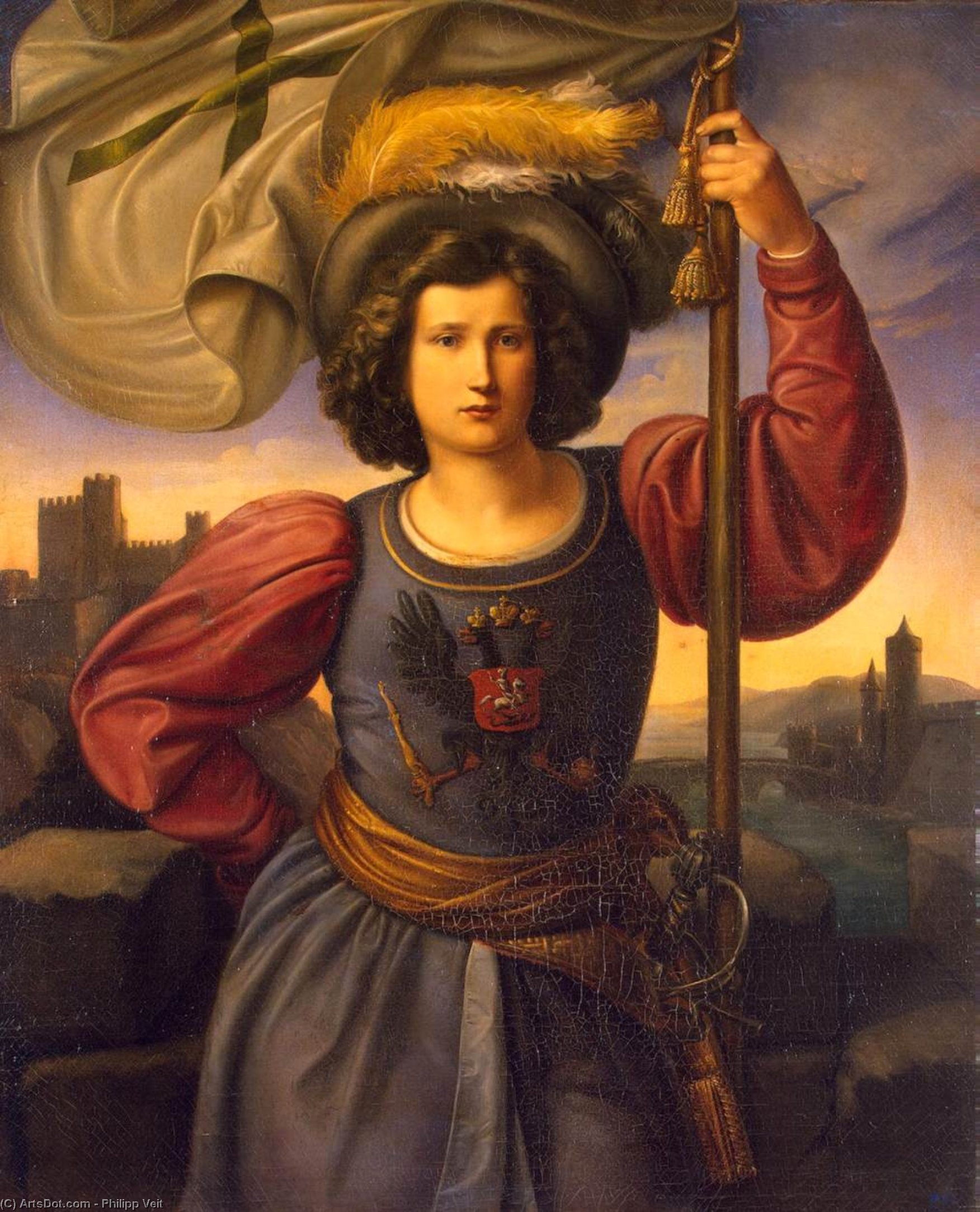
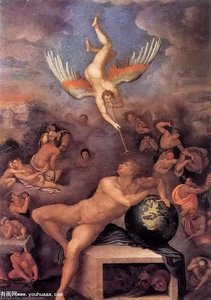
Allegory of Russia
 Oil On Canvas
- WallArt
- Romanticism
 1840
1840- 19th Century
 121.0 x 91.0 cm
 Эрмитаж
 Читать далее
Жикле / Арт-принт
Печать (жикле) или холст музейного качества с быстрыми сроками изготовления и широким выбором вариантов отделки. ( Купить картину ручной работы Перейти к цифровым изображениям)




P118B $10

P118H $10

P118W $10

P438Z $10

P508JH $12

P508YH $12

P805H $10

P805Z $10

P919BZ $10

P919G $10

P919XJ $10

P959ZH $10

P968JZ $12

W106C $8

W218G $10

W218JH $8

W218Y $10

W307PJ $10

W316G $10

W316PJ $8

W316Y $10

W398PJ $8

W4111J $10

W500HY $15

W500JH $15

W692G $12

W849H $8

W940BG $15

W953PJ $8




Выберите один из наших стандартных размеров, соответствующих оригинальным пропорциям произведения искусства.

Вы можете указать свои собственные размеры, чтобы репродукция идеально подошла под конкретную раму или пространство. Если выбранный вами размер не будет соответствовать пропорциям оригинала, мы либо обрежем произведение, либо дополним изображение зеркальным отражением краев или однотонной заливкой. Перед началом производства вам будет отправлен цифровой макет для утверждения.
Пожалуйста, обратите внимание, что предварительный просмотр на экране не отображает фактическую обрезку или расширение изображения. Только макет точно покажет финальную композицию.
Несмотря на возможность заказа индивидуальных размеров, мы рекомендуем выбирать размер из предопределенного списка, чтобы сохранить оригинальные пропорции.
Доставка по всему миру () за 2 недели вместо стандартных 4/5 недель. (10 Сентябрь)

Бесплатная экспресс-доставка по всему миру

Высококачественный льняной холст

Полное страхование доставки

Гарантия возмещения таможенных пошлин

Гарантия точного соответствия цветов

100-дневная политика возврата (только при обнаружении дефектов)

Гарантия возврата 100% средств

Предложение оптовых скидок
 Вариант со стеклом доступен только для размеров менее 110 см

Allegory of Russia
Жикле / Арт-принт
Размер репродукции
-


Итоговая стоимость
$ 62
Allegory of Russia: A Romantic Vision Embodied in Oil Paint
The painting “Allegory of Russia,” attributed to Philipp Veit (1793-1877), stands as a testament to the Romantic movement’s fascination with national identity and its embrace of bold artistic expression. Created in 1840, this monumental canvas—measuring 121 x 91 cm—captures a complex symbolic representation of Russia during its formative years under Tsar Nicholas I, reflecting both aspirations for grandeur and anxieties about European influence. Veit’s masterful technique—characterized by thick impasto brushstrokes and vibrant color palettes—elevates the artwork beyond mere visual depiction into an immersive experience that speaks to the spirit of its time.- Subject Matter: The central figure is a woman draped in opulent robes, holding aloft a banner emblazoned with the imperial Russian flag – a deliberate allusion to the nation’s ambition for unity and prestige amidst the turbulent political landscape of Europe.
- Style & Technique: Veit's approach aligns closely with Nazarene painting, prioritizing spiritual depth and emotional intensity over academic realism. The artist skillfully employed oil paint on canvas, utilizing layering and blending techniques to achieve remarkable textural richness and luminosity.
- Historical Context: Painted during Nicholas I’s reign (1825-1855), “Allegory of Russia” reflects the anxieties surrounding Russia's perceived vulnerability to Western powers. The depiction of fortified castles symbolizes defense against external threats, mirroring the Tsar’s policies aimed at consolidating national power and preserving traditional values.
- Symbolism: Beyond its literal representation, the painting is laden with symbolic significance. The woman embodies Russia as a noble matriarch—a figure of strength and resilience—while the flag signifies patriotism and allegiance to imperial authority. The castles represent fortified defenses against foreign intrusion.
- Emotional Impact: Veit’s emotive brushwork conveys a palpable sense of grandeur and solemn contemplation, inviting viewers to contemplate the nation's destiny and its role in European affairs. It is an artwork that resonates with themes of faith, duty, and national pride—elements central to Romantic idealism.
Philipp Veit: A Pioneer of Fresco Revival
Philipp Veit (1793-1877) emerged as a prominent figure in German Romanticism, championing the revival of fresco painting – a technique that had fallen out of favor during the Neoclassical era. Unlike many of his contemporaries who favored polished surfaces and idealized forms, Veit sought to recapture the expressive power of Byzantine art, prioritizing textural depth and vibrant color harmonies. His artistic vision was profoundly influenced by biblical iconography and spiritual contemplation, resulting in paintings imbued with a palpable sense of solemnity and emotional resonance.- Early Life & Artistic Training: Born in Berlin, Veit received an exceptional education—primarily focused on theology and art history—which shaped his intellectual pursuits and artistic sensibilities.
- Notable Works: Veit’s oeuvre includes numerous religious scenes depicting biblical narratives with dramatic flair and meticulous detail. His paintings are distinguished by their bold color palettes and masterful use of impasto, creating surfaces that pulsate with life and conveying profound spiritual emotion.
- Nazarene Movement Leadership: Veit spearheaded the Nazarene movement—a group of German artists who deliberately rejected academic conventions in favor of a more spiritually informed aesthetic. This movement aimed to reinvigorate Christian art by returning to Byzantine models and prioritizing expressive color and texture.
The Hermitage’s Acquisition & Artistic Significance
“Allegory of Russia” entered the Hermitage Museum's collection in 1861, originating from the Ropsha Palace—a lavish estate commissioned by Empress Alexandra Feodorovna as a symbol of Russian grandeur and cultural prestige. The painting exemplifies Veit’s commitment to Romantic ideals—specifically, the pursuit of national identity alongside engagement with European artistic traditions. Its inclusion within the Hermitage underscores its enduring importance as a masterpiece of German Romanticism and a compelling visual representation of Russia's aspirations during Nicholas I’s reign.- Provenance: The painting’s journey from Ropsha Palace to the Hermitage reflects the museum’s dedication to preserving cultural heritage and showcasing exceptional artworks from across Europe.
- Hermitage Exhibition: “The State Hermitage Museum” hosted a dedicated exhibition focusing on Veit's artistic legacy, highlighting his contribution to the Nazarene movement and celebrating his masterful depiction of Russia as a noble matriarch—a figure embodying strength and resilience.
Ocean’s Bridge Reproduction: Bringing Artistic Brilliance Home
Ocean’s Bridge offers meticulously crafted oil painting reproductions of “Allegory of Russia,” ensuring that Veit Philipp's artistic vision is accessible to collectors worldwide. Each reproduction adheres to the highest standards of quality—employing skilled artisans who utilize traditional techniques and premium materials to faithfully recreate the original artwork's textures, colors, and emotional impact. Ocean’s Bridge’s commitment to authenticity guarantees that you receive a piece of art history—a stunning visual testament to Romantic idealism and Veit Philipp’s unparalleled artistic skill.Похожие произведения


Похожие статьи
Victor Vasnetsov: Myth, Nationalism & the Revival of Russian Fairy Tale Painting
Explore the captivating world of Victor Vasnetsov, a co-founder of Russian folklorist painting. Discover his iconic works, influence on national identity, and lasting legacy in this expert guide.

The Enduring Legacy of Oil on Canvas: Technique, History & Aesthetic Impact
Explore the rich history & techniques of oil painting – from Renaissance masters to Impressionism. Discover pigments, layering methods, and why this timeless medium endures. Expert insights for artists & art enthusiasts.

Oil on Canvas: A Historical & Technical Exploration of a Timeless Artistic Medium
Explore the rich history & enduring techniques of oil painting on canvas. Discover the science behind its longevity, conservation practices, and contemporary relevance. Expert insights for art enthusiasts.

The Enduring Power of Painting: A Historical & Contemporary Exploration of Form and Emotion
Explore the rich history & enduring techniques of oil painting with ArtsDot. Discover masterpieces, learn about art collecting, and find authentic handmade reproductions crafted by skilled artists.
Ivan Bilibin: A Synthesis of Folklore, Modernism & National Identity in Russian Illustration
Explore the enchanting world of Ivan Bilibin, a master Russian illustrator who synthesized folklore, Art Nouveau & national identity. Discover his iconic fairy tale illustrations and legacy with ArtsDot.