

 Предпросмотр
 Поделиться
 Поделиться
 Детали произведения

 Скачать
 Похожие работы
 Рентгенография
 Слайд-шоу
 Статистика
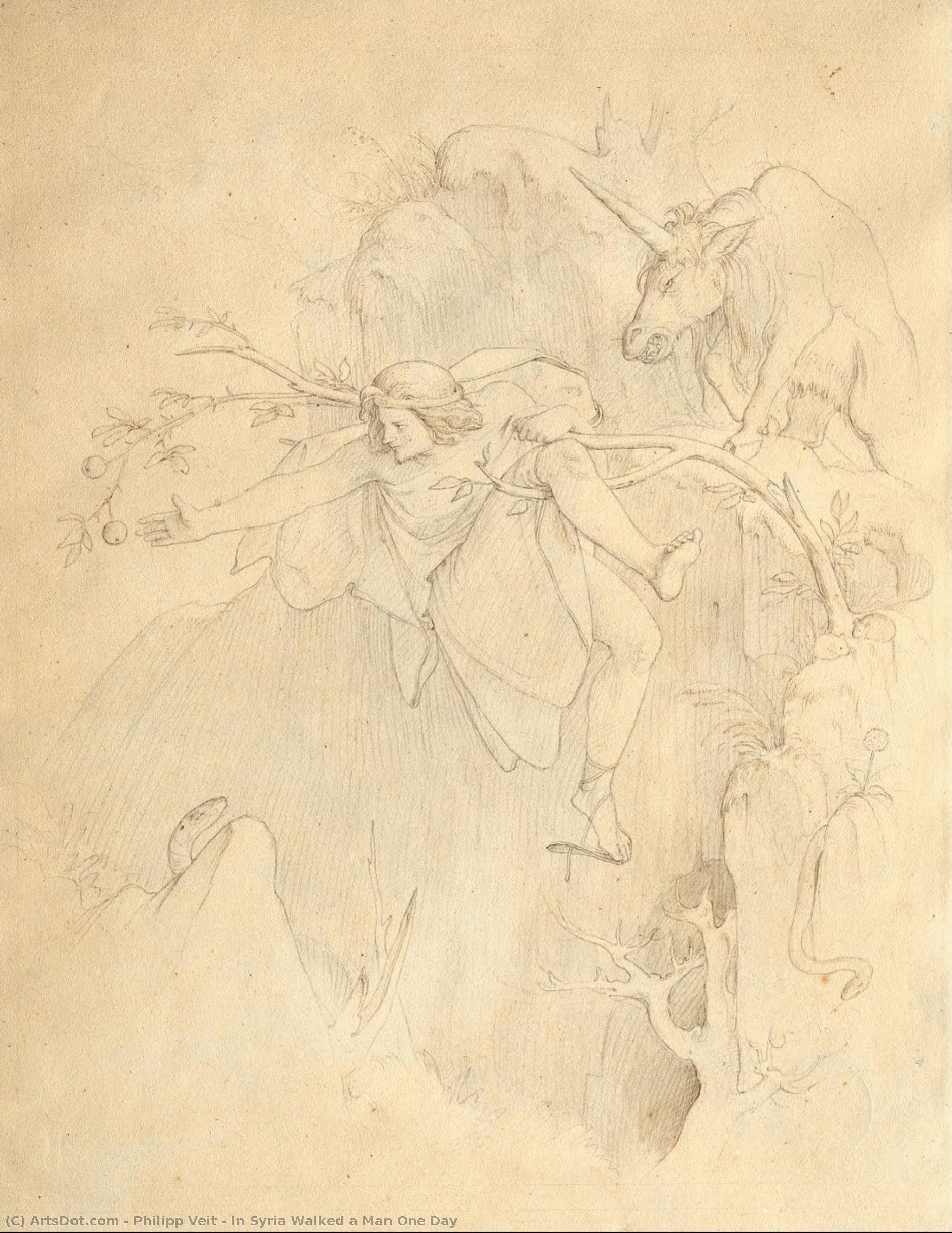
In Syria Walked a Man One Day
 Oil On Canvas
- WallArt
- Romanticism
 1809
1809- 19th Century
 230.0 x 295.0 cm
 Kunstpalast
 Читать далее
Приобретите цифровое изображение высокого разрешения в улучшенном качестве, которое значительно превосходит онлайн-превью.
Каждый файл тщательно подготавливается нашими специалистами с использованием передовых инструментов и экспертной ручной ретуши. Мы гарантируем исключительную четкость, точную цветопередачу и детальную проработку каждого изображения.
Финальный файл доставляется по электронной почте в течение 72 часов и оптимизирован для немедленного использования в профессиональной среде, при верстке и печати. Это тот же уровень качества, которому доверяют ведущие дизайнерские студии, издательства и галереи.
Цифровое изображение
Скачайте файл высокого разрешения для личного использования, печати и творческих проектов. ( Перейти к печати Купить картину ручной работы)
Включено в каждый заказ цифровых изображений
Гарантия экспертной цифровой доставки
Выбирая ArtsDot.com, вы получаете не просто изображение — вы приобретаете профессионально обработанное цифровое произведение искусства, созданное с безупречной точностью и под защитой гарантии качества. Вот всё, что автоматически входит в ваш заказ:

Мгновенная доставка по e-mail
Ваш цифровой файл в высоком разрешении будет отправлен вам по электронной почте в течение 72 часов после оформления заказа — и сразу станет доступен для использования.

Цифровой файл с ИИ-улучшением
Ваше произведение искусства проходит профессиональную оптимизацию с использованием передовых инструментов ИИ и ручной обработки, что гарантирует максимальную детализацию, четкость и точность цветопередачи.

Бессрочная бесплатная повторная доставка
Случайно удалили или потеряли файл? Не беспокойтесь — мы отправим его вам повторно в любое время и совершенно бесплатно.

Без импортных пошлин — навсегда
Наслаждайтесь вашим произведением искусства мгновенно без таможенных пошлин, сборов или затрат на доставку — цифровые загрузки всегда не облагаются налогом.

Гарантия точности цветопередачи
Мы гарантируем, что ваше цифровое изображение максимально точно передает оригинальные цвета благодаря использованию профессиональных инструментов и систем управления цветом.

Гарантия удовлетворенности 100 дней
Если вы не будете удовлетворены своим цифровым изображением, мы внесем правки или вернем 100% стоимости в течение 100 дней — без лишних вопросов.

100% Гарантия возврата средств
Не удовлетворены покупкой? Получите полный возврат средств в течение 100 дней после получения цифрового файла — без лишних вопросов.

Скидки на оптовые заказы
Купите 3 изображения, сэкономьте 10% — Купите 5, сэкономьте 15% — Купите 10+, сэкономьте 20%. Отличное решение для творческих проектов, галерей и агентств.
A Vision of Celestial Freedom
To gaze upon In Syria Walked a Man One Day by Philipp Veit is to be swept away by an ethereal current, a journey into the sublime realms where mythology meets the boundless sky. This magnificent canvas captures more than just a scene; it embodies the very spirit of liberation. At its heart soars a winged figure, a vision of grace whose long hair streams behind her like captured moonlight as she navigates the vast expanse above. The composition is alive with movement—the gentle lift of the woman against the backdrop of the sky, punctuated by the delicate flight of several birds that accompany her passage. It is a breathtaking tableau designed to evoke feelings of unburdened spirit and divine ascent.
Mastery in Movement and Light
Philipp Veit’s technique here speaks to an exquisite understanding of atmospheric perspective and dynamic composition. The handling of the air itself becomes a palpable element within the painting, suggesting both the weightlessness of flight and the subtle resistance of wind. Notice how the artist renders the drapery of the woman's gown; it seems less like fabric and more like solidified air, catching the light as she moves. In the background, the inclusion of other figures—one to the left and another to the right—grounds this celestial moment in a narrative context, suggesting that this journey is witnessed, perhaps even guided, by others. The overall effect is one of dramatic yet serene motion.
Symbolism of the Soaring Soul
Art history has long used winged figures as potent symbols, and here, Veit invites us to contemplate themes of transcendence. The act of flying itself represents the soul’s yearning for freedom from earthly constraints, a spiritual elevation beyond the mundane concerns of daily life. The setting, referencing Syria, adds an exotic, almost biblical resonance, suggesting that this journey is one of profound discovery or revelation. For the modern collector or designer, owning such a piece is not merely decorating a wall; it is installing a focal point of aspiration—a constant visual reminder to seek heights in one's own endeavors.
A Timeless Echo for Contemporary Spaces
With its dramatic scale (230 x 295 cm) and luminous quality, this reproduction serves as an unparalleled statement piece. Whether adorning a grand hall, a gallery space, or a richly decorated living area, the painting commands attention with its narrative depth. The blend of classical allegory with such vibrant execution ensures that it remains relevant across centuries. It speaks to those who appreciate Romanticism’s embrace of the sublime—the feeling of awe mixed with slight terror before something overwhelmingly beautiful and powerful. To bring this vision home is to invite a sense of perpetual, graceful possibility into your sanctuary.
Похожие произведения
Биография художника
Alexander Roslin: A Swedish Master of Portraiture and Rococo Splendor
Born in Malmö, Sweden, on July 15th, 1718, Alexander Roslin was a pivotal figure in the late 18th-century European art scene. Though often overshadowed by his contemporaries like Rembrandt and Reynolds, Roslin’s unique blend of Classicist restraint and Rococo exuberance produced portraits of extraordinary psychological depth and technical brilliance. His career spanned decades, encompassing work for aristocratic families across Europe – from Sweden and Russia to France and Italy – reflecting a remarkable adaptability and an ability to capture the essence of his subjects with unparalleled skill. He died in Paris on July 5th, 1793, leaving behind a legacy of exquisitely rendered portraits that continue to captivate viewers today.
Early Life and Artistic Training
Roslin’s early life was marked by a prodigious talent for drawing. His father, Hans Roslin, was a naval physician, and Alexander demonstrated an unusual aptitude for artistic pursuits from a young age. He began his formal training in drawing under the tutelage of Admiralty Captain Lars Ehrenbill in Karlskrona, Sweden, initially intending to pursue a career as a naval draughtsman. However, he quickly transitioned to miniature painting, a skill that honed his observational abilities and attention to detail – qualities crucial to his later success as a portraitist. He was deeply influenced by the artistic currents of Stockholm at the time, particularly the works of Hyacinthe Rigaud and Nicolas de Largillière, both masters of classical portraiture who emphasized elegance, composure, and refined beauty.
The Parisian Period: Rococo Refinement and Royal Patronage
In 1752, Roslin embarked on a transformative journey to France, marking the most significant period of his artistic career. He settled in Paris, immersing himself in the vibrant art scene and quickly gaining recognition for his ability to capture the personalities of his subjects. During this time, he developed his signature style – a masterful synthesis of Classicist principles with the shimmering colors and playful ornamentation characteristic of Rococo. He secured commissions from prominent members of French society, including the Countess Jeanne Sophie de Vignerot du Plessis, whose portrait was later acquired by the Minneapolis Institute of Art for an impressive $3 million. His work during this period showcased a remarkable understanding of fabrics, jewels, and textures, elevating his portraits beyond mere likenesses to evocative representations of status, wealth, and character.
Notable Works and Artistic Style
Roslin’s artistic style was defined by several key elements. He possessed an exceptional ability to portray the psychological nuances of his subjects – capturing their emotions, mannerisms, and inner lives with remarkable sensitivity. His use of color was particularly noteworthy; he employed a rich palette of shimmering hues, often incorporating iridescent effects to create a sense of luxury and opulence. He skillfully blended Classicist restraint with Rococo extravagance, resulting in portraits that were both elegant and dynamic. Examples of his most celebrated works include the portrait of Countess de Vignerot du Plessis, which exemplifies his mastery of capturing personality and detail, as well as pieces displayed at the Metropolitan Museum of Art in New York City. His work reflects a deep understanding of light and shadow, contributing to the dramatic intensity of his compositions.
Legacy and Historical Significance
Alexander Roslin’s contribution to 18th-century portraiture is considerable. He demonstrated an unparalleled ability to combine technical skill with psychological insight, creating portraits that remain remarkably engaging centuries later. While he may not be as widely recognized as some of his contemporaries, his influence can be seen in the works of subsequent generations of artists. His work provides a valuable window into the social and cultural landscape of Europe during the late 18th century, reflecting the wealth, power, and artistic sensibilities of the aristocracy. His portraits are not merely representations of individuals; they are carefully constructed narratives that reveal the complexities of human character and the aspirations of a bygone era.
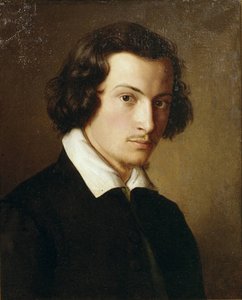
philipp veit
1793 - 1877