


 Предпросмотр
 Поделиться
 Поделиться
 Детали произведения

 Скачать
 Похожие работы
 Рентгенография
 Слайд-шоу
 Статистика
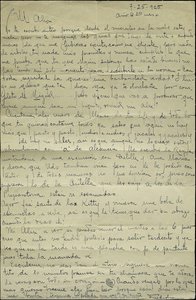
Letter from King Philip IV to Luisa Enríquez Manrique de Lara, Countess of Paredes
 Acrylic On Paper
- Baroque
 1648
1648- Early Modern
 31.0 x 21.0 cm
 Архив Генеральных Индий (Севилья)
 Читать далее
Приобретите цифровое изображение высокого разрешения в улучшенном качестве, которое значительно превосходит онлайн-превью.
Каждый файл тщательно подготавливается нашими специалистами с использованием передовых инструментов и экспертной ручной ретуши. Мы гарантируем исключительную четкость, точную цветопередачу и детальную проработку каждого изображения.
Финальный файл доставляется по электронной почте в течение 72 часов и оптимизирован для немедленного использования в профессиональной среде, при верстке и печати. Это тот же уровень качества, которому доверяют ведущие дизайнерские студии, издательства и галереи.
Цифровое изображение
Скачайте файл высокого разрешения для личного использования, печати и творческих проектов. ( Перейти к печати Купить картину ручной работы)
Включено в каждый заказ цифровых изображений
Гарантия экспертной цифровой доставки
Выбирая ArtsDot.com, вы получаете не просто изображение — вы приобретаете профессионально обработанное цифровое произведение искусства, созданное с безупречной точностью и под защитой гарантии качества. Вот всё, что автоматически входит в ваш заказ:

Мгновенная доставка по e-mail
Ваш цифровой файл в высоком разрешении будет отправлен вам по электронной почте в течение 72 часов после оформления заказа — и сразу станет доступен для использования.

Цифровой файл с ИИ-улучшением
Ваше произведение искусства проходит профессиональную оптимизацию с использованием передовых инструментов ИИ и ручной обработки, что гарантирует максимальную детализацию, четкость и точность цветопередачи.

Бессрочная бесплатная повторная доставка
Случайно удалили или потеряли файл? Не беспокойтесь — мы отправим его вам повторно в любое время и совершенно бесплатно.

Без импортных пошлин — навсегда
Наслаждайтесь вашим произведением искусства мгновенно без таможенных пошлин, сборов или затрат на доставку — цифровые загрузки всегда не облагаются налогом.

Гарантия точности цветопередачи
Мы гарантируем, что ваше цифровое изображение максимально точно передает оригинальные цвета благодаря использованию профессиональных инструментов и систем управления цветом.

Гарантия удовлетворенности 100 дней
Если вы не будете удовлетворены своим цифровым изображением, мы внесем правки или вернем 100% стоимости в течение 100 дней — без лишних вопросов.

100% Гарантия возврата средств
Не удовлетворены покупкой? Получите полный возврат средств в течение 100 дней после получения цифрового файла — без лишних вопросов.

Скидки на оптовые заказы
Купите 3 изображения, сэкономьте 10% — Купите 5, сэкономьте 15% — Купите 10+, сэкономьте 20%. Отличное решение для творческих проектов, галерей и агентств.
A Window Into Royal Sentiment: Decoding Philip IV’s Letter to Luisa Enríquez
The artwork before us—a meticulously rendered facsimile of King Philip IV's handwritten correspondence with Luisa Enríquez Manrique de Lara, Countess of Paredes—offers more than just a glimpse into the personal life of two prominent figures during the tumultuous reign of the Habsburg monarch. It’s a microcosm of 17th-century Spain itself: grappling with military defeats, political intrigue, and shifting alliances amidst the backdrop of European power struggles. Produced in 1648, shortly after Yprés fell to the French army and Tortosa remained besieged—events that profoundly impacted Philip IV's morale—the letter transcends mere factual reporting; it embodies a poignant expression of royal vulnerability and unwavering hope.- Subject Matter: The correspondence delves into matters of considerable importance – military setbacks, diplomatic negotiations concerning Naples, and reflections on artistic endeavors. Notably, Philip IV recounts his admiration for Velázquez’s portraiture skills and expresses concern for the well-being of Juan Rana, a celebrated actor who held a special place in the King's affections. These details illuminate not only the daily concerns of the royal court but also reveal Philip IV’s humanist sensibilities and appreciation for cultural achievement.
- Style & Technique: Executed with remarkable precision on aged paper—a testament to the archival preservation efforts undertaken by the Andalusian Archives in Seville—the letter exemplifies the prevailing artistic style of the period. The handwriting itself is deliberately varied, suggesting multiple scribes or perhaps deliberate stylistic choices intended to convey different moods and perspectives. This attention to detail speaks volumes about the standards of craftsmanship prevalent during Philip IV’s reign.
- Historical Context: Understanding the significance of this letter requires appreciating the broader context of Spain under Philip IV. The Habsburg dynasty faced mounting challenges from Protestant rivals, particularly Louis XIV's France, and internal dissent fueled by religious tensions. Despite these difficulties, Philip IV maintained a steadfast belief in divine providence and sought solace in artistic pursuits—a reflection of the intellectual currents shaping European culture at the time.
- Symbolism & Emotion: Beyond its explicit content, the letter resonates with deeper symbolic meanings. The mention of Tortosa symbolizes Spain’s vulnerability to French aggression, while Velázquez's portrait represents an idealized vision of artistic excellence—a pursuit of beauty and harmony amidst chaos. Most powerfully, Philip IV’s heartfelt concern for Rana embodies a humanist impulse to recognize and celebrate human dignity, even in the face of adversity.
- Interior Design Considerations: For discerning collectors and interior designers, this reproduction offers an opportunity to introduce a piece of Spanish history into contemporary spaces. Its understated elegance—captured in the meticulous detail of the facsimile—harmonizes beautifully with minimalist palettes and creates a contemplative atmosphere reminiscent of royal courts. Consider framing it within a simple wooden frame to accentuate its textural qualities and evoke the grandeur of Philip IV’s era.
Похожие произведения
Биография художника
The Reign of Philippe le Bel: A King’s Shadow Over French Art
Philippe le Bel, or Philip IV as he is known to history, remains a figure shrouded in both power and paradox. Born in 1268 at the royal residence of Fontainebleau, his life unfolded during a period of immense transformation for France, a shift from medieval feudalism towards a more centralized state. While not an artist himself, Philippe’s influence on the artistic landscape of his time was profound, though often indirect. His reign, stretching from 1285 to 1314, wasn't marked by patronage in the traditional sense—he didn’t commission grand paintings or sculptures for personal glory. Instead, it was a period where the very foundations of French governance were being reshaped, and with them, the conditions that would nurture artistic development. The mystery surrounding his early years only adds to the enigmatic aura of this king, whose ambition and often ruthless pragmatism left an indelible mark on France. He ascended the throne amidst simmering tensions with England over territories in southwestern France, a conflict that would define much of his foreign policy. Simultaneously, he embarked on a deliberate strategy to curtail the power of both the nobility and the clergy, replacing their influence with a network of skilled civil servants loyal directly to the crown. This centralization of authority wasn’t merely political; it had economic ramifications, impacting the resources available for artistic endeavors and subtly shifting the focus of cultural production.A Kingdom Transformed: The Indirect Patronage of Art
Philippe le Bel's legacy isn’t etched in brushstrokes or sculpted forms but rather in the institutions he fostered—or allowed to flourish—during his reign. While not directly commissioning artworks, his policies created an environment where artistic centers could begin to take shape. Two prominent examples stand as testaments to this indirect patronage: the Musée Baron Gérard in Bayeux and the Musée Maurice Denis in Saint-Germain-en-Laye. The Musée Baron Gérard, established during this period, amassed a remarkable collection spanning from prehistoric artifacts to 20th-century masterpieces, reflecting the broadening cultural horizons of France. Similarly, the Musée Maurice Denis, though emerging later, benefited from the groundwork laid during Philippe’s era—a growing appreciation for artistic expression and a more structured approach to preserving cultural heritage. These museums weren't simply repositories of art; they were symbols of a nation consolidating its identity and asserting its place on the European stage. The king’s focus on strengthening royal authority inadvertently provided stability, allowing these institutions to develop and attract artists and collectors. It is important to note that during his reign, significant architectural projects also took place, such as the construction of the Tour Philippe le Bel in Villeneuve-lès-Avignon, a testament to his ambition and control over territory.Artists Emerging from the King’s Shadow
Though not directly linked by commission, several artists flourished during Philippe le Bel's reign, their works reflecting the evolving aesthetic sensibilities of the time. Claude Labrèche de Carpentras, for instance, is remembered for his exquisite painting *French Harpsichord*, a stunning example of French artistry that captures the elegance and refinement of the era. Marc Chagall, though centuries removed from Philippe’s time, represents a continuation of artistic exploration—his work *Study to ‘Song of Songs IV’* embodies a captivating blend of naiveté and spiritual depth. Camille Pissarro, with his impressionistic masterpiece *The Pont-Neuf*, demonstrates the shift towards capturing fleeting moments and atmospheric effects. Claude Monet's *Roses*, an ode to natural beauty rendered in oil paints, exemplifies the growing appreciation for color and light. And William Adolphe Bouguereau’s *Soul Carried to Heaven* showcases a masterful blend of neoclassical realism, reflecting the enduring influence of classical ideals. These artists, while not directly employed by the king, benefited from the relative stability and cultural ferment that characterized his reign. Their works stand as evidence of the artistic vitality simmering beneath the surface of a kingdom undergoing profound political change.A Lasting Legacy: Beyond Politics and Into Art History
Philippe le Bel’s impact on French history is undeniable. His efforts to consolidate royal power, though often controversial—particularly his suppression of the Knights Templar and conflicts with the papacy—laid the groundwork for a more unified and centralized France. While he may not be celebrated as a patron of the arts in the traditional sense, his reign created an environment where artistic expression could flourish. The development of institutions like the Musée Baron Gérard and the Musée Maurice Denis, coupled with the emergence of talented artists such as Labrèche de Carpentras, Chagall, Pissarro, Monet, and Bouguereau, demonstrates the enduring legacy of this complex and often misunderstood king. He reshaped France’s governance, leaving an imprint on its cultural landscape that continues to resonate today. Exploring the art of his era—and those who followed in its wake—offers a unique window into the world shaped by Philippe le Bel, a world where power, politics, and artistic innovation intertwined to forge a new chapter in French history. The echoes of his reign can still be felt within the walls of France’s great museums, inviting us to discover the wonders of European art and appreciate the subtle yet significant influence of a king who ruled with an iron hand but whose legacy extends far beyond the realm of politics.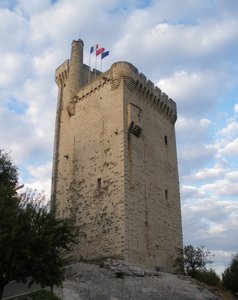
Philippe le Bel
1268 - 1314