

 Предпросмотр
 Поделиться
 Поделиться
 Детали произведения

 Скачать
 Похожие работы
 Рентгенография
 Слайд-шоу
 Статистика
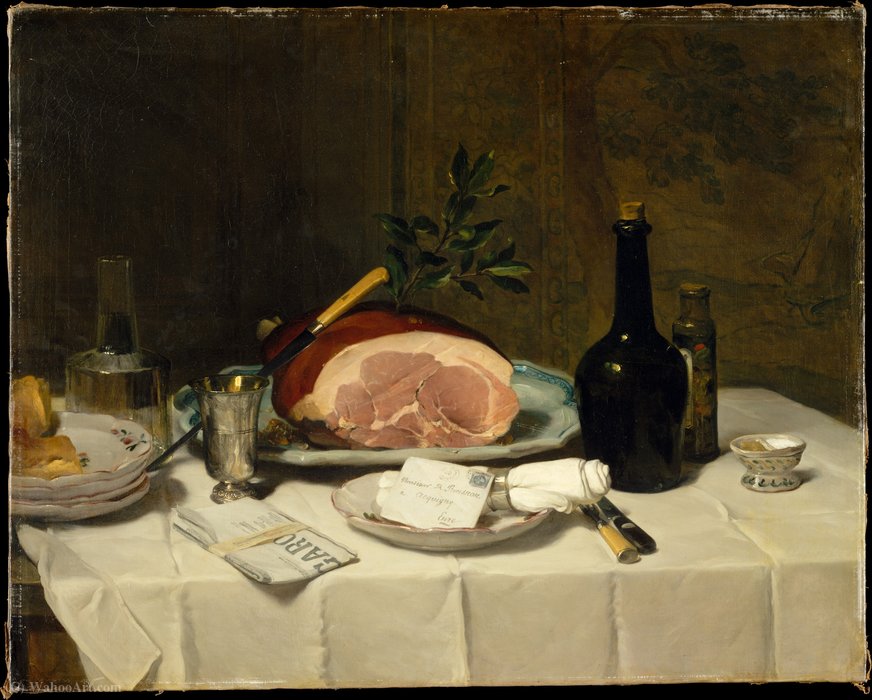
Still Life with Ham (1870s)
 Читать далее
Приобретите цифровое изображение высокого разрешения в улучшенном качестве, которое значительно превосходит онлайн-превью.
Каждый файл тщательно подготавливается нашими специалистами с использованием передовых инструментов и экспертной ручной ретуши. Мы гарантируем исключительную четкость, точную цветопередачу и детальную проработку каждого изображения.
Финальный файл доставляется по электронной почте в течение 72 часов и оптимизирован для немедленного использования в профессиональной среде, при верстке и печати. Это тот же уровень качества, которому доверяют ведущие дизайнерские студии, издательства и галереи.
Цифровое изображение
Скачайте файл высокого разрешения для личного использования, печати и творческих проектов. ( Перейти к печати Купить картину ручной работы)
Включено в каждый заказ цифровых изображений
Гарантия экспертной цифровой доставки
Выбирая ArtsDot.com, вы получаете не просто изображение — вы приобретаете профессионально обработанное цифровое произведение искусства, созданное с безупречной точностью и под защитой гарантии качества. Вот всё, что автоматически входит в ваш заказ:

Мгновенная доставка по e-mail
Ваш цифровой файл в высоком разрешении будет отправлен вам по электронной почте в течение 72 часов после оформления заказа — и сразу станет доступен для использования.

Цифровой файл с ИИ-улучшением
Ваше произведение искусства проходит профессиональную оптимизацию с использованием передовых инструментов ИИ и ручной обработки, что гарантирует максимальную детализацию, четкость и точность цветопередачи.

Бессрочная бесплатная повторная доставка
Случайно удалили или потеряли файл? Не беспокойтесь — мы отправим его вам повторно в любое время и совершенно бесплатно.

Без импортных пошлин — навсегда
Наслаждайтесь вашим произведением искусства мгновенно без таможенных пошлин, сборов или затрат на доставку — цифровые загрузки всегда не облагаются налогом.

Гарантия точности цветопередачи
Мы гарантируем, что ваше цифровое изображение максимально точно передает оригинальные цвета благодаря использованию профессиональных инструментов и систем управления цветом.

Гарантия удовлетворенности 100 дней
Если вы не будете удовлетворены своим цифровым изображением, мы внесем правки или вернем 100% стоимости в течение 100 дней — без лишних вопросов.

100% Гарантия возврата средств
Не удовлетворены покупкой? Получите полный возврат средств в течение 100 дней после получения цифрового файла — без лишних вопросов.

Скидки на оптовые заказы
Купите 3 изображения, сэкономьте 10% — Купите 5, сэкономьте 15% — Купите 10+, сэкономьте 20%. Отличное решение для творческих проектов, галерей и агентств.
Похожие произведения









Биография художника
Early Life and Artistic Beginnings
Philippe François Rousseau, born in Paris on February 23rd, 1816, emerged from a somewhat unconventional family background that subtly shaped his artistic trajectory. His father, the celebrated tenor Philippe Cauvy, though absent from his early life, instilled a sense of performance and observation—qualities that would later manifest in Rousseau’s meticulous depictions of everyday scenes. Rousseau's formal training began at the prestigious École des Beaux-Arts under the tutelage of Baron Antoine-Jean Gros and Jean-Victor Bertin. Initially drawn to landscape painting, he captured the serene vistas of Normandy and Brittany with a developing skill for atmospheric perspective and natural light.
A Shift Towards Still Life: Finding His Niche
The 1840s marked a pivotal turning point in Rousseau’s career as he gradually transitioned from landscapes to still life and animal subjects. This wasn't merely a change of subject matter; it was a profound shift in artistic focus, driven by a desire for greater intimacy and detail. He debuted at the Paris Salon in 1834 with his landscape works, but it was through his exploration of domestic interiors, game, and poultry that he began to garner significant attention. The year 1845 proved particularly crucial, as his painting Le Rat des villes et le rat des champs (The City Rat and the Country Rat), inspired by Jean de La Fontaine’s fables, resonated deeply with critics like Théophile Gautier, E.-J. Delécluze, and Charles Baudelaire. This work wasn't simply a depiction of animals; it was a morally infused scene imbued with narrative depth and innovative compositional freedom.
Mastering Trompe-l’œil and Narrative Detail
Rousseau quickly established himself as a master of trompe-l’œil, creating paintings that blurred the lines between reality and illusion. His still lifes weren't static arrangements; they were vibrant, meticulously rendered moments frozen in time. He possessed an extraordinary ability to capture textures—the sheen of polished silver, the delicate feathers of a bird, the succulent flesh of a ham—with breathtaking realism. However, Rousseau’s artistry extended beyond mere technical skill. He infused his compositions with subtle narratives, often including contemporary details like newspapers (an issue of Le Figaro is famously featured in Still Life with Ham) and personal touches that grounded the scenes in a specific time and place. This blending of realism and storytelling became a hallmark of his style.
Recognition and Legacy
Rousseau’s talent didn't go unnoticed. He received numerous accolades, including third-class medals at the Salon in 1845, followed by first-class honors in 1848 and a second-class medal in 1855. He also secured state commissions, further solidifying his reputation within the French art world. In 1852, he was knighted into the Legion of Honor, later being promoted to officer in 1870. Throughout his career, Rousseau enjoyed patronage from prominent figures like Napoleon III and Princess Mathilde Bonaparte, demonstrating the widespread appeal of his accessible yet technically virtuoso paintings.
Historical Significance and Enduring Appeal
Philippe François Rousseau’s work offers a fascinating glimpse into 19th-century French bourgeois life. His paintings weren't grand historical narratives or idealized portraits; they were intimate depictions of everyday objects, domestic scenes, and the pleasures of simple living. Influenced by masters like Jean-Baptiste-Siméon Chardin and Jean-Baptiste Oudry, he created a unique artistic vision that blended meticulous realism with subtle storytelling. His paintings continue to captivate audiences today, not only for their technical brilliance but also for their ability to evoke a sense of nostalgia and warmth. Works such as Still Life with Oysters (National Gallery, London) and Le Singe aquafortiste (Magnin Museum, Dijon) stand as testaments to his skill in rendering textures, light, and the quiet beauty of the ordinary. Rousseau died in Acquigny on December 5th, 1887, leaving behind a legacy of paintings that continue to resonate with collectors and art enthusiasts alike.
Основные сведения
- Artistic Movement Or Style: Still life, Trompe-l'œil
- Artists Who Influenced This Artist:
- Antoine-Jean Gros
- Jean-Victor Bertin
- Chardin
- Oudry
- Date Of Birth: February 23, 1816
- Date Of Death: December 5, 1887
- Full Name: Philippe Francois Rousseau
- Nationality: French
- Notable Artworks:
- Still Life with Ham
- Le Bocal d
- The Heron's Pool
- Place Of Birth: Paris, France