

 Предпросмотр
 Поделиться
 Поделиться
 Детали произведения

 Скачать
 Похожие работы
 Рентгенография
 Слайд-шоу
 Статистика
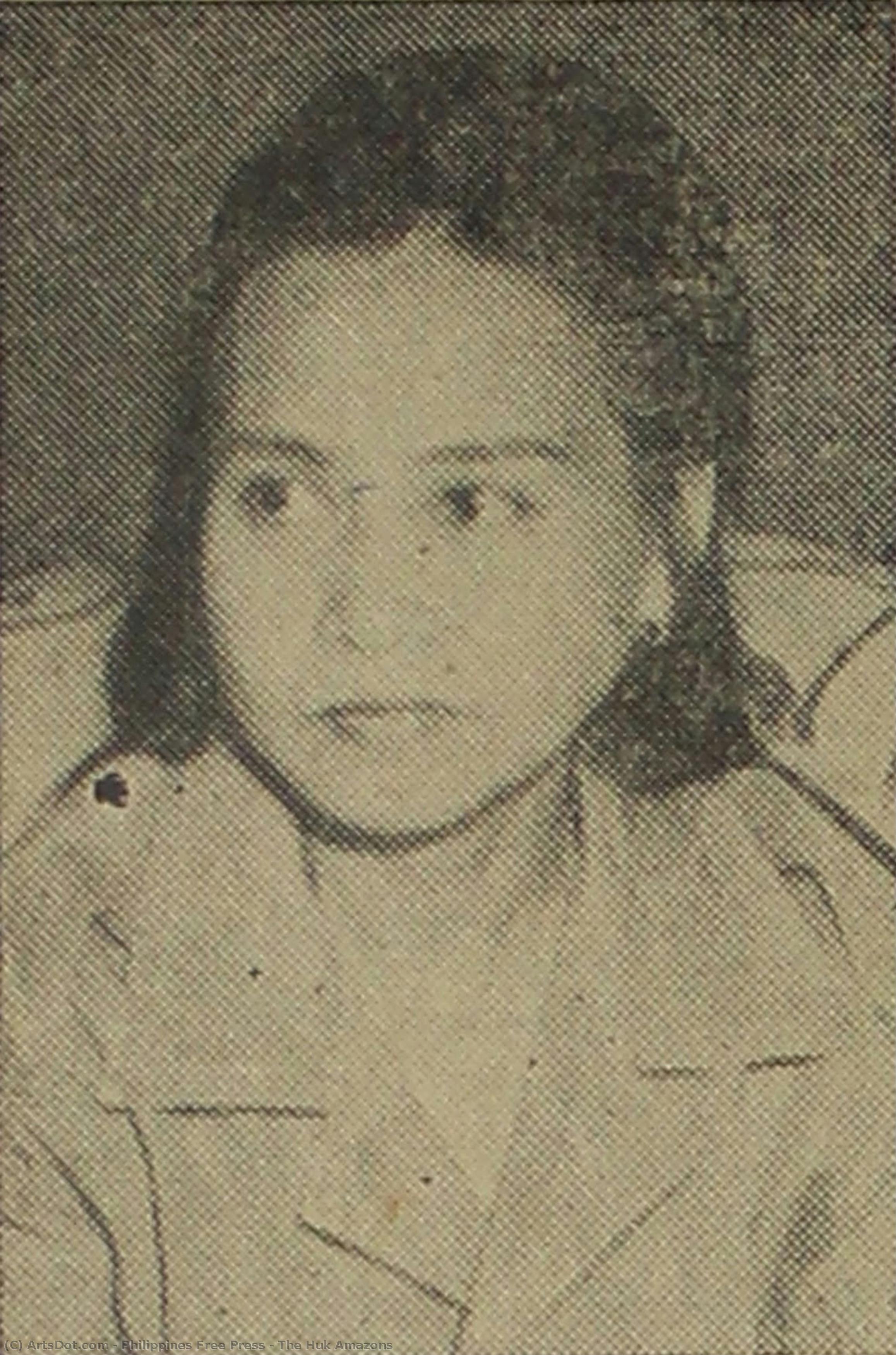
The Huk Amazons


 Читать далее
Масляная репродукция ручной работы
Картина маслом на холсте в выбранном вами размере и раме, написанная на заказ нашими художниками. ( Перейти к печати Перейти к цифровым изображениям)




































Выберите один из наших стандартных размеров, соответствующих оригинальным пропорциям произведения искусства.

Вы можете указать собственные размеры, чтобы картина идеально вписалась в выбранную раму или пространство. Если выбранный вами размер не соответствует пропорциям оригинала, мы либо обрежем полотно, либо расширим его за счет дополнительных элементов, написанных вручную. Цифровой макет будет отправлен вам на утверждение перед началом производства.
Обратите внимание, что предварительный просмотр на экране не отражает фактическую обрезку или расширение. Только макет точно покажет окончательную композицию.
Хотя доступны индивидуальные размеры, мы рекомендуем выбирать вариант из предопределенного списка, чтобы сохранить исходные пропорции.
После оформления заказа команда ArtsDot.com свяжется с клиентом по электронной почте для уточнения деталей и предоставит предварительный макет
Доставка по всему миру () за 3–4 недели вместо стандартных 5 недель. (12 Сентябрь). Без компромиссов в качестве.

Бесплатная экспресс-доставка по всему миру

Высококачественный льняной холст

Полное страхование доставки

Гарантия возмещения таможенных пошлин

Гарантия точного соответствия цветов

100-дневная политика возврата (только при обнаружении дефектов)

Гарантия возврата 100% средств

Предложение оптовых скидок
 Вариант со стеклом доступен только для размеров менее 110 см

The Huk Amazons
Техника репродукции
Размер репродукции
-


Итоговая стоимость
$ 263
Похожие произведения










Биография художника
The Enduring Voice of a Nation: The Life and Legacy of the Philippines Free Press
Born in the tumultuous years following Spanish colonial rule, Jorge Pineda’s life and art are inextricably linked to the evolution of the Philippines. More than just an illustrator, he became a visual chronicler of a nation grappling with identity, political upheaval, and the struggle for independence – a role solidified by his decades-long association with the groundbreaking news magazine, Philippines Free Press. His work isn’t merely decorative; it's a potent distillation of Filipino culture, history, and social commentary, offering a uniquely intimate perspective on a nation forging its own path.
Pineda’s early life remains somewhat shrouded in the mists of time, though he was born in Santa Cruz, Manila, in 1879. He received his artistic training at the Academia de Dibujo y Pintura, absorbing the classical techniques and styles prevalent during that era. However, it wasn't within the confines of formal instruction that Pineda truly blossomed; rather, it was through his work for publications like Renacimiento Filipino and “Bajo los cocoteros,” under the pen name “Makahiya,” that he began to develop a distinctive voice – one characterized by loose brushstrokes, vibrant colors, and an undeniable sense of national pride. These early commissions exposed him to a wider audience and provided invaluable experience in capturing the essence of everyday Filipino life.
A Visual Voice for a Changing Nation
Pineda’s most significant contribution to Philippine art lies undoubtedly within the pages of Philippines Free Press, a publication that served as a vital conduit for social and political discourse during a period of immense change. Founded in 1908, the magazine quickly established itself as a fearless critic of colonial rule and a champion of Filipino nationalism. Pineda’s illustrations weren't simply decorative; they were powerful visual arguments, often depicting scenes of military victories, children playing, and women engaged in domestic tasks – images imbued with a subtle yet persistent message of national identity and resilience.
Perhaps his most iconic creation was the character of Juan dela Cruz, the “everyman” Filipino. This composite figure, simultaneously representing both the idealized hero and the ordinary citizen, became a potent symbol of Philippine aspirations during the early 20th century. Pineda’s depiction of Juan – often depicted with paint tubes in hand – encapsulated the spirit of creativity, labor, and national pride that defined the era. Furthermore, his illustrations for the magazine's political cartoons were particularly noteworthy, offering sharp critiques of government policies and exposing corruption with a deftness and humor rarely seen in contemporary publications.
The Martial Law Years and Beyond
The period following Ferdinand Marcos’ declaration of martial law (1972-1986) presented immense challenges for journalists and artists alike. Philippines Free Press, already known for its critical stance towards the regime, faced severe censorship and repression. Many publications were shuttered, and journalists were routinely harassed and imprisoned. Despite these dangers, Pineda continued to contribute his work to the magazine, producing powerful illustrations that exposed the injustices of martial law and documented the suffering of the Filipino people. His art became a form of silent resistance, offering a visual record of a dark chapter in Philippine history.
Following Marcos’ ouster in 1986, Philippines Free Press was revived, continuing its tradition of investigative journalism and social commentary. Pineda's legacy lived on through the magazine's continued commitment to holding power accountable and amplifying marginalized voices. His work remains a testament to the enduring importance of independent media in safeguarding democracy and promoting social justice.
A Lasting Impact
Jorge Pineda’s artistic output extends beyond his illustrations for Philippines Free Press, encompassing portraits, landscapes, and various commercial commissions. However, it is his role as a visual chronicler of the Philippines during a period of profound transformation that truly defines his legacy. His work offers invaluable insights into Filipino culture, history, and political struggles – a poignant reminder of the power of art to shape perceptions, inspire resistance, and preserve memories.
His paintings, particularly “Campesina” and “Heroes of 1896,” are now housed in the National Museum of Fine Arts, ensuring that his artistic contributions will continue to be appreciated by generations to come. Pineda’s life and work serve as a powerful example of how art can be both a reflection of society and an agent of change – a voice for the voiceless and a testament to the enduring spirit of the Philippines.
philippines free press
Philippines
Основные сведения
- Artistic Movement Or Style: Illustrator
- Artists Or Movements Influenced By This Artist: ['Juan dela Cruz']
- Artists Who Influenced This Artist: ['Fernando Cueto Amorsolo']
- Date Of Birth: 1879
- Date Of Death: 1946
- Full Name: Jorge Pineda
- Nationality: Filipino
- Notable Artworks:
- Belleza Filipina
- Campesina
- Heroes of 1896
- Place Of Birth: Santa Cruz, Manila