

 Предпросмотр
 Поделиться
 Поделиться
 Детали произведения

 Скачать
 Похожие работы
 Рентгенография
 Слайд-шоу
 Статистика
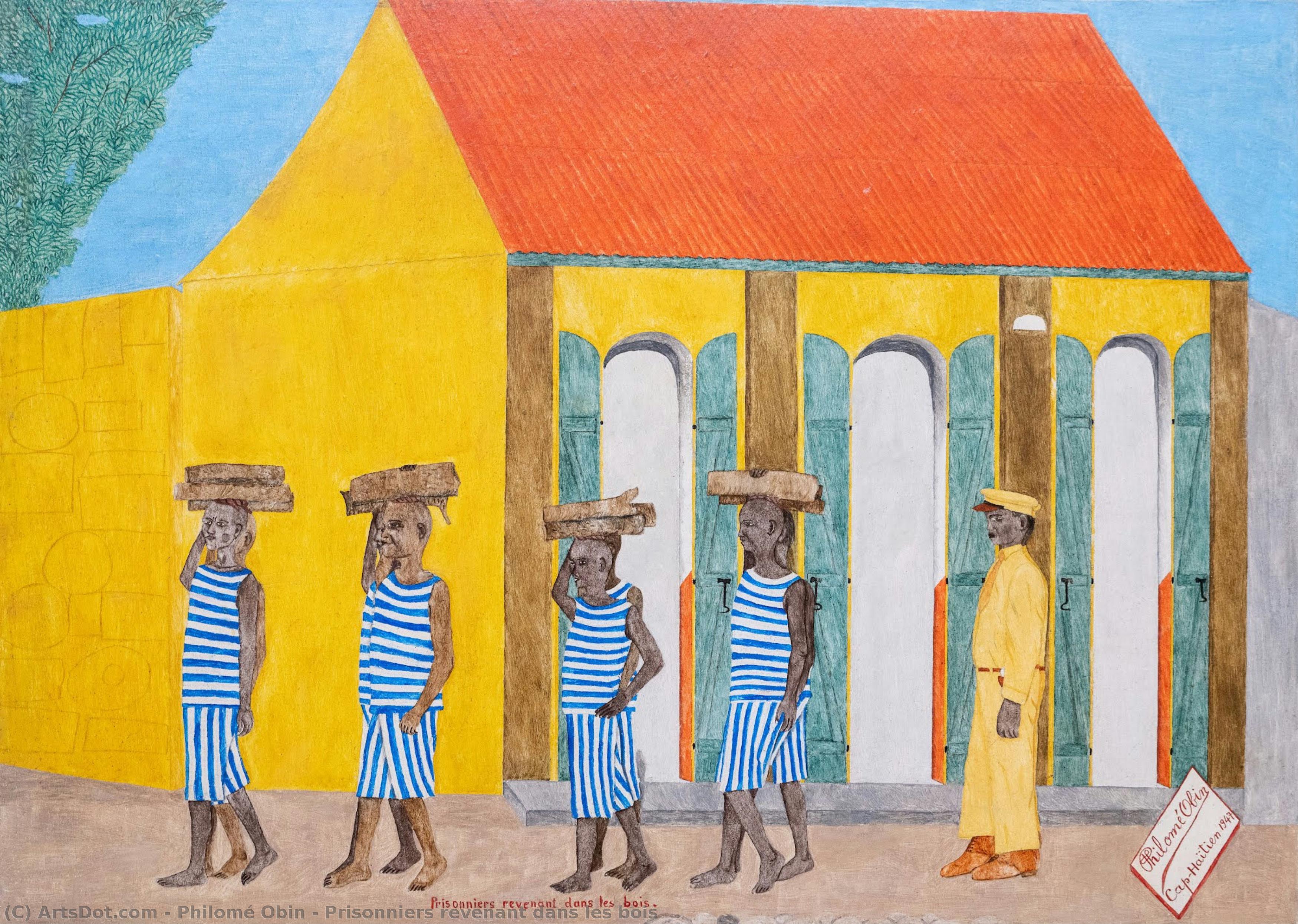
Prisonniers revenant dans les bois


 Читать далее
Приобретите цифровое изображение высокого разрешения в улучшенном качестве, которое значительно превосходит онлайн-превью.
Каждый файл тщательно подготавливается нашими специалистами с использованием передовых инструментов и экспертной ручной ретуши. Мы гарантируем исключительную четкость, точную цветопередачу и детальную проработку каждого изображения.
Финальный файл доставляется по электронной почте в течение 72 часов и оптимизирован для немедленного использования в профессиональной среде, при верстке и печати. Это тот же уровень качества, которому доверяют ведущие дизайнерские студии, издательства и галереи.
Цифровое изображение
Скачайте файл высокого разрешения для личного использования, печати и творческих проектов. ( Перейти к печати Купить картину ручной работы)
Включено в каждый заказ цифровых изображений
Гарантия экспертной цифровой доставки
Выбирая ArtsDot.com, вы получаете не просто изображение — вы приобретаете профессионально обработанное цифровое произведение искусства, созданное с безупречной точностью и под защитой гарантии качества. Вот всё, что автоматически входит в ваш заказ:

Мгновенная доставка по e-mail
Ваш цифровой файл в высоком разрешении будет отправлен вам по электронной почте в течение 72 часов после оформления заказа — и сразу станет доступен для использования.

Цифровой файл с ИИ-улучшением
Ваше произведение искусства проходит профессиональную оптимизацию с использованием передовых инструментов ИИ и ручной обработки, что гарантирует максимальную детализацию, четкость и точность цветопередачи.

Бессрочная бесплатная повторная доставка
Случайно удалили или потеряли файл? Не беспокойтесь — мы отправим его вам повторно в любое время и совершенно бесплатно.

Без импортных пошлин — навсегда
Наслаждайтесь вашим произведением искусства мгновенно без таможенных пошлин, сборов или затрат на доставку — цифровые загрузки всегда не облагаются налогом.

Гарантия точности цветопередачи
Мы гарантируем, что ваше цифровое изображение максимально точно передает оригинальные цвета благодаря использованию профессиональных инструментов и систем управления цветом.

Гарантия удовлетворенности 100 дней
Если вы не будете удовлетворены своим цифровым изображением, мы внесем правки или вернем 100% стоимости в течение 100 дней — без лишних вопросов.

100% Гарантия возврата средств
Не удовлетворены покупкой? Получите полный возврат средств в течение 100 дней после получения цифрового файла — без лишних вопросов.

Скидки на оптовые заказы
Купите 3 изображения, сэкономьте 10% — Купите 5, сэкономьте 15% — Купите 10+, сэкономьте 20%. Отличное решение для творческих проектов, галерей и агентств.
A Journey Through Memory and Resilience
In the evocative masterpiece Prisonniers revenant dans les bois, created in 1947, the legendary Haitian master Philomé Obin invites us into a poignant moment of historical and human drama. The painting captures a group of men navigating a path through the landscape, their bodies bearing the heavy weight of large wooden crates balanced precariously upon their heads. Clad in striking blue and white striped shirts, these figures move with a rhythmic, collective determination that speaks to the shared burdens of existence. Set against the warm, sun-drenched backdrop of a yellow structure—perhaps a church or a communal landmark—the scene vibrates with a sense of purpose and movement. Obin does not merely depict a physical journey; he captures the very essence of endurance, portraying a moment where the strength of the human spirit is as visible as the heavy loads being carried.
Obin’s signature style, often described by scholars as "magical pseudo-realism," is on full display here. This technique allows him to bypass the cold precision of traditional realism in favor of a more profound emotional truth. The colors are applied with a deceptive simplicity that belies their complexity, using vibrant tones to create a sense of atmosphere and depth. There is a certain flatness to the forms that enhances the narrative clarity, making each figure and object feel like an essential character in a larger story. By prioritizing feeling over meticulous anatomical detail, Obin achieves a dreamlike quality that elevates the mundane act of labor into something mythic and timeless, making this piece an extraordinary specimen of Haitian Primitivism.
The Soul of Haiti Captured in Pigment
To understand this work is to understand the cultural heartbeat of Haiti. Philomé Obin was a visionary who dedicated his long career to documenting the soul of his nation, and Prisonniers revenant dans les bois serves as a window into both its history and its daily rhythms. The painting functions as a narrative tapestry, weaving together themes of labor, community, and the quiet resilience required to navigate a changing world. The presence of the prisoners—or those returning from the woods—suggests a deeper layer of social commentary, perhaps touching upon the historical struggles and the reclamation of freedom that are so central to the Haitian identity.
For the discerning collector or interior designer, this artwork offers much more than mere decoration; it provides a profound focal point of conversation and contemplation. The striking contrast between the bright yellow architecture and the cool blues of the men's attire creates a visual harmony that can anchor any sophisticated space. Whether placed in a gallery-style living room or a curated study, a high-quality reproduction of this piece brings with it an aura of historical significance and artistic mastery. It is an invitation to reflect on the beauty found in struggle and the enduring power of those who carry their history forward, one step at a time.
Похожие произведения

Биография художника
The Visionary of Cap-Haïtien: The Life and Legacy of Philomé Obin
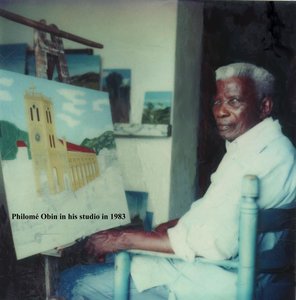
In the vibrant, sun-drenched landscapes of northern Haiti, a singular artistic voice emerged to capture the soul of a nation. Philomé Obin (1892–1986) was not merely a painter; he was a visual historian and a master storyteller whose brushstrokes bridged the gap between the mundane and the mystical. Born in Bas Limbé, Obin’s journey began far from the international galleries that would later celebrate his name. His early years were defined by a quiet, self-taught discipline, nurtured by rudimentary drawing lessons from his father. Before he was an acclaimed master, he lived the life of a common man—working as a barber and a coffee buyer—finding inspiration in the rhythmic pulse of daily Haitian existence. This grounded perspective allowed him to observe the nuances of social hierarchy, the dignity of labor, and the architectural splendor of Cap-Haïtien with an intimacy that no formal academy could ever bestow.
Obin’s artistic evolution is a testament to unwavering devotion to one's own vision. While many of his contemporaries sought to imitate European academic traditions, Obin remained steadfast in developing what critics would eventually term “magical pseudo-realism.” This signature style eschewed traditional three-dimensional perspective in favor of a deliberate, captivating flatness. His canvases often feature rows of peak-roofed townhouses with protective overhangs and elongated shuttered doors, creating a stage-like setting for his narratives. Through the use of bold, confident colors—deep blues, radiant yellows, and earthy reds—he breathed life into simplified figures that seemed to inhabit a world where the boundary between reality and spirit was beautifully blurred. His work did not just show a scene; it evoked an atmosphere, capturing the glaring sun of the streets and the lush, verdant mountains that cradle his beloved northern region.
A Tapestry of History and Spirit
The true power of Obin’s oeuvre lies in its profound connection to the Haitian identity. He acted as a custodian of memory, painting historical milestones with meticulous attention to detail. His work serves as a window into the turbulent and triumphant eras of Haiti, from the resistance of the Cacos during the American occupation to the grandeur of colonial-era celebrations. One can find in his paintings the tension of political crisis and the quiet strength of the peasantry. He possessed a unique ability to denote social status through subtle visual cues—a man’s fine suit contrasted against the bare feet of a water-carrier, or the elevated position of a figure mounted on a white horse. These were not merely portraits; they were sociological studies rendered in pigment.
Beyond the historical, Obin’s work is deeply intertwined with the spiritual and cultural fabric of Haiti. His canvases are populated by the energy of Vodou ceremonies, the pageantry of Mardi Gras masqueraders, and the solemnity of religious processions. He found beauty in the unexpected, from the heraldic panels created for Masonic Lodges to the vibrant street life of Cap-Haïtien. This breadth of subject matter ensured that his art was a true reflection of the Haitian experience—a complex mosaic of faith, struggle, and celebration. His ability to weave these diverse elements into a cohesive aesthetic helped establish the Cap-Haïtien school as a cornerstone of Caribbean art.
Recognition and Enduring Influence
For decades, Obin painted with little more than personal satisfaction, his talent known primarily within his local community. It was not until 1944, when he sent a painting to the American artist DeWitt Peters, that his work began to find its way onto the global stage. This connection led to his involvement with the Centre d'Art in Port-au-Prince, a pivotal moment that catapulted him into international prominence. As his reputation grew, so did the recognition of his unique contribution to modern art, proving that a deeply localized perspective could resonate with a universal audience.
The legacy of Philomé Obin remains as vibrant today as the colors in his paintings. He stands as a monumental figure whose work continues to inspire awe and scholarly study. His achievements can be summarized through several key pillars of his career:
- Mastery of Style: The creation of "magical pseudo-realism," a technique that prioritized emotional truth and narrative depth over traditional realism.
- Cultural Preservation: Serving as a visual chronicler of Haitian history, documenting everything from the American occupation to the daily rhythms of rural life.
- Artistic Independence: Maintaining a self-taught, authentic aesthetic that resisted the pressure to conform to foreign artistic movements.
- Global Impact: Elevating Haitian art to the international stage and influencing generations of Caribbean artists through his dedication to local themes.
Today, when we look upon an Obin masterpiece, we do more than view a painting; we enter a world where history breathes, where the mountains are eternal, and where the spirit of Haiti is captured in every meticulous line and vibrant hue.
philomé obin
1892 - 1986 , Haiti
Основные сведения
- Artistic Movement Or Style: Magical realism
- Artists Or Movements Influenced By This Artist: ['Caribbean art']
- Artists Who Influenced This Artist: ['Antoine Obin']
- Date Of Birth: 1892
- Date Of Death: 1986
- Full Name: Philomé Obin
- Nationality: Haitian
- Notable Artworks:
- Market scene
- Rural landscape
- Vodou ceremony
- Place Of Birth: Bassalette, Haiti