Предпросмотр
 Поделиться
 Поделиться
 Детали произведения

 Скачать
 Похожие работы
 Рентгенография
 Слайд-шоу
 Статистика
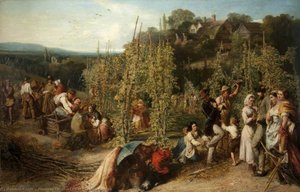
Life in the Hop Garden
 1859
1859 65.0 x 112.0 cm
 Towneley Hall Art Gallery - Museum
 Читать далее
Приобретите цифровое изображение высокого разрешения в улучшенном качестве, которое значительно превосходит онлайн-превью.
Каждый файл тщательно подготавливается нашими специалистами с использованием передовых инструментов и экспертной ручной ретуши. Мы гарантируем исключительную четкость, точную цветопередачу и детальную проработку каждого изображения.
Финальный файл доставляется по электронной почте в течение 72 часов и оптимизирован для немедленного использования в профессиональной среде, при верстке и печати. Это тот же уровень качества, которому доверяют ведущие дизайнерские студии, издательства и галереи.
Цифровое изображение
Скачайте файл высокого разрешения для личного использования, печати и творческих проектов. ( Перейти к печати Купить картину ручной работы)
Включено в каждый заказ цифровых изображений
Гарантия экспертной цифровой доставки
Выбирая ArtsDot.com, вы получаете не просто изображение — вы приобретаете профессионально обработанное цифровое произведение искусства, созданное с безупречной точностью и под защитой гарантии качества. Вот всё, что автоматически входит в ваш заказ:

Мгновенная доставка по e-mail
Ваш цифровой файл в высоком разрешении будет отправлен вам по электронной почте в течение 72 часов после оформления заказа — и сразу станет доступен для использования.

Цифровой файл с ИИ-улучшением
Ваше произведение искусства проходит профессиональную оптимизацию с использованием передовых инструментов ИИ и ручной обработки, что гарантирует максимальную детализацию, четкость и точность цветопередачи.

Бессрочная бесплатная повторная доставка
Случайно удалили или потеряли файл? Не беспокойтесь — мы отправим его вам повторно в любое время и совершенно бесплатно.

Без импортных пошлин — навсегда
Наслаждайтесь вашим произведением искусства мгновенно без таможенных пошлин, сборов или затрат на доставку — цифровые загрузки всегда не облагаются налогом.

Гарантия точности цветопередачи
Мы гарантируем, что ваше цифровое изображение максимально точно передает оригинальные цвета благодаря использованию профессиональных инструментов и систем управления цветом.

Гарантия удовлетворенности 100 дней
Если вы не будете удовлетворены своим цифровым изображением, мы внесем правки или вернем 100% стоимости в течение 100 дней — без лишних вопросов.

100% Гарантия возврата средств
Не удовлетворены покупкой? Получите полный возврат средств в течение 100 дней после получения цифрового файла — без лишних вопросов.

Скидки на оптовые заказы
Купите 3 изображения, сэкономьте 10% — Купите 5, сэкономьте 15% — Купите 10+, сэкономьте 20%. Отличное решение для творческих проектов, галерей и агентств.
A Glimpse into Rural Life
The painting depicts a group of people gathered in a field, surrounded by trees and lush greenery. The scene appears to be set during harvest time, with an abundance of hops on the vines. Some individuals are standing, while others are sitting or kneeling down, giving the impression of a sense of community and shared work. The presence of umbrellas scattered throughout the scene suggests that it might have been raining at some point, adding to the overall atmosphere of the painting. Key Features of the painting include:- The use of warm colors, which creates a cozy and inviting ambiance
- The attention to detail in the depiction of the hop garden, showcasing the artist's skill and craftsmanship
- The sense of movement and energy in the scene, as if the figures are engaged in lively conversation and activity
Discovering More Artworks
For those interested in exploring more artworks like "Life in the Hop Garden", Phoebus Levin's painting is a great starting point. Visitors can also explore other works at the Towneley Hall Art Gallery - Museum, such as Augustus Wall Callcott's "The Temple of Aesculapius" and Frederick Cuming's "The Studio".To learn more about the artist and his works, visit Emma Woollard's page on ArtsDot.com, which features a range of artworks and information about the artists.
Похожие произведения









Биография художника
A Brushstroke of Victorian Life: The World of Phoebus Levin
Phoebus Levin, a name perhaps less heralded than some of his contemporaries, nevertheless occupies a fascinating and vital niche within the pantheon of 19th-century British artists. His canvases offer a compelling glimpse into the bustling heart of Victorian London, not through grand historical narratives or idealized landscapes, but through intimate portrayals of everyday life – the markets teeming with activity, the quiet dignity of portraiture, and the fleeting beauty of pastoral scenes. Levin wasn’t merely *recording* his time; he was capturing its essence, its energy, and its often-overlooked humanity. Born in 1840, though details surrounding his early life remain somewhat elusive, it is known that he received formal artistic training, likely at a London art school, before establishing himself as a professional painter. He quickly found favor with collectors drawn to his realistic style and ability to evoke atmosphere.Early Career & The Rise of Realism
The mid-19th century was a period of significant change in the art world. Academic painting, with its emphasis on classical subjects and meticulous technique, still held sway, but a growing movement towards realism began to challenge these conventions. Artists like Gustave Courbet and Jean-François Millet were finding success by depicting ordinary people and scenes without romanticization or embellishment. Levin’s work aligns closely with this realist aesthetic. His early paintings, often smaller in scale, focused on London street life – flower sellers, costermongers, and the general hustle and bustle of the city's markets. These weren’t simply topographical studies; they were social commentaries, offering a window into the lives of working-class Londoners. He possessed an exceptional eye for detail, capturing the textures of fabrics, the play of light on cobblestones, and the individual character of his subjects. This dedication to authenticity resonated with a public increasingly interested in seeing themselves reflected in art. His commitment to portraying life as it was, rather than how it *should* be, set him apart from many of his peers.The Covent Garden Series & Pastoral Idylls
Levin’s artistic reputation solidified with his celebrated series of paintings depicting Covent Garden Market. These works are arguably his most recognizable and beloved, offering a vibrant tapestry of color, movement, and social interaction. He wasn't just painting the market itself; he was capturing its soul – the energy of the traders, the abundance of flowers and produce, and the sheer spectacle of it all. The paintings reveal a keen understanding of composition, with Levin skillfully arranging figures and objects to create dynamic and engaging scenes. Beyond Covent Garden, Levin also explored pastoral themes, particularly hop gardens in Kent and Surrey. These paintings represent a shift towards more idyllic subjects, yet they retain his characteristic realism. He depicted hop pickers at work, capturing the backbreaking labor involved while simultaneously celebrating the beauty of the countryside. These works often carry a subtle undercurrent of social observation, hinting at the lives and struggles of those who toiled in the fields.Influences & Artistic Development
While Levin’s style is distinctly his own, it's possible to identify several influences that shaped his artistic development. The French Realists, particularly Courbet, undoubtedly played a role in his embrace of everyday subjects and rejection of academic conventions. He also appears to have been influenced by the work of Dutch Golden Age painters like Jan Steen and Pieter de Hooch, known for their genre scenes and masterful use of light. Over time, Levin’s technique evolved from a more tightly rendered style towards a looser, more impressionistic approach. His brushwork became bolder and more expressive, and his palette expanded to include brighter, more vibrant colors. However, he never fully abandoned his commitment to realism, maintaining a strong focus on detail and accuracy even as his style became more fluid.- French Realism: Courbet’s influence on subject matter.
- Dutch Masters: Steen & de Hooch for genre scenes.
- Victorian Social Commentary: Capturing the lives of working classes.