

 Поделиться
 Поделиться
 Детали произведения

 Скачать
 Похожие работы
 Слайд-шоу
 Статистика
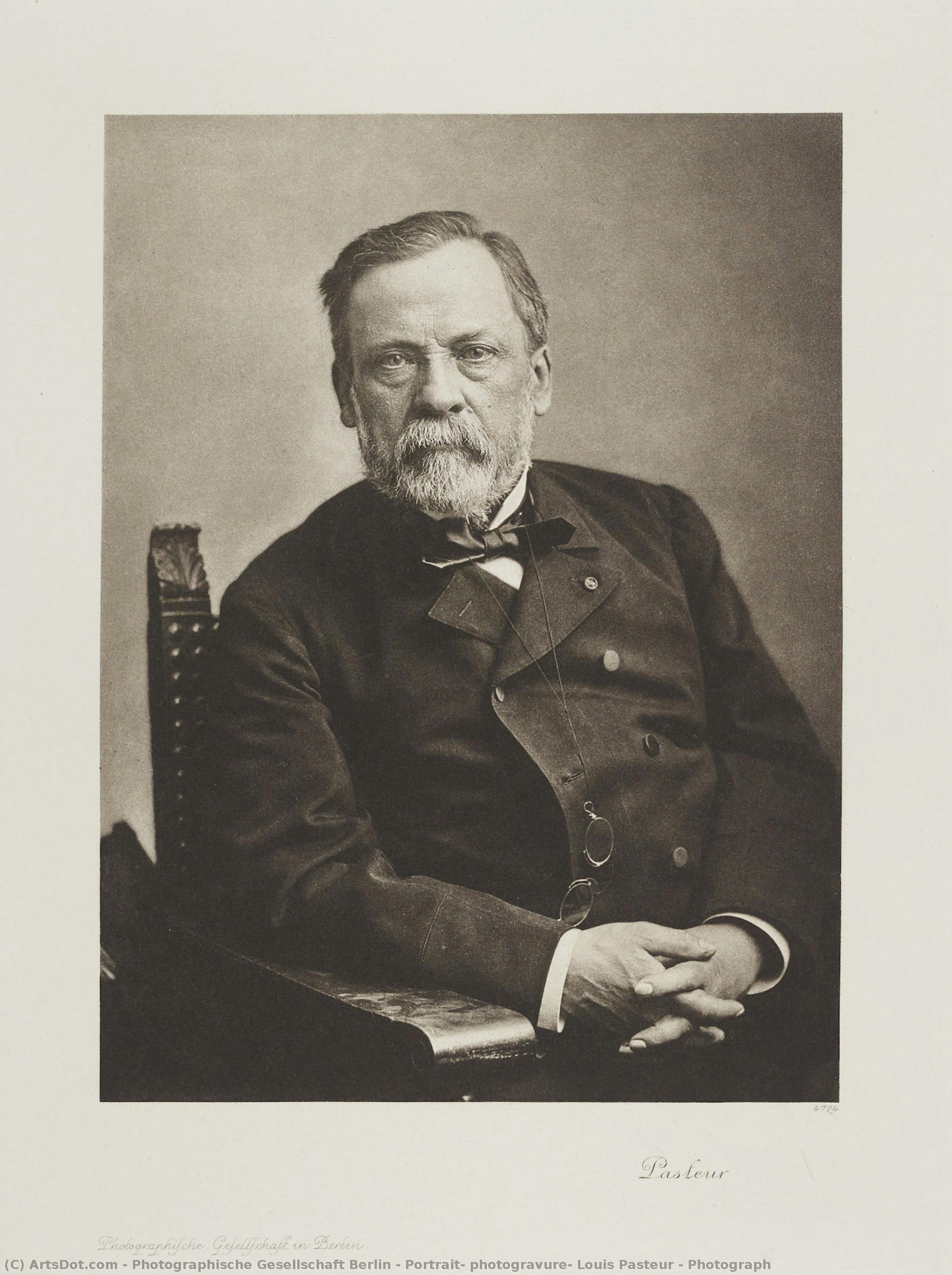
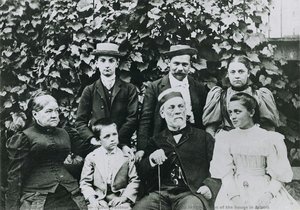
Portrait, photogravure, Louis Pasteur / Photograph


 Читать далее
Приобретите цифровое изображение высокого разрешения в улучшенном качестве, которое значительно превосходит онлайн-превью.
Каждый файл тщательно подготавливается нашими специалистами с использованием передовых инструментов и экспертной ручной ретуши. Мы гарантируем исключительную четкость, точную цветопередачу и детальную проработку каждого изображения.
Финальный файл доставляется по электронной почте в течение 72 часов и оптимизирован для немедленного использования в профессиональной среде, при верстке и печати. Это тот же уровень качества, которому доверяют ведущие дизайнерские студии, издательства и галереи.
Цифровое изображение
Скачайте файл высокого разрешения для личного использования, печати и творческих проектов. ( Перейти к печати Купить картину ручной работы)
Включено в каждый заказ цифровых изображений
Гарантия экспертной цифровой доставки
Выбирая ArtsDot.com, вы получаете не просто изображение — вы приобретаете профессионально обработанное цифровое произведение искусства, созданное с безупречной точностью и под защитой гарантии качества. Вот всё, что автоматически входит в ваш заказ:

Мгновенная доставка по e-mail
Ваш цифровой файл в высоком разрешении будет отправлен вам по электронной почте в течение 72 часов после оформления заказа — и сразу станет доступен для использования.

Цифровой файл с ИИ-улучшением
Ваше произведение искусства проходит профессиональную оптимизацию с использованием передовых инструментов ИИ и ручной обработки, что гарантирует максимальную детализацию, четкость и точность цветопередачи.

Бессрочная бесплатная повторная доставка
Случайно удалили или потеряли файл? Не беспокойтесь — мы отправим его вам повторно в любое время и совершенно бесплатно.

Без импортных пошлин — навсегда
Наслаждайтесь вашим произведением искусства мгновенно без таможенных пошлин, сборов или затрат на доставку — цифровые загрузки всегда не облагаются налогом.

Гарантия точности цветопередачи
Мы гарантируем, что ваше цифровое изображение максимально точно передает оригинальные цвета благодаря использованию профессиональных инструментов и систем управления цветом.

Гарантия удовлетворенности 100 дней
Если вы не будете удовлетворены своим цифровым изображением, мы внесем правки или вернем 100% стоимости в течение 100 дней — без лишних вопросов.

100% Гарантия возврата средств
Не удовлетворены покупкой? Получите полный возврат средств в течение 100 дней после получения цифрового файла — без лишних вопросов.

Скидки на оптовые заказы
Купите 3 изображения, сэкономьте 10% — Купите 5, сэкономьте 15% — Купите 10+, сэкономьте 20%. Отличное решение для творческих проектов, галерей и агентств.
Portrait of Louis Pasteur - A Pioneer's Dignified Reflection
The Photographische Gesellschaft Berlin’s photogravure print of Louis Pasteur stands as more than just an image; it embodies the spirit of scientific inquiry intertwined with humanist contemplation—a testament to Pasteur’s enduring legacy and a remarkable achievement in photographic artistry. Executed in 1919, this artwork captures not merely Pasteur's likeness but also his intellectual gravitas and quiet strength, reflecting the profound influence he exerted on both science and society during his lifetime.A Window into Scientific Brilliance
The photograph itself is remarkably detailed, showcasing a masterful application of Daguerreotype or Calotype processes—techniques prevalent in late 19th-century Berlin. The tonal range achieved is exceptional for its time, capturing subtle nuances of light and shadow that illuminate Pasteur’s face and attire with remarkable precision. Lines are predominantly straight and geometric – the chair's frame and Pasteur’s suit contribute to a sense of formality and structure, mirroring the disciplined mindset characteristic of Pasteur’s scientific pursuits. The artist skillfully employs perspective—one-point perspective converging towards a vanishing point slightly above and behind Pasteur—creating depth and enhancing the visual impact of the portrait.Symbolism of Dignity and Respect
Beyond its technical prowess, the image resonates with symbolic significance. Pasteur is seated in a chair, positioned centrally within the frame, conveying an aura of composure and authority – attributes deeply associated with portraits from this era. The artist’s deliberate choice to depict Pasteur looking directly at the viewer establishes a connection between subject and observer, fostering a feeling of intimacy while simultaneously emphasizing his intellectual presence. The textured surface of the print—the delicate grain of the silver-plated copper plate combined with meticulous chemical processing—mirrors the complexity of Pasteur's scientific endeavors, hinting at the painstaking observation and experimentation that underpinned his groundbreaking discoveries.Historical Context: Embracing Artistic Expression Amidst Scientific Advancement
The Photographische Gesellschaft Berlin’s decision to produce this portrait reflects a broader cultural shift occurring in Germany during the Belle Époque—a period marked by burgeoning artistic innovation alongside rapid scientific progress. Photogravure, as an art form, was gaining traction among intellectuals and connoisseurs eager to celebrate intellectual achievement and humanist values. This print serves as a tangible reminder of Pasteur’s multifaceted personality—his unwavering dedication to science balanced by a genuine appreciation for beauty and artistry.Emotional Resonance: A Timeless Portrait
Ultimately, the photograph transcends mere representation; it evokes an emotional response rooted in admiration for Pasteur's intellect and compassion. The image captures not only his physical appearance but also the quiet dignity of a man who revolutionized medicine and championed scientific rigor—a portrait that continues to inspire contemplation on the intersection of science and human spirit. It’s a piece that speaks volumes about its time, yet retains an enduring power to connect with viewers across generations.Похожие произведения

Биография художника
The Pioneering Vision of the Photographische Gesellschaft Berlin
In the burgeoning landscape of 19th-century photography, a collective spirit took root in Berlin that would profoundly shape the medium’s trajectory – the Photographische Gesellschaft Berlin. Founded in 1862, this wasn't merely a society of photographers; it was an incubator of innovation, a crucible where artistic ambition met technological advancement. Emerging at a time when photography was striving to establish itself as more than just a mechanical reproduction of reality, the Gesellschaft played a pivotal role in elevating it to the status of a recognized art form and a burgeoning commercial enterprise. The story of this organization is inextricably linked to the broader narrative of photographic history, reflecting the rapid evolution of techniques and aesthetics during a period of intense experimentation.Forging New Paths: Technology and Artistic Exploration
The Photographische Gesellschaft Berlin distinguished itself from its contemporaries through a dual commitment to artistic expression and technical mastery. While many early photographic societies focused primarily on one or the other, this group actively pursued both avenues simultaneously. They weren’t content simply to capture images; they sought to refine the processes that made those images possible. This dedication led to significant contributions in the development of photographic technologies, particularly in the realm of photogravure – a sophisticated etching process allowing for incredibly detailed and tonally rich reproductions. This technique became something of a hallmark for the Gesellschaft, enabling them to produce prints of exceptional quality and nuance. The pursuit of technical excellence wasn’t an end in itself, however; it was always viewed as a means to enhance artistic possibilities. The society fostered a vibrant environment where photographers could experiment with different approaches, pushing creative boundaries and exploring the unique aesthetic qualities inherent in the medium. This spirit of innovation attracted talented individuals, including the notable figure of Heinrich Zille, who served as a technician for the organization from 1877 to 1907. His contributions were instrumental in maintaining the Gesellschaft’s technical prowess and his own work mirrored the evolving photographic landscape of Berlin.A Legacy Etched in Portraits and Publications
The Photographische Gesellschaft Berlin's artistic output was remarkably diverse, but they became particularly renowned for their portrait photogravures. These weren’t simply likenesses; they were carefully crafted representations of prominent figures from the scientific, intellectual, and cultural spheres. Portraits of luminaries such as Max Planck, William Thomson (Baron Kelvin), Ernst Heinrich Haeckel, Wilhelm Konrad Röntgen, Dmitri Mendeleev, and Gustav Theodor Fechner stand as testaments to the society’s skill in capturing not only physical appearance but also a sense of personality and intellectual gravitas. These portraits weren't merely exercises in technical proficiency; they were statements about the value of knowledge and achievement, reflecting the Gesellschaft’s commitment to celebrating human intellect. Beyond individual works, the society actively disseminated its expertise through catalogues and exhibitions. Publications like “Catalogue of an Exhibition of Contemporary German Graphic Art” and “A Selection of the publications of the Berlin Photographic Co.” served as vital platforms for showcasing their work and promoting photography as a legitimate art form to a wider audience.Enduring Influence and Historical Significance
Though the Photographische Gesellschaft Berlin dissolved in 1927, its impact continues to resonate today. The society’s influence extended far beyond its own lifespan, inspiring generations of photographers who carried forward its traditions of artistic excellence and technical innovation. Its work can be found in numerous museums and galleries worldwide, including the Kunstsammlungen und Museen Augsburg, serving as a tangible link to a pivotal moment in photographic history. The Gesellschaft’s legacy lies not only in the beautiful prints it produced, but also in its role in fundamentally changing perceptions of photography. By demonstrating the medium's capacity for artistic expression and commercial viability, they helped pave the way for its widespread acceptance and enduring popularity. The organization stands as a powerful example of how collaboration, innovation, and dedication can converge to shape an art form and leave an indelible mark on cultural history. The spirit of inquiry and artistic ambition that defined the Photographische Gesellschaft Berlin continues to inspire photographers and art enthusiasts alike, reminding us of the transformative power of this remarkable medium.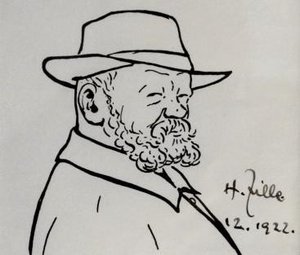
Photographische Gesellschaft Berlin
1862 - 1927