

 Предпросмотр
 Поделиться
 Поделиться
 Детали произведения

 Скачать
 Похожие работы
 Рентгенография
 Слайд-шоу
 Статистика
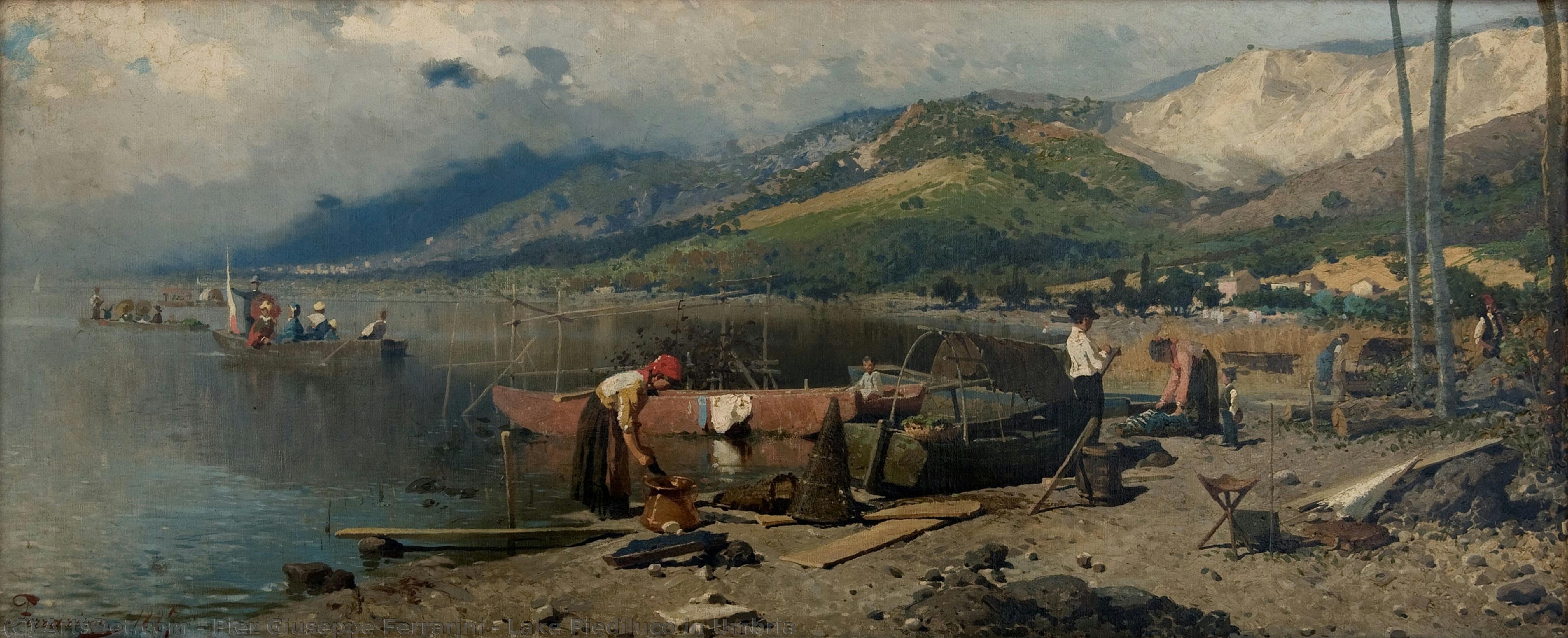
Lake Piediluco in Umbria


 Читать далее
Масляная репродукция ручной работы
Картина маслом на холсте в выбранном вами размере и раме, написанная на заказ нашими художниками. ( Перейти к печати Перейти к цифровым изображениям)




P118B $10

P118H $10

P118W $10

P438Z $10

P508JH $12

P508YH $12

P805H $10

P805Z $10

P919BZ $10

P919G $10

P919XJ $10

P959ZH $10

P968JZ $12

W106C $8

W218G $10

W218JH $8

W218Y $10

W307PJ $10

W316G $10

W316PJ $8

W316Y $10

W398PJ $8

W4111J $10

W500HY $15

W500JH $15

W692G $12

W849H $8

W940BG $15

W953PJ $8




Выберите один из наших стандартных размеров, соответствующих оригинальным пропорциям произведения искусства.

Вы можете указать собственные размеры, чтобы картина идеально вписалась в выбранную раму или пространство. Если выбранный вами размер не соответствует пропорциям оригинала, мы либо обрежем полотно, либо расширим его за счет дополнительных элементов, написанных вручную. Цифровой макет будет отправлен вам на утверждение перед началом производства.
Обратите внимание, что предварительный просмотр на экране не отражает фактическую обрезку или расширение. Только макет точно покажет окончательную композицию.
Хотя доступны индивидуальные размеры, мы рекомендуем выбирать вариант из предопределенного списка, чтобы сохранить исходные пропорции.
После оформления заказа команда ArtsDot.com свяжется с клиентом по электронной почте для уточнения деталей и предоставит предварительный макет
Доставка по всему миру () за 3–4 недели вместо стандартных 5 недель. (12 Сентябрь). Без компромиссов в качестве.

Бесплатная экспресс-доставка по всему миру

Высококачественный льняной холст

Полное страхование доставки

Гарантия возмещения таможенных пошлин

Гарантия точного соответствия цветов

100-дневная политика возврата (только при обнаружении дефектов)

Гарантия возврата 100% средств

Предложение оптовых скидок
 Вариант со стеклом доступен только для размеров менее 110 см

Lake Piediluco in Umbria
Техника репродукции
Размер репродукции
-


Итоговая стоимость
$ 313
Похожие произведения
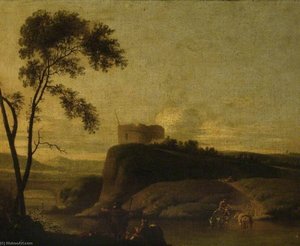
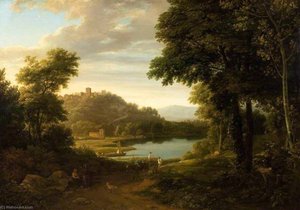
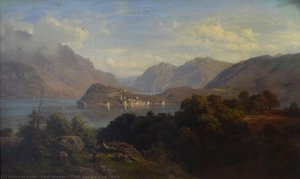
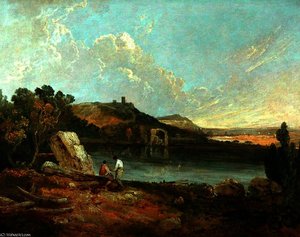
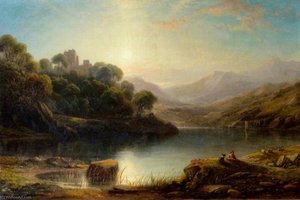
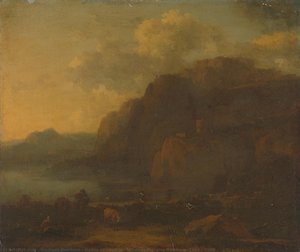
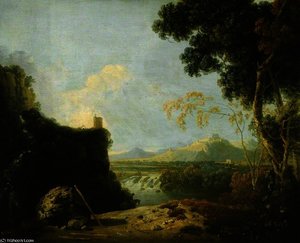
Биография художника
The Luminous Landscapes of Pier Giuseppe Ferrari
Born in the culturally vibrant city of Parma on March 30, 1852, Pier Giuseppe Ferrari emerged as a sensitive chronicler of the Italian landscape during the late nineteenth century. The son of Casimiro, a respected physician, and Marietta Bocchi, Ferrari was raised within a bourgeois environment that provided him with the stability to pursue an intensive artistic education. His journey into the heart of Italian naturalism began at the Accademia di Parma, where his talent for capturing the essence of the outdoors was recognized early. By 1866, he had been admitted to the landscape class, and his dedication soon led him to expand his technical repertoire to include elementary architecture, a move that would later grant him a professional patent in industrial drawing. His academic prowess was undeniable; by 1870, he had secured both first and second prizes for "superior landscape" at the Academy's competitions, marking him as a rising star of the Parmese school.
The artistic identity of Ferrari is often viewed through a complex lens, as his legacy is frequently intertwined with that of his contemporary and namesake, Giuseppe Ferrarini. This shared name and stylistic affinity occasionally obscure the unique nuances of Pier Giuseppe’s hand. However, beneath the surface of these similarities lies a profound devotion to the Romantic ideals of his era—an obsession with the sublime beauty of nature and the emotional resonance of light. His work often sought to transcend mere topographical documentation, instead aiming for an atmospheric truth. Influenced by the expressive power of masters like Eugène Delacroix and Gustave Courbet, Ferrari embraced a technique that prioritized mood and movement. He utilized loose yet controlled brushstrokes to create tonal gradations that allowed the viewer to feel the humidity of a lakeside morning or the warmth of a sun-drenched Tuscan hill.
A Vision of Rural Serenity and Light
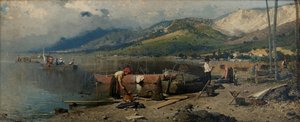
Ferrari’s oeuvre is a testament to his ability to find grandeur in the quietude of rural life. His canvases frequently serve as windows into the soul of the Italian countryside, particularly the serene regions of Umbria and Tuscany. He possessed a remarkable gift for capturing fleeting moments of pastoral existence—the rhythmic labor of fishermen returning to shore, or the tranquil presence of shepherds tending their flocks amidst rolling greenery. These subjects were not merely decorative; they were vessels for exploring the interplay between humanity and the natural world. Through his use of elongated formats, he was able to convey the vastness of the Italian horizon, drawing the eye across sweeping vistas that seem to extend far beyond the frame.
Technically, Ferrari’s mastery lay in his sophisticated handling of color and light. His palette was characterized by a harmonious selection of muted, earthy hues—ochres, deep greens, and soft blues—which anchored his works in a sense of organic reality. He meticulously observed how light shifts across a landscape, using shadow not just to define form, but to build atmosphere and depth. This pursuit of atmospheric perspective allowed him to create a palpable sense of tranquility, making his paintings feel less like static images and more like living, breathing environments. His ability to blend these elements seamlessly into a cohesive whole remains the hallmark of his contribution to the nineteenth-century landscape movement.
Legacy and the Final Brushstrokes
Despite his promising trajectory and significant academic achievements, Ferrari’s life was tragically short. Following a period of intense creative activity and participation in various academic competitions, his life came to an end in 1887. His later years were marked by a close connection to the artistic community in Rieti, where he lived with his wife, Irma Ugolotti, maintaining a spirited correspondence with figures such as L. Pigorini of the Società d'incoraggiamento. This period of his life reflected a continued engagement with the evolving trends of Italian art, even as his personal circumstances shifted.
The historical significance of Pier Giuseppe Ferrari lies in his role as a bridge between classical academic training and the more emotive, expressive landscape traditions that would follow. While he may have been overshadowed by larger-than-life contemporaries, his work remains an essential part of the Italian artistic tapestry. To study his paintings is to encounter a lost era of pastoral peace, preserved through a lens of profound respect for the natural world. His ability to capture the ephemeral beauty of the Italian landscape ensures that his vision continues to resonate with collectors and art historians alike, offering a timeless glimpse into the heart of the nineteenth-century Romantic spirit.
pier giuseppe ferrarini
1852 - 1887 , Italy
Основные сведения
- Artistic Movement Or Style: Landscape Painting
- Artists Or Movements Influenced By This Artist: ['Romanticism']
- Artists Who Influenced This Artist:
- Giuseppe Corot
- Pasini
- Date Of Death: 1887
- Full Name: Pier Giuseppe Ferrari
- Nationality: Italian
- Notable Artworks: ['Lake Piediluco in Umbria']
- Place Of Birth: Parma, Italy
Похожие статьи
Evoking Atmosphere & Identity: A Journey Through Landscape Painting's History
Explore the rich history of landscape painting! Discover renowned artists, movements like Romanticism, & techniques such as atmospheric perspective. Find inspiration and quality reproductions at ArtsDot.

Романтический пейзаж: 10 шедевров, изменивших искусство | ArtsDot.com
Погрузитесь в мир романтического пейзажа! 10 шедевров Фридриха, Тёрнера и других гениев. Узнайте историю создания культовых картин и вдохновитесь для декора интерьера. Репродукции высокого качества на ArtsDot.com.

Evocations of Place: A Historical Journey Through Landscape Art
Explore the rich history of landscape art with ArtsDot. Discover renowned artists, movements like Impressionism & Romanticism, and expert guidance for collecting timeless pieces. Find your perfect serene escape today!
Evocations of Place: A Historical Journey Through Landscape Art
Explore the rich history of landscape art with ArtsDot. Discover renowned artists, movements like Impressionism & tonalism, and expert guidance for collecting timeless pieces. Find your perfect serene escape today!

Джон Констебль: 25 шедевров английского пейзажа для вашего интерьера
Погрузитесь в мир английского пейзажа с Джоном Констеблом! 25 шедевров романтизма, история создания картин и вдохновение для вашего интерьера. Репродукции высокого качества на ArtsDot.com – искусство для ценителей.