

 Поделиться
 Поделиться
 Детали произведения

 Скачать
 Похожие работы
 Слайд-шоу
 Статистика
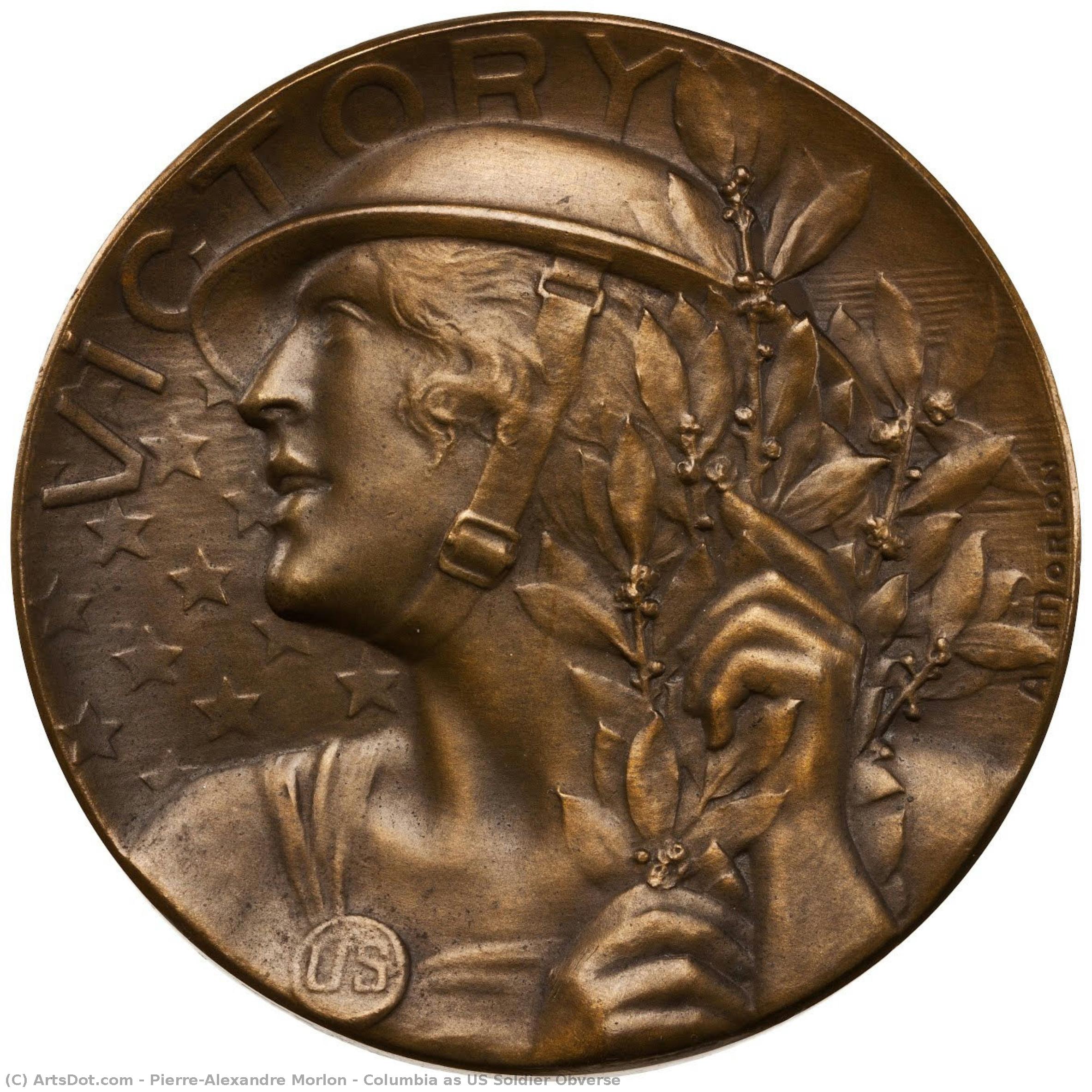
Columbia as US Soldier Obverse


 Читать далее
Жикле / Арт-принт
Печать (жикле) или холст музейного качества с быстрыми сроками изготовления и широким выбором вариантов отделки. ( Купить картину ручной работы Перейти к цифровым изображениям)




































Выберите один из наших стандартных размеров, соответствующих оригинальным пропорциям произведения искусства.

Вы можете указать свои собственные размеры, чтобы репродукция идеально подошла под конкретную раму или пространство. Если выбранный вами размер не будет соответствовать пропорциям оригинала, мы либо обрежем произведение, либо дополним изображение зеркальным отражением краев или однотонной заливкой. Перед началом производства вам будет отправлен цифровой макет для утверждения.
Пожалуйста, обратите внимание, что предварительный просмотр на экране не отображает фактическую обрезку или расширение изображения. Только макет точно покажет финальную композицию.
Несмотря на возможность заказа индивидуальных размеров, мы рекомендуем выбирать размер из предопределенного списка, чтобы сохранить оригинальные пропорции.
Доставка по всему миру () за 2 недели вместо стандартных 4/5 недель. (11 Сентябрь)

Бесплатная экспресс-доставка по всему миру

Высококачественный льняной холст

Полное страхование доставки

Гарантия возмещения таможенных пошлин

Гарантия точного соответствия цветов

100-дневная политика возврата (только при обнаружении дефектов)

Гарантия возврата 100% средств

Предложение оптовых скидок
 Вариант со стеклом доступен только для размеров менее 110 см

Columbia as US Soldier Obverse
Жикле / Арт-принт
Размер репродукции
-


Итоговая стоимость
$ 62
A Bronze Testament to Triumph
In the quiet, tactile presence of the Columbia as US Soldier Obverse, one finds more than just a commemorative object; one encounters a profound moment of historical reverence frozen in bronze. Created in 1918, this exquisite medal serves as a powerful window into the soul of an era defined by global upheaval and the pursuit of peace. The piece features a striking, neoclassical portrait of Columbia—the female personification of the United States—rendered with a level of detail that commands immediate attention. As she gazes forward, her face framed by the rugged contours of a military helmet, there is a palpable sense of solemnity. The artistry captures not just a figure, but an ideal: the strength of a nation standing resolute amidst the shadows of conflict.
The technical mastery displayed in this work is nothing short of breathtaking, showcasing the intricate beauty of the lost-wax casting technique. Every line etched into the bronze surface tells a story of meticulous craftsmanship. The delicate, organic curves of the laurel branches—symbols of eternal honor and triumph—intertwine with the sharp, disciplined geometry of the stars and the bold, commanding lettering of 'VICTORY'. The play of light across the warm, golden-brown tones of the bronze creates a rich, multidimensional effect, where shadows settle into the deep relief of the sculpture to provide a sense of weight and permanence. For the discerning collector or interior designer, this piece offers a textured depth that brings a sophisticated, historical gravity to any curated space.
Symbolism and the Spirit of an Era
Beyond its physical beauty, the medal is a dense tapestry of symbolic meaning designed to evoke deep patriotic pride. The presence of the laurel branches is not merely decorative; they are ancient emblems of victory and peace, suggesting that the struggle depicted was one of righteous purpose. The helmet, while signifying military duty and the harsh realities of war, also serves to protect the personification of liberty, grounding the ethereal concept of a nation in the tangible reality of its defenders. The surrounding stars act as celestial witnesses, perhaps representing the unified strength of the states during this pivotal moment in history.
To possess or display a reproduction of such a piece is to invite a conversation about resilience and remembrance into one's environment. The emotional resonance of the Columbia as US Soldier Obverse lies in its ability to balance the heavy weight of military service with the soaring hope of triumph. It is an evocative work that transcends its original purpose as a commemorative token, becoming instead a timeless piece of art that celebrates the enduring human spirit and the monumental legacies left behind by those who served.
Похожие произведения
Биография художника
Early Life and Artistic Foundations
Pierre-Alexandre Morlon, born in Mâcon, France, on June 4th, 1878, emerged from a family deeply rooted in the craft of stone—his father was a marble worker. This early exposure to the tactile world of sculpting materials undoubtedly shaped his artistic trajectory. From a young age, he demonstrated a natural aptitude for drawing and modeling, skills nurtured by attendance at the municipal fine arts school in Mâcon. His initial training wasn’t confined to academic pursuits; it was grounded in the practical realities of stone-cutting, providing him with an intimate understanding of form and texture that would later distinguish his work. This foundation proved crucial as he embarked on formal studies at the prestigious École Nationale Supérieure des Beaux-Arts in Paris, where he became a pupil of Alexandre Falguière, a prominent sculptor known for his dynamic compositions and expressive figures.
A Sculptor Embracing Public Commissions
Morlon’s artistic career blossomed in the early 20th century, an era marked by a growing demand for public art. He first exhibited at the Salon in 1900, signaling his entry into the Parisian art world. However, unlike many of his contemporaries who pursued purely aesthetic or avant-garde explorations, Morlon found considerable success fulfilling commissions for civic monuments and commemorative works. This wasn’t to say his work lacked artistic merit; rather, it reflected a dedication to representing republican ideals and honoring local history. His sculptures became integral parts of the urban landscape of Mâcon and beyond, solidifying his reputation as an artist deeply connected to his community.
Medallic Artistry: A Parallel Path
Alongside his sculptural endeavors, Morlon cultivated a significant career as a medallist. This often-overlooked aspect of his oeuvre reveals a remarkable versatility and technical skill. He wasn’t merely replicating designs onto metal; he was crafting miniature narratives, imbued with symbolic meaning and historical context. His work for the Monnaie de Paris (the French Mint) included commemorative medals celebrating various occasions, but perhaps his most recognizable achievement is the design of the Franc coin that circulated between 1931 and 1959—a testament to his influence on everyday life. The precision required in medallic art honed his attention to detail and further refined his ability to convey complex ideas within a limited space.
Themes, Influences, and Artistic Style
Morlon’s artistic style is often described as classical, yet it wasn't a rigid adherence to ancient forms. He blended traditional techniques with elements of the Art Nouveau movement, evident in the flowing lines and decorative motifs found in some of his sculptures and medals. His subject matter frequently revolved around themes of labor, patriotism, and abundance—reflecting the societal values of his time. The Vendanges, a bas-relief preserved in Mâcon, exemplifies this focus, depicting grape harvesters with a sense of dignity and collective effort. His monument to World War I soldiers demonstrates a solemn respect for sacrifice and remembrance. While influenced by masters like Falguière, Morlon developed a distinctive voice characterized by a balance between realism and idealism.
Legacy and Historical Significance
Pierre-Alexandre Morlon’s work represents a fascinating intersection of artistic talent and civic responsibility. He wasn't an artist who sought radical innovation; instead, he excelled at creating meaningful art that resonated with the public. His sculptures and medals continue to adorn French cities, serving as tangible reminders of local history and national identity. Although his name may not be as widely recognized as some of his contemporaries, Morlon’s contribution to 20th-century French art is significant—a testament to the enduring power of art in the service of the Republic. His dedication to craftsmanship, combined with a commitment to representing societal values, ensures that his legacy will continue to inspire and captivate for generations to come.
pierre-alexandre morlon
1878 - 1951 , France
Основные сведения
- Artistic Movement Or Style: Classical Sculpture
- Artists Who Influenced This Artist: ['Alexandre Falguière']
- Date Of Birth: June 4, 1878
- Date Of Death: 1951
- Full Name: Pierre-Alexandre Morlon
- Nationality: French
- Notable Artworks:
- The Vendanges
- WWI Monument
- Columbia as US Soldier
- Place Of Birth: Mâcon, France
Похожие статьи

10 легендарных бронзовых шедевров, изменивших искусство | ArtsDot
Погрузитесь в мир великих бронзовых шедевров! От Давида Донателло до Мыслителя Родена – узнайте историю создания, технику и значение легендарных скульптур. Вдохновение для интерьера и музейное качество репродукций на ArtsDot.com.
The Enduring Legacy of Bronze: History, Technique & Artistic Expression for the Collector
Explore the rich history & enduring appeal of bronze sculpture with expert insights for collectors at ArtsDot. Learn about casting techniques, iconic artists, and collecting tips.

The Enduring Legacy of Bronze: A Historical & Artistic Exploration for the Collector
Explore the rich history & enduring appeal of bronze sculpture with expert insights for collectors at ArtsDot. Learn about casting techniques, iconic artists, collecting tips & contemporary interpretations.

10 легендарных бронзовых скульптур, изменивших искусство навсегда | ArtsDot
Погрузитесь в мир великих бронзовых скульптур! От Давида Микеланджело до работ Родена – история искусства, техники и вдохновения. Купите репродукции шедевров для вашего интерьера на ArtsDot.com

The Enduring Legacy of Bronze Sculpture: A Collector's Guide to Form & Cultural Significance
Explore the rich history & enduring appeal of bronze sculpture with expert insights for collectors at ArtsDot. Learn about casting techniques, iconic artists, and collecting tips to build a discerning art collection.