


 Предпросмотр
 Поделиться
 Поделиться
 Детали произведения

 Скачать
 Похожие работы
 Рентгенография
 Слайд-шоу
 Статистика
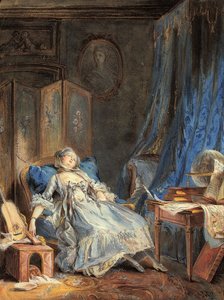
Приведение невесты в постель


 Читать далее
Приобретите цифровое изображение высокого разрешения в улучшенном качестве, которое значительно превосходит онлайн-превью.
Каждый файл тщательно подготавливается нашими специалистами с использованием передовых инструментов и экспертной ручной ретуши. Мы гарантируем исключительную четкость, точную цветопередачу и детальную проработку каждого изображения.
Финальный файл доставляется по электронной почте в течение 72 часов и оптимизирован для немедленного использования в профессиональной среде, при верстке и печати. Это тот же уровень качества, которому доверяют ведущие дизайнерские студии, издательства и галереи.
Цифровое изображение
Скачайте файл высокого разрешения для личного использования, печати и творческих проектов. ( Перейти к печати Купить картину ручной работы)
Включено в каждый заказ цифровых изображений
Гарантия экспертной цифровой доставки
Выбирая ArtsDot.com, вы получаете не просто изображение — вы приобретаете профессионально обработанное цифровое произведение искусства, созданное с безупречной точностью и под защитой гарантии качества. Вот всё, что автоматически входит в ваш заказ:

Мгновенная доставка по e-mail
Ваш цифровой файл в высоком разрешении будет отправлен вам по электронной почте в течение 72 часов после оформления заказа — и сразу станет доступен для использования.

Цифровой файл с ИИ-улучшением
Ваше произведение искусства проходит профессиональную оптимизацию с использованием передовых инструментов ИИ и ручной обработки, что гарантирует максимальную детализацию, четкость и точность цветопередачи.

Бессрочная бесплатная повторная доставка
Случайно удалили или потеряли файл? Не беспокойтесь — мы отправим его вам повторно в любое время и совершенно бесплатно.

Без импортных пошлин — навсегда
Наслаждайтесь вашим произведением искусства мгновенно без таможенных пошлин, сборов или затрат на доставку — цифровые загрузки всегда не облагаются налогом.

Гарантия точности цветопередачи
Мы гарантируем, что ваше цифровое изображение максимально точно передает оригинальные цвета благодаря использованию профессиональных инструментов и систем управления цветом.

Гарантия удовлетворенности 100 дней
Если вы не будете удовлетворены своим цифровым изображением, мы внесем правки или вернем 100% стоимости в течение 100 дней — без лишних вопросов.

100% Гарантия возврата средств
Не удовлетворены покупкой? Получите полный возврат средств в течение 100 дней после получения цифрового файла — без лишних вопросов.

Скидки на оптовые заказы
Купите 3 изображения, сэкономьте 10% — Купите 5, сэкономьте 15% — Купите 10+, сэкономьте 20%. Отличное решение для творческих проектов, галерей и агентств.
Bringing the Bride to Bed: A Rococo Intimacy Captured by Baudouin
Pierre-Antoine Baudouin’s “Bringing the Bride to Bed,” painted in 1767, is more than just a depiction of domestic life; it's a masterful distillation of Rococo aesthetics and psychological nuance. Executed with gouache over red chalk and subtle graphite traces on laid paper, this intimate scene transports viewers back to the opulent salons of Parisian aristocratic society during the reign of Louis XV. Gavin Hamilton’s meticulous observation of detail—evident in the richly ornamented room and the expressive faces of its figures—elevates it beyond mere illustration into a profound meditation on love, anticipation, and feminine vulnerability. The painting centers around a woman lying serenely upon a bed, surrounded by her female companions. The artist skillfully employs chiaroscuro – dramatic contrasts between light and shadow – to sculpt the forms of the figures and create an atmosphere of warmth and seclusion. Notice how Baudouin’s use of color is restrained yet deliberate; muted reds and golds dominate the palette, reflecting the prevailing decorative trends of the era while simultaneously conveying a sense of understated elegance. The inclusion of a chair positioned near the bed and another one further back adds depth to the composition, suggesting a dynamic interplay between observation and participation. Beyond its formal beauty lies a rich tapestry of symbolism. The bed itself represents fertility and new beginnings—a visual shorthand for the impending marriage ceremony. The woman’s calm demeanor speaks volumes about her inner strength and composure amidst the excitement of the occasion. Her gaze directs towards the viewer, inviting us to share in her moment of vulnerability and anticipation. Baudouin's technique—characterized by delicate hatching and blending—captures not only the visual appearance but also the emotional essence of this pivotal scene. The artwork’s historical context is crucial to understanding its significance. Produced during Hamilton’s time as a prominent antiquarian painter, “Bringing the Bride to Bed” reflects the broader fascination with classical ideals of beauty and harmony that permeated European culture at the time. Baudouin's work aligns perfectly with the artistic sensibilities of his era, demonstrating an exceptional grasp of Rococo style—a movement defined by its emphasis on ornamentation, pastel colors, and idealized representations of human emotion. Furthermore, consider the painting’s impact on viewers encountering it today. Baudouin succeeds in conveying a palpable sense of intimacy and tenderness, capturing a fleeting glimpse into the private sphere of aristocratic life. The meticulous rendering of textures—from the plush upholstery to the smooth skin of the woman—invites contemplation about the materiality of art and its ability to evoke powerful emotions. “Bringing the Bride to Bed” remains an enduring testament to Baudouin’s artistic vision and his profound understanding of human psychology, cementing its place as a cornerstone of Rococo art history.- Artist: Pierre-Antoine Baudouin
- Date: 1767
- Size: 36 x 31 cm
- Medium: Gouache over Red Chalk and Graphite on Laid Paper
Additional Resources
You can explore more about Pierre-Antoine Baudouin’s life and work on ArtsDot.com (ArtsDot.com) and discover related artworks on National Gallery of Canada. Also, delve into Jean-Pierre-Antoine Tassaert’s artistic journey (Jean-Pierre-Antoine Tassaert) and explore the influence of classical antiquities on European art.Online Presence
This artwork is featured prominently on Wikimedia Commons (Wikimedia Commons), where you can find high-resolution images and detailed information about its provenance.Похожие произведения

![Three Studies Of A Woman's Head And A Study Of Hands [recto], — Ватто, Rococo Style](/media/artworks/images-thumb/65/73/65730255a762c06e3235059db7ffcb5f.jpg)

Биография художника
The Master of Miniature Pleasures
In the shimmering, decadent atmosphere of mid-18th century Paris, few artists captured the ephemeral essence of Rococo intimacy quite like Pierre-Antoine Baudouin. Born in 1723 to an engraver, Baudouin emerged not merely as a painter, but as a chronicler of the era's most private and whispered moments. His life was deeply entwined with the very fabric of French high society and its artistic elite; through his marriage to Marie-Elisabeth, the daughter of the legendary François Boucher, he became more than just a pupil of the Rococo master—he became an extension of Boucher’s own aesthetic legacy. This connection granted him access to the most refined circles of the French court, where the boundaries between art and life were often blurred by grace, wit, and a touch of scandal.
Baudouin’s artistic development was characterized by a remarkable mastery of delicate mediums. While many of his contemporaries sought the permanence of oil on canvas, Baudouin found his true voice in the ephemeral textures of watercolors, gouache, and crayons. His technique allowed for a luminous, almost translucent quality that perfectly suited his subject matter: idyllic landscapes, soft boudoir scenes, and the playful, often erotic, encounters of the aristocracy. There is a certain breathlessness to his work, a sense that one is catching a fleeting glimpse through a silk curtain. His ability to render the softness of skin, the sheen of satin, and the gentle light of a Parisian afternoon made him a favorite among collectors who sought art that felt as much like a secret as a possession.
A Controversial Legacy of Light and Shadow
Despite his technical brilliance and his prestigious election to the Académie Royale in 1763, Baudouin’s reputation was never without its shadows. He occupied a complex position in the cultural landscape of the 1760s, caught between the frivolous elegance of the Rococo and the rising tide of moralistic scrutiny. The famous critic Denis Diderot, known for his biting assessments of the Salons, famously cast Baudouin in a harsh light. While acknowledging his talent, Diderot condemned him as a "painter-preacher of bad morals," contrasting him unfavorably with Jean-Baptiste Greuze, whom he viewed as a moralizing force. To Diderot, Baudouin’s work—with its focus on rakes and houses of ill repute—represented the decadent decay of a society losing its ethical compass.
This tension between aesthetic pleasure and moral judgment defines much of Baudouin's historical significance. His oeuvre serves as a vital, if controversial, window into the libertine culture of pre-revolutionary France. Whether he was painting a historical subject like his reception piece, Hyperides pleading the cause of Phryne before the Areopagus, or a more intimate miniature, there was always an underlying pulse of worldly sophistication. His life ended prematurely in 1769, amidst rumors that linked his early death to the very lifestyle of pleasure he so exquisitely depicted. Today, Baudouin is remembered not just as a follower of Boucher, but as a singular artist who dared to elevate the miniature and the erotic to a level of profound, delicate artistry, leaving behind a legacy that remains as captivating as it is provocative.
pierre-antoine baudouin
1723 - 1769 , France
Основные сведения
- Artistic Movement Or Style: Neoclassical history painter
- Artists Or Movements Influenced By This Artist:
- Jacques-Louis David
- Thomas Blackwell
- Artists Who Influenced This Artist:
- Agostino Masucci
- Sir Joshua Reynolds
- Date Of Birth: 1723
- Date Of Death: 1798
- Full Name: Gavin Hamilton
- Nationality: Scottish
- Notable Artworks:
- Death of Lucretia
- Homer's Iliad cycle
- Place Of Birth: Lanarkshire, Scotland