

 Предпросмотр
 Поделиться
 Поделиться
 Детали произведения

 Скачать
 Похожие работы
 Рентгенография
 Слайд-шоу
 Статистика
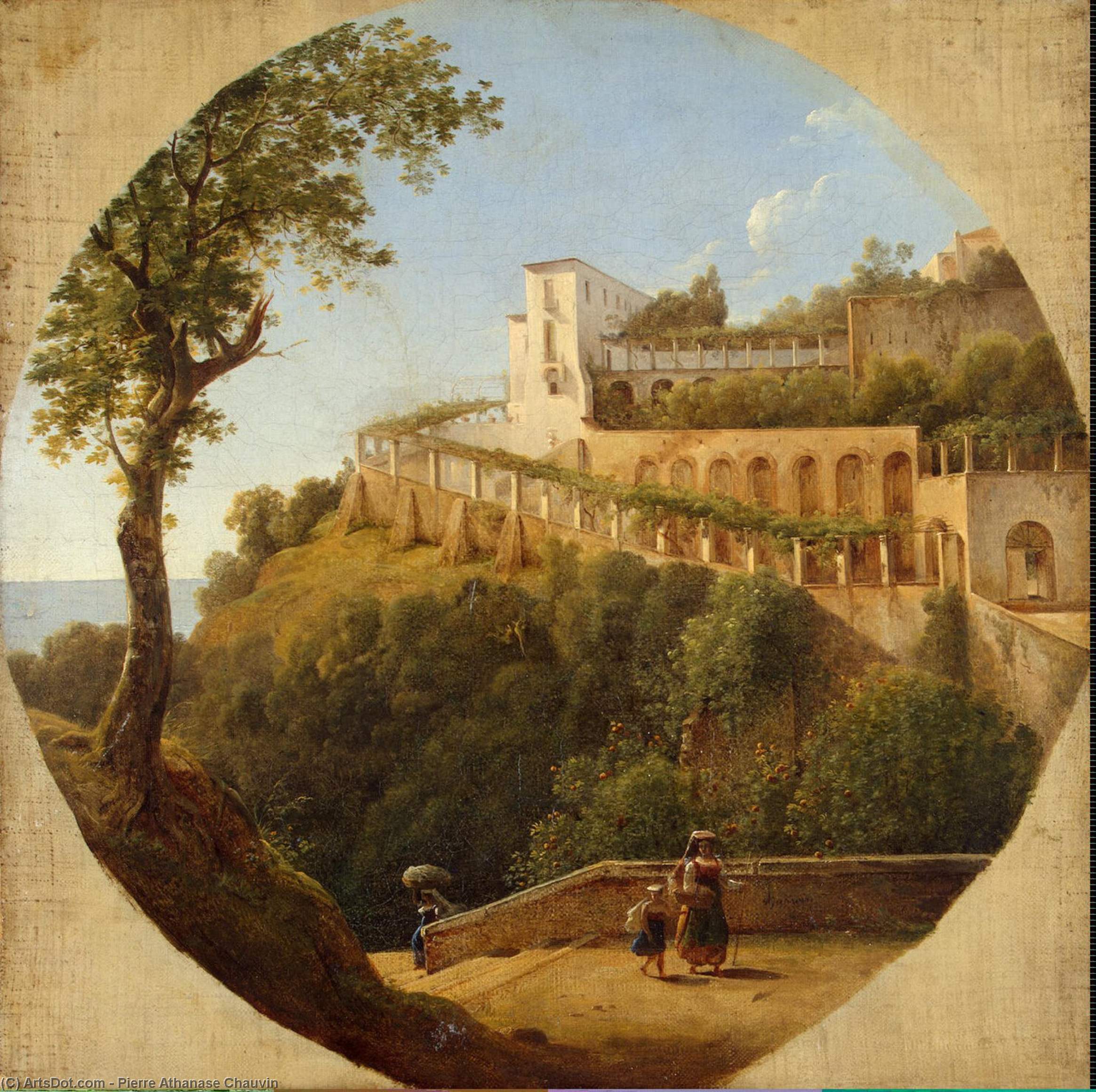
Italian Landscape
 Oil On Canvas
- WallArt
- Neoclassicism
 19th Century
 31.0 x 31.0 cm
 Эрмитаж
 Читать далее
Масляная репродукция ручной работы
Картина маслом на холсте в выбранном вами размере и раме, написанная на заказ нашими художниками. ( Перейти к печати Перейти к цифровым изображениям)




P118B $10

P118H $10

P118W $10

P438Z $10

P508JH $12

P508YH $12

P805H $10

P805Z $10

P919BZ $10

P919G $10

P919XJ $10

P959ZH $10

P968JZ $12

W106C $8

W218G $10

W218JH $8

W218Y $10

W307PJ $10

W316G $10

W316PJ $8

W316Y $10

W398PJ $8

W4111J $10

W500HY $15

W500JH $15

W692G $12

W849H $8

W940BG $15

W953PJ $8




Выберите один из наших стандартных размеров, соответствующих оригинальным пропорциям произведения искусства.

Вы можете указать собственные размеры, чтобы картина идеально вписалась в выбранную раму или пространство. Если выбранный вами размер не соответствует пропорциям оригинала, мы либо обрежем полотно, либо расширим его за счет дополнительных элементов, написанных вручную. Цифровой макет будет отправлен вам на утверждение перед началом производства.
Обратите внимание, что предварительный просмотр на экране не отражает фактическую обрезку или расширение. Только макет точно покажет окончательную композицию.
Хотя доступны индивидуальные размеры, мы рекомендуем выбирать вариант из предопределенного списка, чтобы сохранить исходные пропорции.
После оформления заказа команда ArtsDot.com свяжется с клиентом по электронной почте для уточнения деталей и предоставит предварительный макет
Доставка по всему миру () за 3–4 недели вместо стандартных 5 недель. (11 Сентябрь). Без компромиссов в качестве.

Бесплатная экспресс-доставка по всему миру

Высококачественный льняной холст

Полное страхование доставки

Гарантия возмещения таможенных пошлин

Гарантия точного соответствия цветов

100-дневная политика возврата (только при обнаружении дефектов)

Гарантия возврата 100% средств

Предложение оптовых скидок
 Вариант со стеклом доступен только для размеров менее 110 см

Italian Landscape
Техника репродукции
Размер репродукции
-


Итоговая стоимость
$ 313
A Window into the Amalfi Coast
In his evocative masterpiece, Italian Landscape, Pierre-Athanase Chauvin invites the viewer to step through a portal of time and light, transporting them to the sun-drenched serenity of the Amalfi Coast. Painted around 1820, this oil on canvas is far more than a mere topographical record; it is a poetic meditation on the harmony between human habitation and the untamed grandeur of nature. The composition unfolds as a panoramic vista, where a magnificent, multi-tiered villa clings to a steep, verdant hillside, presiding over the azure expanse of the Mediterranean Sea. As the eye wanders through the scene, it encounters a charming tableau of daily life: children at play, figures transporting water jugs, and a woman tending to her fruit trees. These intimate moments of human connection ground the sweeping landscape, transforming an epic view into a deeply personal and relatable narrative of existence.
The emotional resonance of the work lies in its ability to balance the monumental with the mundane. There is a profound sense of tranquility that permeates the atmosphere, perhaps aided by the soft, diffused light suggesting a quiet, overcast afternoon. This gentle illumination softens the edges of the world, casting a nostalgic glow over the winding staircases and ancient stone walls. For the collector or interior designer, this painting offers a sense of "escapism through elegance," providing a focal point that breathes life, peace, and a touch of classical romance into any sophisticated space.
The Mastery of Neoclassical Precision and Romantic Soul
Chauvin’s technical prowess is a brilliant synthesis of two defining eras of art history. Having studied under the legendary Pierre-Henri de Valenciennes, Chauvin inherited a rigorous command of Neoclassical clarity and structure. This is evident in the precise, linear definition of the villa's architecture and the carefully constructed perspective that leads the viewer’s gaze deep into the hazy distance. Yet, beneath this disciplined surface beats the heart of the Romantic movement. The artist utilizes impasto techniques—applying paint with a thick, tactile richness—to bring the foliage and building facades to life, creating a textured realism that invites the touch. Through the careful layering of glazes, Chauvin achieves a luminous depth in the sea and sky, mirroring the atmospheric fascination with the sublime.
The color palette is a masterclass in subtlety, dominated by cool blues, deep greens, and earthy browns. This muted tonality prevents the scene from becoming overly theatrical, instead fostering a melancholic beauty that feels both timeless and eternal. The interplay of geometric architectural shapes against the organic, gnarled forms of the landscape trees creates a visual tension that is resolved in perfect equilibrium. It is this meticulous attention to detail—the way a single branch or a distant ship can anchor the entire composition—that makes a high-quality reproduction of this work such a captivating addition to a curated collection.
A Legacy of Grandeur and Symbolism
To understand Italian Landscape is to understand the cultural revival of post-Napoleonic France. Created during the reign of Louis XVIII, the painting reflects a period of longing for the stability and idealized beauty of the classical past. The grand villa, perched so prominently above the sea, serves as a potent symbol of wealth, power, and aristocratic aspiration. It represents an era where art was used to celebrate order and the enduring strength of civilization. However, Chauvin balances this symbol of status with the presence of the gnarled tree in the foreground, which stands as a testament to resilience and our primal connection to the natural world.
For those seeking to adorn a home or gallery, this artwork offers more than just aesthetic pleasure; it offers a conversation piece steeped in history. Whether placed in a sunlit study or a grand salon, the painting acts as an anchor of sophistication. It embodies the spirit of the Grand Tour, evoking the memories of travelers who once sought inspiration in the ruins and landscapes of Italy. Owning a reproduction of such a significant work allows one to preserve this fragment of the Romantic spirit, bringing the enduring light of the Mediterranean into the modern interior.
Похожие произведения

Биография художника
Pierre-Athanase Chauvin: A Life in Italian Landscapes
Early Life and Education
Pierre-Athanase Chauvin was born in Paris, France, in 1774. He embarked on his artistic journey as a student of the esteemed landscape painter Pierre-Henri de Valenciennes. This foundational training would profoundly shape Chauvin’s future artistic direction and style.
Early Career and Salon Success
Chauvin first exhibited at the Paris Salon in 1793, marking the beginning of his public career. His dedication and skill culminated in a significant achievement: winning the first-class medal in 1819 for his monumental painting, Charles VIII’s entry into Acquapendente. This work was not merely an artistic triumph; it was commissioned by King Louis XVIII of France for the prestigious Galerie de Diane at the Palace of Fontainebleau, solidifying Chauvin's reputation.
Settling in Rome and Artistic Development
In 1813, Chauvin made a pivotal decision to relocate to Rome. He quickly integrated into the Roman art scene, becoming a member of the Accademia di San Luca. This move marked a turning point in his artistic development, as he immersed himself in the Italian landscape and its rich artistic heritage.
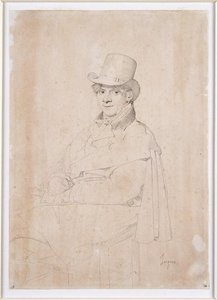
His views of Italy demonstrate a clear influence from Jean Auguste Dominique Ingres, blending classical precision with realist observation. The two artists were acquainted; Ingres even painted portraits of Chauvin and his wife in 1814, illustrating their professional relationship.
Artistic Style and Influences
Chauvin’s artistic style is characterized by a harmonious blend of Neoclassical structure and Realist detail. He masterfully captured the atmospheric light and serene beauty of the Italian countryside. His landscapes are not simply depictions of scenery; they are carefully composed studies of nature, imbued with a sense of classical order.
- Influences: Pierre-Henri de Valenciennes (landscape painting techniques), Jean Auguste Dominique Ingres (classical precision and form).
- Key Characteristics: Atmospheric perspective, detailed rendering of natural elements, balanced compositions, classical influence.
Major Achievements and Recognition
Beyond the acclaim for Charles VIII’s entry into Acquapendente, Chauvin produced a substantial body of work depicting various Italian landscapes. His paintings showcase views of Tivoli, Grottaferrata, Naples, and other picturesque locations.
In 1828, he was honored with the title of Chevalier of the Legion of Honor, further acknowledging his contributions to the art world.
Historical Significance and Legacy
While not as widely celebrated as some of his contemporaries, Chauvin played a significant role in documenting the Italian landscape during the 19th century. His work provides valuable insights into the artistic sensibilities of the period and demonstrates the enduring appeal of classical ideals within a realist framework.
His art was featured in the exhibition An Enchanted Country. Italy depicted by artists from Thomas Jones to Corot, held at Palazzo Te in Mantua, Italy, in 2001, reaffirming his place within the broader narrative of Italian landscape painting.
pierre athanase chauvin
1774 - 1832 , France
Основные сведения
- Acquapendente: View of Tivoli
- Birth Date: 1774
- Birth Place: Paris, France
- Death Date: 1832
- Influenced: None, 'influenced by': 'Pierre-Henri de Valenciennes, Jean Auguste Dominique Ingres', 'movement': ['Neoclassicism', 'Realism'], 'name': 'Pierre-Athanase Chauvin', 'nationality': 'French', 'notable works': [
Похожие статьи
Evocations of Place: A Historical Journey Through Landscape Art
Explore the rich history of landscape art with ArtsDot. Discover renowned artists, movements like Impressionism & tonalism, and expert guidance for collecting timeless pieces. Find your perfect serene escape today!

Романтический пейзаж: 10 шедевров, изменивших искусство | ArtsDot.com
Погрузитесь в мир романтического пейзажа! 10 шедевров Фридриха, Тёрнера и других гениев. Узнайте историю создания культовых картин и вдохновитесь для декора интерьера. Репродукции высокого качества на ArtsDot.com.

Джон Констебль: 25 шедевров английского пейзажа для вашего интерьера
Погрузитесь в мир английского пейзажа с Джоном Констеблом! 25 шедевров романтизма, история создания картин и вдохновение для вашего интерьера. Репродукции высокого качества на ArtsDot.com – искусство для ценителей.

Evocations of Place: A Historical Journey Through Landscape Art
Explore the rich history of landscape art with ArtsDot. Discover renowned artists, movements like Impressionism & Romanticism, and expert guidance for collecting timeless pieces. Find your perfect serene escape today!

Evoking Atmosphere & Identity: A Journey Through Landscape Painting's History
Explore the rich history of landscape painting! Discover renowned artists, movements like Romanticism, & techniques such as atmospheric perspective. Find inspiration and quality reproductions at ArtsDot.