

 Предпросмотр
 Поделиться
 Поделиться
 Детали произведения

 Скачать
 Похожие работы
 Рентгенография
 Слайд-шоу
 Статистика
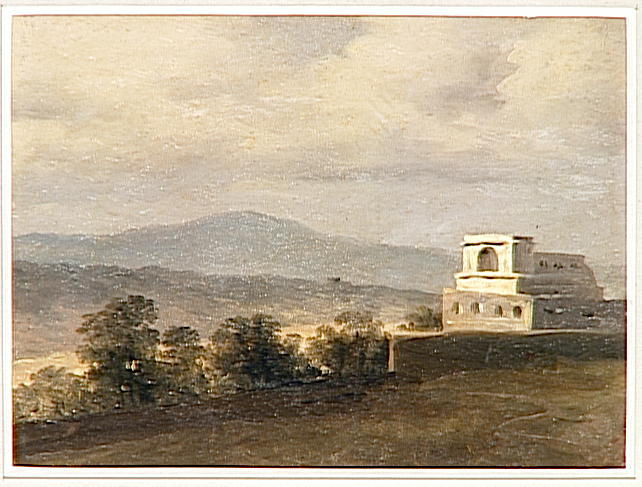
A LA VILLA BORGHESE LE PAVILLON


 Читать далее
Жикле / Арт-принт
Печать (жикле) или холст музейного качества с быстрыми сроками изготовления и широким выбором вариантов отделки. ( Купить картину ручной работы Перейти к цифровым изображениям)




P118B $10

P118H $10

P118W $10

P438Z $10

P508JH $12

P508YH $12

P805H $10

P805Z $10

P919BZ $10

P919G $10

P919XJ $10

P959ZH $10

P968JZ $12

W106C $8

W218G $10

W218JH $8

W218Y $10

W307PJ $10

W316G $10

W316PJ $8

W316Y $10

W398PJ $8

W4111J $10

W500HY $15

W500JH $15

W692G $12

W849H $8

W940BG $15

W953PJ $8




Выберите один из наших стандартных размеров, соответствующих оригинальным пропорциям произведения искусства.

Вы можете указать свои собственные размеры, чтобы репродукция идеально подошла под конкретную раму или пространство. Если выбранный вами размер не будет соответствовать пропорциям оригинала, мы либо обрежем произведение, либо дополним изображение зеркальным отражением краев или однотонной заливкой. Перед началом производства вам будет отправлен цифровой макет для утверждения.
Пожалуйста, обратите внимание, что предварительный просмотр на экране не отображает фактическую обрезку или расширение изображения. Только макет точно покажет финальную композицию.
Несмотря на возможность заказа индивидуальных размеров, мы рекомендуем выбирать размер из предопределенного списка, чтобы сохранить оригинальные пропорции.
Доставка по всему миру () за 2 недели вместо стандартных 4/5 недель. (12 Сентябрь)

Бесплатная экспресс-доставка по всему миру

Высококачественный льняной холст

Полное страхование доставки

Гарантия возмещения таможенных пошлин

Гарантия точного соответствия цветов

100-дневная политика возврата (только при обнаружении дефектов)

Гарантия возврата 100% средств

Предложение оптовых скидок
 Вариант со стеклом доступен только для размеров менее 110 см

A LA VILLA BORGHESE LE PAVILLON
Жикле / Арт-принт
Размер репродукции
-


Итоговая стоимость
$ 62
A Window into Roman Tranquility: Exploring Pierre-Henri de Valenciennes’ “A La Villa Borghese Le Pavillon”
“A La Villa Borghese Le Pavillon,” painted by the French artist Pierre-Henri de Valenciennes in 1800, is more than just a landscape; it's a carefully constructed tableau of classical serenity and refined observation. This captivating work offers a glimpse into the burgeoning practice of “en plein air” painting – a revolutionary shift that prioritized direct observation of nature over studio renderings – and reveals Valenciennes’ profound understanding of light, atmosphere, and the subtle poetry of the Italian countryside. The scene unfolds within the rolling hills surrounding Villa Borghese in Rome, a location steeped in artistic history and renowned for its breathtaking beauty.
Valenciennes, deeply influenced by his time in Italy, sought to capture not merely the appearance of a place but also its essence – the way light danced upon stone, the subtle shifts in color as distance blurred the horizon. He achieved this through meticulous attention to detail and a masterful manipulation of atmospheric perspective. The distant mountains, rendered in muted blues and browns, recede into the hazy atmosphere, creating an illusion of vastness and depth. Closer elements, such as the pavilion itself and the surrounding foliage, are depicted with greater clarity, drawing the viewer’s eye towards their central focus.
The Dawn of “En Plein Air” – Valenciennes' Revolutionary Technique
Prior to Valenciennes’ innovations, landscape painting was largely confined to the studio. Artists meticulously copied views from memory or sketches, often sacrificing accuracy and spontaneity. Valenciennes, however, championed a radically different approach. He believed that true understanding of nature could only be achieved through direct observation – standing before the scene, feeling its light, and capturing its fleeting qualities. This philosophy is vividly demonstrated in “A La Villa Borghese Le Pavillon,” where the artist’s hand visibly translates the immediacy of his experience onto the canvas.
His treatise, "Reflections and Advice to a Student on Painting, Particularly on Landscape," outlined this method, emphasizing the importance of capturing not just what is seen but also *how* it is seen – the subtle shifts in color, texture, and light. Valenciennes’ work served as an influential model for subsequent generations of landscape painters, including Bertin and Michallon, solidifying his place as a pivotal figure in the development of modern painting techniques.
A Symphony of Earth Tones and Atmospheric Depth
The painting's color palette is dominated by earthy tones – ochres, browns, greens, and muted yellows – creating a sense of groundedness and tranquility. The pavilion, constructed from warm-toned stone, stands as a focal point against the cooler hues of the surrounding landscape. Valenciennes skillfully employs atmospheric perspective to enhance this contrast, blurring distant elements and softening their colors to convey depth and distance. Notice how the light seems to diffuse and soften as it travels across the hills, creating an almost dreamlike quality.
The brushstrokes themselves are a testament to Valenciennes’ meticulous technique. They are visible yet controlled, suggesting both spontaneity and careful observation. The foliage is rendered with textured strokes that capture its density and vitality, while the stone of the pavilion appears smooth and polished. Even the clouds in the sky are painted with delicate, layered strokes, conveying their ethereal quality.
Symbolism and Emotional Resonance – A Moment of Contemplation
Beyond its technical brilliance, “A La Villa Borghese Le Pavillon” evokes a profound sense of peace and contemplation. The pavilion itself, reminiscent of classical Roman architecture, symbolizes order, harmony, and the enduring beauty of human creation. Nestled within the natural landscape, it suggests a harmonious relationship between man and nature – a theme that resonated deeply with artists during the Neoclassical period.
The painting’s overall mood is one of serenity and nostalgia, inviting the viewer to step into this idyllic scene and experience its quiet beauty. It's a reminder of the power of art to transport us beyond our everyday lives and connect us with the timeless wonders of the natural world. Reproductions of this work offer a beautiful way to bring a touch of Roman tranquility into any space, capturing the essence of Valenciennes’ masterful observation and artistic vision.
Похожие произведения

Биография художника
Ранние годы и обучение
Пьер-Анри де Валансен, выдающийся французский живописец, родился 6 декабря 1750 года. Хотя точное место его рождения не зафиксировано в сохранившихся документах, его вклад в мировое искусство неоспорим и прекрасно задокументирован. Сведения о раннем обучении и образовании мастера немногочисленны, однако важным этапом в его жизни стало пребывание в Риме с 1778 по 1882 год. Именно там, вдохновленный итальянскими пейзажами, он создал множество этюдов, написанных непосредственно на природе.Вклад в развитие пленэрной живописи
Де Валансен сыграл решающую роль в повышении статуса техники en plein air, или живописи на открытом воздухе. Его римский опыт лег в основу глубокой художественной теории, изложенной в его знаменитом трактате 1800 года «Размышления и советы ученику о живописи, в особенности о пейзаже». В этой работе он представил революционную концепцию «пейзажного портрета», когда художник пишет ландшафт прямо перед собой, стремясь запечатлеть его уникальные, неповторимые детали. Такой подход позволил де Валансену улавливать мимолетные изменения природы, вызванные игрой света и капризами погоды.Знаменитые ученики и влияние
Наследие мастера проявилось и в успехах его последователей. Среди его наиболее выдающихся учеников были Жан-Виктор Бертен, Ашиль Этна Мишалон, Луи Этьен Вателе, Луи-Франсуа Лежен, а также первый французский мастер панорамной живописи Пьер Прево. Влияние де Валансена на этих художников и его новаторский вклад в развитие пленэрной техники оставили неизгладимый след в истории искусства.Последние годы и смерть
Де Валансен ушел из жизни в Париже 16 февраля 1819 года. Он был похоронен на знаменитом кладбище Пер-Лашез — легендарном некрополе Парижа, где покоятся величайшие деятели культуры.- Посмотрите работы Пьера-Анри де Валансена на ArtsDot.com
- Изучите коллекцию Музея изящных искусств Валанса, представляющего европейскую живопись и скульптуру, на ArtsDot.com
- Узнайте больше о французском искусстве и его истории в Wikipedia
Наследие
Наследие Пьера-Анри де Валансена в мире искусства неоспоримо. Его новаторские поиски в области пленэрной живописи вдохновляли целые поколения художников, и его влияние ощущается по сей день. Через свои теоретические труды и своих учеников де Валансен оставил вечный след в сокровищнице мирового искусства.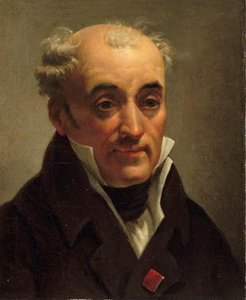
Пьер-Анри Де Валансьен
1750 - 1819
Основные сведения
- Artistic Movement Or Style: Живопись на пленэре
- Artists Or Movements Influenced By This Artist: ['Пьер Шовен']
- Artists Who Influenced This Artist:
- Жан Виктор Бертен
- Ашиль Этна Мишалон
- Date Of Birth: 6 декабря 1750 г.
- Date Of Death: 16 февраля 1819 г.
- Full Name: Пьер Анри де Валансьен
- Nationality: Француз
- Notable Artworks:
- Деревня Неми
- У виллы Боргезе, дорога вдоль деревьев
- Place Of Birth: Тулуза, Франция
Похожие статьи
Evoking Nature's Sublime: A Comprehensive Exploration of 19th-Century Landscape Painting
Explore the captivating world of 19th-century landscape painting! Discover renowned artists like Friedrich & Monet, key movements, and find the perfect artwork to bring nature's serenity into your home. Expert insights at ArtsDot.

Романтический пейзаж: 10 шедевров, изменивших искусство | ArtsDot.com
Погрузитесь в мир романтического пейзажа! 10 шедевров Фридриха, Тёрнера и других гениев. Узнайте историю создания культовых картин и вдохновитесь для декора интерьера. Репродукции высокого качества на ArtsDot.com.

Evocations of Place: A Historical Journey Through Landscape Art
Explore the rich history of landscape art with ArtsDot. Discover renowned artists, movements like Impressionism & tonalism, and expert guidance for collecting timeless pieces. Find your perfect serene escape today!
Evoking Atmosphere & Identity: A Journey Through Landscape Painting's History
Explore the rich history of landscape painting! Discover renowned artists, movements like Romanticism, & techniques such as atmospheric perspective. Find inspiration and quality reproductions at ArtsDot.

Evocations of Place: A Historical Journey Through Landscape Art
Explore the rich history of landscape art with ArtsDot. Discover renowned artists, movements like Impressionism & Romanticism, and expert guidance for collecting timeless pieces. Find your perfect serene escape today!